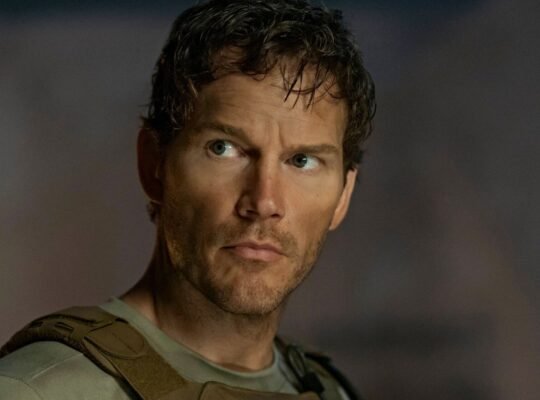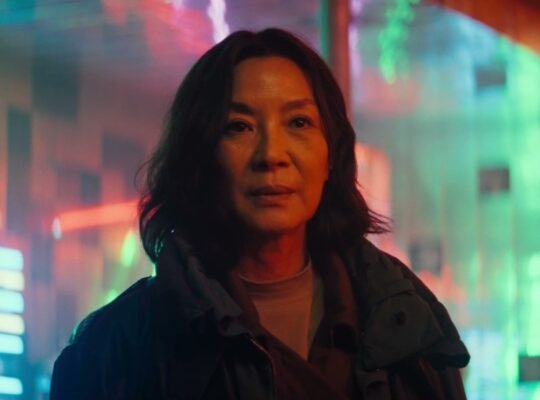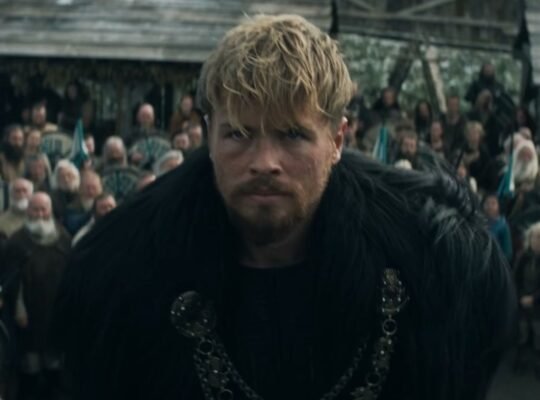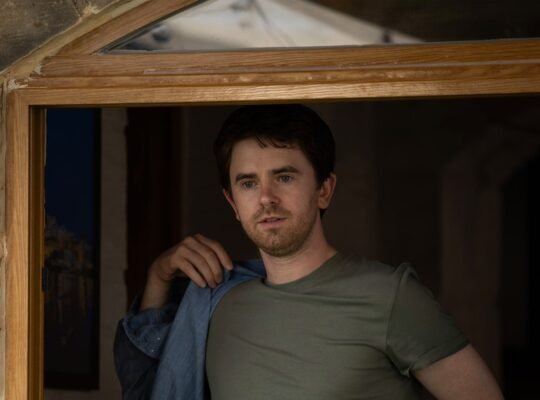
Seven years, five seasons, one shaking 4DX chair, and now it is done. “Blood and Bone”, the series finale of “The Boys”, screened in theaters last night at 9:30 sharp and landed on Prime Video this morning, and the BR team has spent the hours since arguing about it over coffee, which is honestly the highest compliment we can pay a finale. Nobody argues about endings that do not matter.
We were in one of those theater seats, for the record, surrounded by people in Homelander cosplay who cheered the recap-free cold open like a home crowd at a title fight. The communal experience delivered exactly what we hoped it would last week when we told you to buy the ticket. Whether the episode itself delivered is a more complicated conversation, and it is one worth having with the spoilers fenced off below. Warning beyond this point there are spoilers for The Boys and the series finale ‘Blood and Bone’ and the fates of Butcher, Homelander, and the team.
This is a finale about the cost of the war, not the fireworks of it.
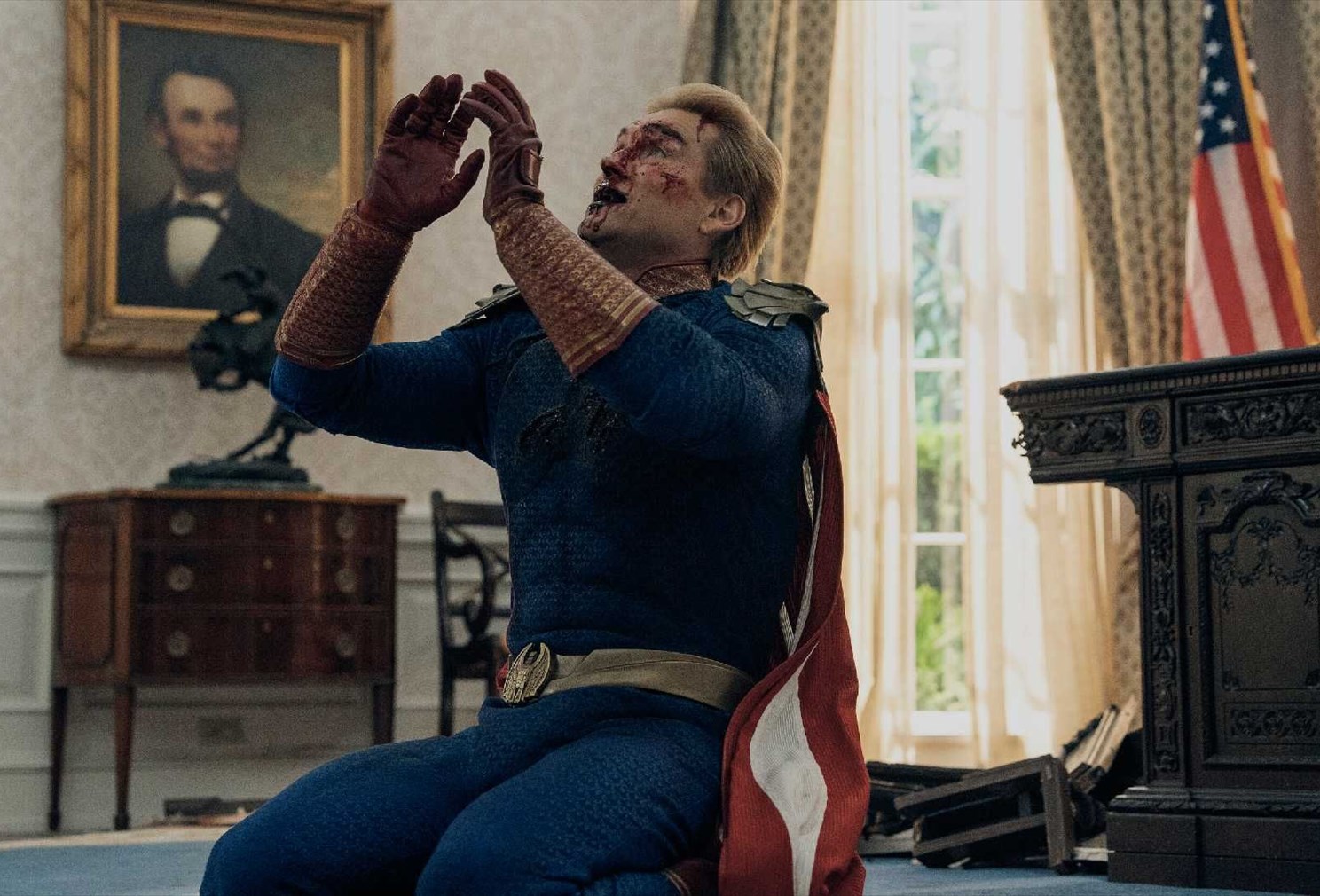
The episode opens at a funeral. Frenchie’s funeral, to be precise, and the show makes you sit in it, no montage, no needle-drop escape hatch. Kimiko is a wrecked, wordless presence at the center of it, and the choice to begin the final chapter with the team at its lowest is the episode announcing its intentions early: this is a finale about the cost of the war, not the fireworks of it. And then there is the fight, the one five seasons in the making. Billy Butcher (Karl Urban) and Homelander (Antony Starr) finally stop circling each other, and the show stages their collision as something closer to a street brawl than a summer blockbuster, brutal, personal, and stripped of scale in a way that has already split the fandom straight down the middle. The critics leaned mixed on it too, with early reviews settling around three-and-a-half stars and one recurring complaint: after five seasons of apocalyptic build-up, the final confrontation stays small. Not with a whimper, not with a bang, but with something in between.
Here is where we break from the pile-on, though. The small-scale choice reads to us as the point, not the failure. This was never a show about the biggest laser beam. It has spent its entire run arguing that superpowered spectacle is the product Vought sells, the anesthetic, the distraction, and staging the last Butcher-Homelander exchange as an ugly, human-sized fight is the series refusing to become its own villain’s marketing department in the final hour. You can find that unsatisfying and still recognize it as deliberate. We suspect the discourse will come around on it in a year or two, the way it usually does.
The stranger structural choice is what happens after. The showdown resolves with more than twenty minutes of runtime still on the clock, and the episode spends all of it on aftermath, on Hughie, on the survivors deciding who they get to be now that the war that defined them is over. Twenty-plus minutes of falling action is an eternity in modern television, where finales routinely smash-cut to black the second the plot closes. Kripke and his writers clearly studied the endings people actually remember, and those endings breathe.
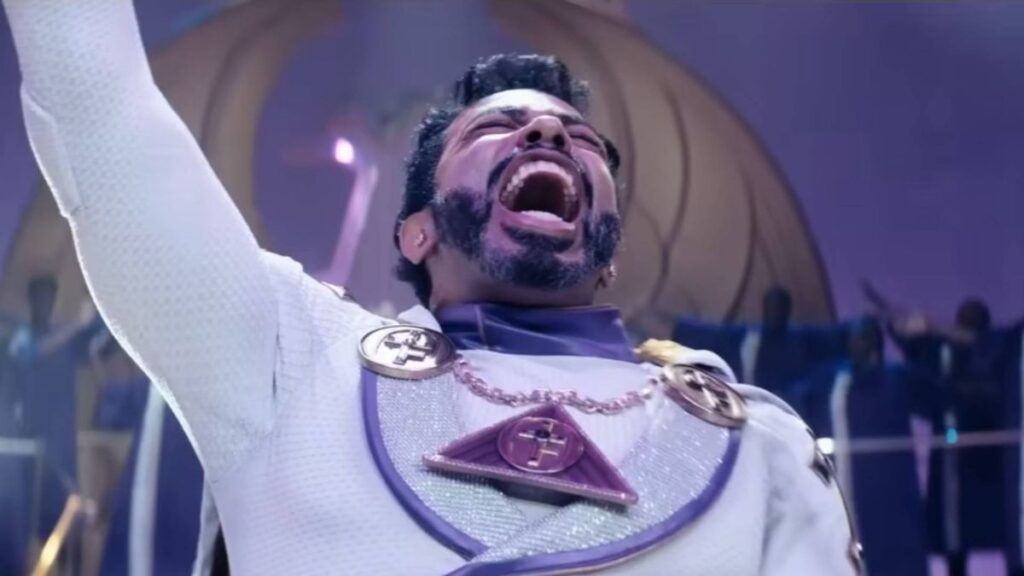
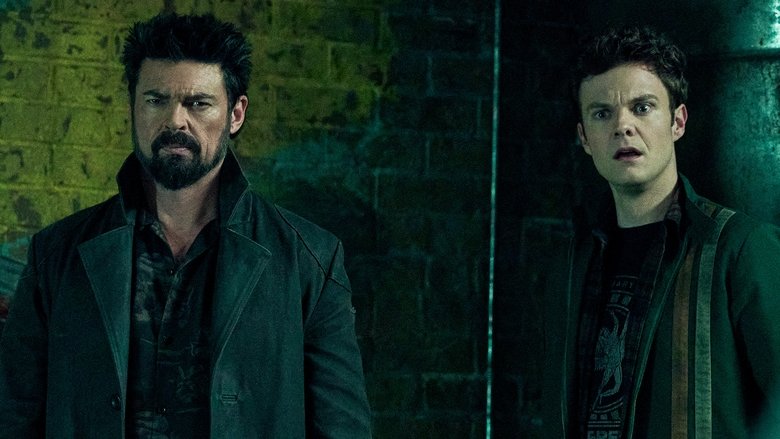
Does all of it work? No. Some of the resolution beats land softer than the material deserved, and if you came for a definitive, table-flipping statement about Vought and the machine it represents, the episode is more ambivalent than you want it to be. There is a version of this finale with ten percent more nerve that becomes an all-timer. What we got instead is an ending that is thoughtful, occasionally frustrating, and unmistakably this show, which may be the most honest outcome available.
A production note before the eulogy: the finale’s sound design deserves its own applause line. The mix drops to near-silence in two key moments, and in a 4DX house, where the format is built to assault you, the sudden stillness of a motionless chair became its own special effect. Somebody on the mixing stage understood that the scariest thing this show could do in its last hour was get quiet.
So where does “The Boys” land in the pantheon? Higher than last night’s hottest takes suggest. It arrived in 2019 as counter-programming and leaves as the thing it was counter-programming against, a franchise with spinoffs, a prequel on the way, and a merchandise line, and the finale is smart enough to know the irony. The satire outlived its target’s peak and became the institution. Somewhere, a fictional Vought executive is nodding with approval, and that discomfort is the show’s real legacy.
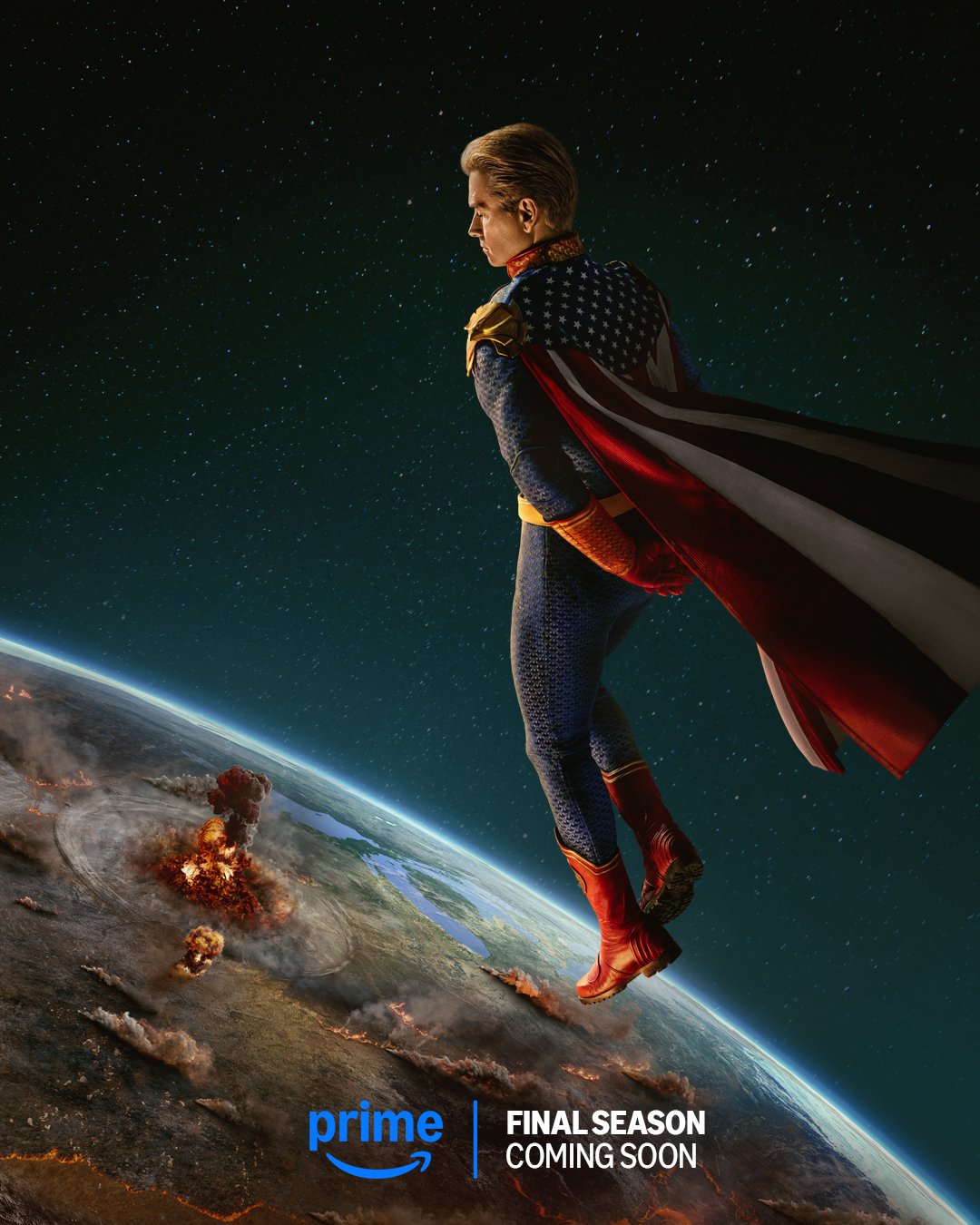
The performances deserve their own paragraph before the internet moves on to the next thing. Urban has spent five seasons making Butcher’s self-destruction charismatic without ever letting it become admirable, a harder trick than it looks, and the finale hands him quieter material than he has ever had on this show. He plays it beautifully. And Starr exits as the defining television villain of his era, full stop. Homelander could have been a one-joke inversion, Superman-but-evil, and Starr built him instead into a portrait of curdled need so specific that the character’s smallest facial twitches became a national pastime to screenshot. Whatever awards voters do with this final season, the performance already changed what streaming villains are allowed to be.
For those wondering what to do with the hole in the schedule: the finale retroactively sharpens a rewatch more than most. Season 1 plays differently when you know where every relationship ends, the Hughie material especially, and “Gen V” slots into the timeline cleanly for anyone who skipped the campus detour the first time through. The mid-century prequel will eventually give this universe a proper chronological spine to binge along. When that day comes, our editors will chart it. It is what we do.
What Do You Think? Did the deliberately small-scale Butcher and Homelander resolution honor five seasons of build-up, or did the finale flinch when the moment finally came? Does opening on Frenchie’s funeral and closing on twenty minutes of aftermath make this a braver episode than the spectacle version would have been? And with the flagship gone but the Vought universe still expanding, does anything short of the franchise’s own satire target, endless corporate sequels, await the spinoffs ahead?
Catch up properly: every episode of The Boys and its spin-offs in chronological order on our Timeline Hub’s The Boys timeline.
See you on the next binge!