“Game of Thrones” spent a decade teaching us that Westeros is where hope goes to die. So it says something that its newest chapter, “A Knight of the Seven Kingdoms,” closed its first season not on a massacre or a shocking betrayal, but on something the franchise almost never allows itself: a quiet, aching, hard-won sliver of decency. The finale, “The Morrow,” aired February 22, and it wrapped six episodes of small-scale storytelling with an ending that lingers.
For anyone who came in cold, this show is a different animal from its predecessors. Adapted from George R.R. Martin’s “Tales of Dunk and Egg,” it’s set roughly ninety years before the events of “Game of Thrones,” and it trades dragons and armies for a wandering hedge knight and his mysterious young squire. Where “House of the Dragon” is all civil war and dynastic bloodshed, this is a road story about honor, friendship, and trying to be a good person in a world that doesn’t reward it. Six episodes in, that gentler register turns out to be a feature, not a bug. Warning: beyond this point there are spoilers for A Knight of the Seven Kingdoms and the fallout of its first-season finale.
“Game of Thrones” spent a decade teaching us that Westeros is where hope goes to die. So it says something that its newest chapter, “A Knight of the Seven Kingdoms,” closed its first season not on a massacre or a shocking betrayal, but on something the franchise almost never allows itself: a quiet, aching, hard-won sliver of decency.”
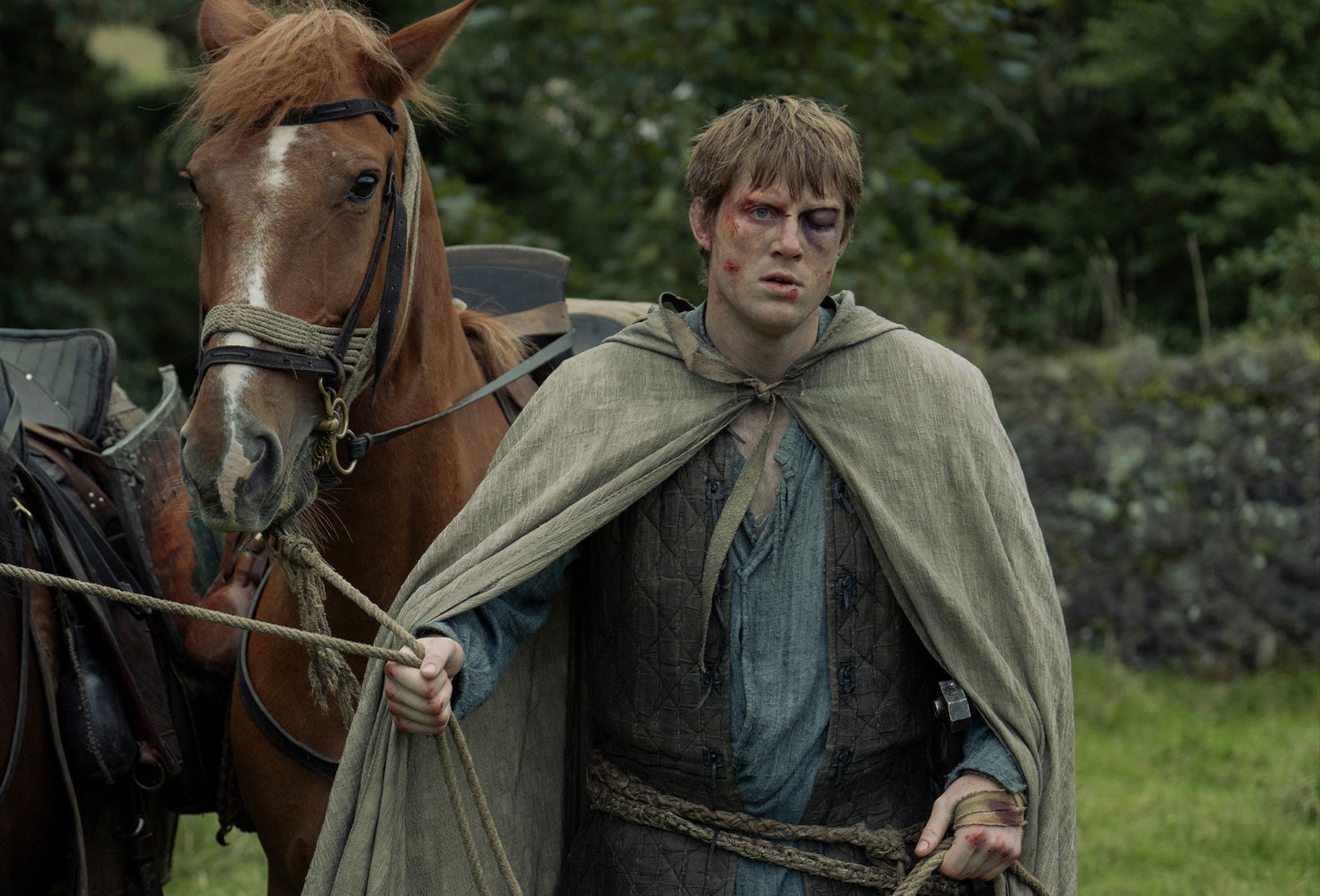
The finale picks up in the wreckage of the Trial of Seven, and the mood is grief, not triumph. Dunk (Peter Claffey) is injured and hollowed out, unable to stop turning over his role in the death of Prince Baelor Breakspear (Bertie Carvel), the noble heir who championed him and paid for it with his life. It’s a heavy thing to hang on a big, good-hearted hedge knight, and Claffey plays the guilt like a weight he can’t set down. Meanwhile Prince Maekar, whose own blow killed his brother Baelor, tries to distance himself from the tragedy, the Targaryen instinct for denial already curdling.
The emotional core, though, is the question of Egg. Maekar asks Dunk to take the boy back on as his squire, this time under the protection of the crown, a safer, more comfortable path than tramping the countryside with a broke, injured knight. And Dunk refuses. He’s sick of Targaryens, sick of their games, horrified by what proximity to their power has already cost him. It’s only after a conversation with Prince Daeron, who speaks with unsettling honesty about the madness that runs in his family, that Dunk reconsiders. The implication is quietly devastating: a childhood spent under Dunk’s decency might be the one thing that spares Egg the fate that curses so many Targaryens.
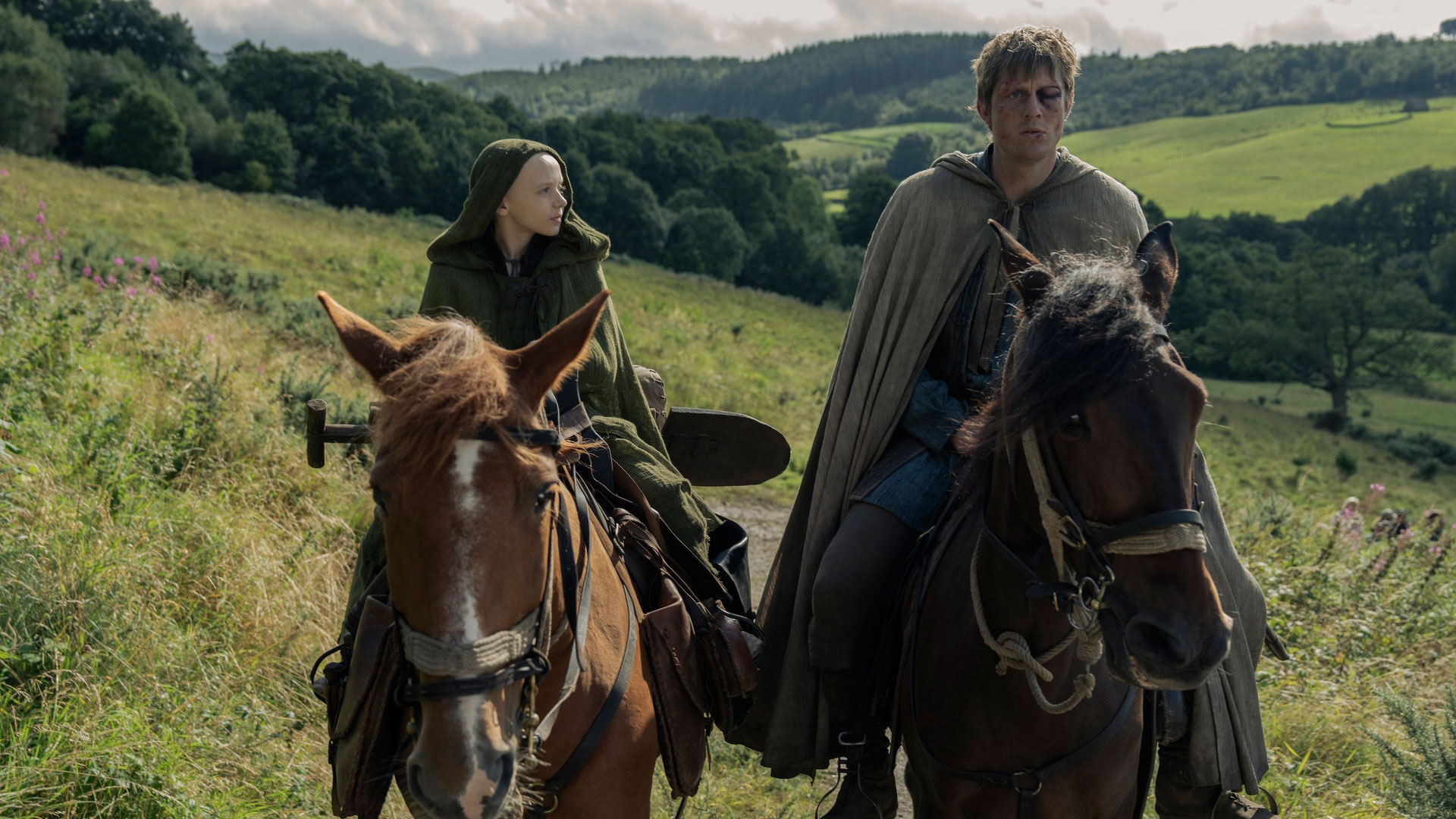
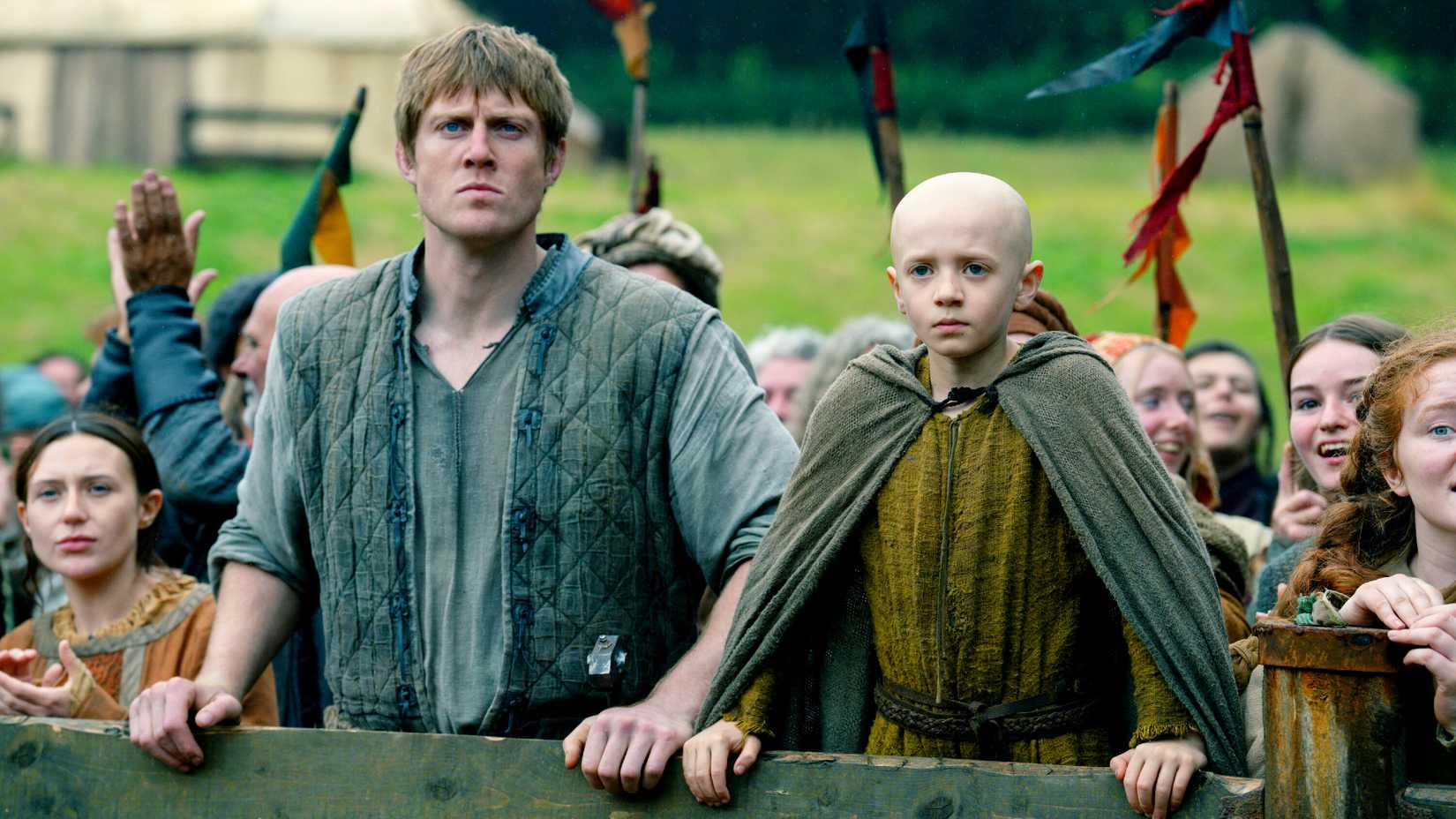
That’s the note the season goes out on, and it’s a beautiful one. Egg, we know, grows up to become King Aegon V, one of the more beloved rulers in Westerosi history, and the finale plants the seed of why. It wasn’t crowns or dragons that shaped him. It was a poor, principled knight who chose to keep him close and teach him how to be good. In a franchise built on the corrupting pull of power, a story about a man deliberately steering a boy away from it is almost radical.
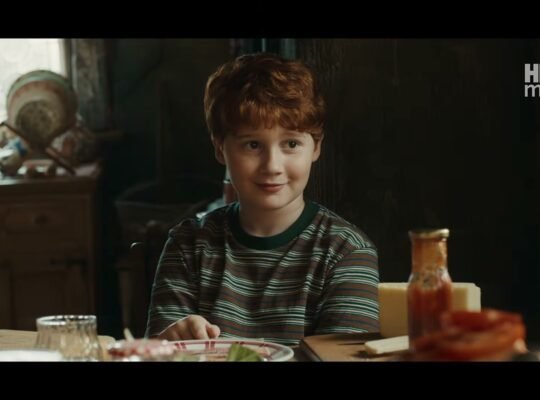
What makes “A Knight of the Seven Kingdoms” work is exactly this smaller scale. It doesn’t need shock deaths or dragon-fire to hold you: the stakes are moral rather than martial, and the tension comes from watching decent people navigate an indecent world. Claffey and young Dexter Sol Ansell, as Egg, have an easy, lived-in chemistry that carries the whole thing, a mismatched-buddy warmth that gives the bleakness of Westeros a heartbeat. It’s proof the “Game of Thrones” universe can do intimate as well as epic.
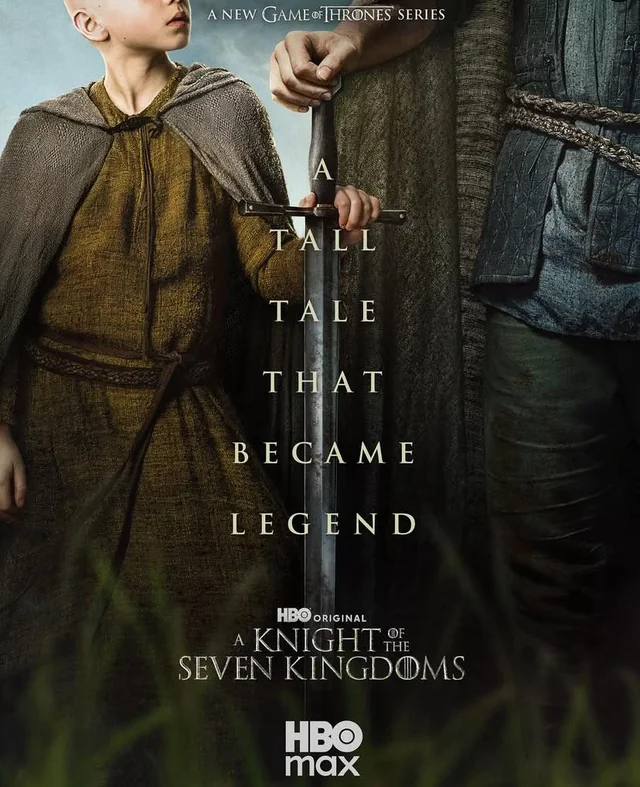
The good news for anyone hooked is that this isn’t goodbye. HBO renewed the series for a second season back in November, well before the finale aired, and Dunk and Egg’s story is far from over. Martin wrote several of these tales, and the show has plenty of road left to travel. Season 2 is set to arrive in 2027, which means the wait is real, but the destination is worth it.
For a franchise that’s spent years chasing the shock of its parent show, “A Knight of the Seven Kingdoms” found a smarter path, get smaller, get warmer, and trust that a good story about good people can hold a crowd raised on carnage. The first season stuck the landing on that bet. Dunk and Egg ride on, and I, for one, am happy to follow them wherever the road goes next.
What Do You Think? Does the gentler, small-scale approach of “A Knight of the Seven Kingdoms” make it a refreshing change of pace, or do you miss the shock-and-awe scale of “Game of Thrones” and “House of the Dragon”? Knowing where Egg ends up, how much should Season 2 lean into foreshadowing his future as King Aegon V, and does that knowledge deepen the story or spoil the suspense? Which of George R.R. Martin’s other Dunk and Egg tales are you most hoping the show adapts next, and how long can this road story sustain itself?
Catch up properly: every Game of Thrones episode, prequel and book in chronological order on our Timeline Hub’s Game of Thrones timeline.
See you on the next binge!