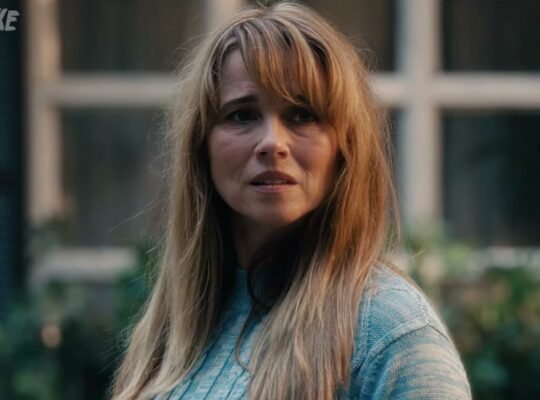
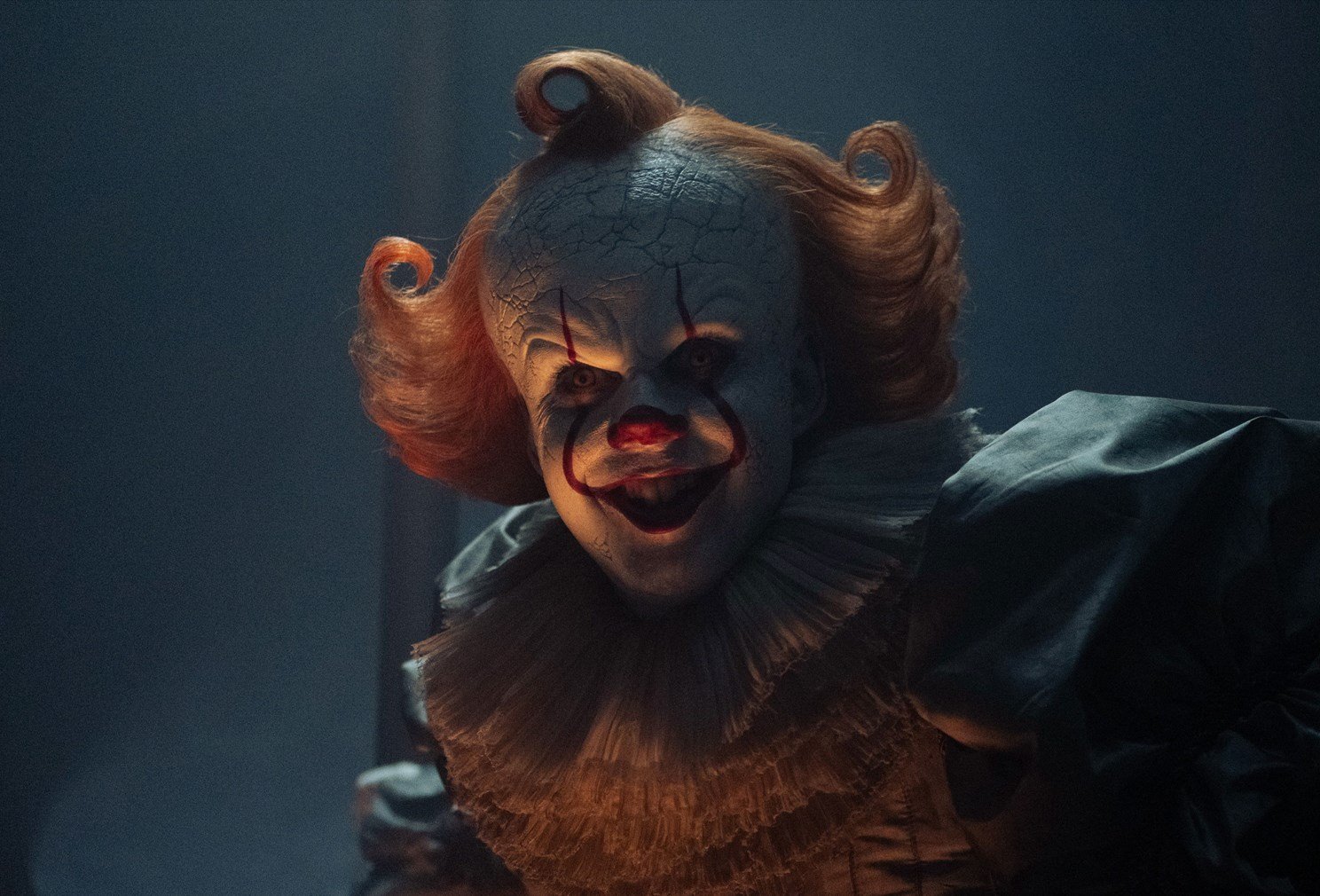
Eight months after the first season ended, HBO has finally said yes. “It: Welcome to Derry” is coming back for a second season, and the announcement arrived on Monday with the least elaborate teaser the network has ever produced: HBO Max posted the number 1935 on X, and that was the entire campaign. It works, because if you have read the book you already know what happens in Derry in the middle of the Great Depression, and if you have not, you have just been handed the one detail that matters.
What is strange is how long it took to get here, because this was not a show anybody had to think hard about. The first season pulled 5.7 million viewers in three days and finished as one of the four biggest series premieres in HBO Max’s global history, then landed at 80 percent with critics and 82 percent with audiences. Shows get renewed on a fraction of that. Warning beyond this point there are spoilers for the first season of “It: Welcome to Derry” and the shape of what season 2 is going to cover.
HBO Max posted the number 1935 on X, and that was the entire campaign.”
The answer, and HBO said it out loud months ago, is that nobody was waiting on the numbers. Casey Bloys addressed the delay back in January and put it entirely on the creative side: “I would happily do it. They need to land on something they’re excited by creatively.” That is a network boss telling you the renewal was never in doubt and the pitch was. Given that season 2 is a period jump to a completely different decade with a completely different cast of victims, that reads as honest rather than evasive. This is not a show that can simply order more episodes of the same thing.
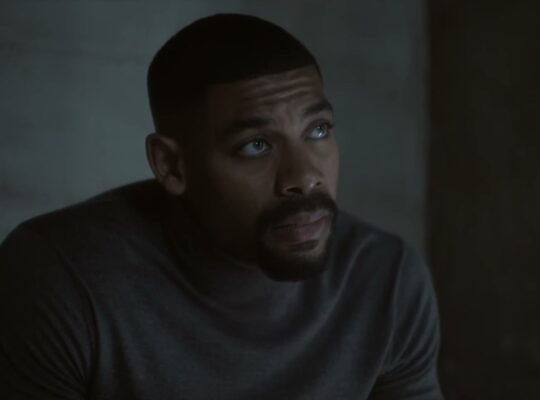
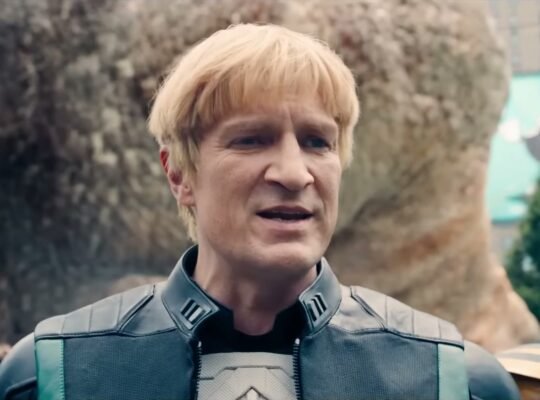
Season 1 ran eight episodes between October 26 and December 14 last year, and it was set in 1962, twenty-seven years before the summer the Losers Club finally went into the sewers. That is the whole architecture of Stephen King’s novel: the thing under the town wakes roughly every twenty-seven years, feeds, and goes back to sleep, and Mike Hanlon’s research chapters are a catalogue of what it did on each of those visits. The show built its first season around the Hanlons, with Taylour Paige as Charlotte and Jovan Adepo as Leroy, and around a military presence in town that had its own reasons for being interested in what lives under Derry. Bill Skarsgard’s Pennywise was rationed carefully throughout, which is the correct instinct and the hardest one to hold.
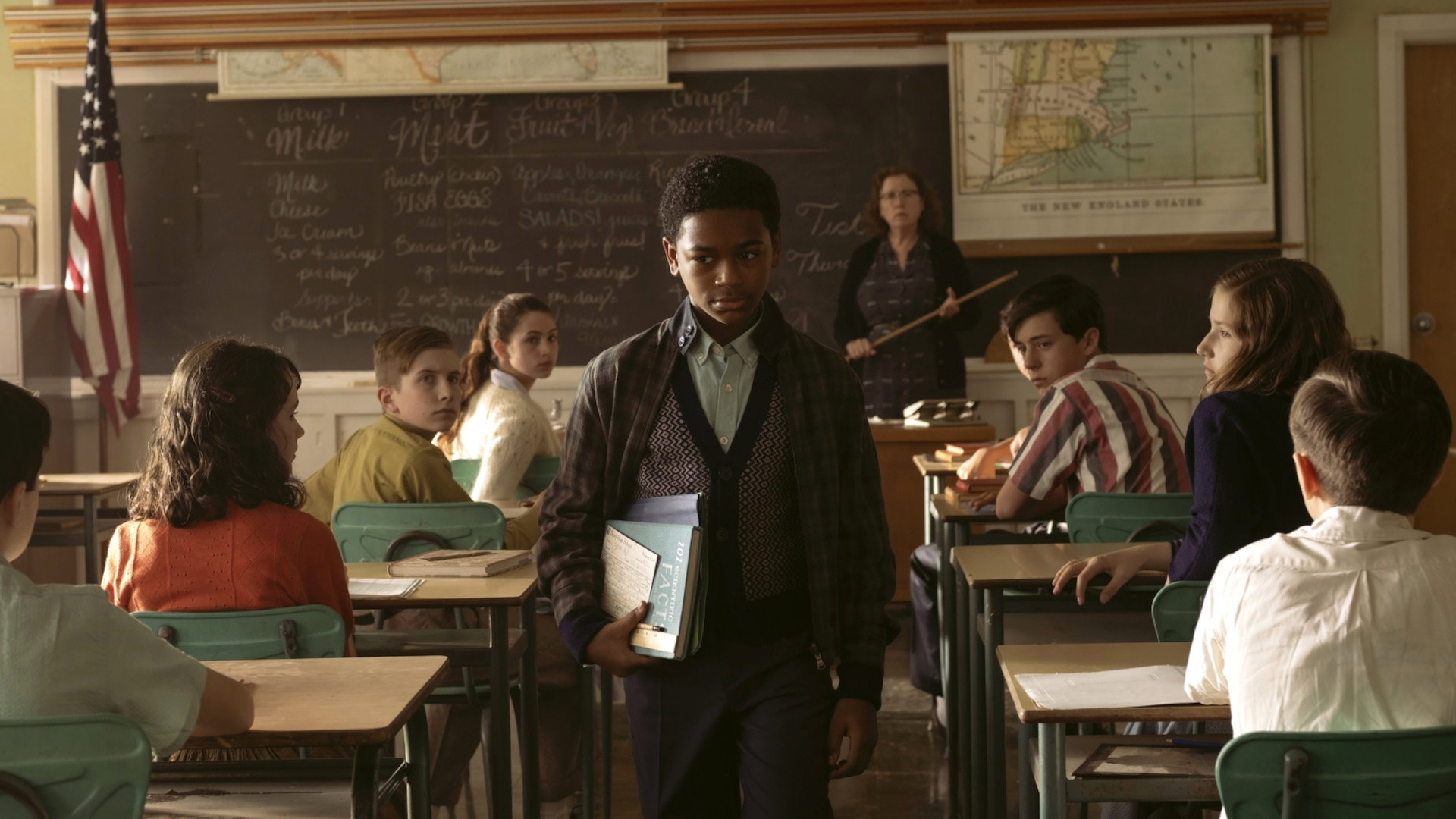
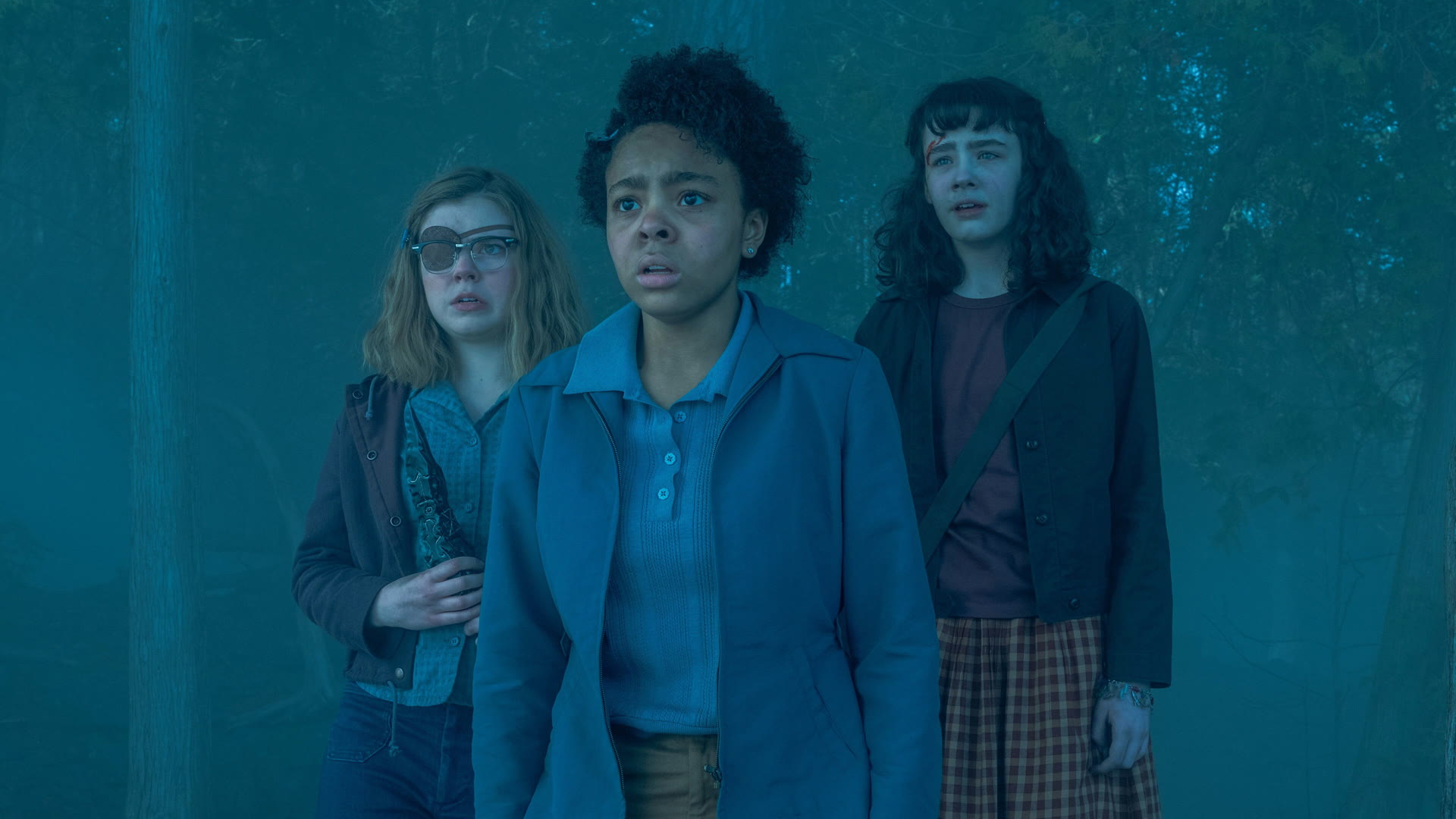
Season 2 goes back another twenty-seven years, and it takes one of the book’s nastiest footnotes with it. The Bradley Gang were bank robbers who stopped in Derry to buy ammunition and were slaughtered in the street by townspeople who had apparently all decided at the same moment to pick up a gun. In the novel it is one of the clearest demonstrations that Pennywise does not just eat children, it works the adults too, turning an ordinary main street into something that will commit a massacre in broad daylight and then genuinely not remember doing it. HBO’s official line describes bank robbers who “end up facing unimaginable horror,” which undersells it. The horror in that story is the neighbours.
Setting that in 1935 also drags the Depression into it, and Andy Muschietti has said the era is going to sit at the centre of the season rather than function as set dressing. That is the smart read. A town where everyone is broke, frightened and looking for someone to blame is a town that barely needs a monster to talk it into anything, and King’s Derry has always been a place where the supernatural evil and the ordinary human evil are difficult to tell apart on purpose. If season 1 was about institutional secrecy, season 2 looks like it is about mob logic.
There is one real change behind the camera and it is worth flagging. Brad Caleb Kane is now sole showrunner. He co-ran season 1 with Jason Fuchs, who co-created the series alongside Andy and Barbara Muschietti, and Fuchs is not returning. The Muschiettis stay on as executive producers. Sarah Aubrey, who heads original programming at HBO Max, framed it as continuity rather than a shake-up: “Together with Brad Caleb Kane, they will break new ground in Season 2, deepening the terror, the mystery, and the unforgettable Pennywise lore.” The Muschiettis called the chance to keep expanding King’s world “an absolute privilege.” Nobody is saying anything uncomfortable, which is normal, and losing a co-creator between seasons is still a thing to keep an eye on.
The bigger picture is that this was always designed as three seasons, aligned to three of the catastrophes in King’s interludes, with the Bradley Gang as one of them. That means the show has a shape and an ending rather than an open-ended license to keep finding new decades, which puts it in a much smaller category than most streaming horror. It also means season 3 is already spoken for in outline, and anyone who knows the book can make a decent guess at which disaster it lands on. No premiere date has been set, and 2027 is the realistic window given the period build required.
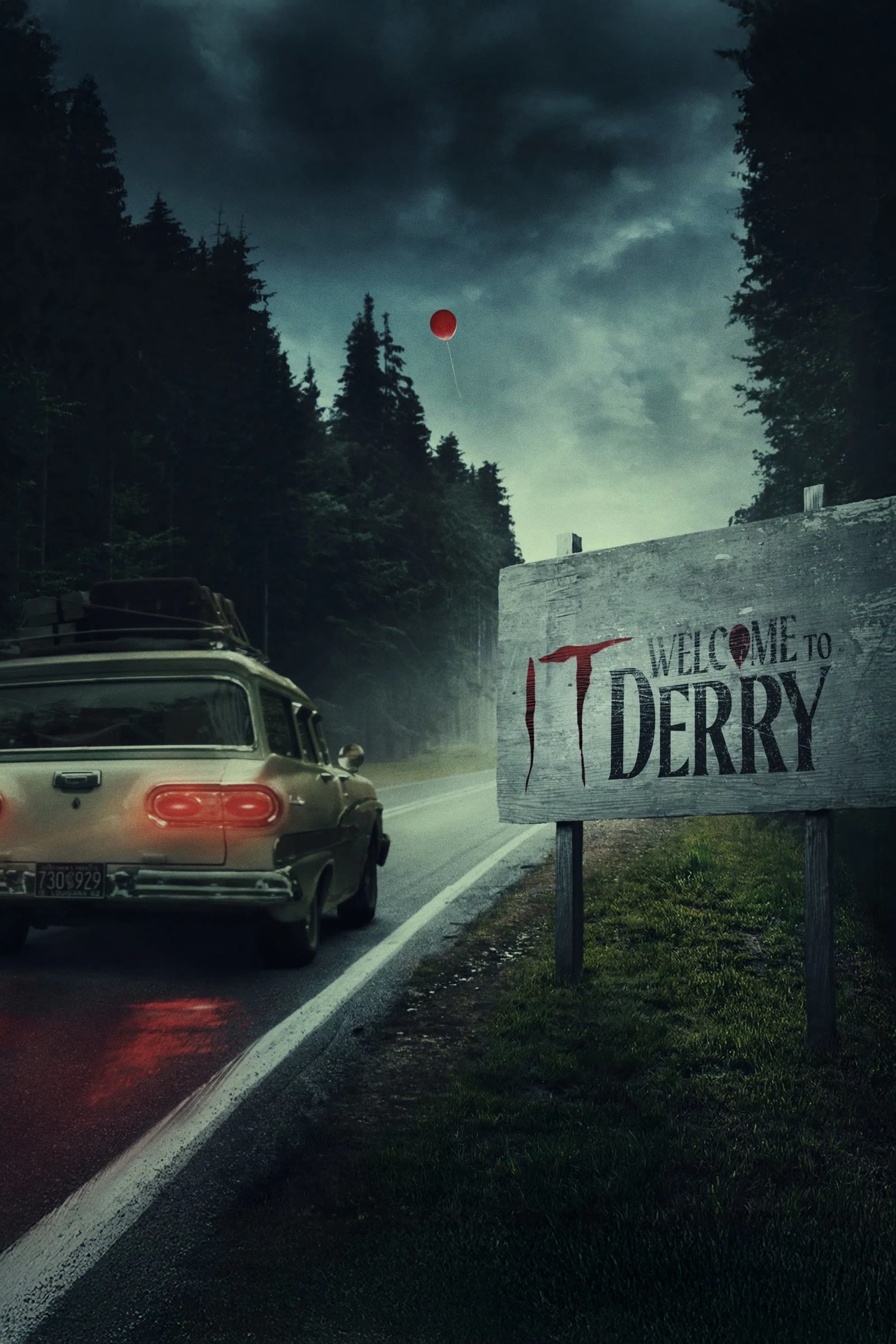
Context matters here too, because King adaptations are currently having the best run they have had since the eighties and most of them are not this disciplined. “The Long Walk” and “The Running Man” both reached screens in 2025, “The Institute” broke out on MGM+ and is coming back, and Mike Flanagan has an eight-episode “Carrie” limited series in the can for Prime Video. That is a crowded field, and the usual failure mode is a one-and-done adaptation that burns its book and leaves. Derry is the only one of them with a three-act plan and a monster that is contractually obliged to come back. That is a structural advantage, and it is also a rope to hang yourself with if season 2 does not land.
The thing we keep coming back to is how well this format suits the source. Nobody has ever managed a satisfying full adaptation of “It” because the novel is two timelines, a dozen protagonists and about four hundred pages of town history that the films had to throw overboard. A prequel series that adapts the history instead of the plot is the version that can actually fit, and it gets to be a different genre every season while keeping the same monster. Season 1 proved the audience is there. Season 2 has to prove the format travels.
What Do You Think? Is the Bradley Gang massacre the right pick for season 2, or is there a nastier interlude in the novel that HBO is saving for the finale season? Does losing co-creator Jason Fuchs between seasons worry you, given how much of season 1’s restraint came down to tone? And is the twenty-seven-year structure the thing that finally cracks “It” as a television show, or does it start to feel like a formula by season 3?
See you on the next binge!