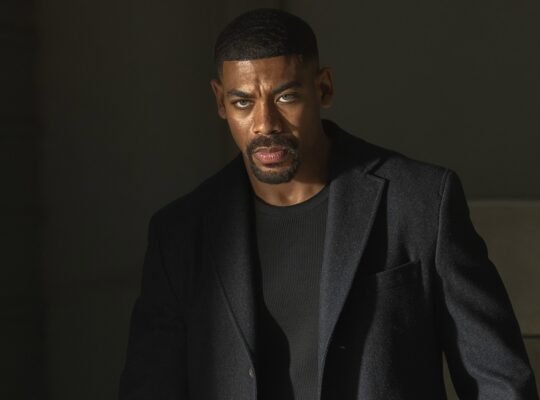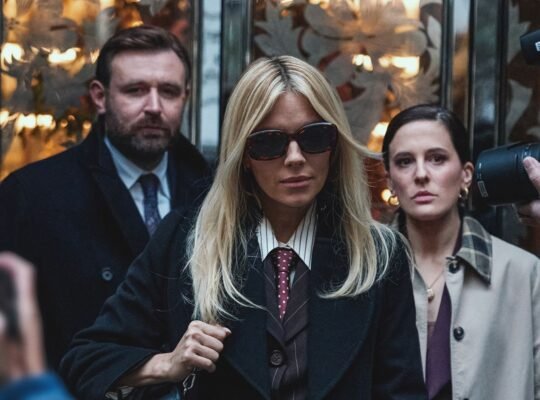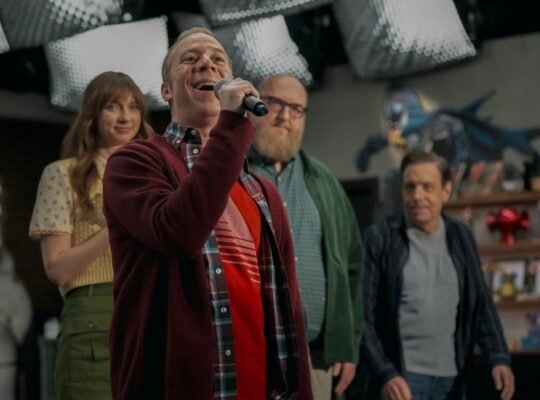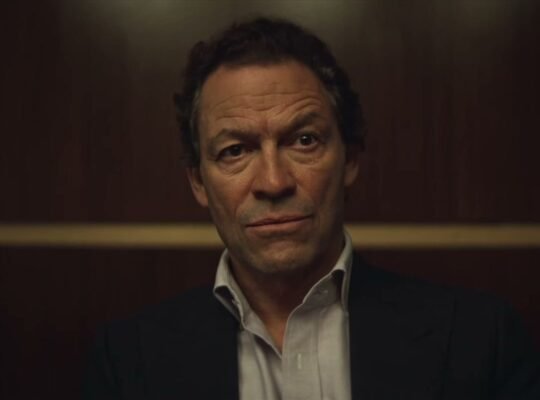
Westeros has spent the better part of a decade drowning us in dragonfire, severed heads, and family dinners that end in massacres. So it is a genuine surprise, and a welcome one, that the newest trip back to the Seven Kingdoms is the gentlest thing this franchise has ever put on screen. “A Knight of the Seven Kingdoms” premiered on HBO and HBO Max this weekend, and instead of another grinding war for the Iron Throne, it hands us a broke hedge knight, a bald little squire with a secret, and a muddy road lined with tourneys and small mercies. After the scorched-earth spectacle of “House of the Dragon”, this feels like the franchise finally letting out a long breath.
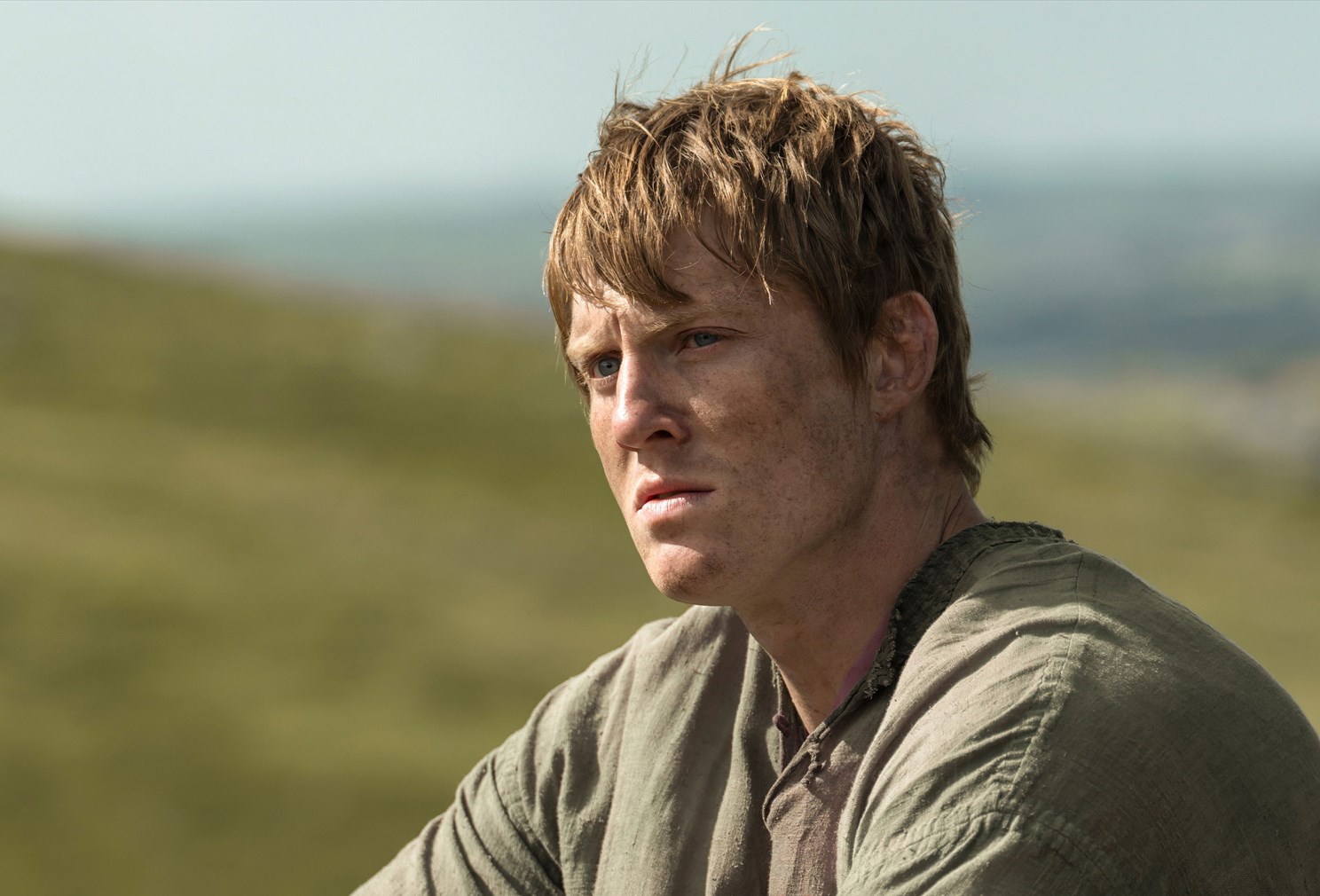
The show pulls from George R.R. Martin’s “Tales of Dunk and Egg” novellas, starting with “The Hedge Knight”, and it drops us roughly ninety years before everything we know from the original series. There are no White Walkers on the horizon and no Mad King on the throne yet, just a lowborn wanderer named Ser Duncan the Tall (Peter Claffey) who buries his knightly master, borrows the dead man’s armor, and decides to pass himself off as a tourney knight. He falls in with a stubborn bald boy who calls himself Egg (Dexter Sol Ansell), and anyone who has read a single page of Martin knows this scrappy kid is not who he pretends to be. Showrunner Ira Parker, working alongside Martin himself, built a six-episode first season that landed a second-season renewal before a single episode even aired, which tells you HBO knew exactly what it was holding. Warning beyond this point there are spoilers for “A Knight of the Seven Kingdoms” and the Dunk and Egg corner of the Game of Thrones universe.
There are no White Walkers on the horizon and no Mad King on the throne yet, just a lowborn wanderer who buries his knightly master, borrows the dead man’s armor, and decides to pass himself off as a tourney knight.”
The quiet genius of this pivot is that it strips away the thing “Game of Thrones” fans always claimed they wanted, then proves they never actually needed it. There is no Iron Throne to chase, no dozen warring factions to track on a wiki, no incest chart to memorize. It is two people on a horse, and it turns out that is more than enough. Claffey plays Dunk as a big, earnest, occasionally slow-witted slab of pure decency, a man whose entire moral code would fit on the back of a napkin and who keeps stumbling into danger precisely because he refuses to look away from cruelty. Ansell’s Egg is the sharper half of the pairing, a boy raised close enough to power to be dangerous and still young enough to believe that knights are supposed to mean something. The chemistry between the two carries the entire show, and it clicks in the very first hour.
Critics have already lined up behind it, and for once the consensus matches our own gut reaction. The reviews landed north of ninety percent, with the general verdict being that this is a welcome return to Westeros that works best when it leans into its buddy-comedy rhythm. That is exactly the read. The banter between the mismatched pair, the odd-couple bickering, the shaggy road-trip structure of tourney to tourney, all of it gives the series a warmth the franchise has rarely allowed itself. And yet it never forgets where it lives. The Ashford tourney still runs on brutal class hierarchy, a hedge knight can still be crippled or killed for insulting the wrong lord, and the long shadow of Targaryen succession squabbles hangs over every friendly campfire. The stakes are smaller, but the world is every bit as sharp-edged.
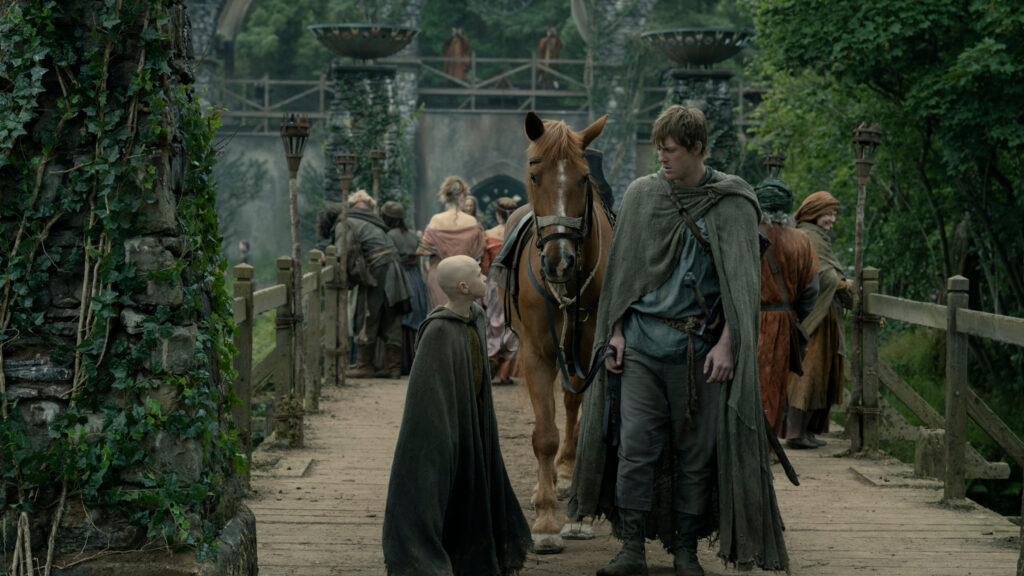
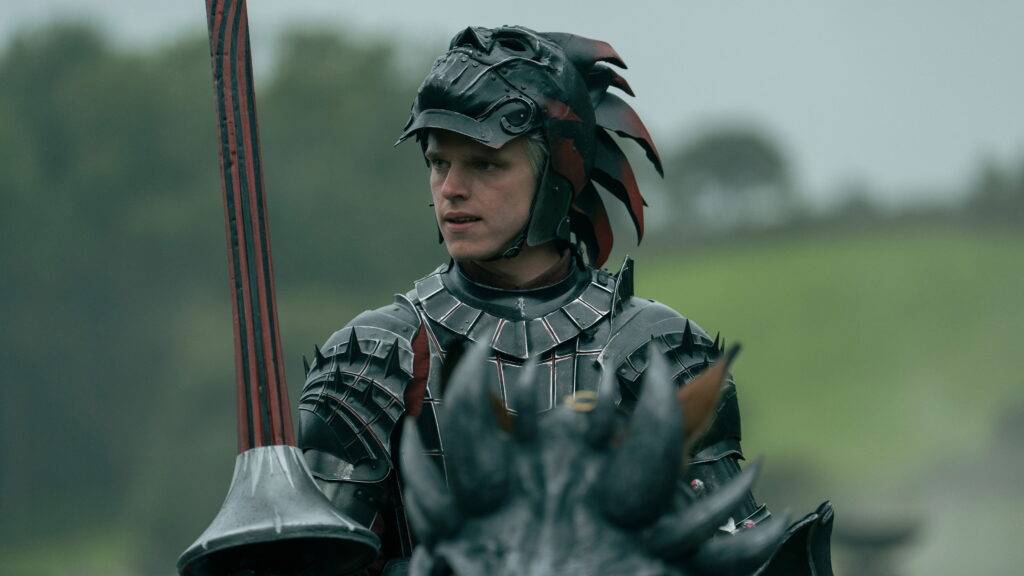
The series also refuses to milk its central mystery, which we appreciated more than we expected to. Egg is not a puzzle box to be teased for a season. He is Aegon Targaryen, a prince playing at being a servant, and once Dunk grasps the truth of who he is dragging around the countryside, the whole dynamic tightens into something richer. A commoner and a hidden prince, learning what honor actually costs in a kingdom that punishes it. There is a real ache underneath the comedy, because we already know the road this bloodline eventually walks down. Watching a decent boy dream about being a good king, when the audience carries the full weight of Targaryen history, gives the sweetness a bitter edge that Martin has always been better at than anyone.
Strategically, this is HBO playing the long game with its most valuable property, and playing it well. “House of the Dragon” is the fire and the spectacle, the ratings monster built on dragons burning fleets. This is the heart, the small-scale character piece that proves the universe can breathe outside of civil war. The obvious risk is that a chunk of the blood-hungry audience that showed up for shock and slaughter may bounce off something this tender, and we would not be shocked to see a few loud voices complain that nothing “happens.” But the early reviews and that pre-emptive renewal suggest HBO is betting the warmth will win people over, and on the evidence of the premiere, that looks like a smart bet.
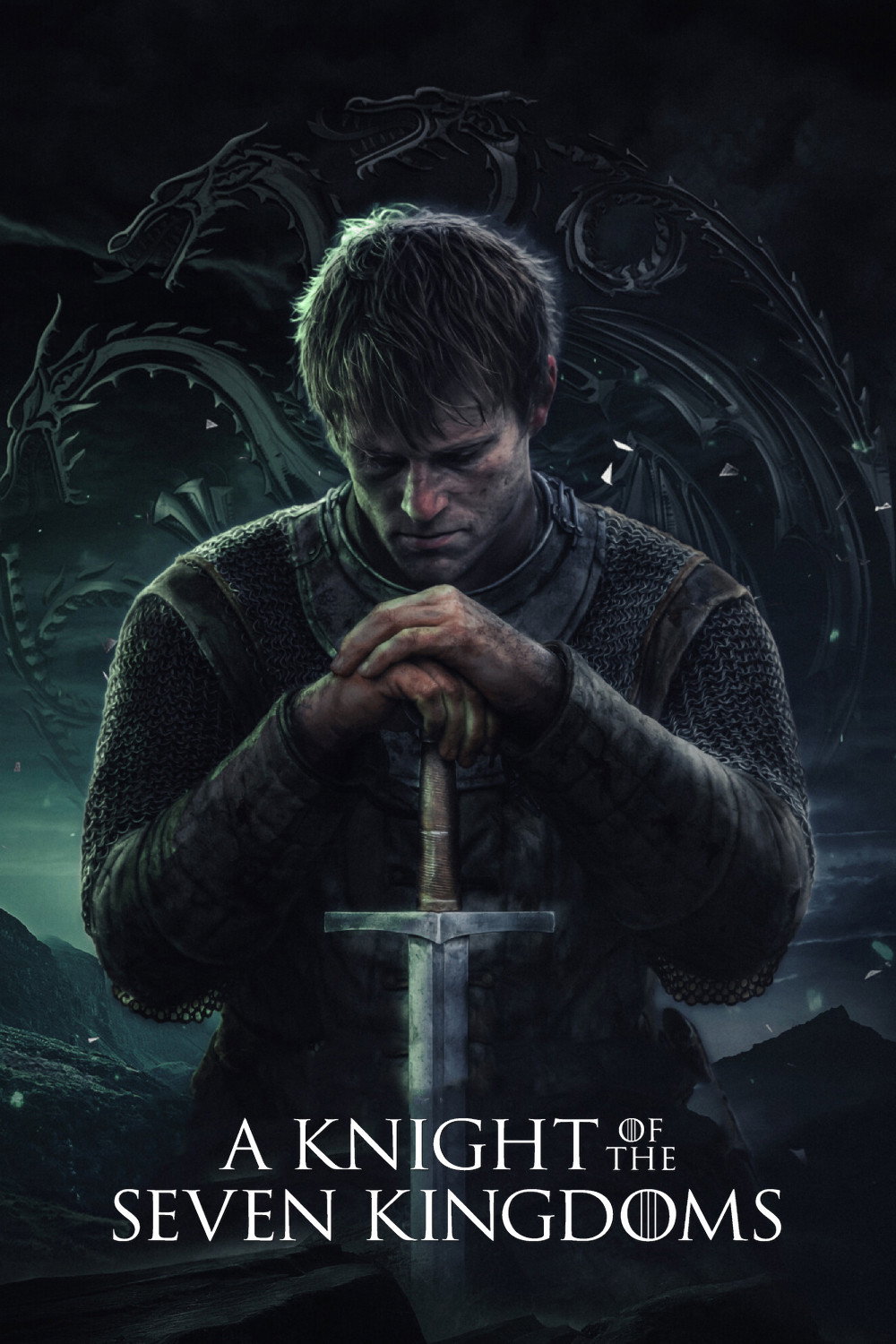
What lingers after these opening episodes is how confident the whole thing feels. There is no desperation here, no franchise flop-sweat, no sense that the show is straining to recapture the old highs. It simply tells a small human story inside an enormous mythology and trusts that to be enough. In a television landscape stuffed with bloated universe-building and cliffhanger addiction, a series brave enough to be gentle is its own kind of rebellion. Dunk and Egg have a long, tragic history still ahead of them in the books, and if this premiere is any indication, HBO has finally found the softer, sadder heartbeat that beats underneath all that fire and blood.
What do you think? Do you believe a slower, kinder Westeros story can hold the attention of an audience that was trained for years to expect a shocking death every other episode? How dark are you expecting this series to eventually go, knowing the tragic fate that history has written for both Dunk and his little prince? And is the buddy-comedy approach the smartest possible way to keep this sprawling universe fresh, or does it risk feeling too small next to the dragons next door?
Catch up properly: every Game of Thrones episode, prequel and book in chronological order on our Timeline Hub’s Game of Thrones timeline.
See you on the next binge!