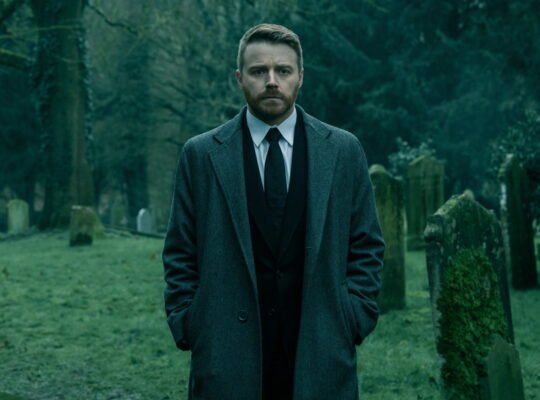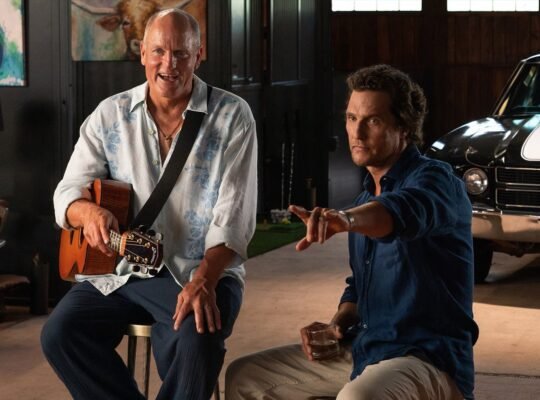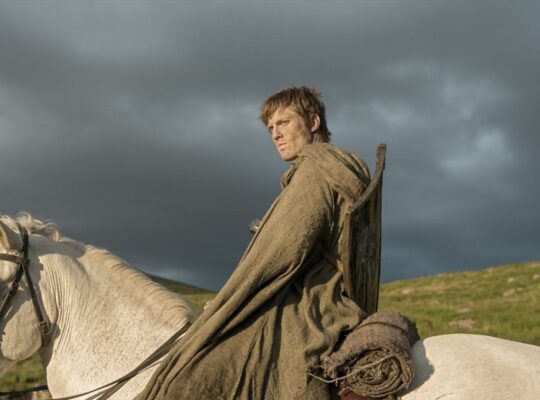

Matthew Rhys walked up to collect an Emmy on Monday night, sat back down, and then had to get up and do it again. He won Lead Actor in a Comedy Series for Apple TV’s “Widow’s Bay,” a horror comedy, and Lead Actor in a Limited Series for “The Beast in Me,” and in the entire history of the ceremony, nobody had ever taken two lead acting Emmys on the same night. It also closed something larger, because Rhys already held the drama prize for “The Americans,” which makes him the first man to win lead acting Emmys in all three categories.
Only one performer had ever assembled that set, and it took her twenty-two years. Barbara Stanwyck won all three lead actress categories between 1961 and 1983. Rhys closed the same circle and did the final two legs of it inside a single evening, which is the sort of statistic that sounds invented until you check it twice. Warning beyond this point there are spoilers for the full results of the 78th Emmy Awards, including who swept, who was shut out, and which heavily favoured shows went home with far less than expected.
Matthew Rhys walked up to collect an Emmy on Monday night, sat back down, and then had to get up and do it again.”
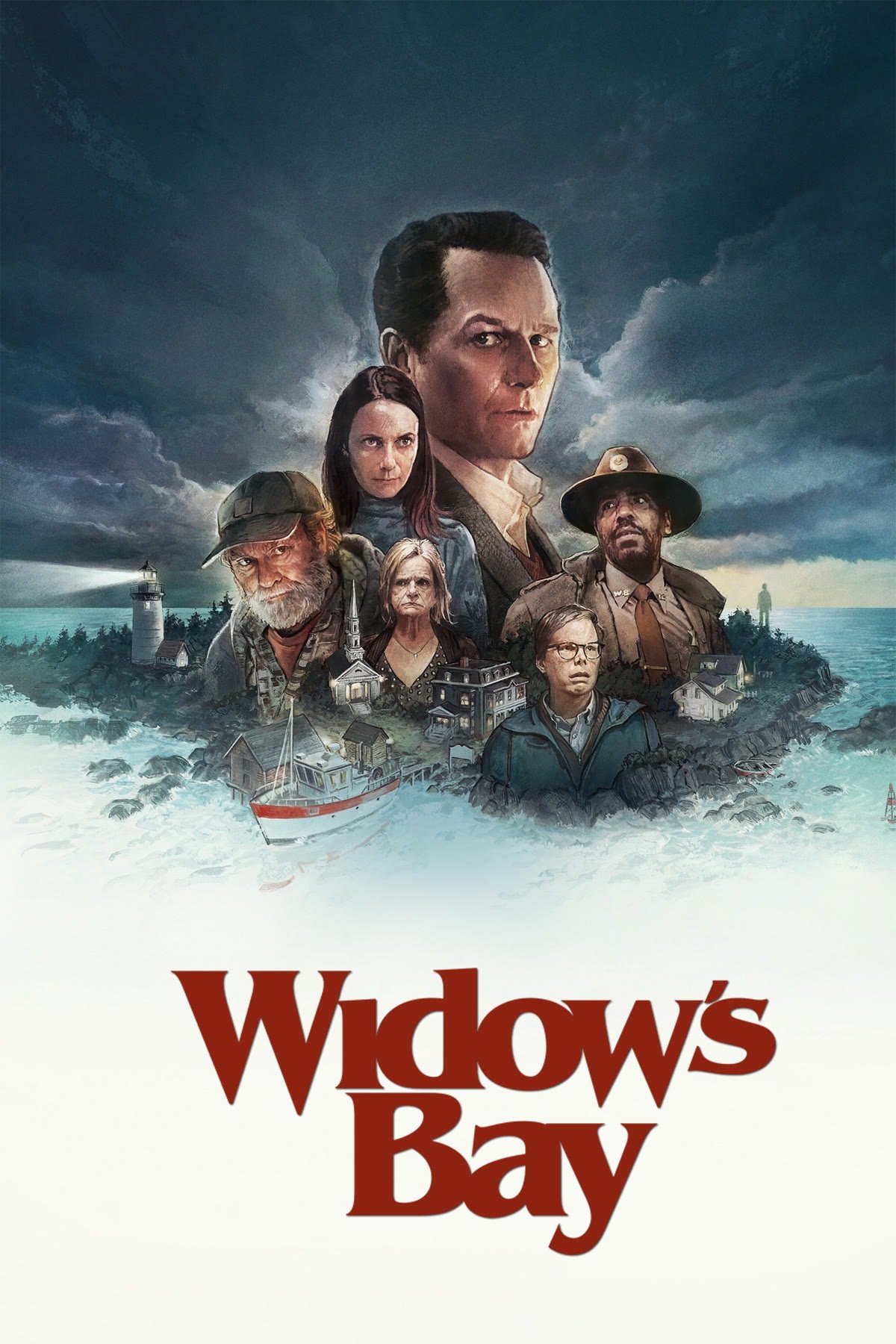
The bigger story is the show he won the comedy prize for. “Widow’s Bay” went in with nineteen nominations, and came out with fourteen, which is a single-season record for a comedy series, and it took Outstanding Comedy Series, along with every comedy category it was nominated in except Lead Actress. That is not simply a good night for a new show. It is a consolidation, the thing that happens when a voting body decides collectively that it has found what it wants to reward and stops dividing its attention.
Which is where the losses begin, because a sweep on that scale is only arithmetically possible if somebody else goes home light. “Hacks” arrived with twenty-four nominations, a record for the category, in what was its farewell season, and it converted them into two wins. A show gets one final year, the Academy nominates it more times than it has ever nominated a comedy, and then hands almost all of it to the newcomer sitting in the same room, which is a very particular way to say goodbye to something.
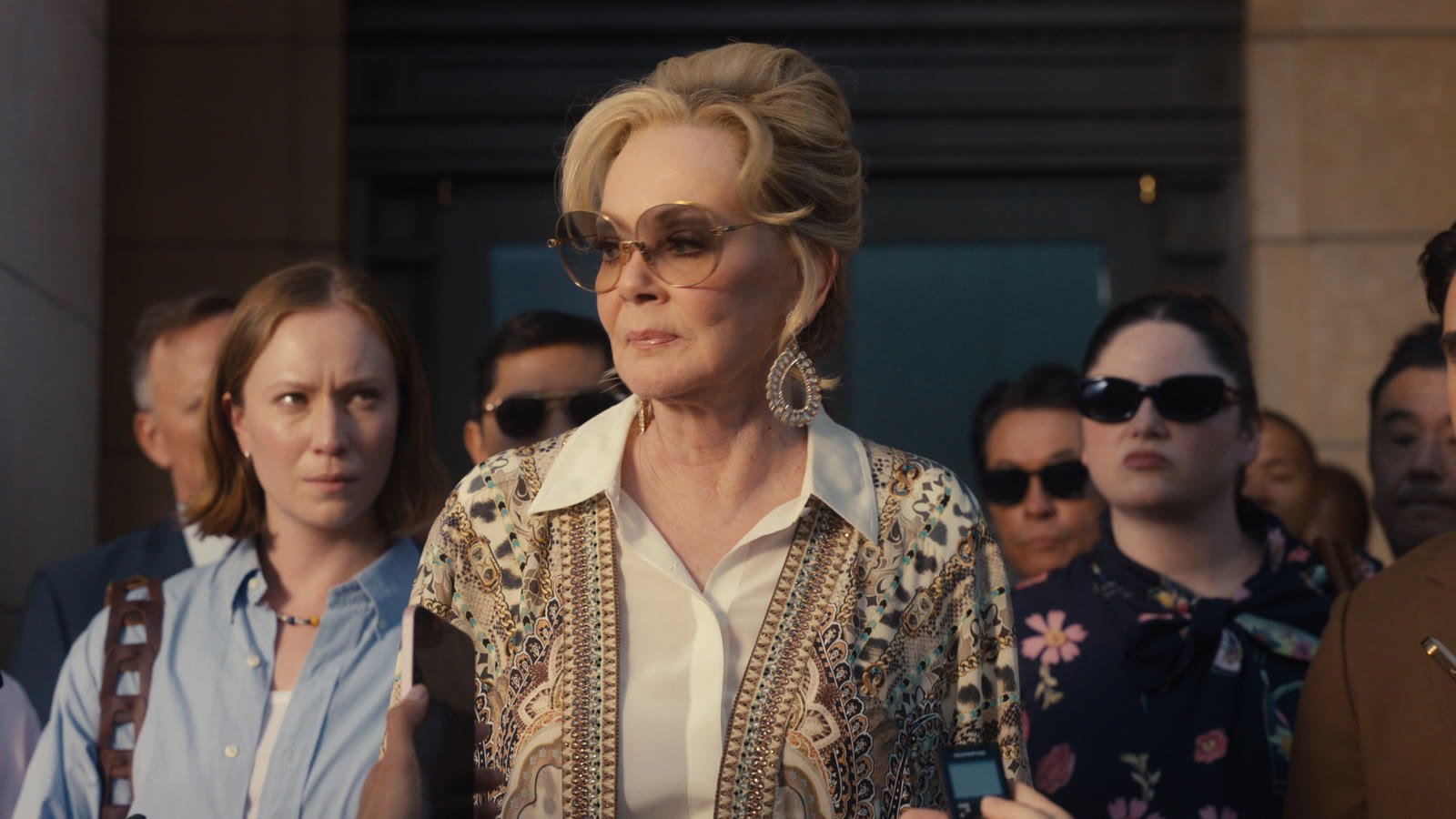

Except that one of those two wins is the most remarkable individual result of the night, so calling it a shutout would be lazy. Jean Smart won Outstanding Lead Actress in a Comedy Series for “Hacks,” and in doing so became the first female performer ever to win television’s top acting honour for every single season of a series. All five seasons, five nominations, five wins. It takes her to eight Emmys overall, level with Julia Louis-Dreyfus and Cloris Leachman for the most ever won by an actress, and she was inducted into the Television Academy Hall of Fame this year as well, which means the Academy spent one evening both crowning a newcomer and formally enshrining the woman it was beating.
The second shutout is the one that has no consolation attached. The second run of “Beef” did not win a single acting Emmy. Oscar Isaac, Carey Mulligan, Cailee Spaeny and Charles Melton were all nominated, and all lost, and Isaac in particular went into the limited series category as the presumed winner before Rhys took it from him, alongside Riz Ahmed, Jason Bateman and Charlie Hunnam. A first season that was buried in awards produced a second that could not turn four acting nominations into a single trophy, which is the steepest fall of the night and the one nobody had on their card.
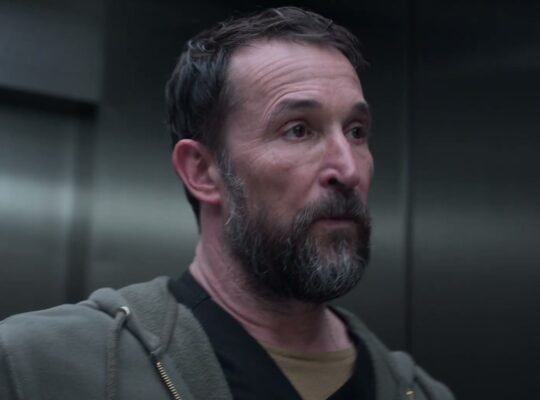
On the drama side, “The Pitt” took Outstanding Drama Series for the second consecutive year, with Noah Wyle winning Lead Actor in a Drama Series, and that is where the night produces its most interesting split. Because the directing prize did not go to the drama that won everything else. It went to “Slow Horses,” where Saul Metzstein took it for the episode “Scars,” beating Wyle and Vince Gilligan among others, and that is now three consecutive years in which “Slow Horses” has won either writing or directing.
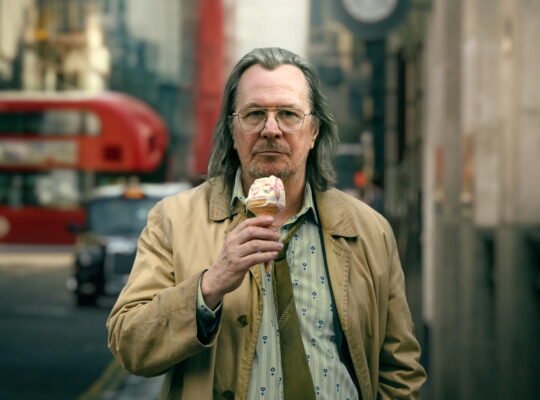
Sit with the shape of that for a second, because it is genuinely strange. The Television Academy lists twenty-three nominations and three wins for “Slow Horses,” and every one of those three is behind the camera. Gary Oldman has been nominated for Lead Actor in a Drama Series three years running, and has not won once. Jack Lowden was nominated in supporting in 2024, and lost. So voters have spent three years telling this production that its writing and its direction are among the best on television while declining to hand anything at all to the man whose face is on every poster.
Read across the whole evening and the same thing keeps showing up. Apple had the biggest night in its television history, between the “Widow’s Bay” sweep and the “Slow Horses” directing win, and it still could not get a statue into the hands of its most famous dramatic actor. The Academy rewarded the room and not the star, repeatedly, and that is the clearest pattern in the results.
The field Metzstein beat is worth listing, because it makes the result harder to dismiss as a split vote. He was up against Vince Gilligan for “Pluribus,” Noah Wyle for “The Pitt,” Salli Richardson-Whitfield for “The Gilded Age” and Hanelle M. Culpepper for “Paradise.” Gilligan arrived this year carrying the goodwill of two of the most admired dramas of the century, and Wyle was directing the show that went on to win the top drama prize that same evening. The Academy looked at that list and handed the directing Emmy to a British spy series about civil servants filling in forms.
Elsewhere the losses were quieter. Harrison Ford lost. “A Knight of the Seven Kingdoms,” which arrived carrying a great deal of goodwill from an audience that has been waiting years for a Westeros show to be good again, went largely unrecognised. Tom Pelphrey, Allison Janney and Sally Field all won, which are the kind of results that get called surprises on the night, and then look inevitable a week later once everyone has had time to build the argument backwards.
There is one more result we have been following since the start of the month and it deserves saying plainly. “Spider-Noir” won at these Emmys after being cancelled. A show can be judged a failure by the service that made it and a success by the industry that votes on it, inside the same calendar year, without either party lying. Those two organisations are measuring completely different things, one counting viewing hours against cost and the other counting craft, and the distance between them is where most of the interesting arguments about television currently live.
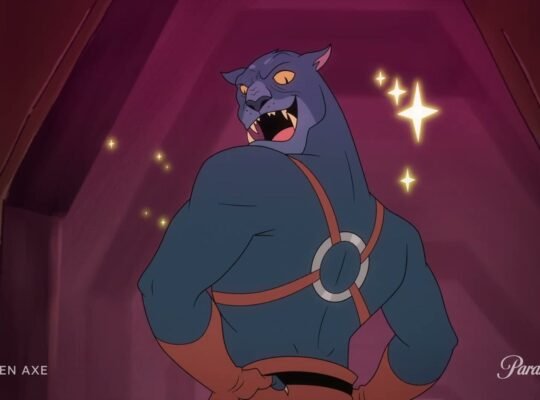
One last piece of timing, which is either a coincidence or the best joke of the week. Rhys made Emmy history on Monday night. On Wednesday morning, Paramount+ dropped all ten episodes of “Golden Axe,” an animated fantasy comedy adapted from the Sega arcade game, in which he voices Gilius Thunderhead, a dwarf. Early reviews, which are broadly positive, single him out as the best thing in it. Two days after becoming the first man to complete the lead acting trifecta, he turned up in a cartoon about a magic axe, and honestly that might be the most Matthew Rhys sequence of events imaginable.
What Do You Think? Did “Widow’s Bay” earn fourteen, or did the Academy pile onto the newest thing in the room and leave a record-breaking “Hacks” farewell with almost nothing beyond Jean Smart? Why do you think voters keep rewarding “Slow Horses” for writing and directing while refusing Gary Oldman three years running? And what does it say about streaming that “Spider-Noir” could be cancelled and win an Emmy in the same year?
See you on the next binge!