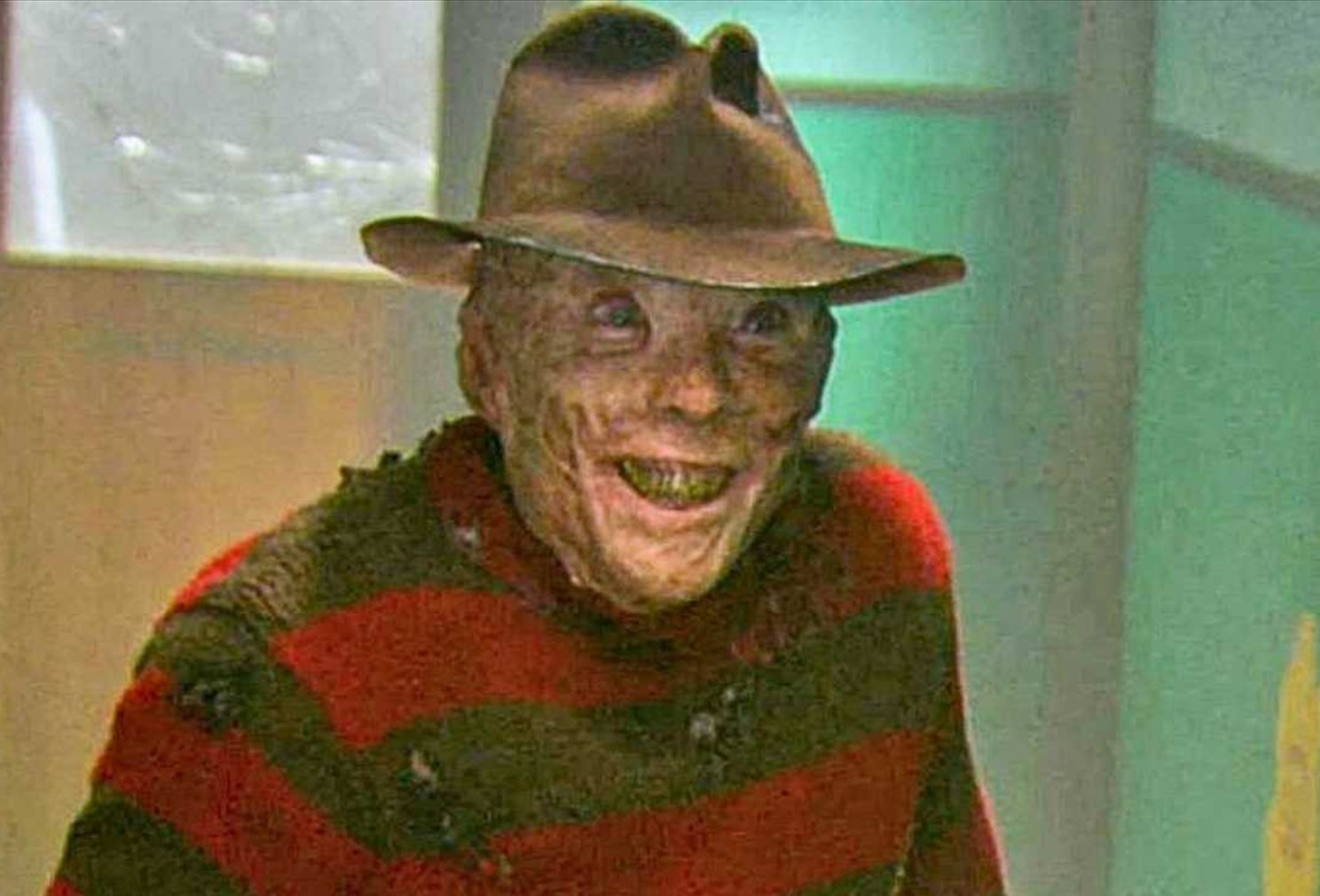
Freddy Krueger has terrorized teenagers in their dreams for four decades. The cruelest irony is that right now, he is the one who cannot wake up. Despite being one of the most iconic horror villains ever created, “A Nightmare on Elm Street” remains frozen, unable to produce a new film, and the reason is not a lack of interest. It is a tangle of rights so knotted that even the studio that built its empire on Freddy cannot simply bring him back. In an era where every slasher icon is getting revived, the dream demon is stuck in limbo, and the situation is genuinely maddening for fans.
Let us explain the trap, because it is a legal one rather than a creative one. The rights to “A Nightmare on Elm Street” reverted to the estate of the late Wes Craven, the visionary who created the franchise, back in 2019. New Line Cinema, the studio nicknamed “the house that Freddy built,” because the original 1984 film’s success essentially launched it, still retains international rights. That split ownership is a recipe for gridlock. When asked directly about a new film, the New Line president could only offer that he was hopeful, while admitting the obvious: it is complicated because of the rights. Warning: beyond this point there are spoilers for the Nightmare on Elm Street mythology and Freddy Krueger’s origins.
Freddy Krueger has terrorized teenagers in their dreams for four decades. The cruelest irony is that right now, he is the one who cannot wake up.”
That complication is why Freddy has been dormant while his peers thrive. Michael Myers got a hit trilogy. Jason is getting a prestige prequel series. Ghostface keeps coming back. Even the killer doll and the puzzle box are having revivals. But Freddy Krueger, arguably the most creative and personality-driven villain of them all, a wisecracking child murderer who kills you in your sleep, sits on the shelf, tangled in paperwork. For a character this beloved and this bankable, it is an almost comically frustrating state of affairs.
There is no shortage of creative desire to fix this, which somehow makes the stalemate worse. Filmmakers have openly campaigned to take a crack at Elm Street, most notably Mike Flanagan, the modern master of prestige horror behind acclaimed series that redefined what the genre could do on television. Flanagan has said a new “Nightmare” has been on his wish list forever, and the idea of a filmmaker with his sensibility reinventing Freddy’s dreamscape is genuinely thrilling. The talent is lined up and eager. The doors are simply locked.
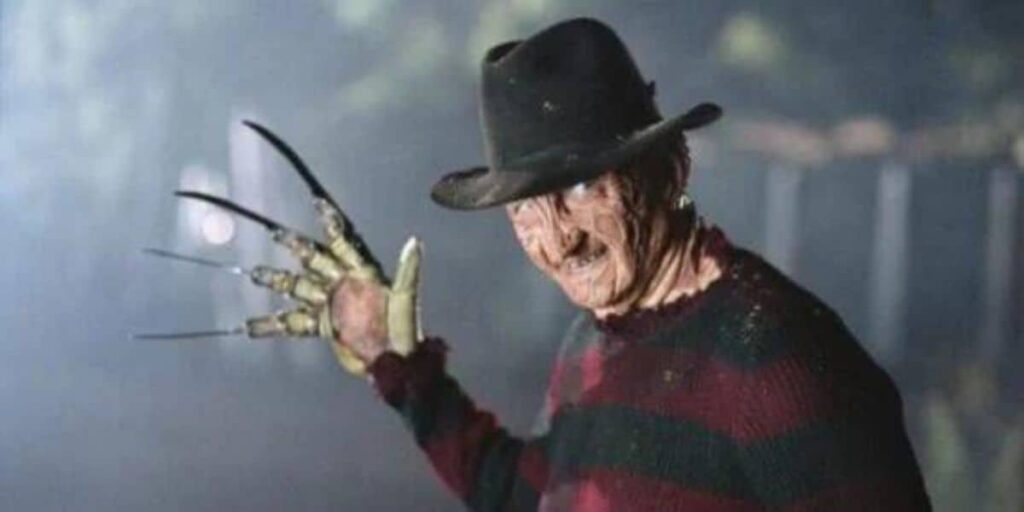
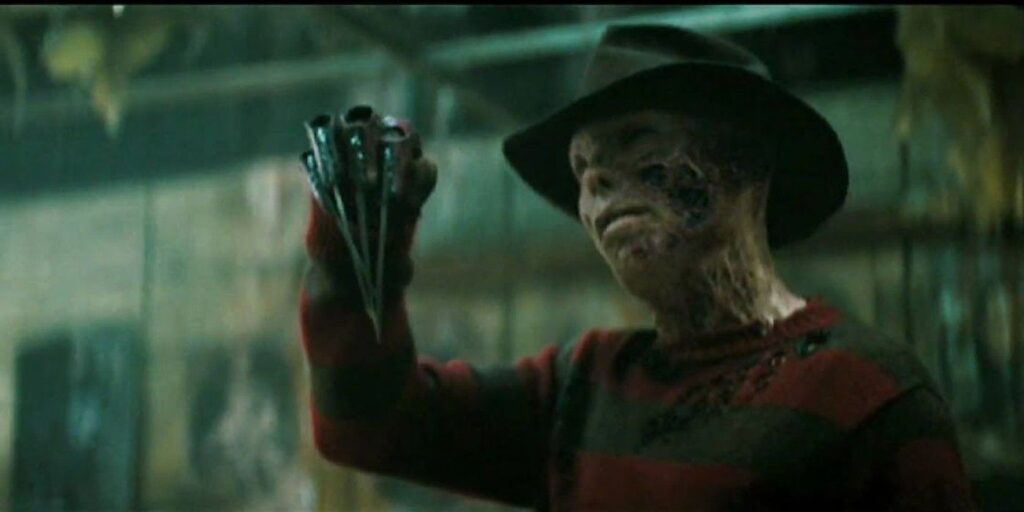
Then there is the Freddy question itself, which any revival must confront. Robert Englund defined the role across the original run, bringing a gleeful, theatrical menace that made Freddy as funny as he was frightening. But Englund has made clear those days are behind him, telling interviewers there is no Freddy left in him and that he can no longer handle the physical demands of the part. Whoever eventually inherits the striped sweater and the bladed glove will have one of the most intimidating acts in horror to follow. That casting alone would be a defining, and dangerous, choice.
This whole situation is a fascinating study in how the business side of horror can strangle the creative side. The demand is there. The directors are there. The character is timeless. And yet none of it matters until the ownership knot gets untied, a reminder that even the most immortal movie monsters are ultimately at the mercy of lawyers and contracts. Freddy can survive being burned alive and blown up, but he cannot beat a rights dispute.
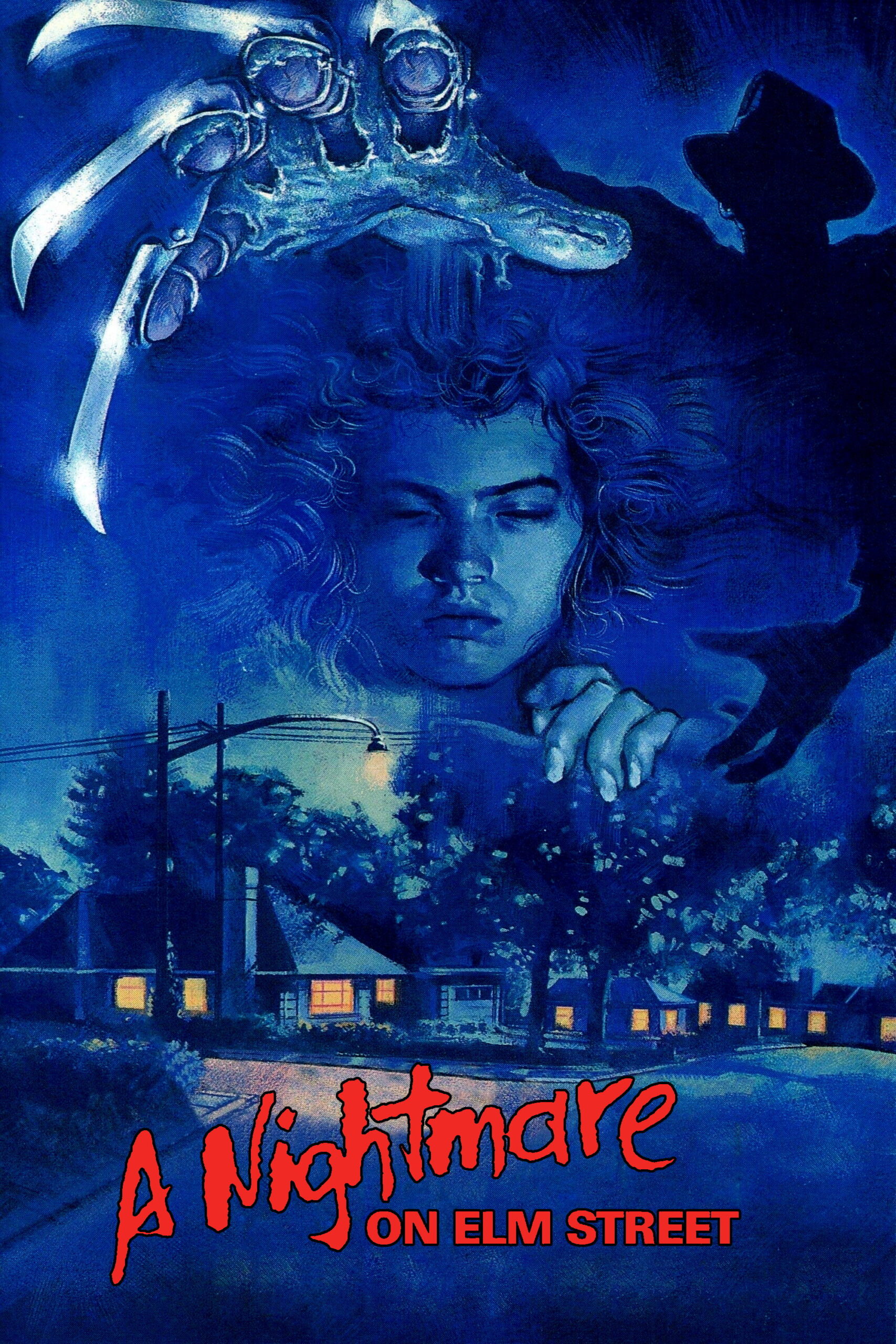
For those of us tracking “A Nightmare on Elm Street” across its inventive, dream-warping saga, the current silence is not a sign that Freddy is finished. It is a sign that his return will require the right deal before the right movie. When the rights finally sort themselves out, and someday they surely will, the appetite for a bold new take is enormous, and the filmmakers are ready to pounce. Until then, the dream demon waits, and so do we. One, two, Freddy’s coming for you, eventually. He just needs to clear legal first.
What Do You Think? Would you trust a filmmaker like Mike Flanagan to reinvent Freddy Krueger for a new generation, or is the character too tied to Robert Englund’s performance? Is it frustrating that a legal rights dispute, rather than any creative problem, is what is keeping “A Nightmare on Elm Street” dormant? And when a new film finally happens, what is the one thing a modern Freddy absolutely must keep from the original?
See you on the next binge!