
The dinosaurs are back in theaters, the tills are ringing, and the reviews still cannot quite explain why we keep showing up. “Jurassic World Rebirth” stomped into cinemas this week, on July 2, 2025, as the seventh film in a franchise that refuses to go extinct, and the numbers tell one story while the critics tell another. This thing is on its way to nearly $870 million worldwide. It also landed with a shrug from a lot of longtime fans. That gap, enormous box office, muted enthusiasm, is the most interesting thing about the movie, and it says something about where this dino-sized franchise actually stands.
Let us give credit where it is due first, because there is a genuine attempt at a reset here. The title is not lying: this really is pitched as a rebirth. Gareth Edwards, a director with a real eye for scale, the man made monsters feel enormous in his other work, takes the chair, and the script comes from David Koepp, who happens to be the writer who adapted the original “Jurassic Park” back in 1993. Pulling Koepp back into the fold is a smart signal. It says the studio knows the magic drained out somewhere along the way and wants the person who bottled it the first time to help find it again. Warning: beyond this point there are spoilers for Jurassic World Rebirth and its new breed of dinosaurs.
This thing is on its way to nearly $870 million worldwide. It also landed with a shrug from a lot of longtime fans.”
The cast is a genuine step up in wattage, too. Scarlett Johansson leads as Zora Bennett, heading a team sent into dangerous dino territory, with Mahershala Ali and Jonathan Bailey along for the expedition. That is a seriously accomplished trio of actors for a movie about people running from large reptiles, and by most accounts they hold up their end: the performances and the visual effects are the parts critics were most willing to praise. When a summer blockbuster casts this well, it is telling you it wants to be taken a little more seriously than the last few installments.
So why the lukewarm reception? Here is the honest diagnosis, and it is one this franchise has been dodging for a while. The core complaint is that “Rebirth,” for all its fresh cast and fresh director, still feels like another Jurassic movie: a plot assembled from parts we have seen before, remixing beats from earlier entries rather than finding a genuinely new reason to exist. The mission framework, the isolated island of danger, the mutated dinosaurs engineered to raise the stakes past what nature provided: it all rhymes with what came before. You can put a new roof on the house, but if it is the same floor plan, people notice.
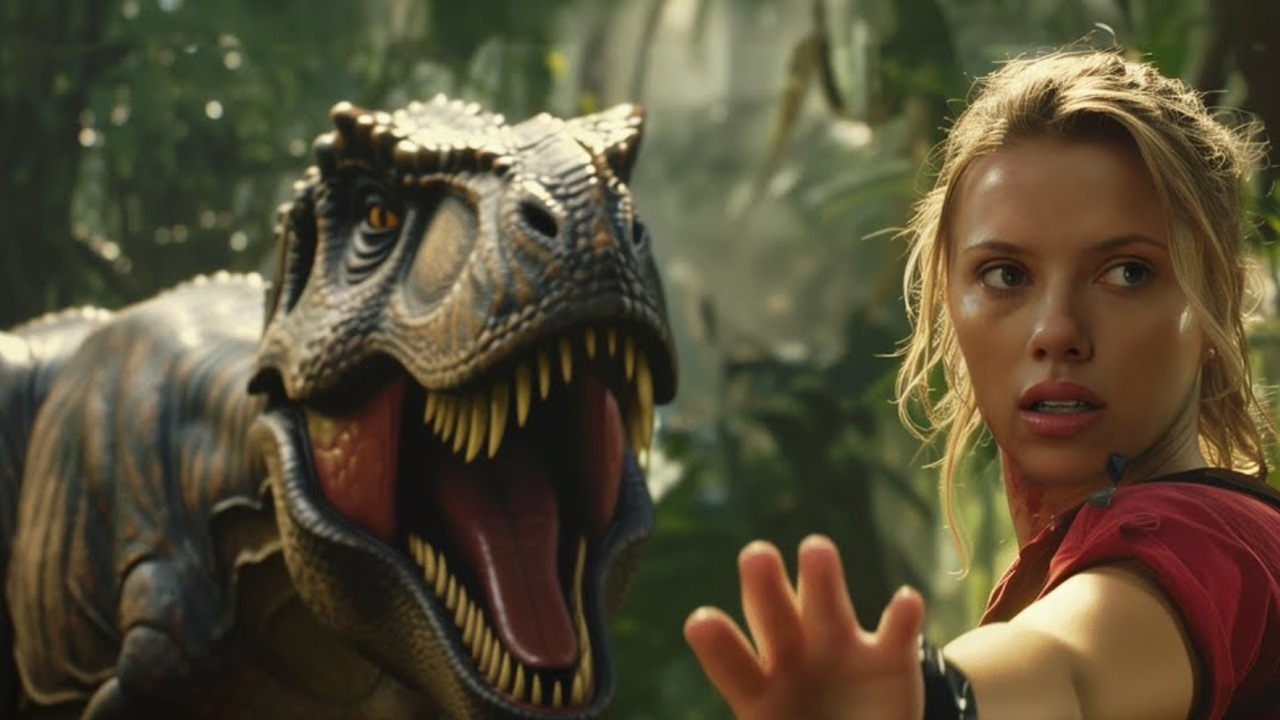
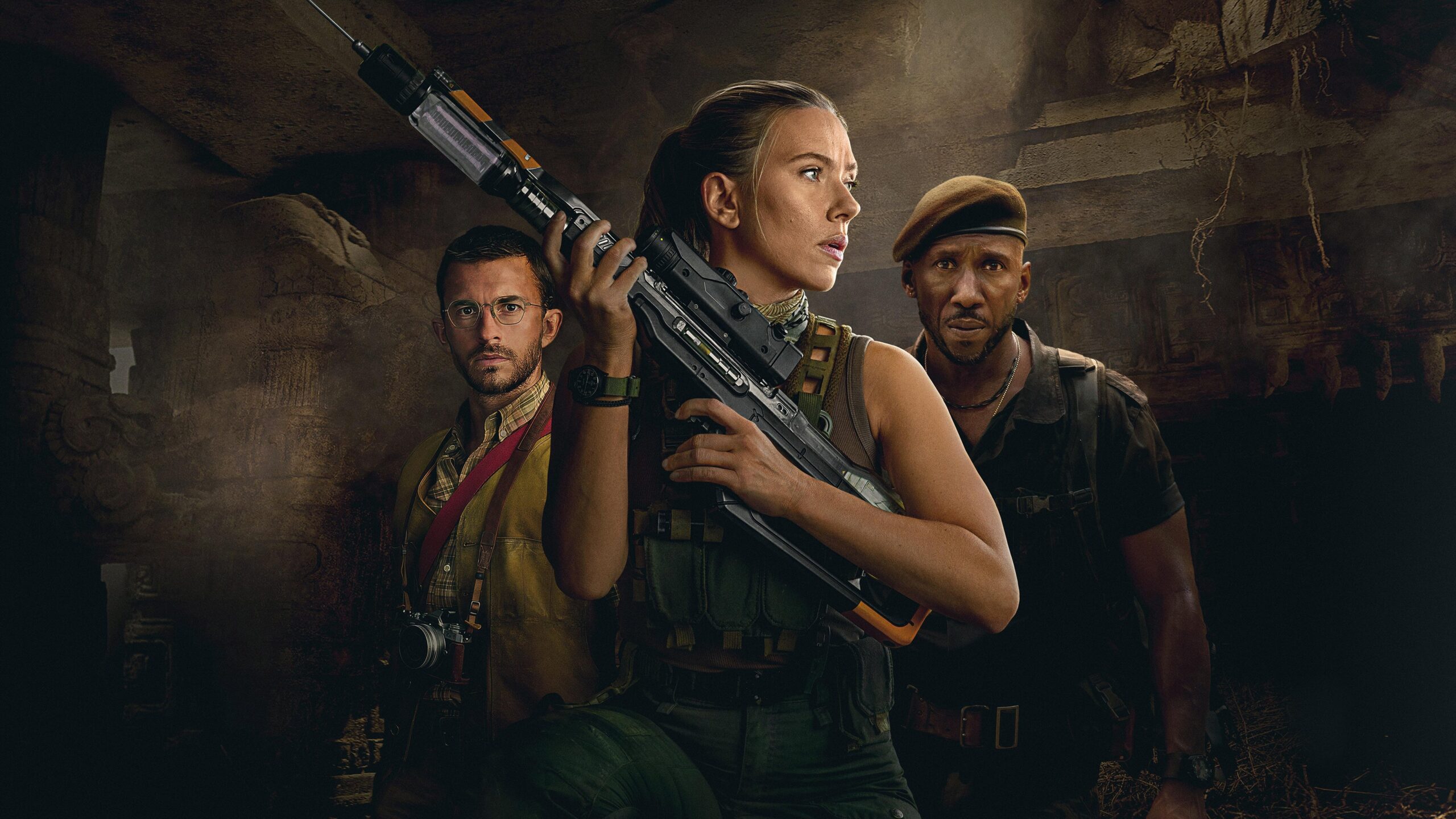
And that is the trap this series has been circling since the “Jurassic World” trilogy. The original film worked because it had genuine awe: the first time you saw those creatures, and the first time the characters did, the wonder was real. Every sequel since has had to answer an unanswerable question: how do you make dinosaurs feel new to an audience that has seen dinosaurs on screen for thirty years? “Rebirth” swings at that problem by cranking up the spectacle and the science-gone-wrong menace, but spectacle is not the same as wonder, and the film’s mixed reception suggests audiences can feel the difference even when they cannot name it.
A lot of legacy franchises hit this exact wall, and the numbers make it a genuinely tricky call for a studio. When a “disappointing” movie still clears $869 million, what is the incentive to change anything? That is the real tension at the heart of “Rebirth.” It is successful enough to guarantee more, and underwhelming enough that “more” is exactly the problem. A franchise that prints money while slowly boring its base is a franchise running on momentum, and momentum eventually runs out.
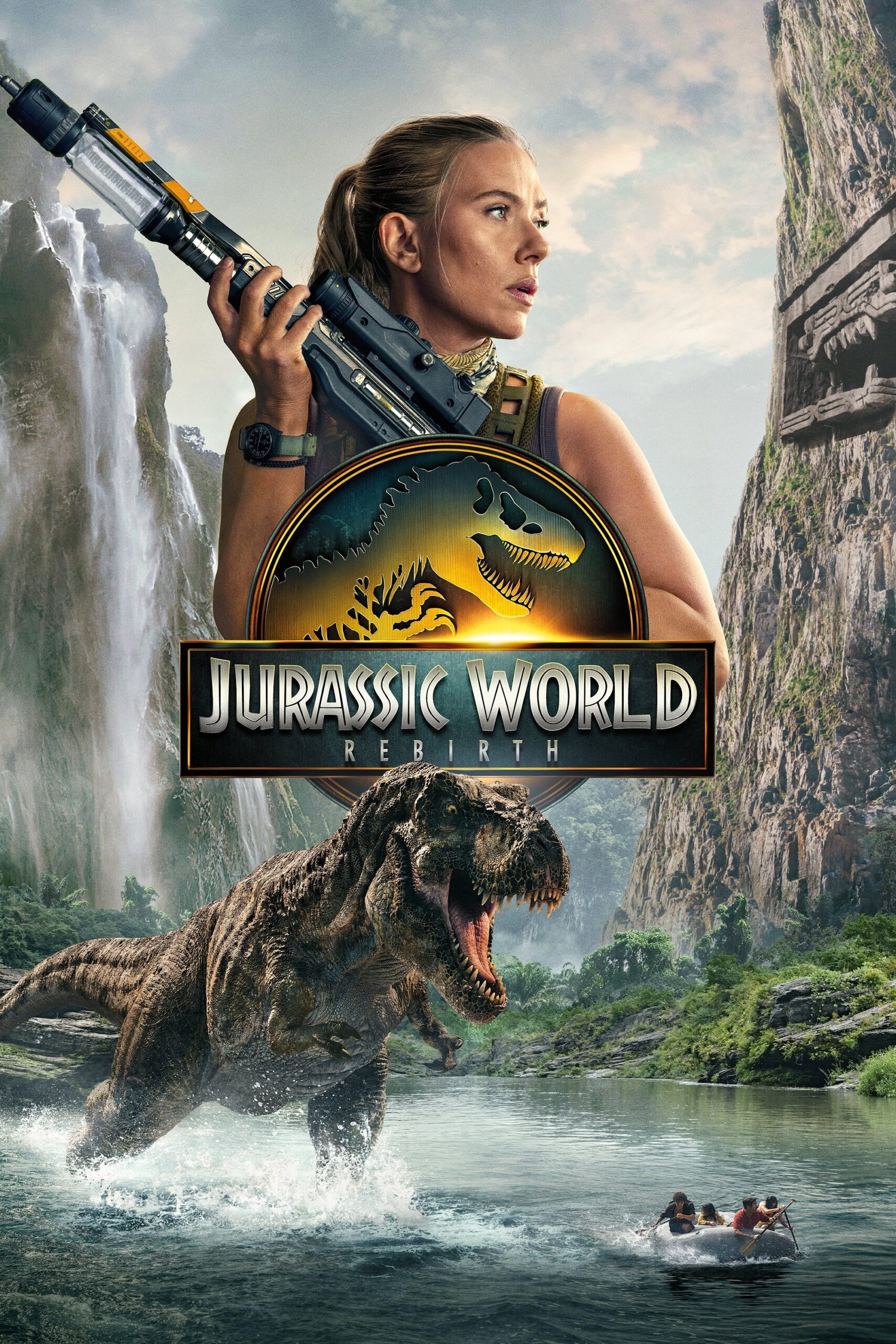
Still, we would push back gently on the doom. Bringing in Edwards and Koepp is not the move of a studio content to phone it in, even if the finished film did not fully escape orbit. There is a version of this reset that works, and “Rebirth” gets close enough in its best moments, a well-staged set piece, a genuinely tense creature sequence, a cast that sells the fear, to suggest the raw materials are still there. The franchise does not need a new coat of paint. It needs the thing it had in 1993, which is the courage to make you feel small in front of something ancient and alive.
For anyone tracking the Jurassic saga as one long timeline, the original park, its ruin, the “World” era, and now this soft relaunch, “Rebirth” is the moment the series openly admits it needs to start over without actually starting over. Where it sits in the chronology is easy to plot. Where it sits in the culture is harder. It is a hit that feels like a warning, a blockbuster that made a fortune and left a lot of us wanting the one thing money cannot manufacture on demand: a reason to be amazed again.
What Do You Think? Does bringing back original screenwriter David Koepp signal a real course-correction for this franchise, or is “Rebirth” proof that no amount of pedigree can recapture the awe of the 1993 film? When a movie critics found underwhelming still earns nearly $870 million, should a studio take the criticism seriously at all, and would you, in their shoes? And after seven films, what would it actually take to make dinosaurs feel genuinely new on screen again, or is that wonder simply impossible to bottle twice?
Catch up properly: every Jurassic Park and Jurassic World film in chronological order on our Timeline Hub’s Jurassic timeline.
See you on the next binge!