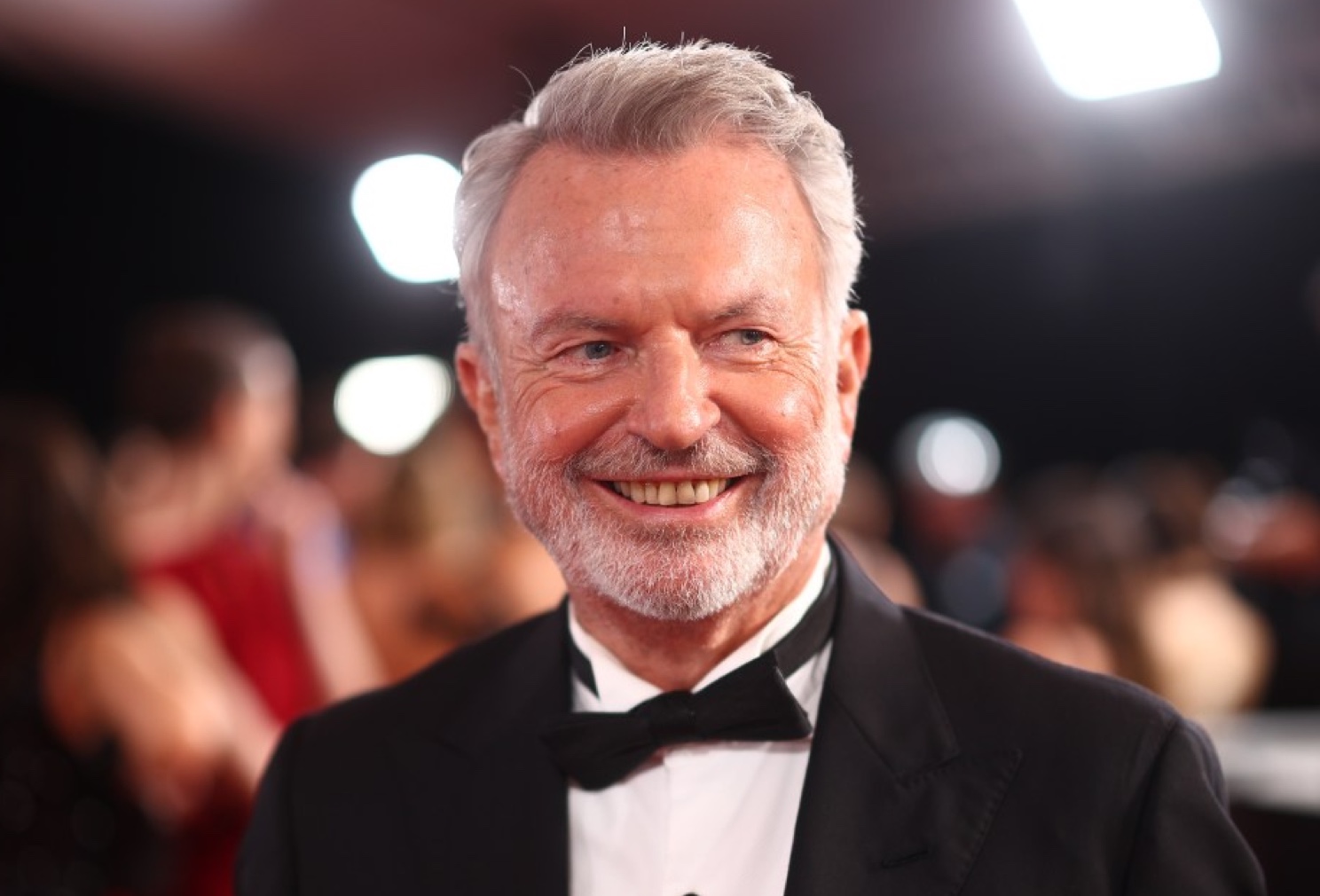
Some actors you admire. Sam Neill, you loved. The New Zealand star, forever etched in movie history as Dr. Alan Grant, the reluctant hero of “Jurassic Park”, has died at the age of 78, and the outpouring of grief says everything about the man. He passed on July 13 in Sydney, surrounded by family, and the world is a little less warm without him in it.
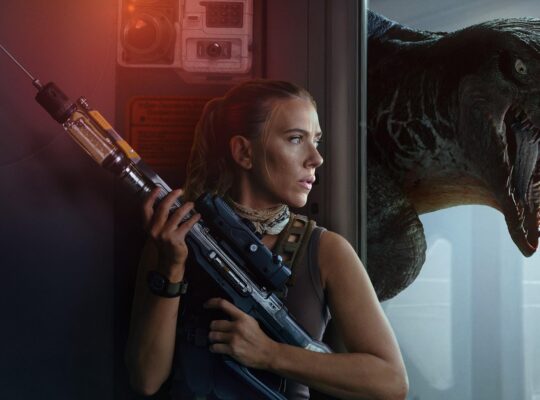
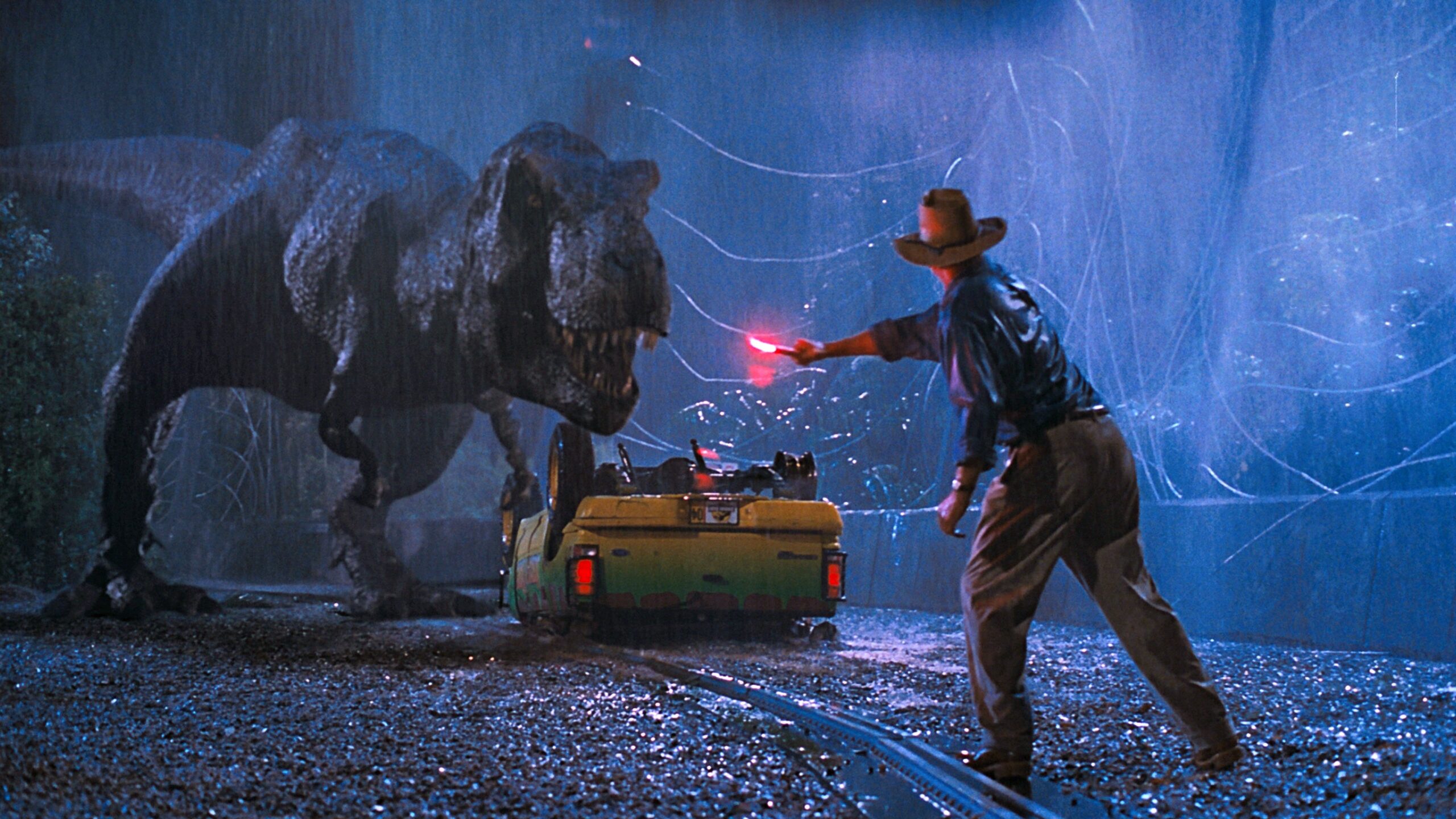
For a couple of generations of moviegoers, Neill will always be the man who first looked up at a living dinosaur with a mixture of terror and childlike wonder. His Dr. Grant anchored Steven Spielberg’s 1993 blockbuster with exactly the right note, a prickly, brilliant paleontologist gradually undone by awe, and it’s impossible to imagine that landmark film working without his grounded, human presence at its center. He returned to the role decades later for “Jurassic World Dominion,” closing a loop that spanned nearly thirty years of one of cinema’s biggest franchises.
For a couple of generations of moviegoers, Neill will always be the man who first looked up at a living dinosaur with a mixture of terror and childlike wonder. His Dr. Grant anchored Steven Spielberg’s 1993 blockbuster with exactly the right note, a prickly, brilliant paleontologist gradually undone by awe, and it’s impossible to imagine that landmark film working without his grounded, human presence at its center.”
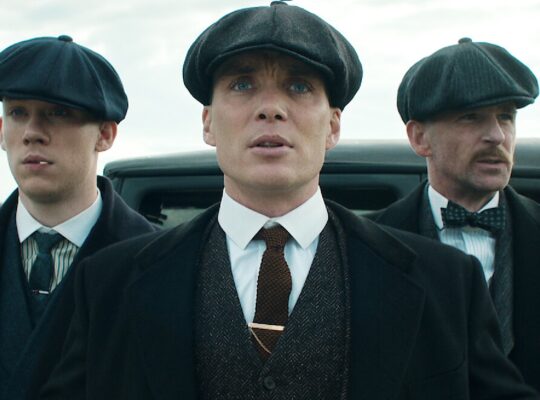
But to reduce him to one role would be to miss the range of a genuinely extraordinary career. Neill was a chameleon who moved effortlessly between genres and continents: the haunting period drama of Jane Campion’s “The Piano,” the cosmic horror of “Event Horizon,” the sly comedy of “Hunt for the Wilderpeople,” the simmering menace of Chester Campbell in “Peaky Blinders.” He could play the hero, the villain, the buffoon, and the broken man with equal conviction, the mark of a performer who cared more about the work than about being a star.
What made Neill special, though, went beyond the screen. He was, by every account, one of the most genuinely likable people in the business: self-deprecating, funny, endlessly gracious, as happy talking about the pigs and the wine on his New Zealand farm as about his films. In an industry that often rewards ego, he radiated a rare humility and warmth, the kind of person fans felt they knew even if they’d never met him. His social-media presence in his later years, all animals and gentle humor, only deepened the affection.
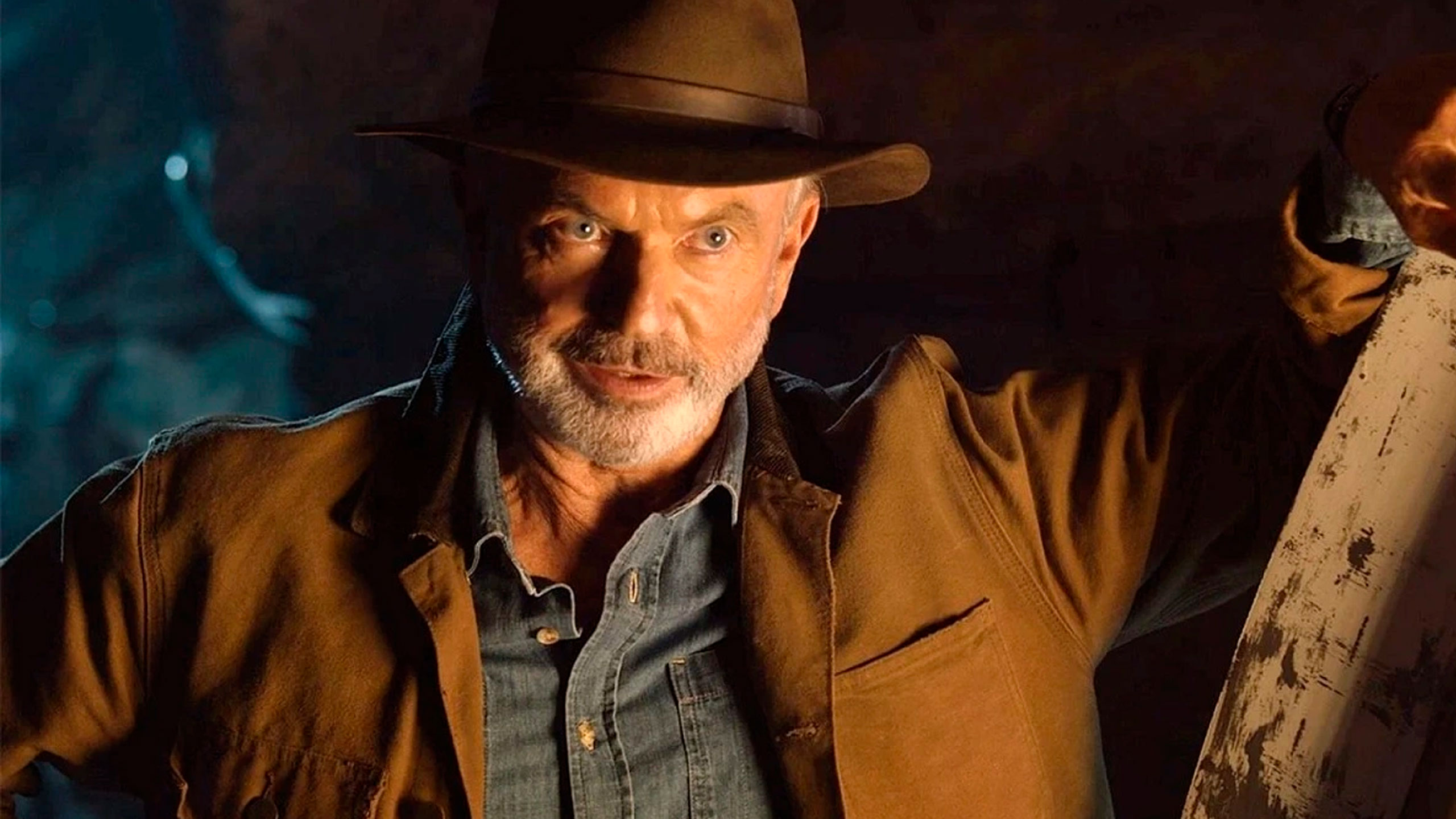
His final years carried a quiet courage, too. Neill had been open about his battle with blood cancer, facing it with the same wry honesty he brought to everything, and he had shared earlier this year that he was cancer-free. His family described his passing as sudden and unexpected, noting that he left them with the dignity that defined his whole life. That he goes out having beaten the disease he fought so publicly is a small, bittersweet mercy.
The tributes have poured in from co-stars, filmmakers, and the millions who grew up on his work, and they share a common thread: not just admiration for the actor, but real love for the man. That’s a rarer legacy than any award. Sam Neill spent more than four decades giving us indelible characters, and he did it while remaining, stubbornly and wonderfully, a decent and grounded human being. You can’t teach that, and you can’t fake it.
Here at Binge Rampage, we grew up on his dinosaurs and stayed for everything that came after. Whether he was outrunning a T-rex, scheming in the shadows of Birmingham, or simply making us laugh with a photo of his farm animals, he was a constant, comforting presence: the kind of actor who made any project better simply by being in it. The screen will feel emptier without him.
Rest easy, Sam. Thank you for the wonder, the chills, the laughs, and the decades of quiet class. You made us look up at the impossible and believe it. A career like yours doesn’t come around often, and a person like you comes around even less. You will be deeply, deeply missed.
What Do You Think? What’s the Sam Neill performance that meant the most to you: the wonder of Dr. Alan Grant, the menace of “Peaky Blinders,” or something further off the beaten path? How much did Neill’s grounded, human presence shape the success of “Jurassic Park,” and could that film have worked with anyone else in the role? Beyond his most famous roles, which underrated corner of Sam Neill’s long career do you think more people should discover in his memory?
Rest in peace, Sam Neill, thank you for all of it.