

Nearly thirty years ago, two agents in matching black suits taught us that the universe is stranger, funnier, and a lot more crowded with aliens than we ever suspected. Now the neuralyzer is being pointed at the franchise itself, wiping away a disappointing recent chapter and trying to start fresh. Sony is developing a brand-new “Men in Black” film, and the studio has one very specific, very ambitious hope pinned to it: getting Will Smith back into the suit.
The project is in early motion, and the first concrete step is telling. Sony has tapped Chris Bremner, the writer behind “Bad Boys for Life” and “Bad Boys: Ride or Die”, to draft the script. That’s a shrewd hire, and not a coincidence. Bremner is the guy who successfully revived another aging Will Smith action-comedy franchise, breathing surprising new life into the “Bad Boys” series and proving that a dormant buddy property can roar back if the writing understands what made it work. Handing him the “Men in Black” keys signals that Sony is chasing the exact same lightning: nostalgic comfort updated with fresh energy. Warning: beyond this point there are spoilers for the direction of the new “Men in Black” film and the franchise’s history.
Nearly thirty years ago, two agents in matching black suits taught us that the universe is stranger, funnier, and a lot more crowded with aliens than we ever suspected.”
The Will Smith piece is the whole ballgame, and it’s worth being precise about where things stand. The plan, as reported, is that once Bremner delivers a script, Smith would be among the first to read it: the hope being that a strong enough screenplay lures him back to reprise Agent J. But he is not attached, and by all accounts won’t commit to anything until he’s read the pages. That’s the honest state of it: an aspiration, not a signed deal. Smith has always been selective, and after his recent career turbulence, he’s in a position to be choosy about which of his iconic roles he revisits.
To understand why Sony is being cautious, you have to reckon with the elephant in the room: “Men in Black: International.” The 2019 reboot swapped Smith and Tommy Lee Jones for Chris Hemsworth and Tessa Thompson, a charming pairing on paper, fresh off their “Thor: Ragnarok” chemistry, and it landed with a thud, grossing well below expectations against a hefty budget. It was proof that the black suits and the neuralyzer aren’t the magic ingredient; the magic was always the specific alchemy of the leads. International had the trappings of Men in Black without the soul, and audiences felt the difference immediately.
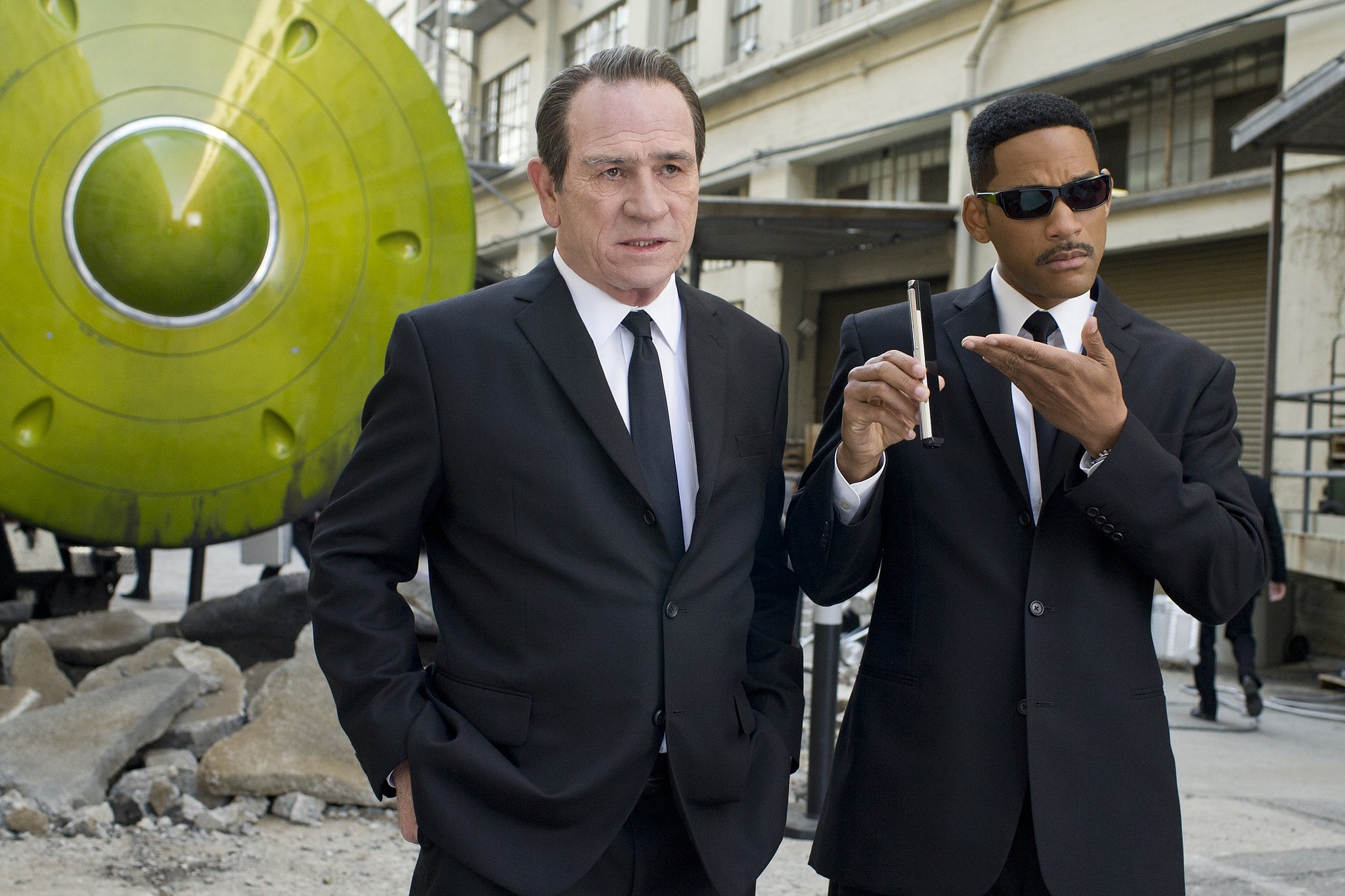
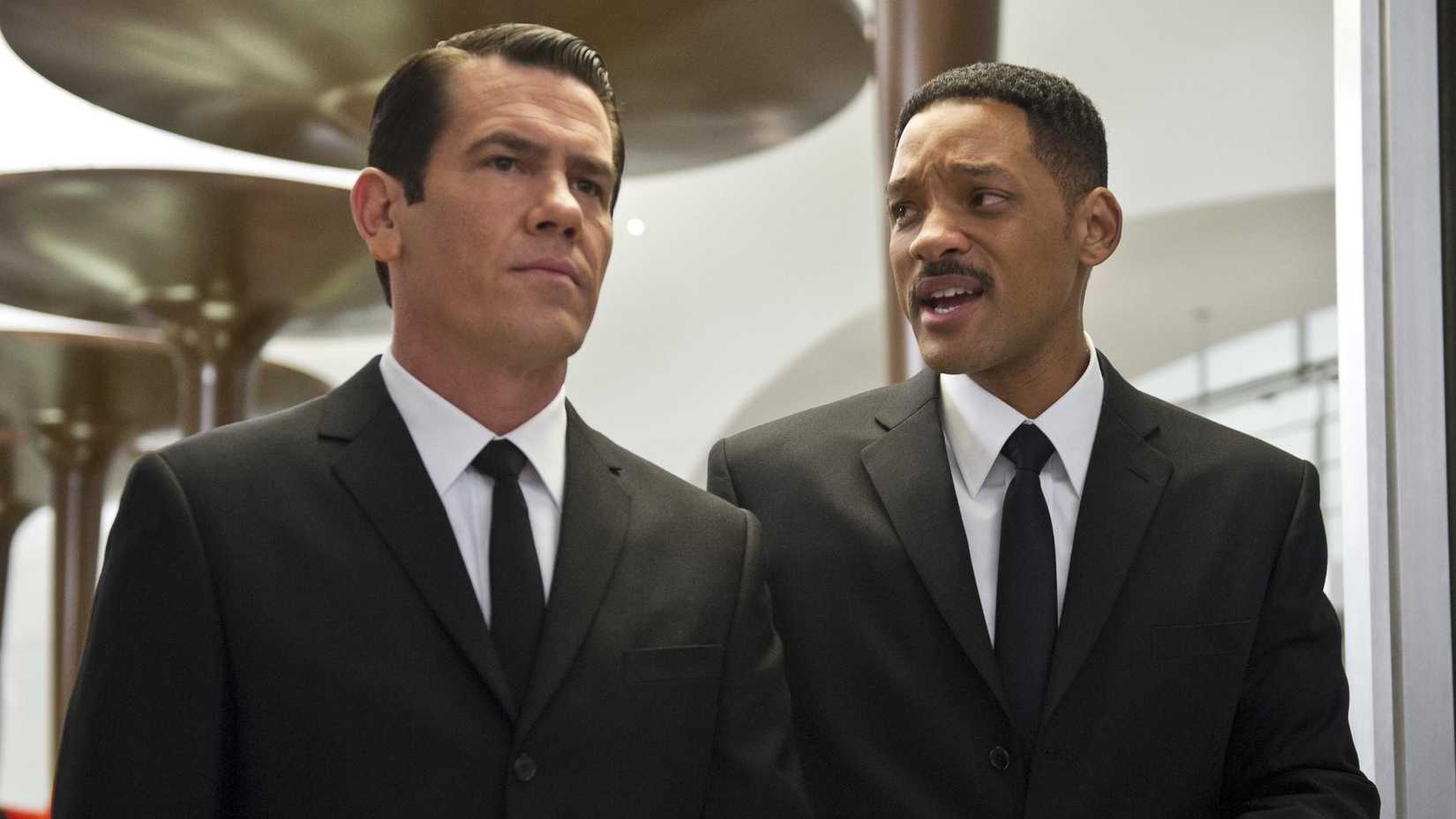
Which is exactly why the pull toward Will Smith is so strong. The original trilogy worked because of the odd-couple dynamic between J and K: Smith’s motormouthed, wisecracking rookie bouncing off Jones’s stone-faced, deadpan veteran. That contrast was comedy gold, an all-time great buddy pairing. Recapturing even a fraction of that spark is the surest route back to relevance, and there’s no version of it without Smith. The franchise learned the hard way that you can’t just put new people in the suits and expect the same result. The suits were never the point.
The bigger picture explains why Sony keeps coming back to this well despite International’s stumble. Across the original film, its two sequels, and even the 2019 reboot, the franchise has earned close to two billion dollars worldwide. That’s a serious, proven brand: recognizable iconography, a flexible premise that can generate endless alien-of-the-week adventures, and a built-in nostalgia factor for the millions who grew up on it. Properties with that kind of earning history don’t stay dormant forever; studios inevitably circle back, looking for the right creative key to unlock them again.
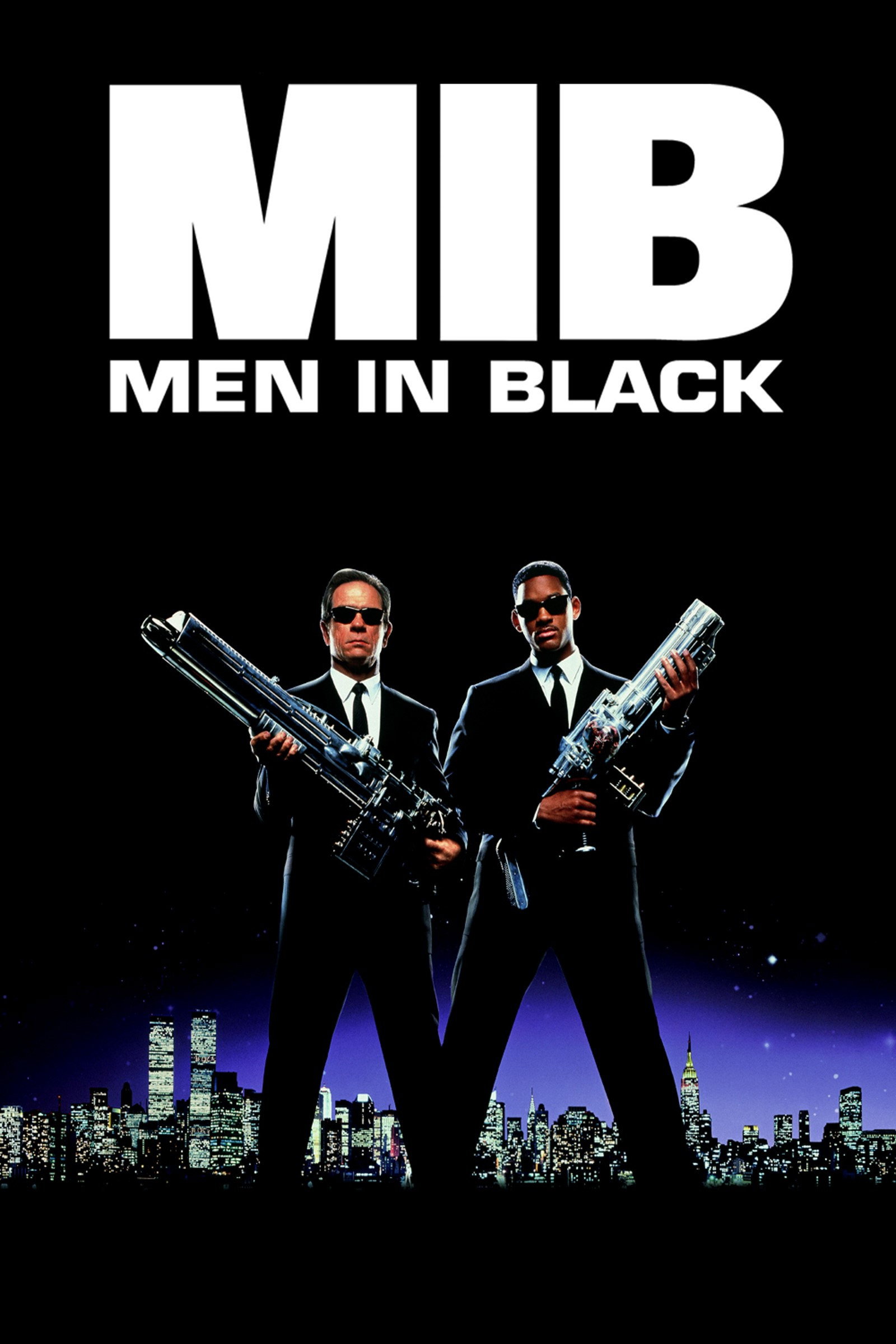
The concept itself remains as strong as ever, which is part of the appeal. A secret agency policing the alien immigrants living quietly among us is an endlessly renewable premise: it can be funny, it can be action-packed, it can sneak in surprisingly poignant ideas about identity and belonging. The world Barry Sonnenfeld and company built, with its retro-futuristic gadgets and its deadpan bureaucracy of the bizarre, has plenty of unexplored corners. In the right hands, and with the right cast, there’s no reason a new “Men in Black” couldn’t feel vital rather than warmed-over.
So the franchise is stirring, cautiously, hopefully, with a proven writer on the page and a dream scenario in mind. Whether Will Smith actually slips back into that suit depends entirely on whether Bremner can deliver something worth his while, and that’s a genuine question mark rather than a promise. But the instinct is right: don’t reboot around the hardware, reunite the people who made it sing. Point the neuralyzer at the missteps, remember what actually worked, and maybe, just maybe, the men in black are back in business. We’ll be watching the skies.
What Do You Think? Can a new “Men in Black” work without Will Smith, or is Agent J so central that the film shouldn’t happen unless he returns? Did “Men in Black: International” prove that the franchise’s magic was always the specific J-and-K chemistry rather than the concept? And if Smith does come back, who should play his new partner to recapture that odd-couple spark with Tommy Lee Jones’s Agent K presumably retired?
See you on the next binge!