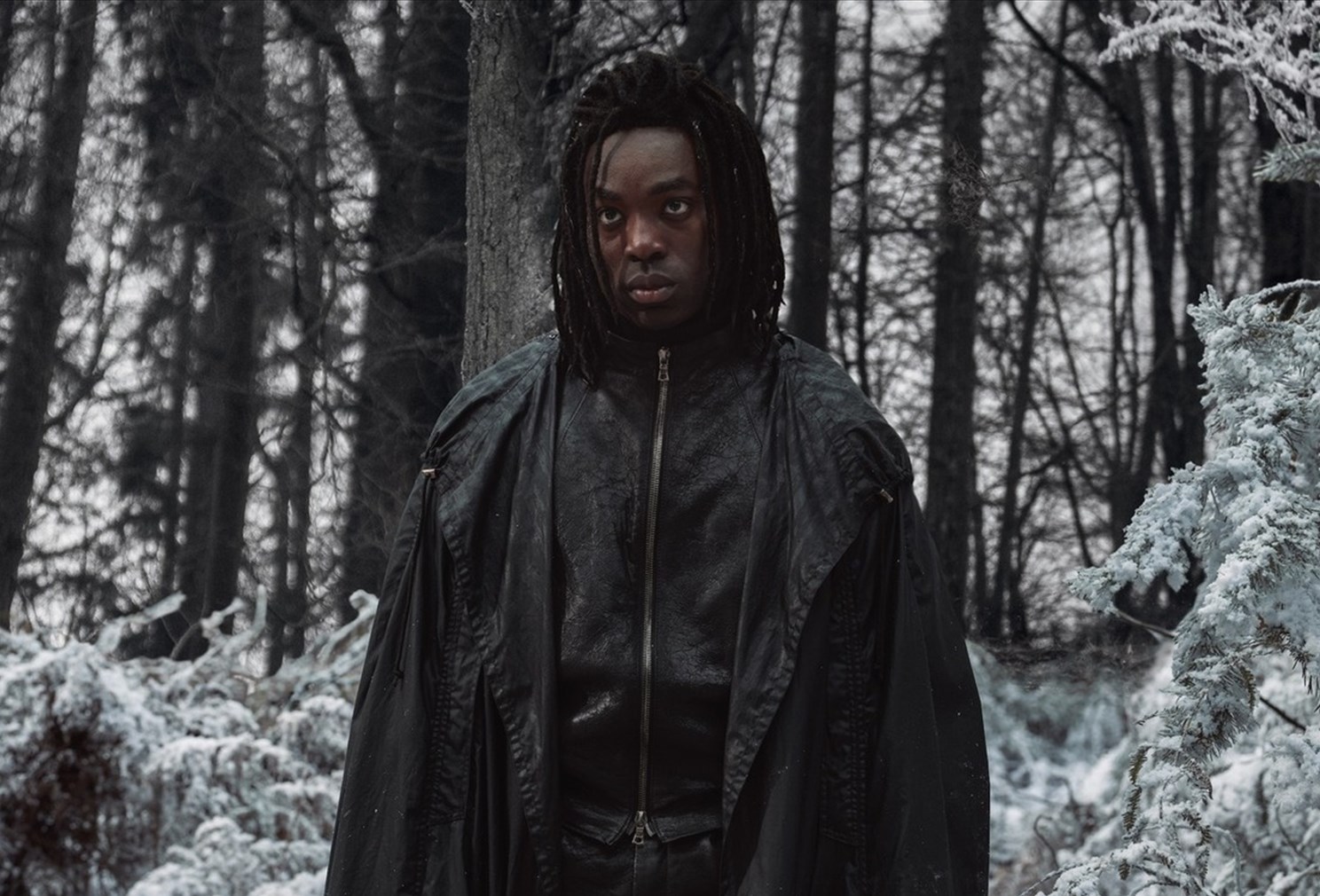
When HBO cast Paapa Essiedu as Severus Snape, it should have been a coup, one of the most gifted actors of his generation taking on one of modern fiction’s richest characters. Instead, it became a lightning rod. Now Essiedu has spoken publicly about the backlash to his casting, and what he described goes far beyond ordinary fan grumbling. It includes racist abuse and death threats, and it’s an ugly reminder of how poisonous fandom can turn when a beloved story meets a changing world.
For anyone who missed it, Essiedu, the British-Ghanaian actor acclaimed for “I May Destroy You” and “Black Mirror”, was cast as Snape in HBO’s upcoming “Harry Potter” series, and the announcement drew immediate pushback. Some fans objected on the grounds that the character, as written by J.K. Rowling, is pale and sallow-skinned, and that a Black actor therefore doesn’t match the description on the page. That’s the polite version of the argument. The uglier version arrived in Essiedu’s inbox. Warning: beyond this point there are spoilers for the real-world controversy surrounding HBO’s Harry Potter casting and Paapa Essiedu’s response to it.
When HBO cast Paapa Essiedu as Severus Snape, it should have been a coup, one of the most gifted actors of his generation taking on one of modern fiction’s richest characters. Instead, it became a lightning rod.”
What Essiedu described is genuinely disturbing. Speaking publicly for the first time about the reaction, he recounted being told, “Quit or I’ll murder you,” and seeing messages on social media threatening to come to his home and kill him. Let’s be clear about what that is: not film criticism, not a debate about fidelity to a book, but criminal abuse aimed at an actor for the crime of being cast in a role while Black. However anyone feels about the casting, threatening a man’s life over it is indefensible, full stop.
To his enormous credit, Essiedu has met the abuse with grace rather than retreat. He’s been honest that it affects him, “I’d be lying if I said it doesn’t affect me emotionally,” he admitted, while refusing to let it drive him off the project. If anything, he’s framed it as fuel: a reason to make the character his own and to stand as a bit of representation in a franchise that could use more of it. That’s a hard line to walk under threat, and he’s walking it with more composure than his tormentors deserve.
He hasn’t been alone in pushing back, either. Jason Isaacs, who played Lucius Malfoy in the original films and knows this world intimately, defended Essiedu forcefully at a fan convention, calling him “one of the best actors I’ve ever seen in my life” and naming the criticism for exactly what a lot of it is: “What they’re being is racist.” When a veteran of the original movies says the quiet part out loud, it lends real weight to the point: this isn’t just corporate spin defending a casting choice, it’s a colleague calling out cruelty.

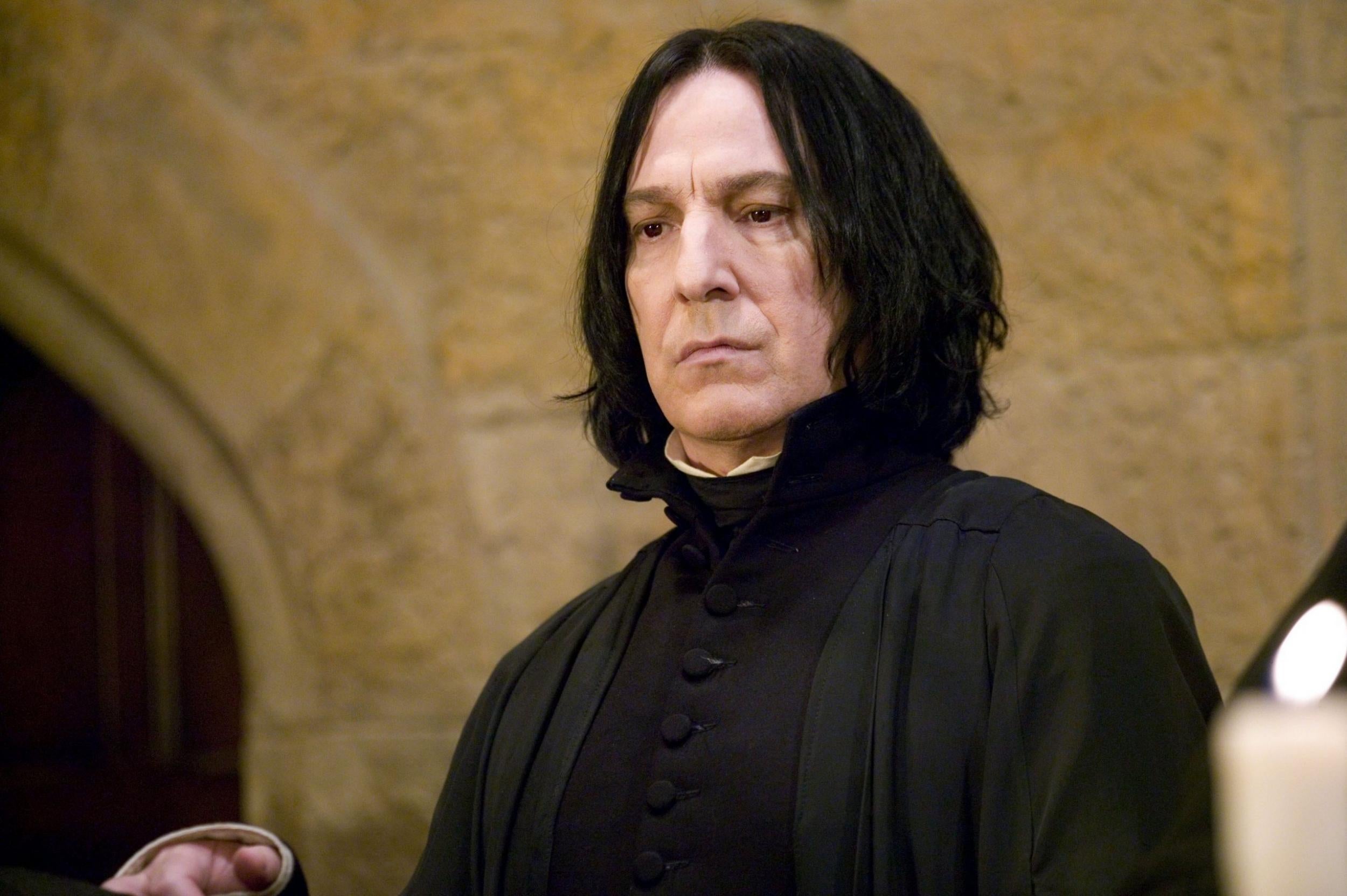
It’s worth separating the legitimate conversation from the abuse, because they aren’t the same thing. There’s a reasonable, good-faith discussion to be had about adaptation: about how faithful a new version should be to physical descriptions, about what changes when you reimagine a character, about the relationship between a text and its interpretations. Fans are allowed to have opinions about casting. What they are not allowed to do is send death threats, and the moment the discourse curdles into that, it forfeits any claim to being about “the books.”
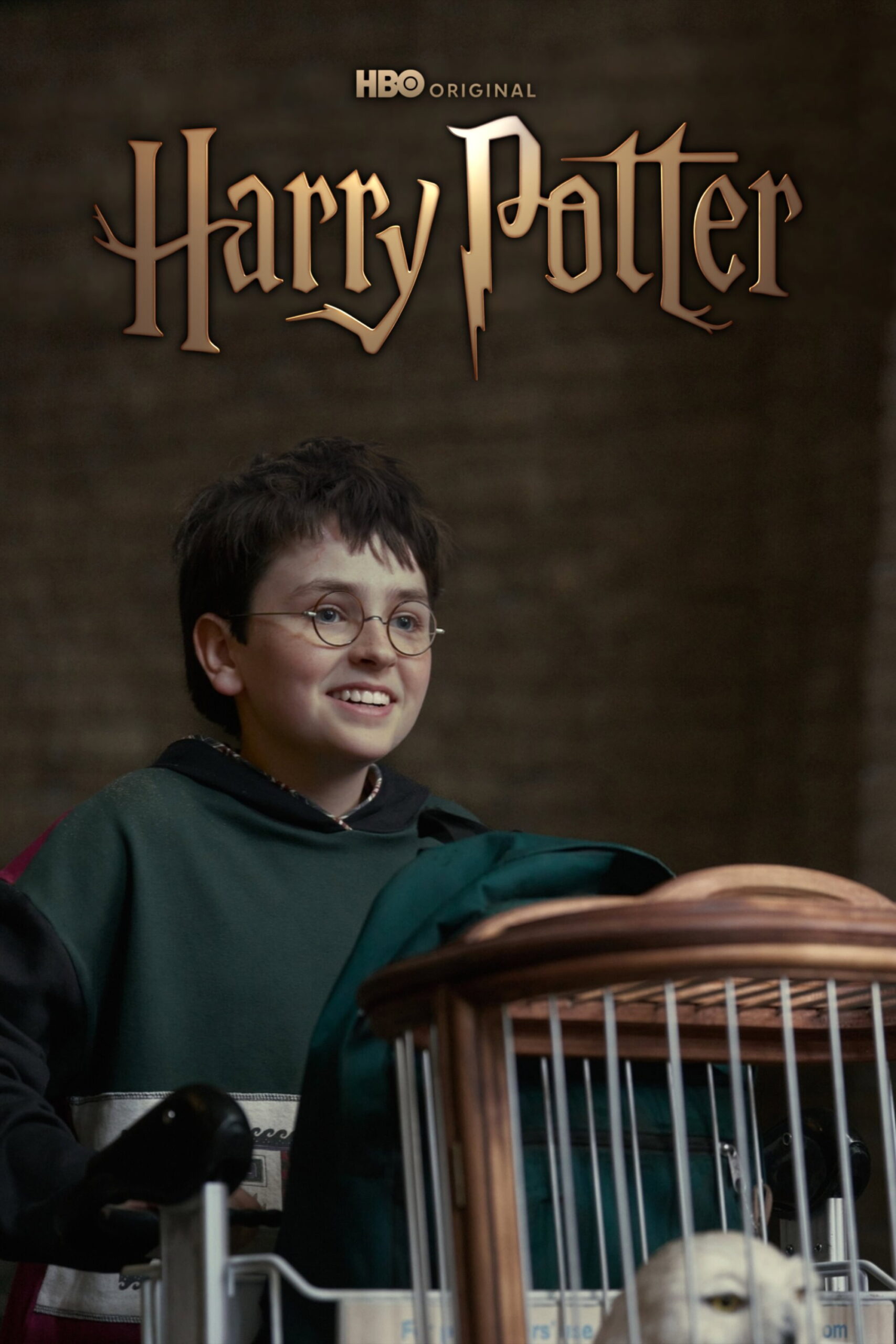
The whole episode sits inside a bigger, thornier context, of course. The “Harry Potter” franchise has been a cultural flashpoint for years now, its fandom fractured along multiple fault lines, and a high-profile recast was always going to detonate some of that tension. But the throughline of Essiedu’s story is simple and human: a talented actor took a great role, and a segment of people responded with hatred. That’s the part worth remembering when the noise gets loud.
For now, Essiedu is pressing forward, preparing to bring his own interpretation of one of fiction’s most fascinating characters to screen when the series premieres. If there’s any justice, the performance will be the thing that lasts, and the threats will be remembered as the shameful footnote they are. The best possible answer to this kind of abuse is the one Essiedu seems intent on giving: show up, do the work, and let the talent speak louder than the hate.
What do you think? Where is the line between a legitimate debate about adaptation fidelity and the racist abuse Paapa Essiedu has faced, and how should a fandom police its own? Does casting a performer as acclaimed as Essiedu as Snape have the potential to redefine the character for a new generation, or will the controversy overshadow the work? When a beloved story is reimagined, how much should physical descriptions from the page dictate casting, and who gets to decide what “faithful” really means?
Our thoughts are with Paapa Essiedu. We can’t wait to see what he does with the role.