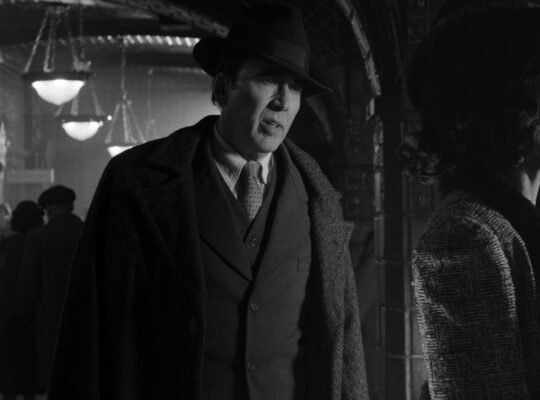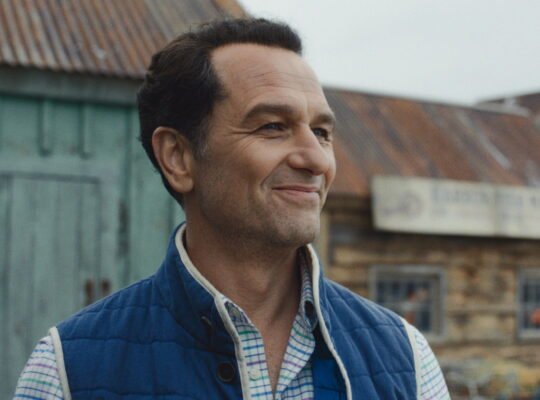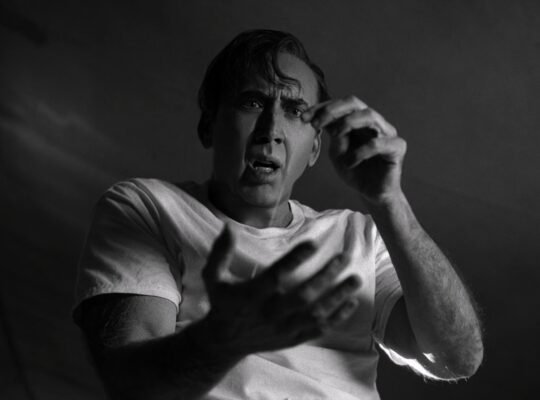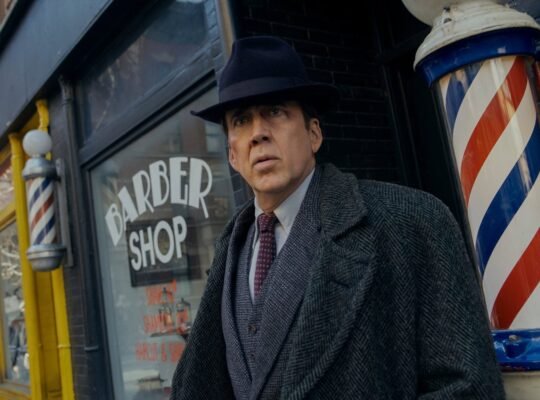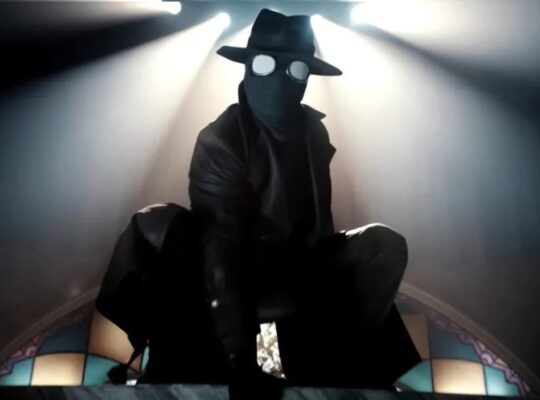
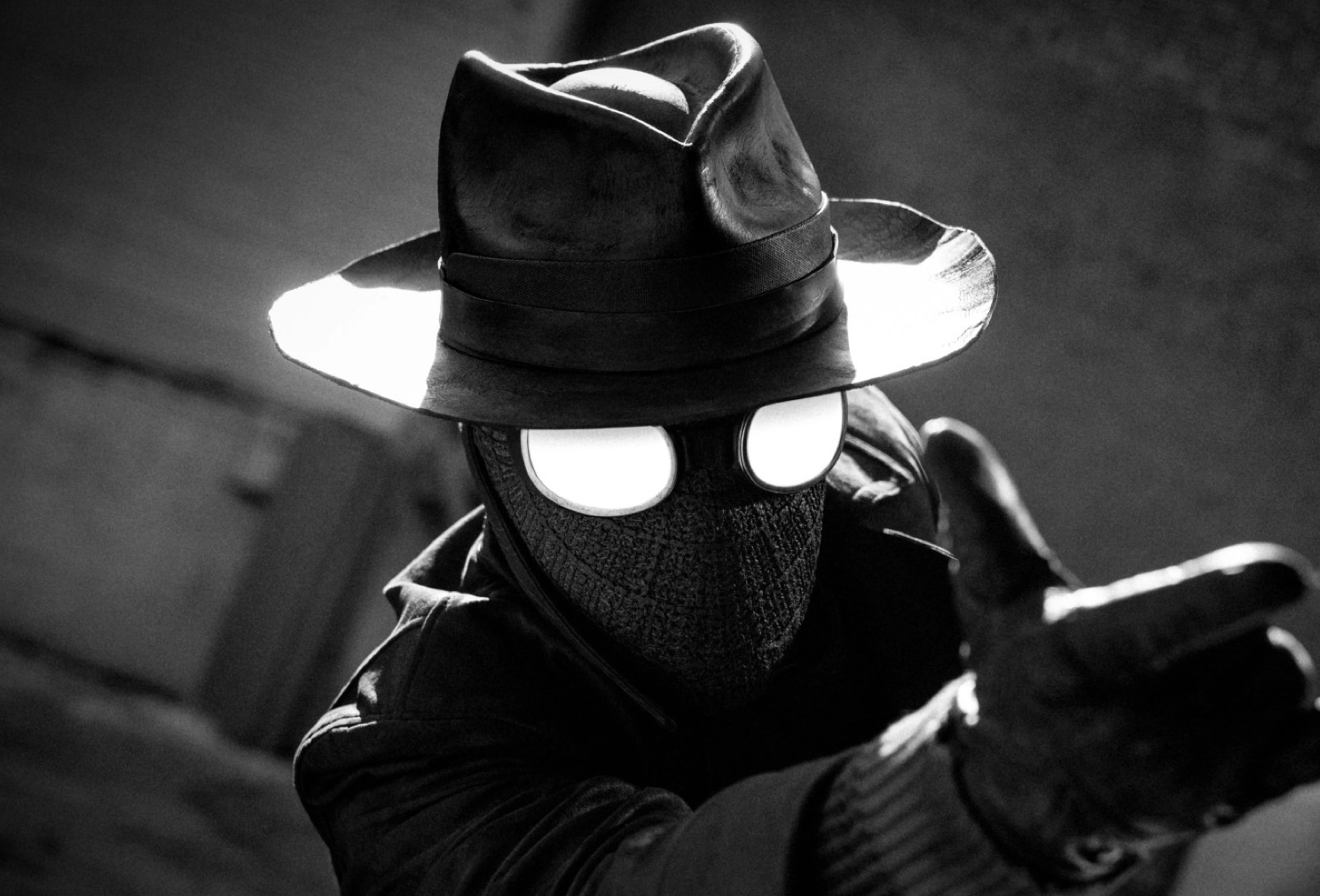
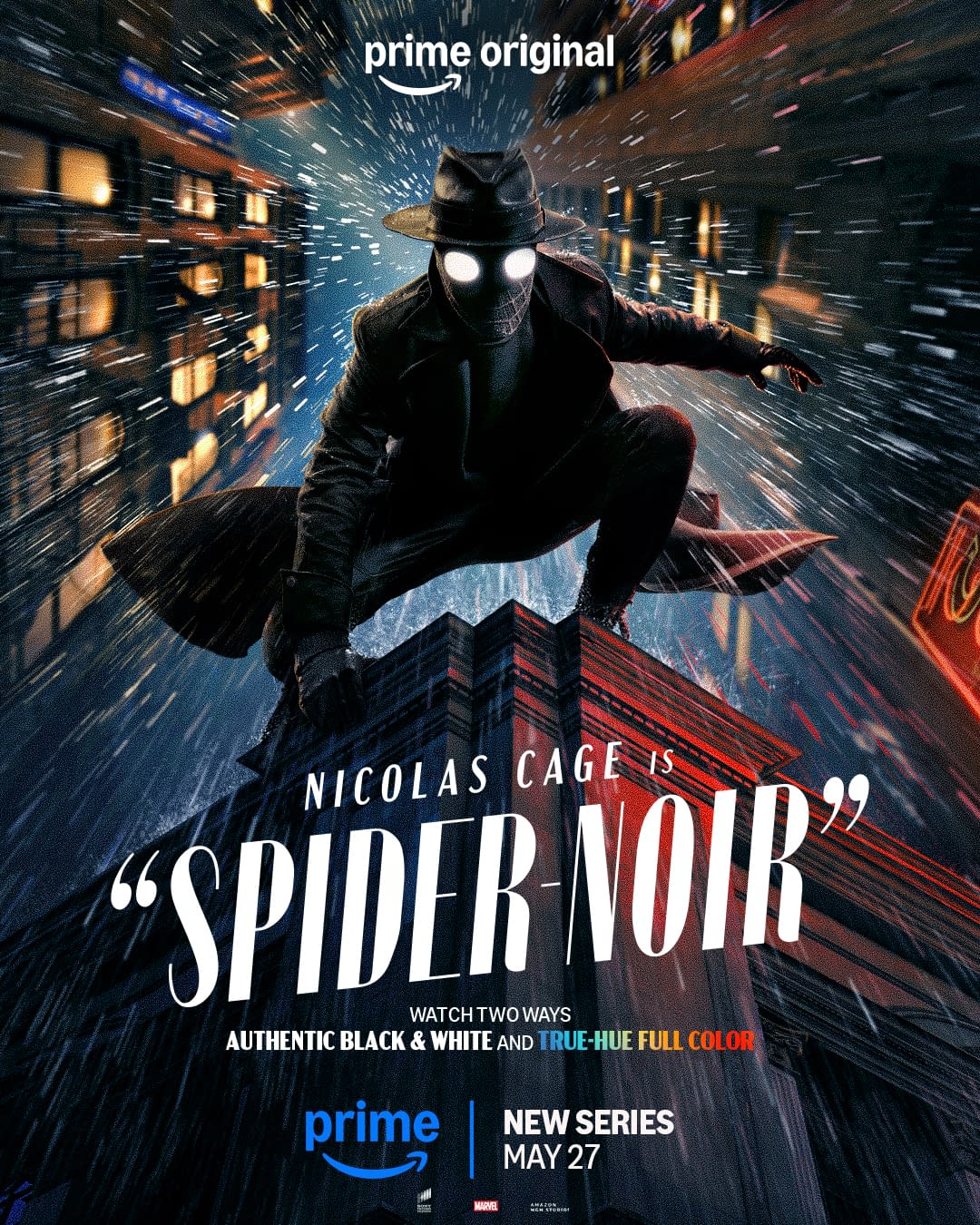
The streaming world experienced a cinematic earthquake yesterday morning. After years of development rumors and shifting release schedules, Prime Video finally unleashed the entire first season of “Spider-Noir” upon the viewing public. The BR team spent the entire night binging all eight episodes of this hardboiled crime thriller, and the general consensus is overwhelmingly positive. Audiences currently have the unique option to watch the series in either authentic black-and-white or full modern color. We strongly advocate for experiencing this grim tragedy in the intended monochrome format. Stripping away the color palette forces the viewer to focus entirely on the stark contrast of light and shadow, perfectly mirroring the moral ambiguity of the characters. Creator Oren Uziel and his production crew chose to ignore the modern cinematic playbook, delivering a focused detective story set against the backdrop of 1930s New York City. This is a brilliant standalone universe, completely free from the exhaustive continuity of other interconnected superhero properties, giving the narrative crucial room to breathe.
Whichever way you choose to watch “Spider-Noir”, one thins is clear: Cage brought his A-Game to his first major scripted TV role that’s ever been released. Nicolas was in an unsold Pilot in 1981 under the stage name of Nicolas Coppola, but since then he has never stepped foot on the small screen, except for a douseries and SNL hosting gig. The actor admittedly looked down on TV and always wanted to be a movie star, but a recent conversation with one of his children got him thinking about all that extra time he would have as an actor to tell his characters story. The Sony Spider-Man franchise was in the right place at the tight time for this one as Cage is in rare form for this Fiilm Noir/Superheo Mystery series that has a life of it’s own. Warning, beyond this point there are spoilers for the “Spider-Noir” series on Amazon Prime Video.
Cage brought his A-Game to his first major scripted TV role that’s ever been released. Nicolas was in an unsold Pilot in 1981 under the stage name of Nicolas Coppola, but since then he has never stepped foot on the small screen…”
The premiere episode sets a bleak, uncompromising tone right out of the gate. We are introduced to Ben Reilly (Nicolas Cage), presenting an older, thoroughly broken version of the iconic wall-crawler. This iteration is an exhausted private investigator who hung up his mask years ago following a devastating personal tragedy. Cage brings a quiet sadness to the role, dragging his battered body out of a whiskey bottle when a wealthy socialite hires him to investigate a gruesome murder. The opening chapter does an excellent job establishing the suffocating grime of the Depression era. The camera crew relies on vintage lighting setups and practical sets rather than leaning on obvious green screens, pulling the audience directly into the muddy streets of the historical setting.
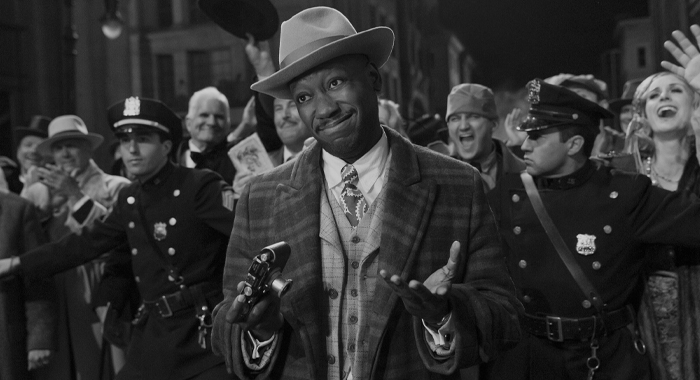
Moving into the second chapter, the ongoing investigation forces the reluctant detective to cross paths with an unlikely ally. Ben tracks a suspicious lead to a local newspaper office and meets Joe Robertson (Lamorne Morris). Joe is a cynical freelance journalist desperate to expose the festering corruption rotting the city from the inside out. Their initial meeting is a masterclass in sharp, hardboiled dialogue. The combative banter provides some necessary levity amid the overwhelming darkness of the murder case. This installment also highlights the mesmerizing musical score running beneath the dialogue. The soundtrack utilizes mournful brass instruments and chaotic jazz rhythms that constantly push the audience to the edge of their seats as Ben uncovers the sprawling conspiracy.
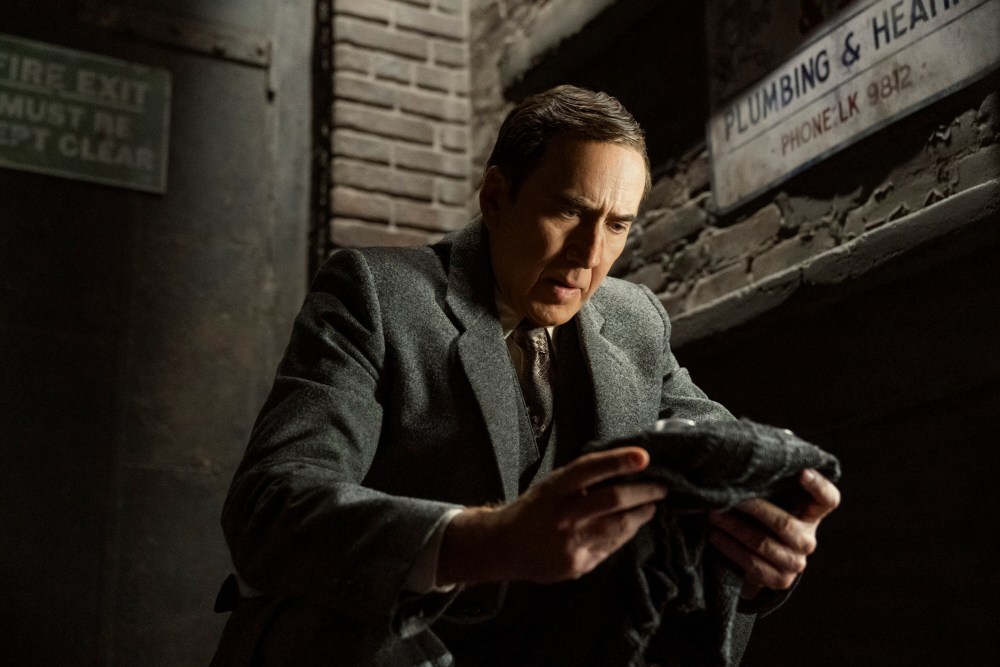
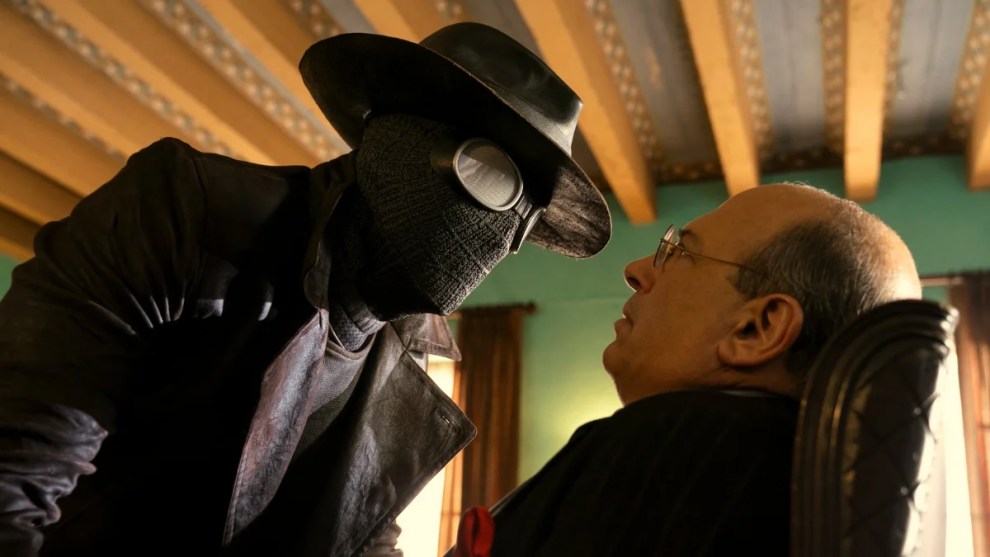
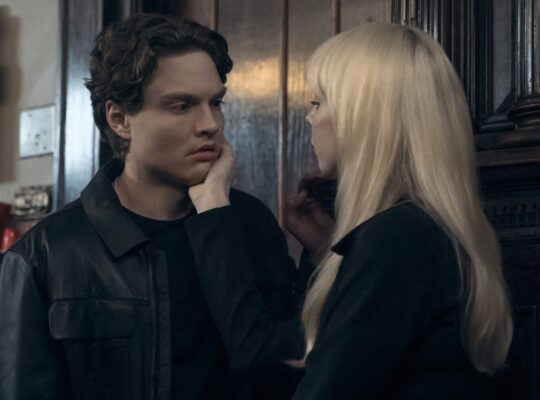
The third hour shifts the focus to the glamorous but dangerous nightlife of the city. Following a bloody shootout in a blind alley, Ben limps into a smoky speakeasy and comes face to face with Felicia Hardy (Li Jun Li). She is a magnetic nightclub singer operating her own dangerous agenda behind the scenes. Li completely commands the screen, playing the ultimate femme fatale who keeps the aging hero guessing about her true loyalties. The chemistry between the two leads crackles with unspoken tension. Every conversation feels like a lethal negotiation where one wrong word could result in a fatal gunshot. The episode utilizes the incredible jazz soundtrack to emphasize the seductive danger of her underground empire.
Hitting the midway point, the fourth episode delivers its first massive dose of grounded action. The aging investigator tracks a prominent mob suspect to the shipping docks, resulting in a terrifying confrontation with Flint Marko (Jack Huston). The writers smartly reimagined this classic comic villain to fit the historical setting without relying on massive digital spectacle. Marko is a brutal enforcer whose unique sand-based abilities are slowly tearing his physical body apart. Huston delivers a surprisingly sympathetic performance, portraying a dangerous thug desperate to survive a horrifying medical condition. The resulting fistfight is messy and painful, proving that Ben is far past his physical prime and must rely on pure endurance to survive the encounter.
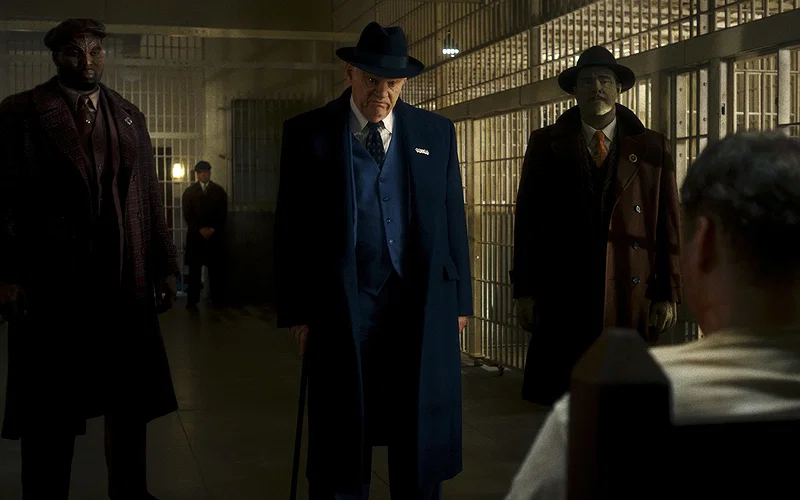
Following the savage beating at the docks, the fifth episode slows the pacing down to explore the political rot feeding the criminal underworld. The investigation points directly toward Finbar Byrne (Brendan Gleeson), an aging Irish mob boss determined to maintain absolute control over the crumbling city. Gleeson chews the scenery with quiet menace without ever needing to raise his booming voice.
He serves as the perfect ideological counterpoint to our weary protagonist, demonstrating exactly what happens when power goes unchecked. This hour focuses entirely on corporate espionage and political blackmail, illustrating the staggering scale of the systemic corruption that the disgraced hero is attempting to dismantle single-handedly.
The tension violently boils over in the sixth chapter when the Irish mob decides to strike back. Finbar unleashes his primary enforcer, Lonnie Lincoln (Abraham Popoola), to silence the nosy detective once and for all. Popoola is an absolute force of nature on screen, playing an enhanced gangster suffering from the dark side effects of early superhuman experimentation. He corners Ben in an abandoned warehouse for a visceral showdown that shakes the entire building. The camera captures the fight with a steady, conversational visual approach, allowing the audience to feel the heavy impact of every single punch thrown in the shadows. The sound design here is phenomenal, highlighting the terrifying crunch of breaking bones over the howling city wind.
The penultimate seventh episode focuses on the fragile alliances crumbling under the weight of the central mystery. Joe gets dangerously close to publishing the undeniable truth about the mayoral office, putting a massive target on his own back. Meanwhile, Felicia is forced to finally choose a side when the mob threatens to burn her lucrative nightclub to the ground. The narrative takes its time tightening the noose around the primary cast, ensuring that the emotional stakes are just as high as the physical danger. Cage delivers his best dramatic work of the entire season in these closing moments, projecting the profound exhaustion of a man who knows a bloody gang war is completely inevitable.
The grand finale delivers a massively satisfying and fatal conclusion to the sprawling detective story. The writers avoid the standard temptation to end the season with a massive CGI spectacle, keeping the climax focused entirely on a tense shootout in the pouring rain. Ben infiltrates the mob stronghold with nothing but his fading instincts and a rusty revolver. The resolution ties up the central murder mystery while leaving just enough narrative threads dangling for a potential continuation down the line. It is an ugly victory that costs the protagonist dearly, perfectly aligning with the cynical spirit of a classic noir detective novel. He solves the case, but the city remains fundamentally broken.
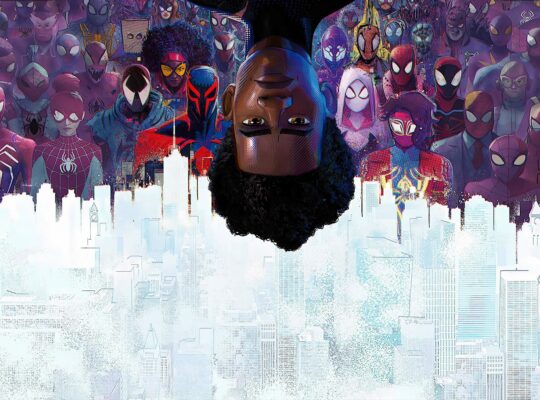
Looking back at the complete eight-episode run, the series represents a massive creative victory for the streaming platform. Nicolas Cage proves he is still a commanding leading man, anchoring a brutal tragedy that redefines what a comic book adaptation can achieve on the small screen. The impeccable musical score, the breathtaking cinematography, and the stellar supporting cast push the material far beyond typical genre fare. While a second season remains unconfirmed, this standalone success arrives at a fascinating turning point for the broader franchise. Sony recently announced a massive reboot for their core cinematic spin-off universe following several box office disappointments, clearing the deck for fresh storytelling. Furthermore, the mainline theatrical continuity is preparing for Tom Holland to return in “Spider-Man: Brand New Day” later this summer, while the animated side gears up for the impending release of “Spider-Man: Beyond the Spider-Verse” next year. Amidst all these massive multiversal projects, we are curious to see if the network eventually greenlights another investigation for our aging detective, or if this brilliant monochrome nightmare will exist solely as an isolated miniseries.
What do you think? Did you choose to experience the brutal detective story in the intended black-and-white format or did you opt for the modern color presentation during your initial binge session? How do you think the standalone success of this gritty crime thriller will influence the creative direction of the impending cinematic spin-off reboot? Are you hoping to see other iconic members of the traditional rogue’s gallery reimagined as Depression-era mobsters if the studio decides to greenlight a second season?
Catch up properly: every MCU movie and show in chronological order on our Timeline Hub’s MCU timeline.
See you on the next binge!