Ten years is a long time to leave a flagship franchise parked in a hangar. “Star Trek” has not had a theatrical release since 2016, and the decade since has been a graveyard of announced films that quietly died, sequels that lost their casts, prequels that lost their studios, projects that got trumpeted at industry conventions and never got a call sheet. So when Jonathan Goldstein and John Francis Daley sat down at a directors’ panel at San Diego Comic-Con and started talking about the new one, the interesting part was not that it exists. It was what they said about it.
Goldstein gave the detail that should reset every assumption fans have been carrying. “It won’t be the characters that you’ve seen previously in your Star Trek movies. So there’ll be a new sort of take on that, and I think it’ll probably be a little further into the future than we’ve been before.” Daley followed with the state of play: “I think we can say the script is in progress, and that we’re very excited about it. And I think people will be surprised.”
The decade since has been a graveyard of announced films that quietly died, sequels that lost their casts, prequels that lost their studios, projects that got trumpeted at industry conventions and never got a call sheet.”
Read that first quote twice, because it closes a door a lot of people have been holding open. This is not the long-promised fourth Kelvin-timeline film. Chris Pine’s Captain Kirk is not walking back onto a bridge. Neither is anyone else from that cast, and neither, going by the phrasing, is anybody from the shows. New crew, new era, further out than “Star Trek” has ever set a movie.
The BR team has mixed feelings about this, and we think that is the honest position rather than a hedge. On one hand, the Kelvin films had genuinely run out of road. That cast has aged out of the parts, the third film underperformed, and every attempt to reassemble them collapsed over money or scheduling or both. Dragging them back for a fourth lap was never going to produce anything but a legacy sequel with a tired heartbeat. Cutting loose is the correct instinct.
On the other hand, and this is the part that gives us pause, the reason people buy tickets to a “Star Trek” movie has historically been the people on the bridge. The 2009 reboot worked because it gave you Kirk and Spock and McCoy with new faces and the same chemistry. “The Wrath of Khan” works because you have spent fifteen years with those characters. Strip out every recognizable name and what you are selling is the logo, a uniform silhouette, and a promise of tone. That is a heavier lift than it sounds.
Goldstein and Daley are an unusual pairing for it. Their most recent big swing was “Dungeons & Dragons: Honor Among Thieves,” which is a genuinely useful data point, that film took a property with mountains of impenetrable lore and made a movie that worked for people who had never rolled a die, without sneering at the people who had. It found jokes without turning into a spoof. If you were designing a test for “can these two handle a franchise where the fanbase will litigate your warp-drive physics,” that was a decent one, and they passed it.
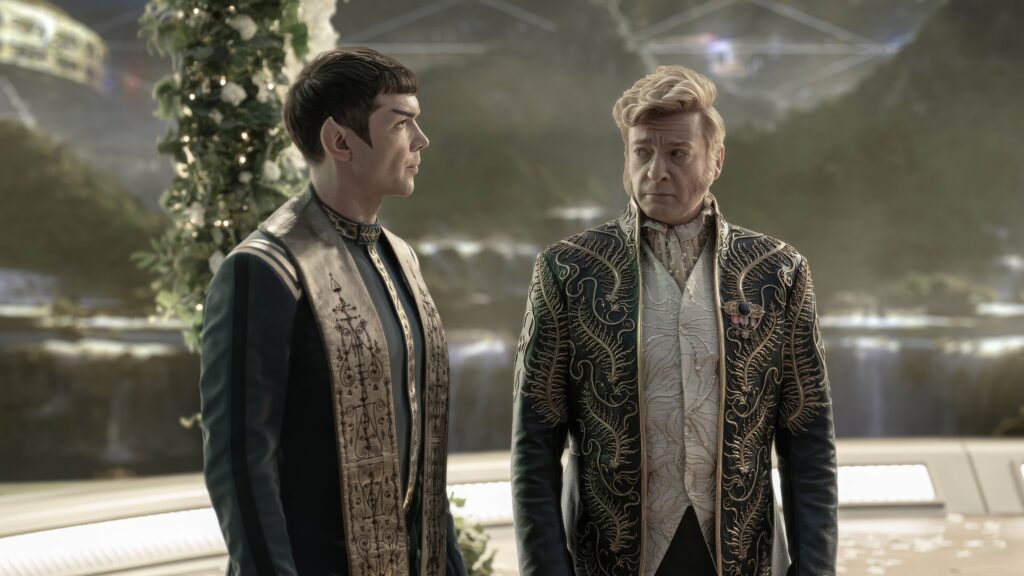
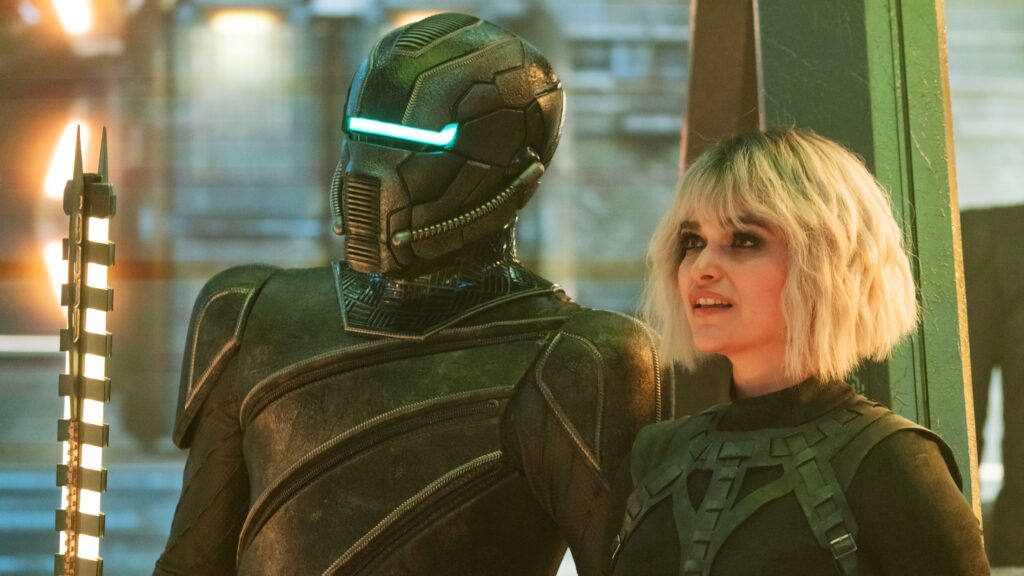
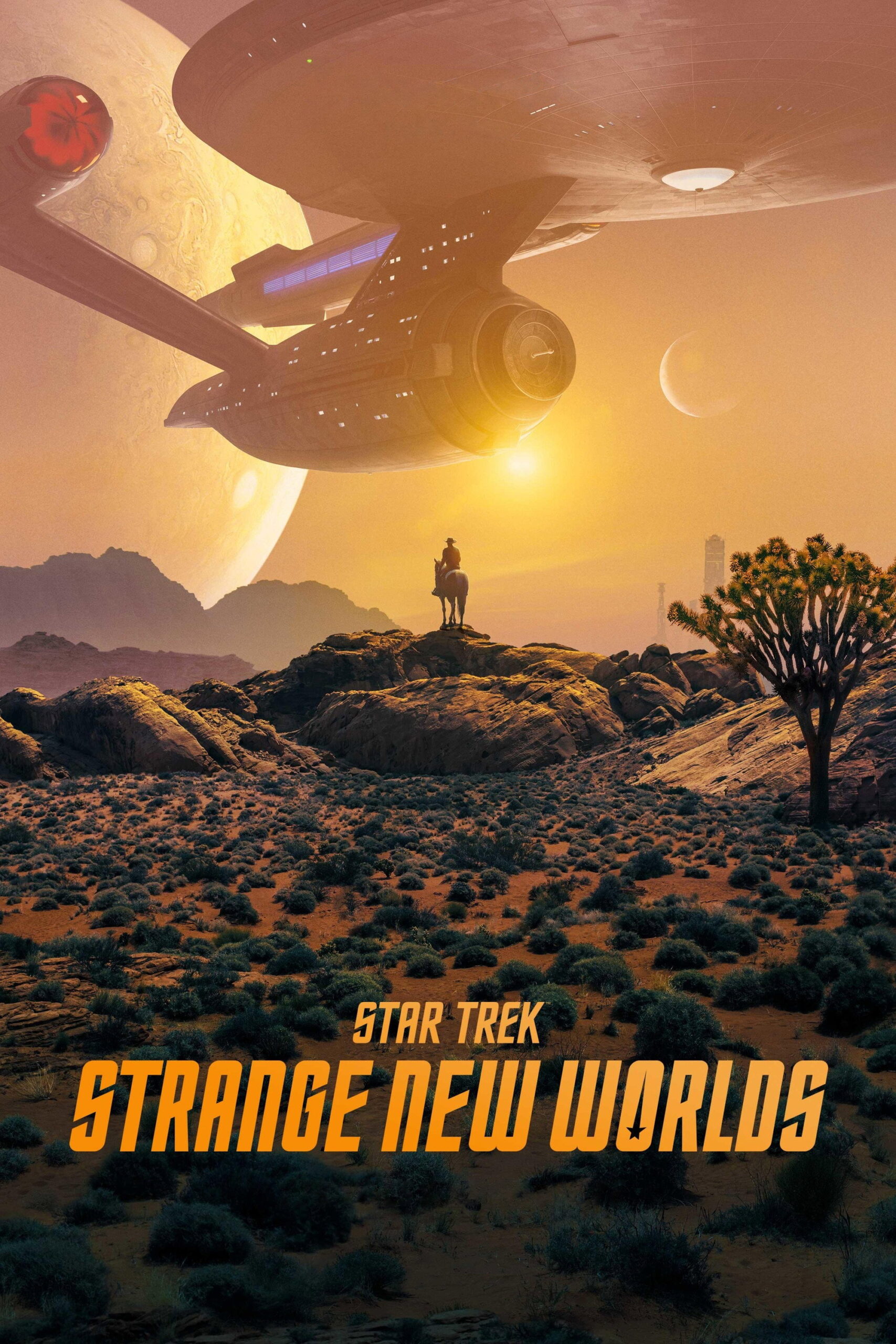
What makes the timing strange is what is happening on the television side. “Strange New Worlds” is airing its fourth season right now and has been described as heading into its second-to-last run, meaning the fifth is the finish. “Starfleet Academy” has been canceled after two seasons, with the second already shot and waiting. Take those two facts together and you get something that has not been true since 2015: there is no new “Star Trek” series being greenlit or put into production. An eleven-year run of continuous development is ending, and the studio’s answer is a movie with no script yet and no release date.
That is a real gamble dressed up as a revival. The last thing the franchise actually released was “Section 31” in 2025, a made-for-TV film that landed badly enough to make everyone stop talking about it. Going from that, to canceling the shows, to a theatrical reboot with all-new characters and an unfinished screenplay is not a plan so much as a bet.
The wreckage behind it is worth knowing about. “Star Trek: Origin” was announced with real fanfare: Toby Haynes, fresh off “Andor,” was set to direct a prequel about humanity’s first contact with alien life and the founding of the Federation, written by Seth Grahame-Smith with J.J. Abrams producing. It sounded excellent. It is dead. Reporting ties its cancellation to the ownership change at Paramount, and Goldstein and Daley were reportedly brought aboard in late 2025 as the new direction after David Ellison took over and started re-examining what the studio’s big franchises should be. We would treat the specifics of that timeline as reported rather than confirmed: nobody has put it on the record from the executive side.
One thing worth flagging, because we have seen it repeated already today: Abrams and Bad Robot are not confirmed on this film. They were attached to “Origin” and to the abandoned fourth Kelvin movie. Nothing said at the panel carried them over, and no producer or production company has been named at all.
So what is this thing? Almost nothing is nailed down. The script is being written. There is no date. There is no cast. There is no era beyond “probably further into the future than we’ve been before,” and Goldstein hedged even that with a “probably.” Which means the actual news out of Comic-Con is a direction, not a movie, a statement of intent that “Star Trek” is going to try being new rather than trying to be 2009 again.
For what it is worth, the franchise has done its best work when it stopped protecting its own past. “The Next Generation” replaced the entire cast and got seven seasons and four films out of it. “Deep Space Nine” put the show on a station, made the lead a widower, and produced the sharpest writing the franchise has ever had. Every era of “Star Trek” that mattered started by making people uncomfortable. Whether that pattern holds for a studio in the middle of a merger with an eleven-year development streak collapsing behind it, that we will find out. Daley says people will be surprised. Given the last ten years, most of us would settle for a movie that actually gets made.
What Do You Think? Can a “Star Trek” film open on brand alone, with no Kirk, no Spock and no face anyone in the audience has met before? Does pushing past the 24th and 25th centuries free the writers from continuity, or does it cut the movie loose from everything that makes Trek feel like Trek? And with “Starfleet Academy” canceled and “Strange New Worlds” heading for its final season, is Paramount betting on the big screen because it believes in this film, or because the television side stopped working?
Catch up properly: every Star Trek series and movie in chronological order on our Timeline Hub’s Star Trek timeline.
See you on the next binge!