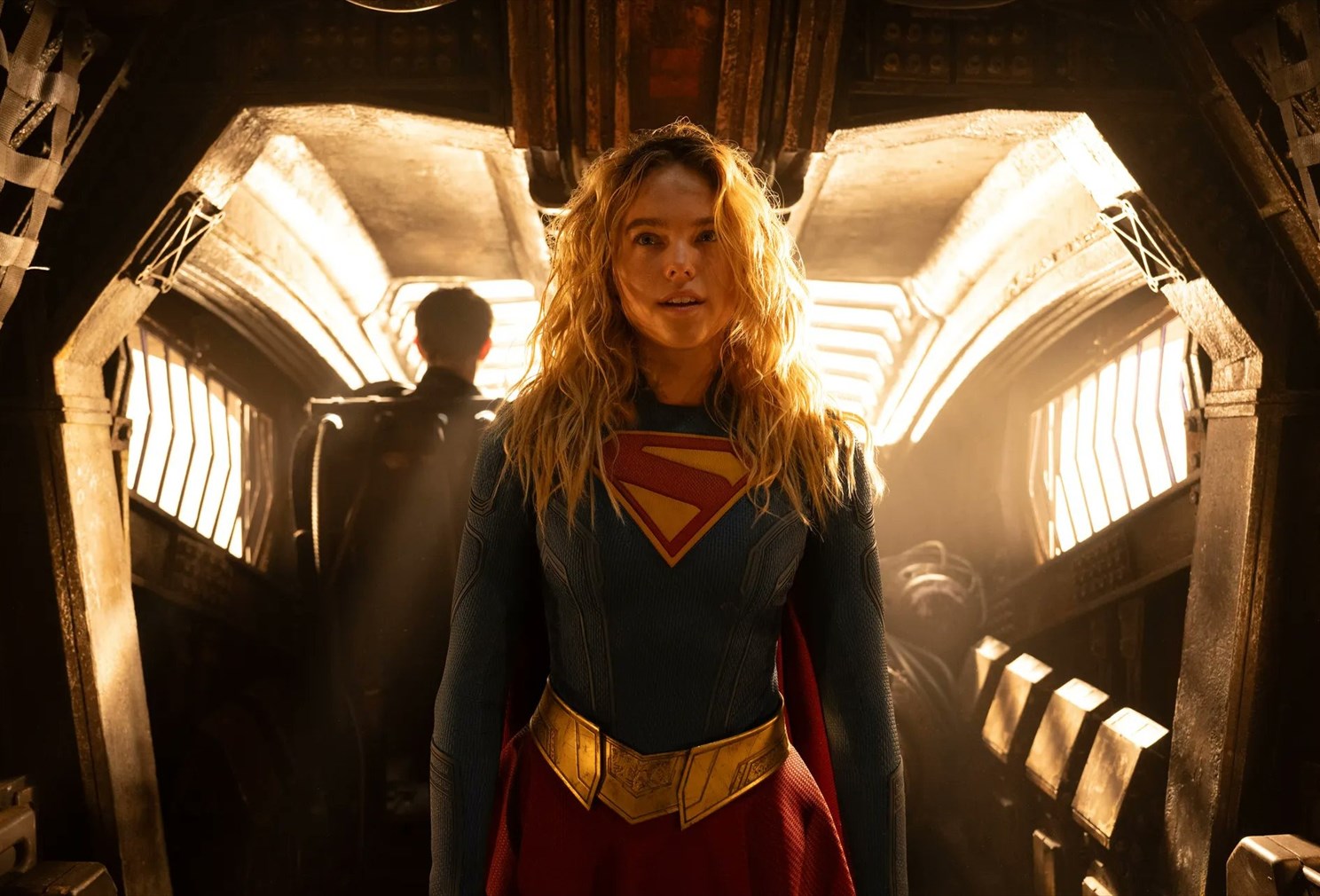
The numbers are in, and they are ugly. “Supergirl” opened to roughly $37 million in North America and about $62.6 million worldwide, and there is no charitable way to frame that for a film reportedly built on a $170 to $186 million budget. This is not a soft launch or a slow start. This is a box office bomb, and it lands as a five-alarm fire for James Gunn’s rebooted DC Universe just as the project was supposed to be proving it could stand on its own two feet.
The comparison making the rounds is the one that stings most. That $38 million domestic figure came in below the opening weekend of “The Marvels,” the 2023 film that became shorthand for superhero-fatigue disaster and a cautionary tale about franchise overextension. When your new tentpole opens beneath the movie the entire industry uses as its worst-case example, the alarm bells are not subtle. Lately, a lot of superhero launches go sideways and this one has the specific, sinking feel of a genuine catastrophe rather than a disappointing-but-recoverable start. Warning beyond this point there are spoilers for the DC Universe and the box office failure of ‘Supergirl’ and its impact on DC Studios’ plans.
When your new tentpole opens beneath the movie the entire industry uses as its worst-case example, the alarm bells are not subtle.”
Let us be clear about what went wrong, because it is a cocktail rather than a single cause. Mixed-to-negative reviews suppressed the word of mouth that superhero films need to sustain momentum. A brutal marketplace, with “Toy Story 5” hoovering up family audiences and a crowded summer slate splitting everyone else, left little oxygen. And a fanbase still wary after years of uneven DC output apparently did not show up on faith. Each factor alone is survivable. Together, they produced a launch that puts real money at risk and real doubt into the reboot. The budget makes the wound deeper. A film that cost north of $170 million to produce, before the enormous marketing spend on top, needs to gross far beyond its budget just to break even, given how theatrical revenue splits with exhibitors. A $62.6 million global opening puts “Supergirl” on a trajectory to lose a significant amount of money, and the projections for its second weekend, which we will get to, only darken the picture. This is the kind of result that triggers hard conversations in a studio’s leadership about strategy, spending, and the road ahead.
Here is what makes it genuinely painful rather than simply bad: it is not Milly Alcock’s fault. Even critics who savaged the film praised her Kara Zor-El, and the recurring story of the reviews was a strong lead marooned in a weak vehicle. The DCU has found a genuine star, someone who could anchor the franchise for a decade, and her introduction has been kneecapped by a movie that did not serve her. That is a maddening outcome, because the hardest thing to find, the right actor for an iconic role, is the one thing this film got right. Everything around that casting failed her.

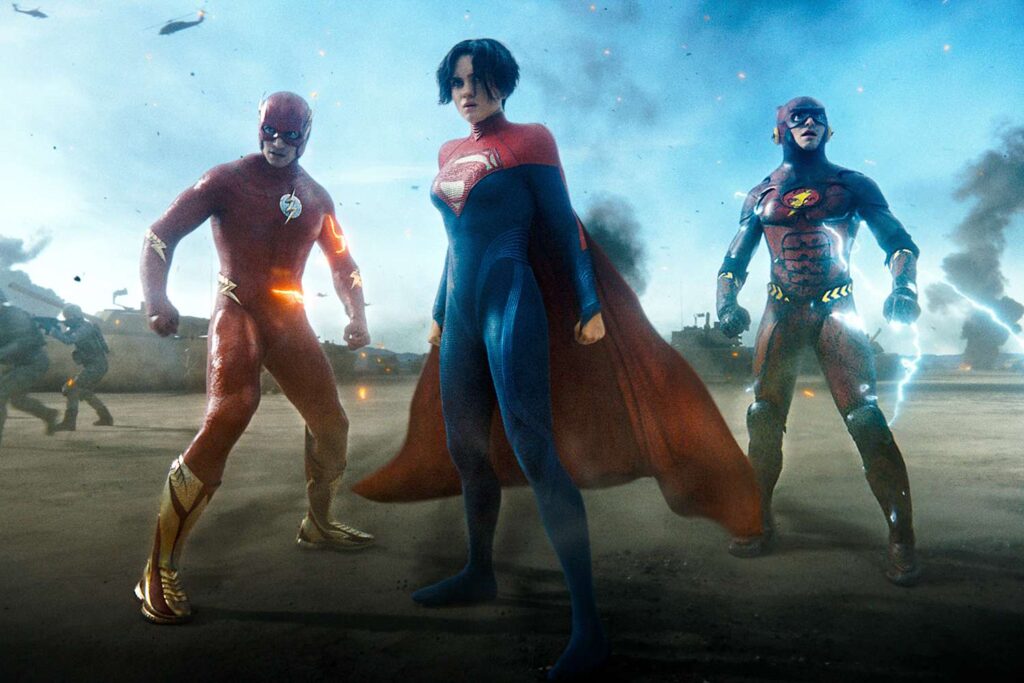
For James Gunn and the broader DCU strategy, this is the moment the honeymoon ends. The reboot launched on the promise of a coherent, quality-controlled vision that would avoid the chaos of the previous DC regime, and one strong opening had suggested the plan was working. “Supergirl” bombing so decisively, so early, reframes the whole narrative and hands the skeptics a devastating data point. The pressure now transfers entirely to the projects still in the pipeline, which have to prove this was an aberration rather than the reboot’s true baseline. There is no room left for a second miss.
The strategic questions this raises are uncomfortable and unavoidable. Does DC Studios reassess its slate? Does a bomb this size affect the greenlighting or the budgets of announced projects? Does it change how aggressively the studio can market its next release, knowing the last one cratered? A single failure does not doom a cinematic universe, but a failure this expensive, this early, absolutely shapes the decisions that follow, and every DCU project now operates under a longer shadow than it did a week ago. Momentum is a currency, and “Supergirl” just spent a fortune of it.
It is worth resisting total doom, though, because franchises have survived worse. The MCU weathered its own stumbles and rough patches on the way to dominance, and one catastrophic opening, however painful, does not by itself end a well-planned universe. The DCU still has its foundational Superman relaunch, still has Alcock as a proven asset, and still has Gunn’s long-game vision guiding the slate. The question is not whether the reboot can survive this. It is whether it can learn from it fast enough to prevent “Supergirl” from becoming the first entry in a pattern rather than a solitary, expensive lesson.

The larger context for the whole genre lurks underneath, too. Superhero fatigue has been diagnosed for years, and every high-profile bomb feeds the argument that audiences have finally cooled on capes. The BR team is not fully convinced the genre is dying, strong entries still perform, but films like this make the case that audiences have grown selective rather than loyal, that the automatic opening-weekend turnout of the genre’s peak is gone. Quality and word of mouth matter now in a way they did not when a superhero logo alone could guarantee a massive debut. “Supergirl” is a data point for that harder, more discerning era.
So the house of El has fallen, at least at the box office, and the DCU faces its first true crisis. A promising star, a failed film, an enormous budget, and a nervous studio staring at losses and hard questions. Whether this becomes a footnote in a successful universe’s history or the first crack in a familiar collapse depends entirely on what DC Studios does next, and how quickly it can prove that “Supergirl” was the exception. For now, the fire is real, the money is gone, and the reboot’s honeymoon is officially, decisively over.
What Do You Think? Is “Supergirl” opening below “The Marvels” a survivable stumble for the DCU or the first sign of a familiar collapse? Should DC Studios keep Milly Alcock front and center despite the film’s failure, or does a bomb this size complicate her future as Kara? And does this result prove superhero fatigue is real, or just that audiences have finally started demanding quality before they show up?
Catch up properly: every DC movie and show in chronological order on our Timeline Hub’s DC timeline.
See you on the next binge!