While the entire internet keeps its eyes locked on the slow march toward the next big Avengers showdown, Marvel quietly slipped one of its most beautiful projects in years onto Disney+ with almost no fanfare. “Eyes of Wakanda” premiered this week, dropping all four of its episodes at once, and it is a gorgeous, thoughtful little animated miniseries that proves the studio’s cartoons are quietly becoming its most interesting output. This is not a loud, franchise-shaking event. It is a focused, self-contained gem, and it deserves a lot more attention than it is going to get in the shadow of the tentpoles.
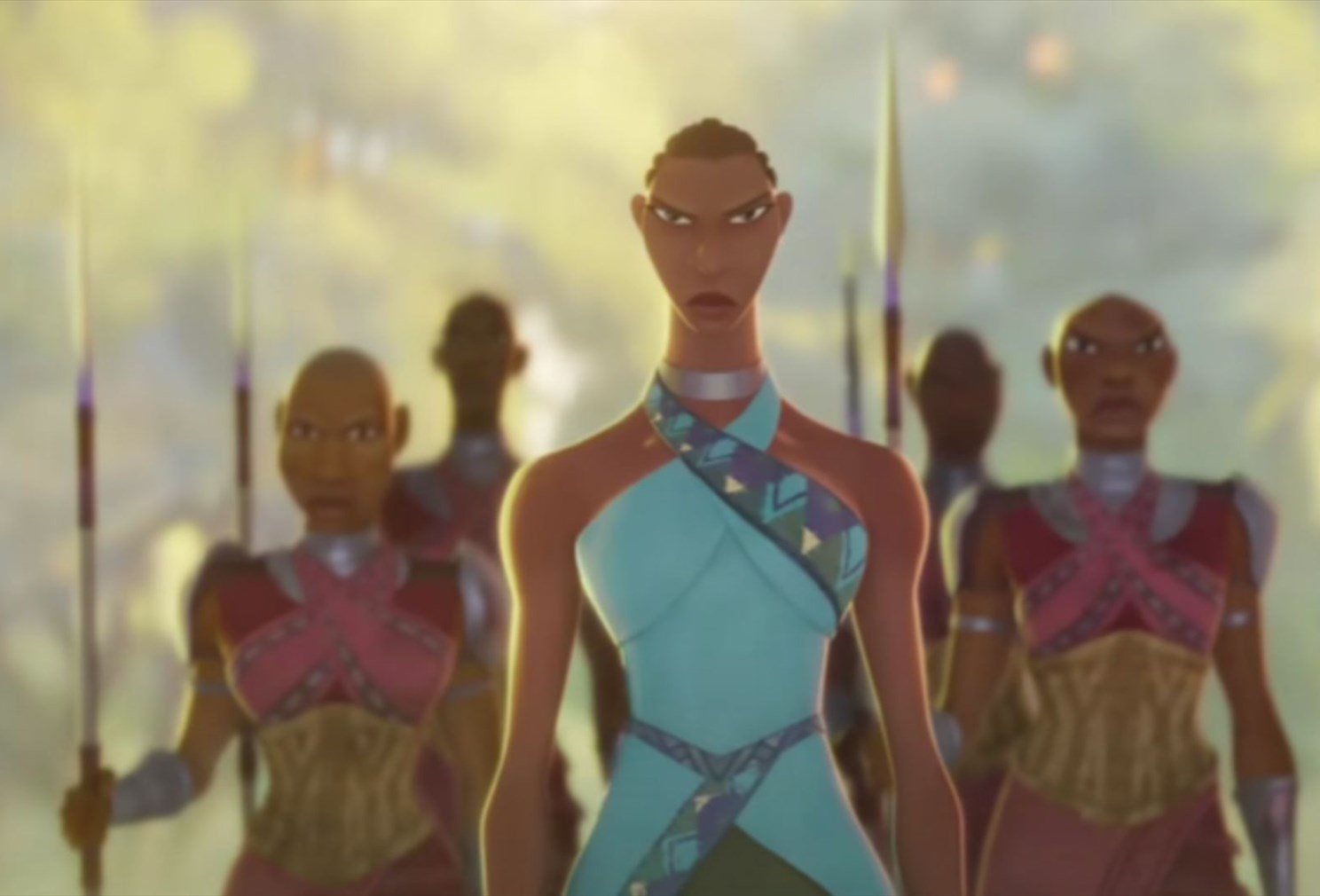
The series takes us deep into the history of the MCU’s most beloved corner, following the Hatut Zaraze, a secretive order of Wakandan warriors who carry out dangerous missions across the globe and throughout history to retrieve stray vibranium artifacts before they fall into the wrong hands. Crucially, and unlike the multiverse-hopping “What If…?”, this show is set firmly within the main MCU continuity, the Sacred Timeline, which means everything we see here actually counts. Todd Harris created and runs the series, with Ryan Coogler’s Proximity Media on board as a producer alongside Kevin Feige, and a voice cast that includes Steve Toussaint and Winnie Harlow. Warning: beyond this point there are spoilers for “Eyes of Wakanda” and its place in the Black Panther corner of the MCU.
Unlike the multiverse-hopping “What If…?”, this show is set firmly within the main MCU continuity, which means everything we see here actually counts.”
The anthology structure is the smartest thing about it. By spreading its stories across different eras of Wakandan history, the show gets to explore the nation not as the futuristic paradise we met in the films, but as a living, evolving civilization with a long and complicated past. Each episode functions as its own contained adventure, a chance to meet new warriors facing new dilemmas, while the connective thread of the Hatut Zaraze and their vibranium-guarding mission gives it a satisfying throughline. It is world-building in the best sense, deepening a place we thought we knew by showing us the centuries of history that made it.
Coogler’s involvement matters here, because the “Black Panther” films succeeded precisely because they took Wakanda and its culture seriously, treating it with a richness and specificity that most blockbuster world-building never bothers with. That same care is evident throughout this series, in the way it engages with Wakandan ethics, tradition, and the moral weight of guarding a resource the rest of the world would kill for. This is a show genuinely interested in ideas, in what it means to protect a legacy, and that thematic ambition elevates it well above the level of a disposable tie-in.
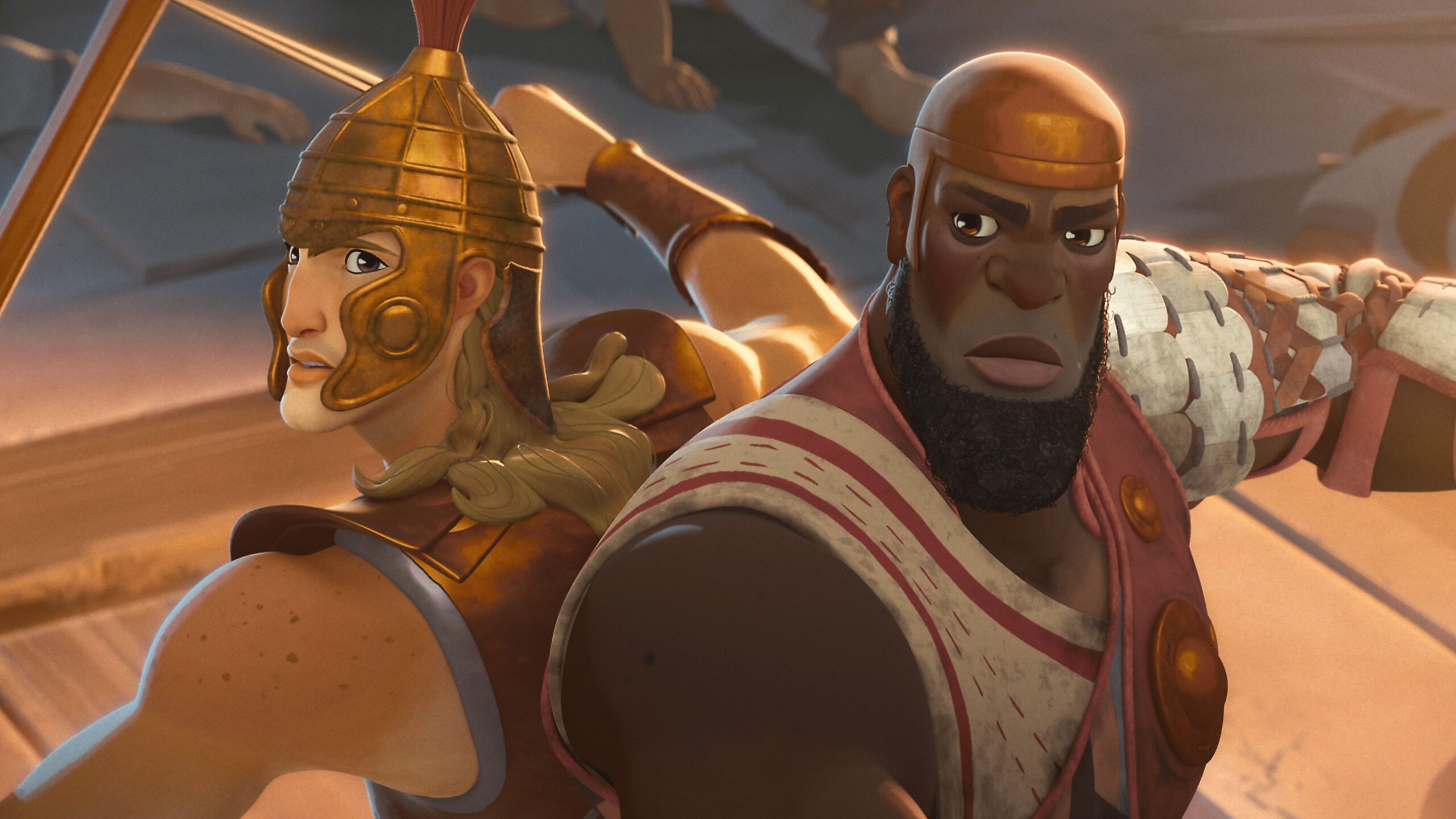
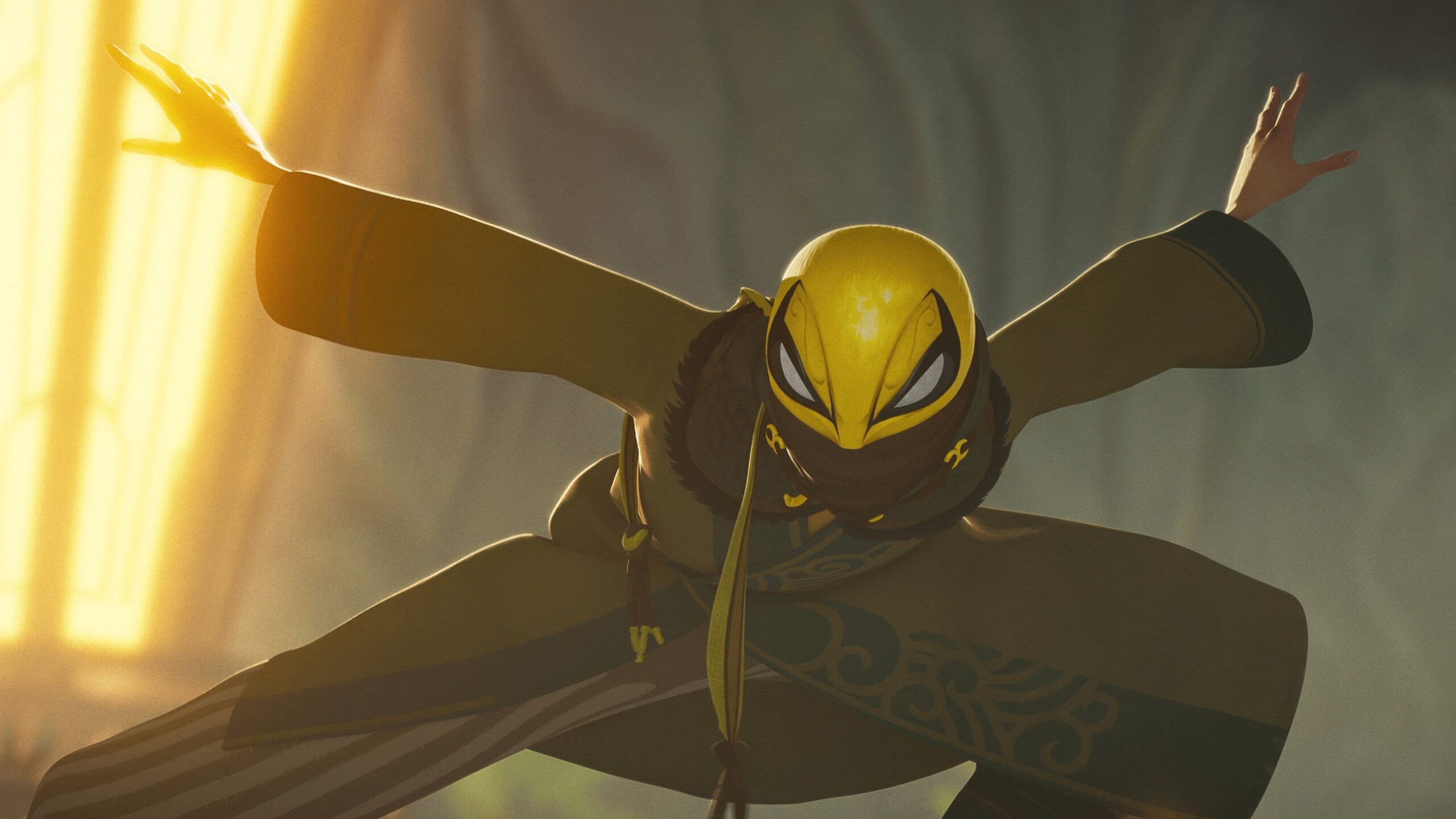
Visually, it is a knockout. The animation has a striking, distinctive style that sets it apart from Marvel’s other animated efforts, and the critical response has rightly singled out the craftsmanship along with the thoughtful storytelling. The strong reviews confirm what a pleasant surprise this is, a project made with real artistic intention rather than corporate obligation. In a landscape where so much content feels engineered by committee, “Eyes of Wakanda” feels handmade, personal, and considered.
What makes this release quietly significant is what it says about Marvel animation as a whole. The studio’s cartoons have increasingly become the place where it can experiment, take formal risks, and tell smaller, more focused stories that the live-action machine has no room for. “Eyes of Wakanda” is a perfect example, a canon-relevant, artistically ambitious piece of storytelling that expands the universe in a genuinely meaningful way without demanding a massive budget or a place in the crossover calendar.
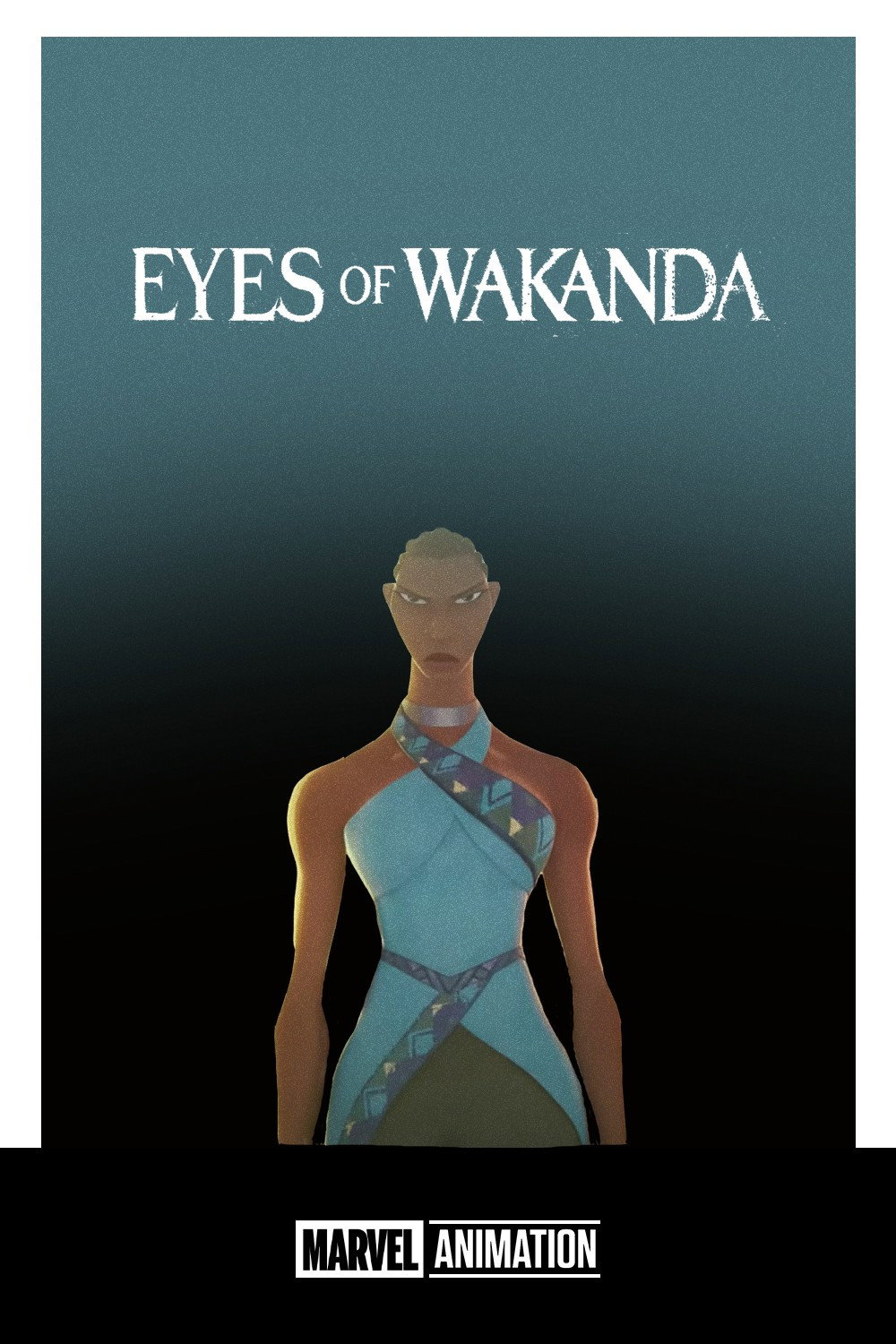
It may fly under the radar, but for anyone paying attention, it is a reminder that some of the best Marvel storytelling is happening in animation, one thoughtful episode at a time.
What do you think? Does setting “Eyes of Wakanda” in the main MCU continuity rather than an alternate universe make its historical stories hit harder? Is Marvel animation quietly becoming the studio’s most creatively adventurous output while the films chase spectacle? And after this, would you want a full ongoing series exploring the deep history of Wakanda across the centuries?
Catch up properly: every MCU movie and show in chronological order on our Timeline Hub’s MCU+ timeline.
See you on the next binge!