We’re conditioned to expect the good guys to win. The hero rallies, the music swells, evil gets its comeuppance, and we all go home satisfied. Which is exactly why the movies that dare to let the villain walk away victorious hit so hard. There’s something genuinely unforgettable about a film with the nerve to deny us our tidy triumph, to end on the bad guy standing over the wreckage with a smile. Here at the BR team, we have a real soft spot for these gut-punch endings, so let’s raise a glass to the movies where evil took the crown. Warning: beyond this point there are spoilers for major plot twists and endings of the films discussed below.
There’s something genuinely unforgettable about a film with the nerve to deny us our tidy triumph, to end on the bad guy standing over the wreckage with a smile.”
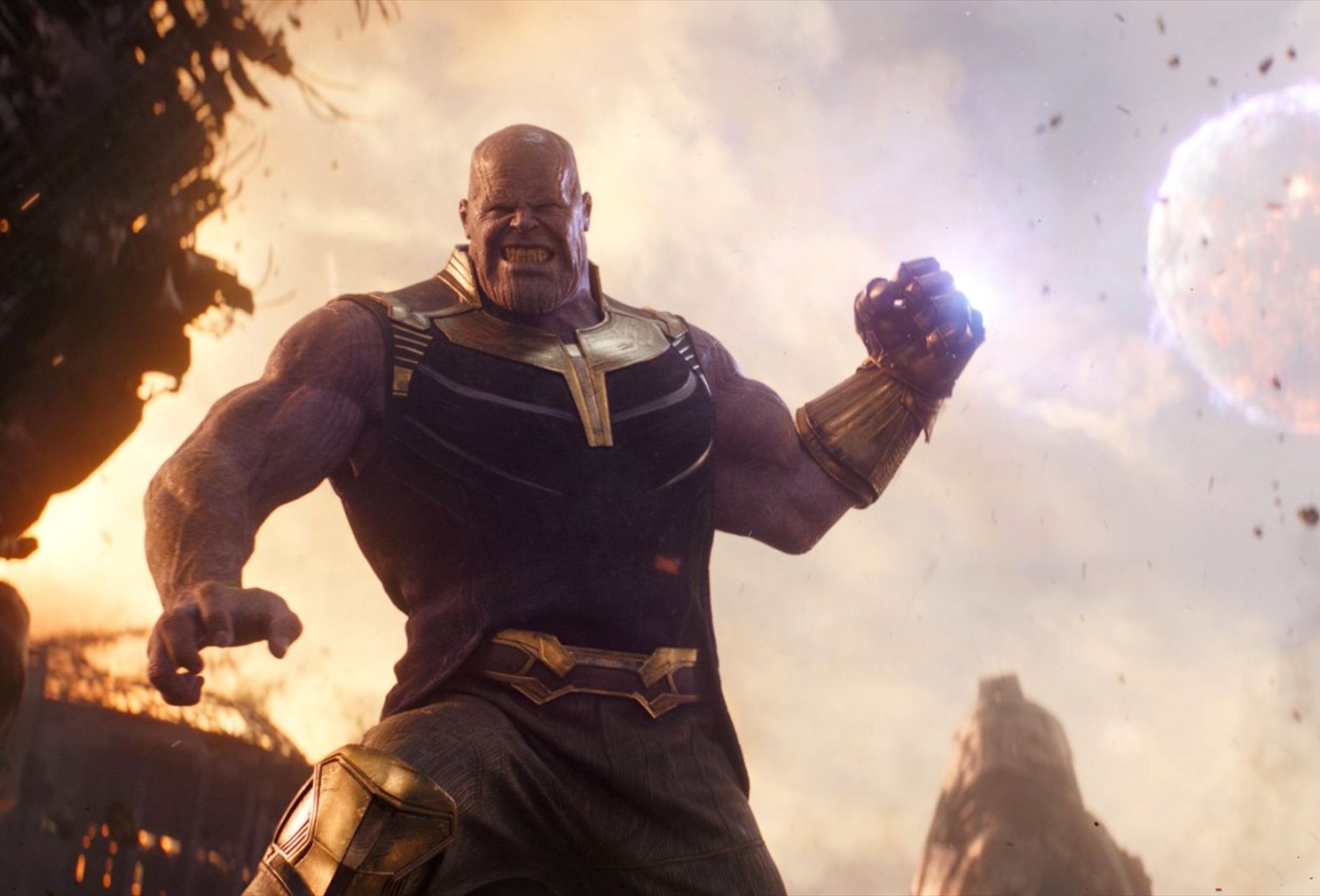
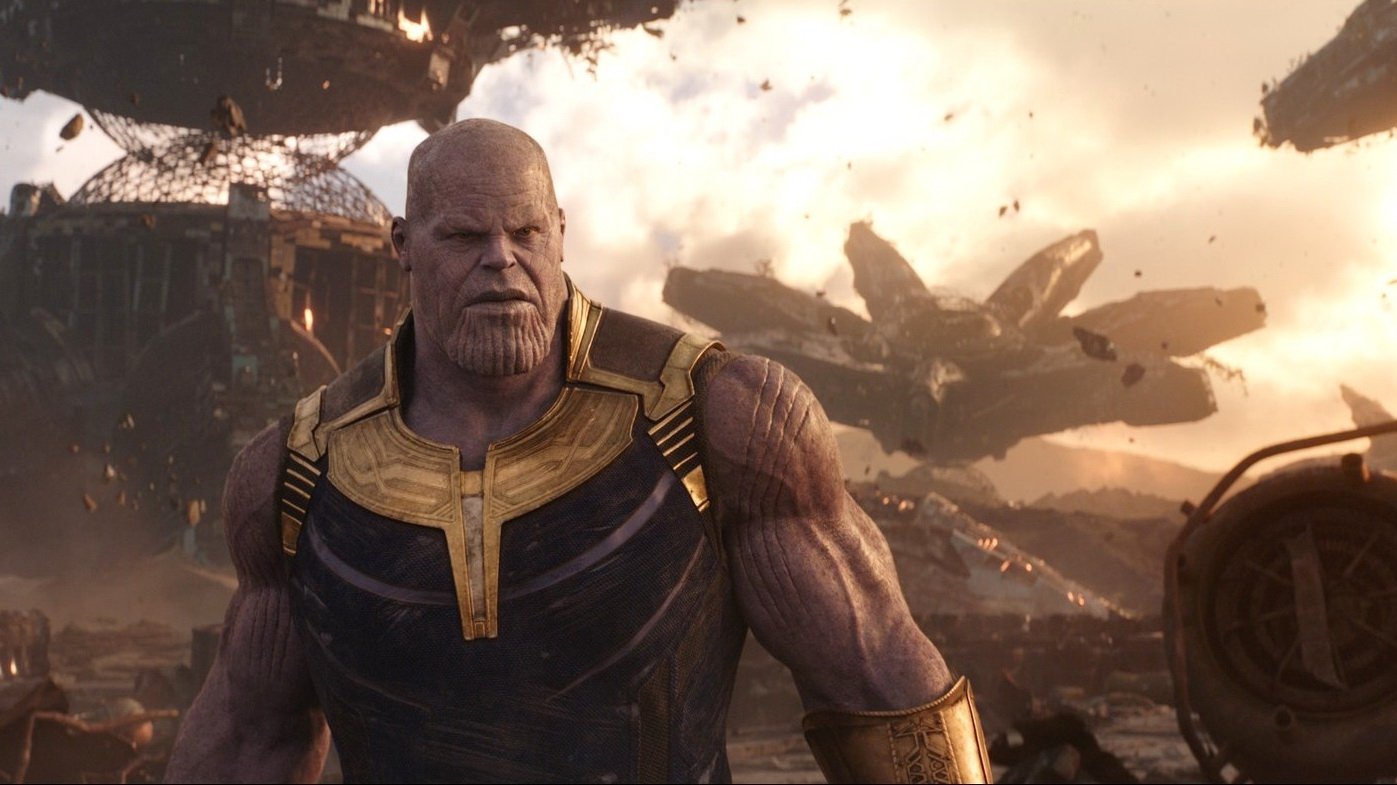
The gold standard, of course, is “Avengers: Infinity War.” For an entire film, the mightiest heroes Earth and the galaxy could muster threw everything they had at Thanos (Josh Brolin), and it wasn’t enough. The Mad Titan collected all six Infinity Stones, snapped his fingers, and wiped out half of all life in the universe, then retired to a quiet farmhouse to watch the sunrise, genuinely at peace. Blockbusters simply do not end that way, which is why that final image landed like a sledgehammer. A cliffhanger, sure, but for two hours the biggest movie franchise on the planet let the villain win completely, and it was breathtaking.
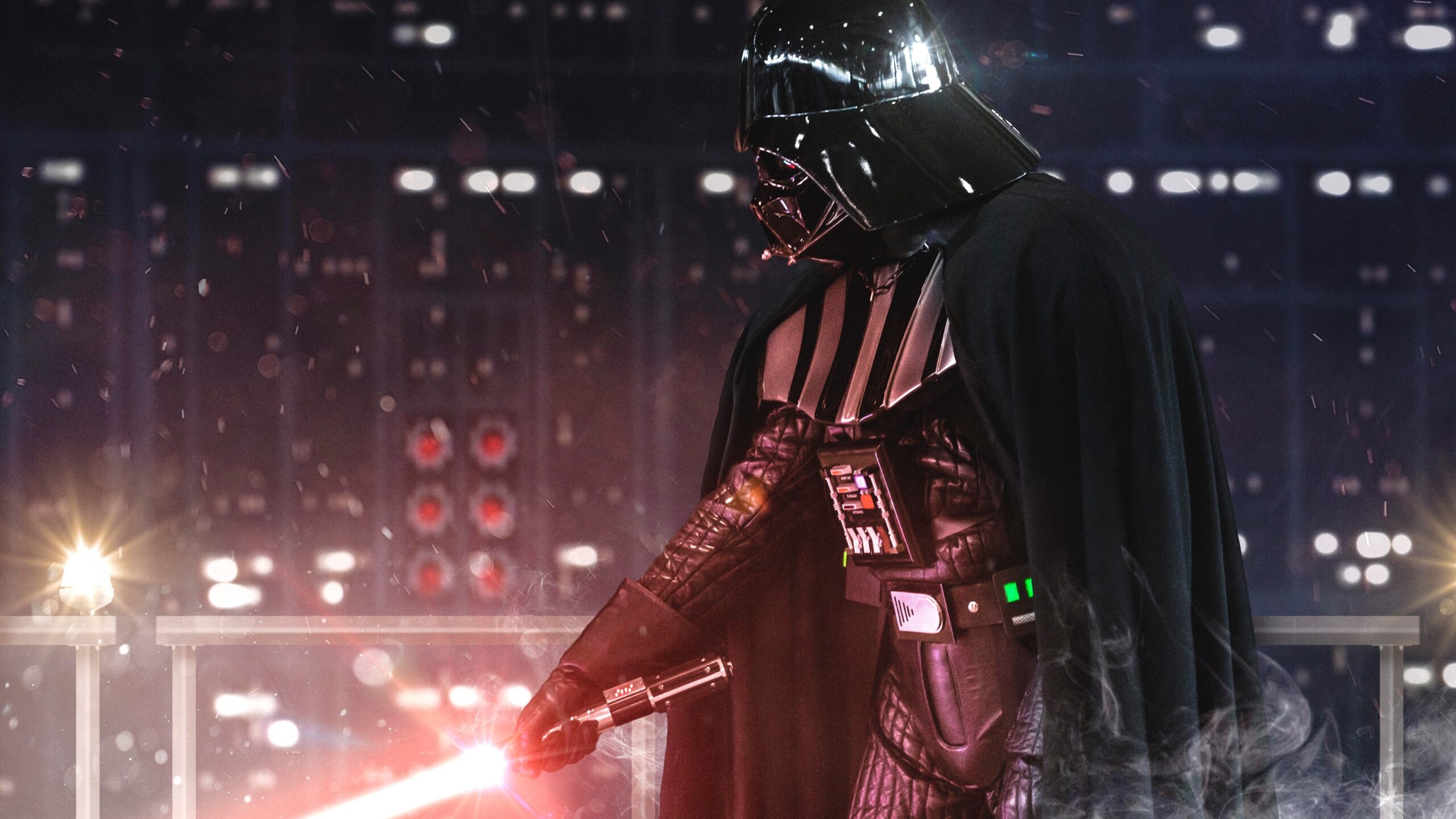
Long before Thanos, though, there was the ending that traumatized a generation of kids: “Star Wars: The Empire Strikes Back.” The middle chapter of the original trilogy is beloved precisely because it’s a catalog of defeat. Han Solo is frozen in carbonite and hauled off by a bounty hunter, Luke gets his hand lopped off and learns the villain is his father, and the Rebellion is left scattered and reeling. Darth Vader and the Empire don’t just win: they dominate. It remains the template for how to make a sequel with real stakes, proving that a hero’s lowest point can be the most powerful story of all.
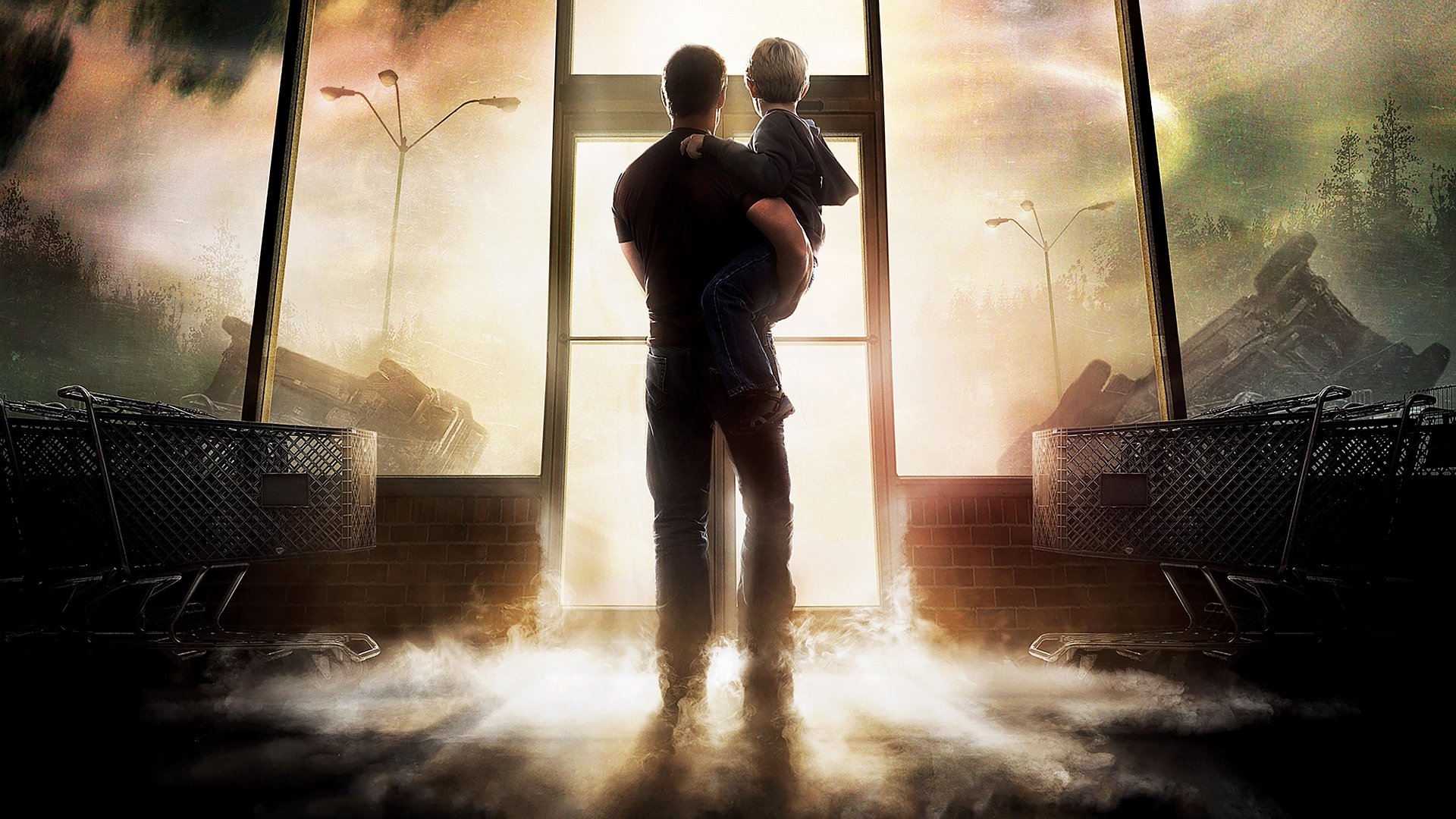
Horror, unsurprisingly, has always understood the power of a downbeat ending. Frank Darabont’s “The Mist” delivers perhaps the most soul-crushing finale in the genre’s history: a father, believing all hope is lost and wanting to spare his son and their companions a horrific death, makes an unthinkable choice, only for rescue to arrive moments too late. It’s so bleak that even Stephen King, who wrote the original novella, admitted the movie’s ending was darker than his own. The monster here isn’t a creature; it’s despair, and despair wins outright.
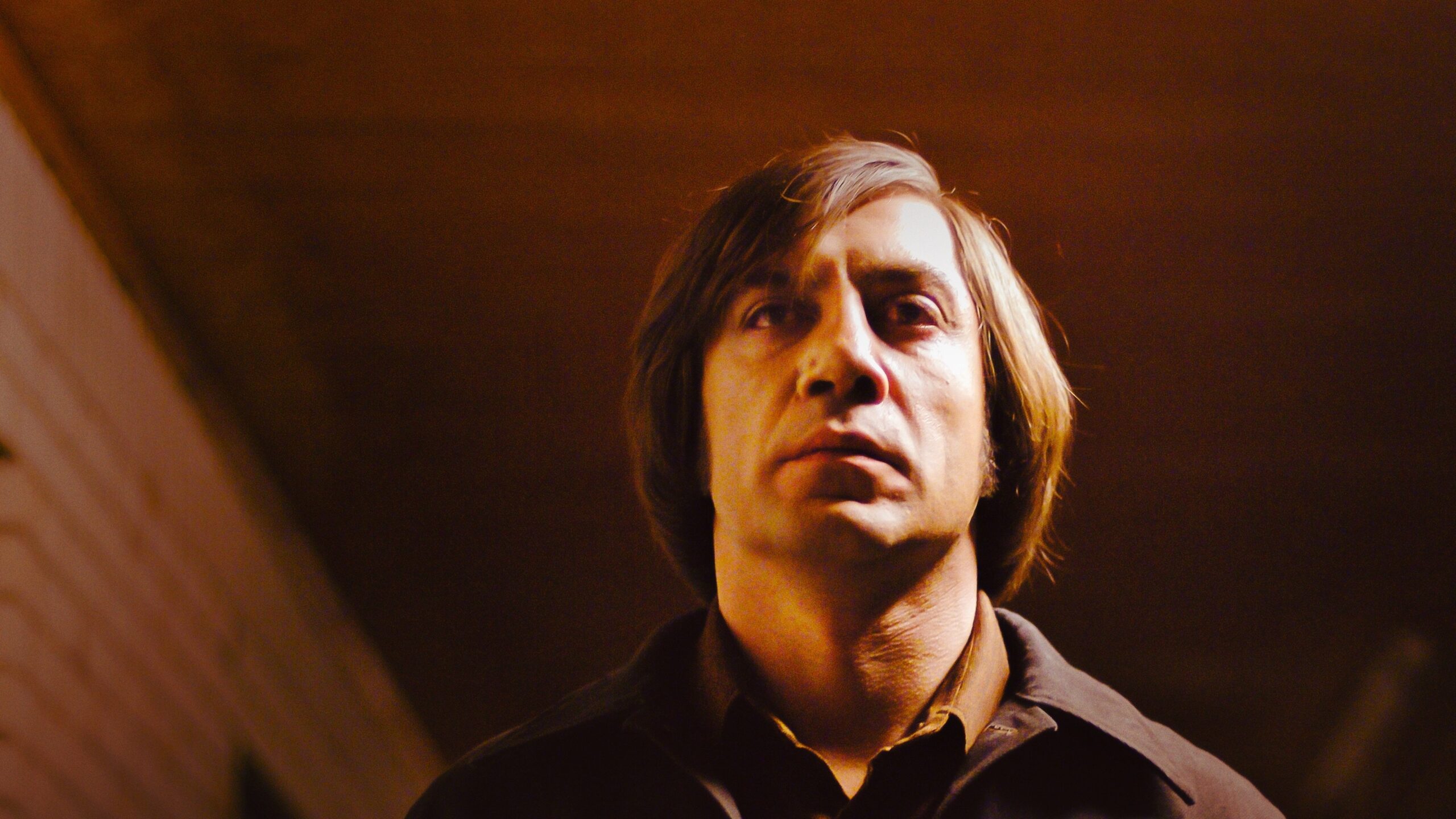
Then there’s the quiet, philosophical kind of evil that simply cannot be stopped. In the Coen Brothers’ “No Country for Old Men,” the relentless killer Anton Chigurh (Javier Bardem) moves through the story like a force of nature, and the film pointedly refuses to give him the comeuppance every thriller convention demands. He kills who he wants, survives a random car crash, and limps away into an ordinary suburban afternoon, uncaught and unpunished. The movie’s whole thesis is that this kind of chaos can’t be reasoned with or defeated: a chilling idea that lands because the film has the courage to let him go.
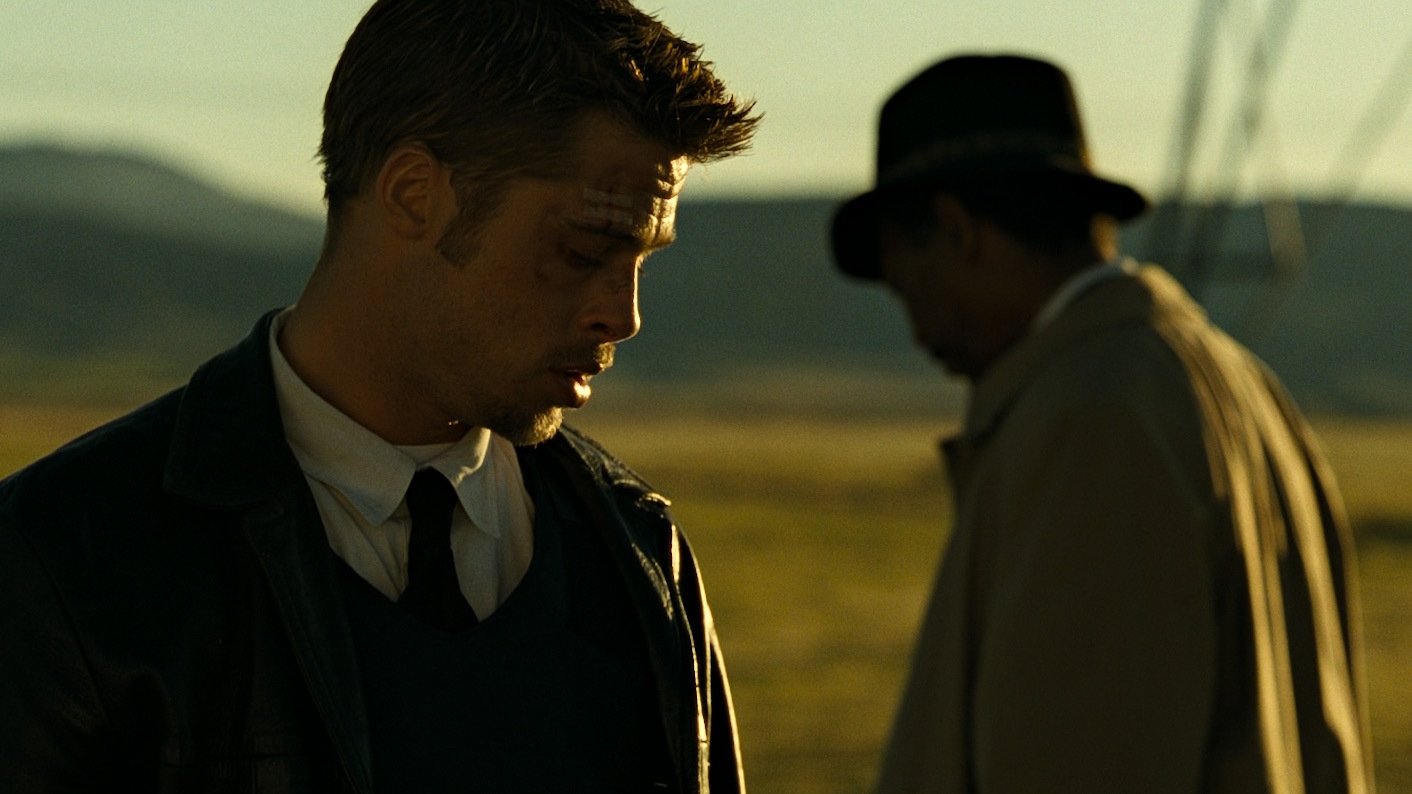
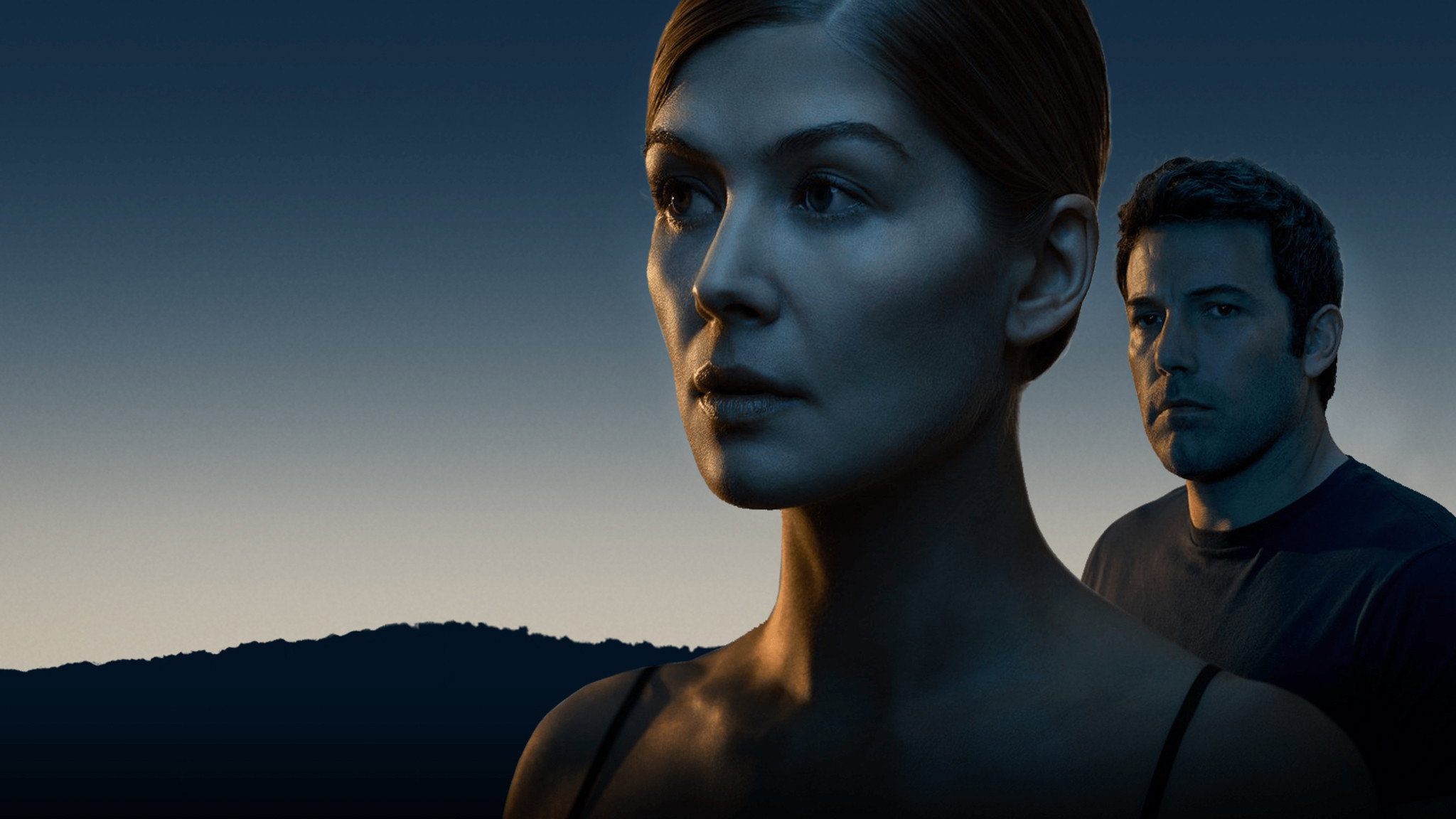
Sometimes the villain wins by being smarter than everyone, including the audience. “Se7en” ends with the serial killer John Doe (Kevin Spacey) completing his gruesome masterpiece by manipulating a detective into becoming the final act of his design: evil not merely escaping justice but weaponizing the hero’s own righteousness against him. “Gone Girl” gives us Amy Dunne (Rosamund Pike), who frames her husband, murders an ex-lover, and traps her spouse in a marriage-as-prison, all while playing the media like a fiddle and getting away with everything. Both films end with the villain firmly, terrifyingly in control, and we’re left sitting in stunned silence.
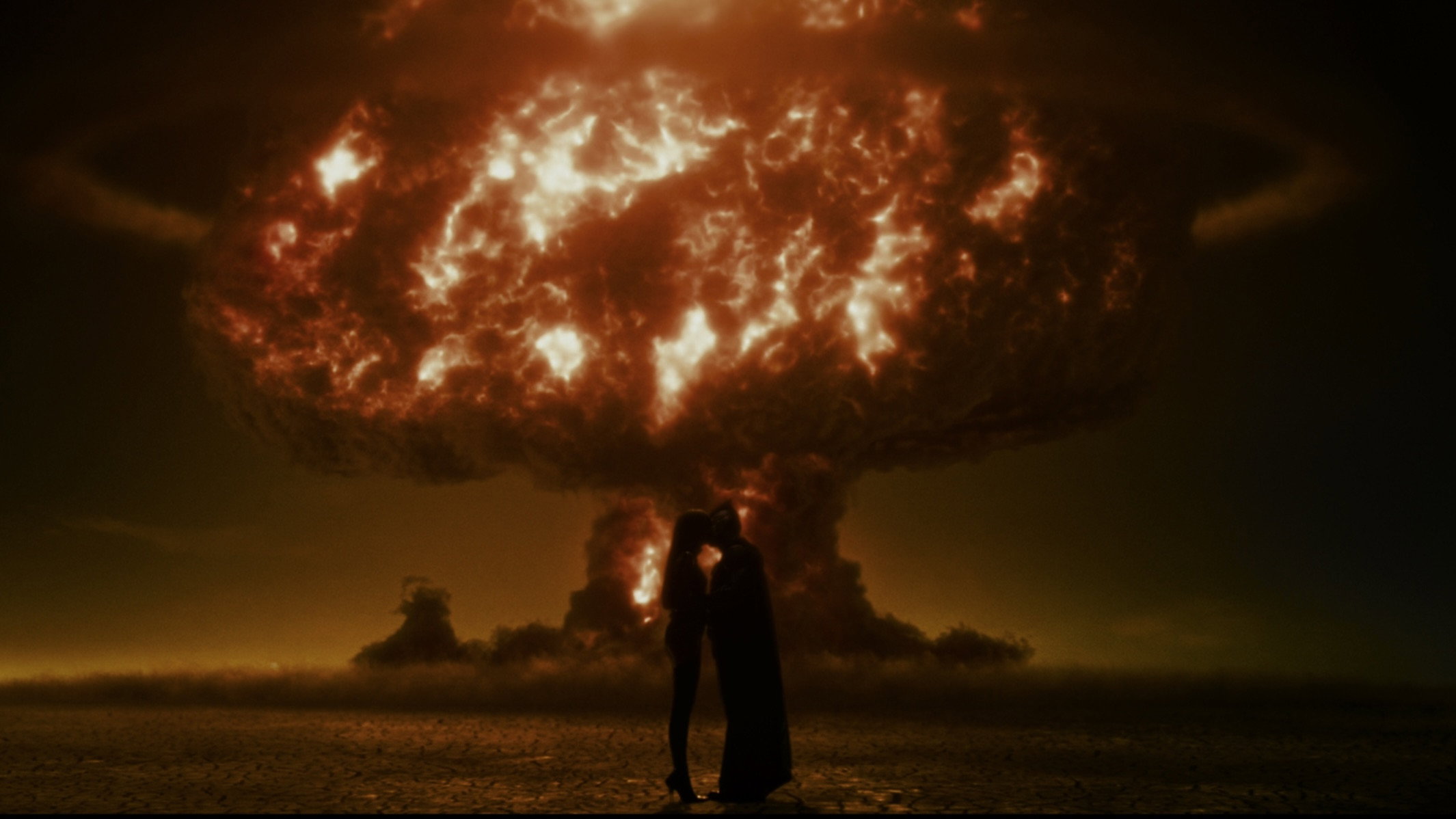
And then there’s the villain who wins by being right, in the most disturbing way possible. “Watchmen” builds to the revelation that Ozymandias has already executed his catastrophic plan before the heroes can stop him, and worse, it works, uniting a fractured world through an act of monstrous mass murder. The heroes are left to decide whether exposing the truth is worth shattering the fragile peace it bought. There’s no clean victory to be had, only a grim moral compromise, which is exactly why it lingers. The best of these endings don’t just let evil win; they make you sit with what that victory costs.
What ties all of these together is nerve. It takes real confidence for a film to send its audience home unsettled instead of satisfied, to trust that a bleak or shocking ending will resonate louder than a triumphant one. And history has proven it does: these are among the most discussed, most rewatched, most influential endings ever put to film, precisely because they refused to play it safe. So the next time you settle in for a movie night and the hero looks doomed, remember: sometimes the most memorable stories are the ones where the bad guy gets the last laugh. Just maybe keep the lights on afterward.
What Do You Think? Which movie villain’s victory hit you the hardest: Thanos’s snap, Vader’s dominance, or a quieter evil like Anton Chigurh walking free? Are downbeat endings where the bad guy wins braver and more memorable than triumphant ones, or do they leave you unsatisfied? And which film do you think has the single most devastating “evil wins” finale of all time?
See you on the next binge!