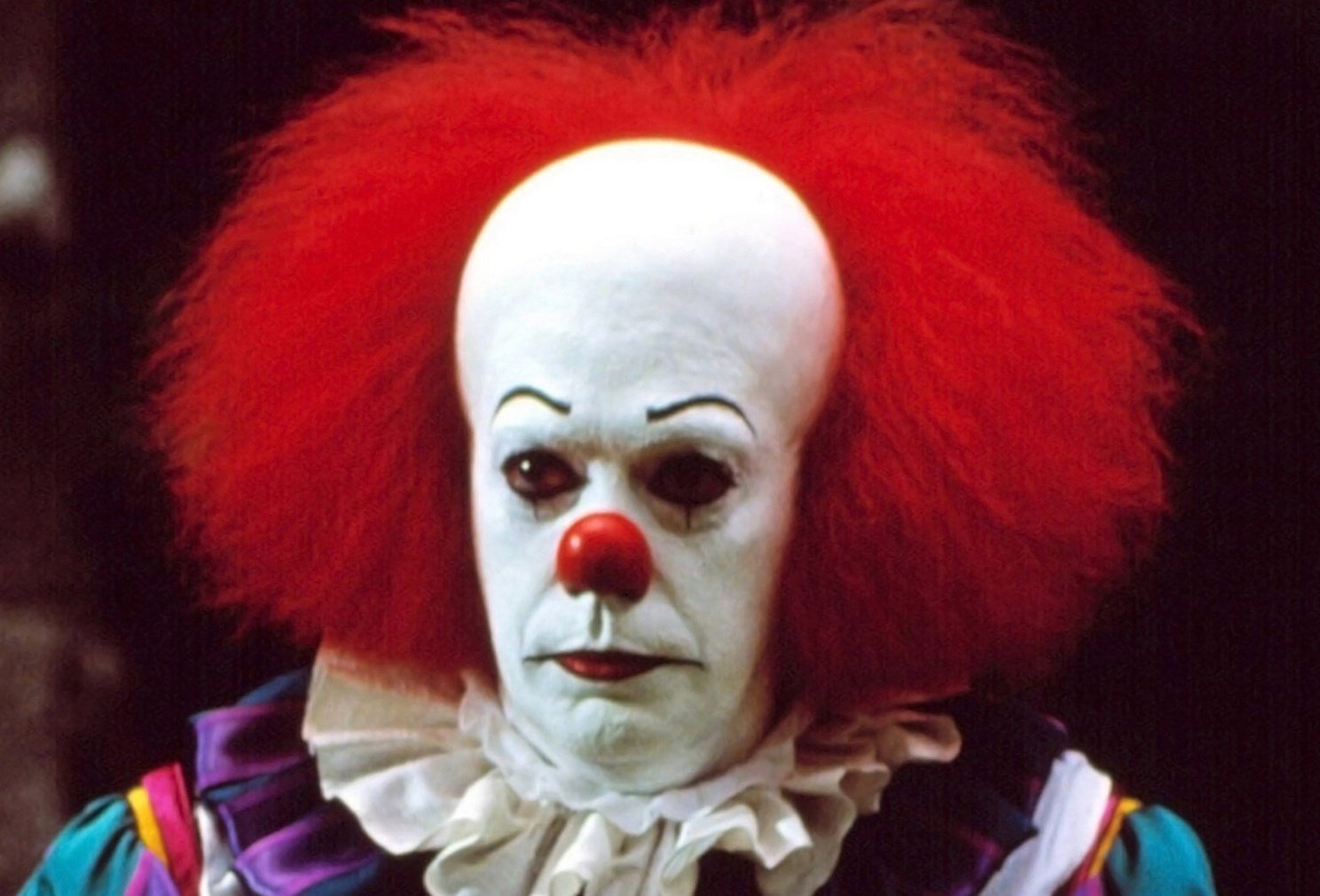
Tim Curry died on Tuesday night at his home in Los Angeles. He was 80. His manager confirmed the death, no cause has been given, and no foul play is suspected. Curry had been in fragile health since 2012, when a stroke sent him into brain surgery and left him using a wheelchair, and he spent the years afterward working almost entirely with his voice. He never really stopped. His memoir “Vagabond” came out last October, and he sat for interviews about it with the flat, amused calm of a man who had long ago stopped being impressed by his own fame.
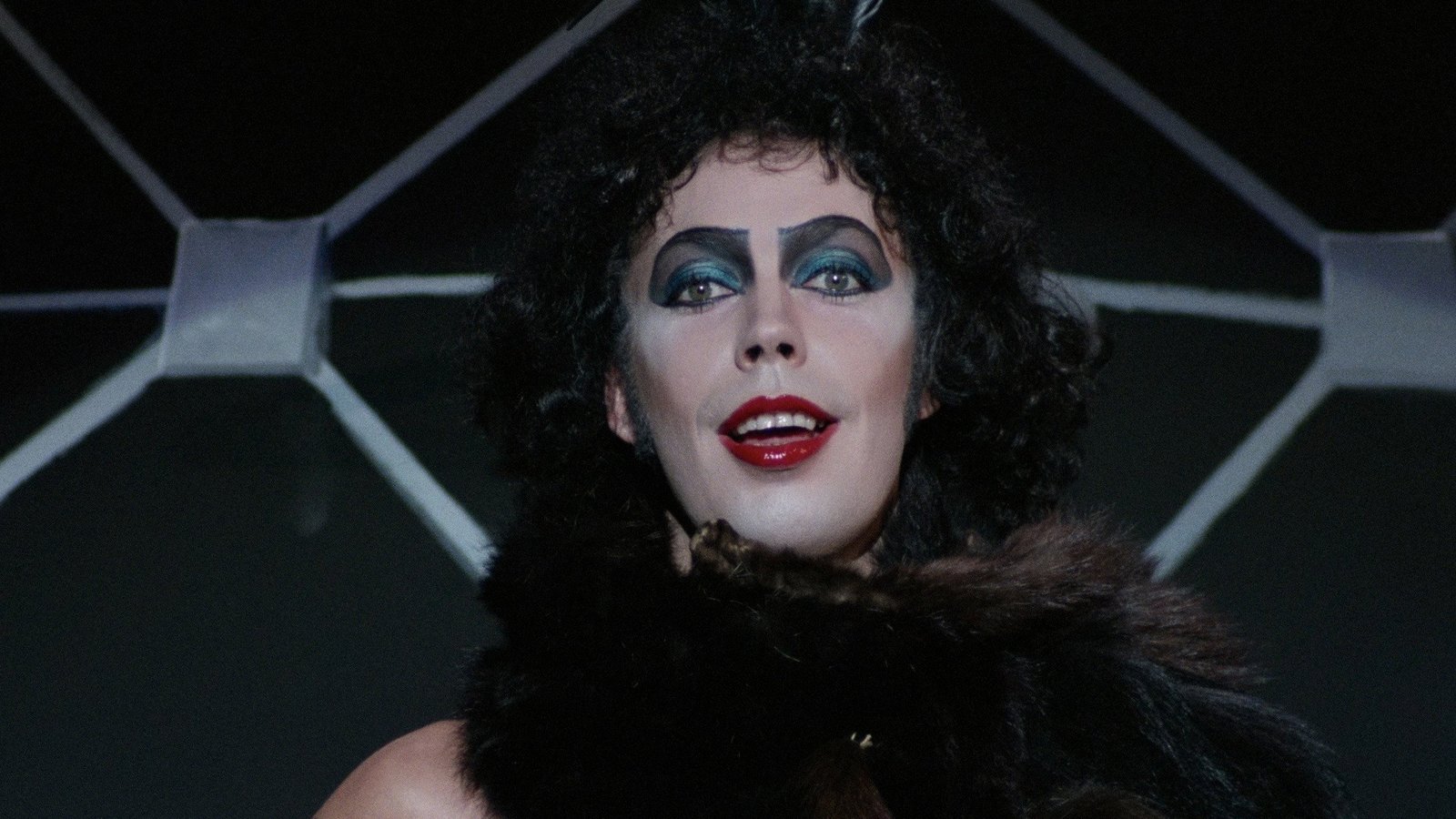
Most actors are lucky to get one role that outlives them. Curry got two, and they could not be less alike. He was Dr. Frank-N-Furter in “The Rocky Horror Picture Show,” the part that turned a small London stage show into a midnight ritual that has never once stopped running. He was also Pennywise in the 1990 television version of Stephen King’s “It,” the clown who taught an entire generation exactly what a storm drain was for.
One of those performances gave frightened teenagers permission to be themselves. The other made a red balloon into a threat. Very few careers contain both, and almost nobody has ever contained them this comfortably.”
“It” ran on ABC across two nights, 18 and 20 November 1990, and the miniseries around Curry has not aged especially well. The effects belong to their decade, the second half sags under the weight of the grown-up cast, and the ending is the ending. The performance sitting in the middle of it has aged perfectly. Curry played Pennywise as a working clown who was genuinely good with children, all warmth and patter and easy chat, with a voice that kept dropping half an octave whenever nobody sensible was listening. The horror came out of the gap between those two registers rather than out of the makeup, which is why the storm drain scene still lands on people who have watched every jump scare made since. He is doing a friendly voice. That is the entire trick, and it is much harder than it looks.
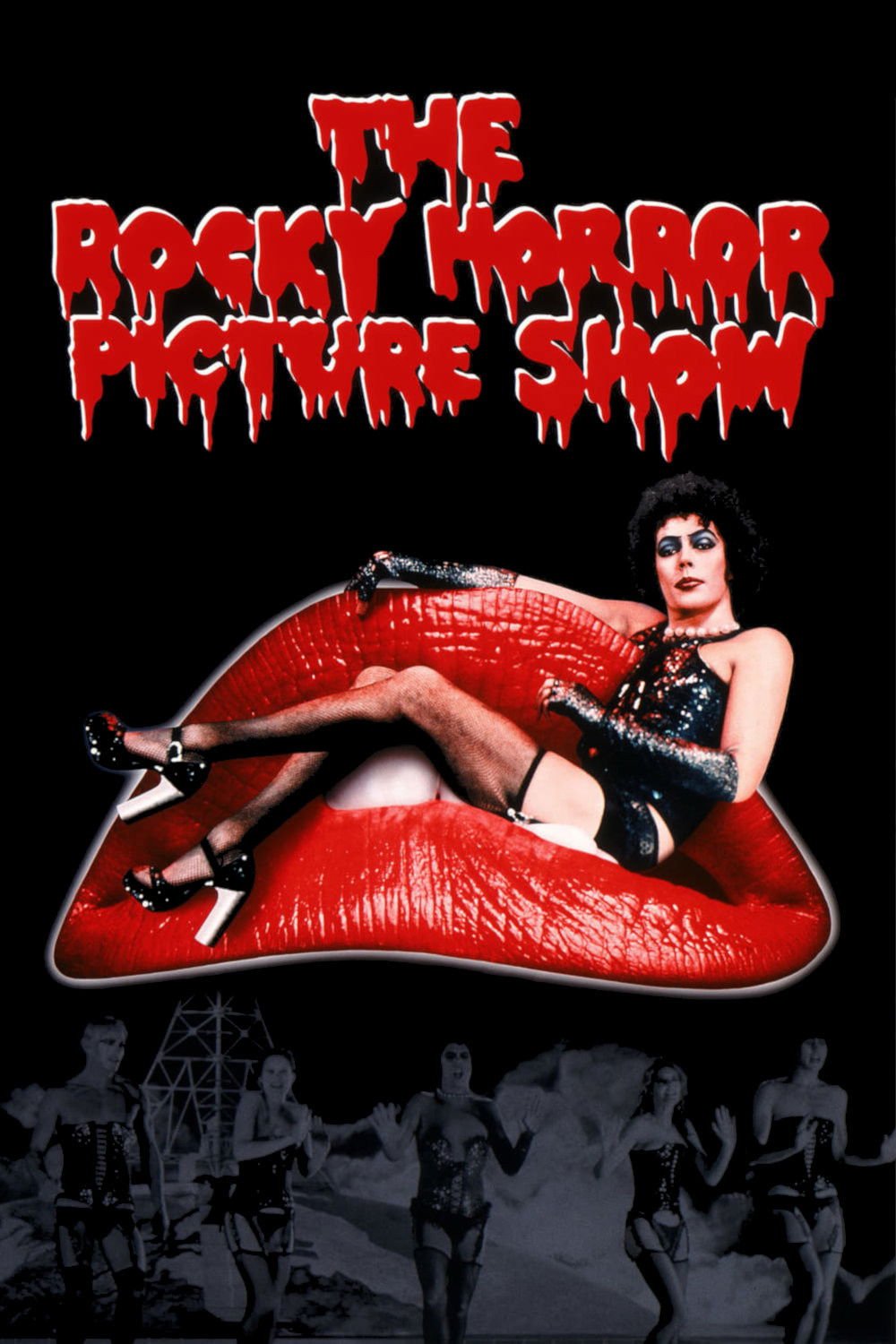
Frank-N-Furter came first and travelled further. Curry originated the role on stage before “The Rocky Horror Picture Show” reached cinemas in 1975, where it failed on release and then found its real life at midnight screenings full of people in fishnets shouting at the screen. He understood precisely what the part had done for the people who kept showing up. Speaking to CBS about the character’s hold on audiences, he said Frank “gave a lot of teenagers permission to be different, and I’m very happy that he did have that power.” That is a generous thing for an actor to say about a role he could never entirely put down, and he said it without a trace of the resentment the sentence could easily have carried.
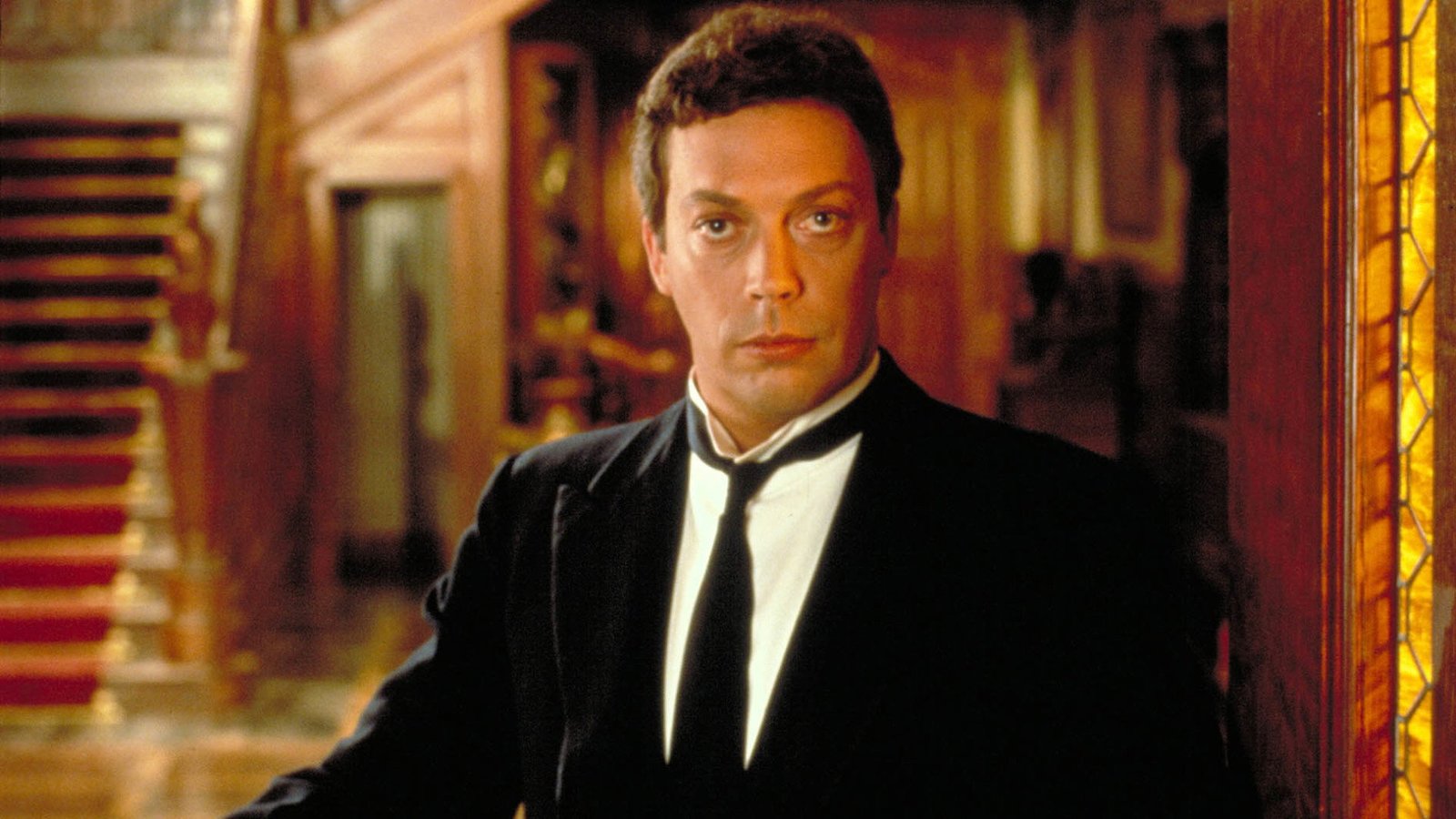
Between the clown and the corset sat one of the most versatile screen careers of his generation, and hardly any of it looked like either. He was Wadsworth, the butler who sprints through the entire plot at triple speed in “Clue” (1985), a film that died in cinemas and then became the thing everybody quotes. He was the Lord of Darkness in Ridley Scott’s “Legend” the same year, buried under hours of prosthetics and horns and still unmistakably himself underneath them. He was Rooster Hannigan in “Annie” (1982), the sneering concierge who makes life difficult for Kevin McCallister in “Home Alone 2: Lost in New York” (1992), and Long John Silver playing a full-blooded pirate opposite a frog in “Muppet Treasure Island” (1996).
The voice work was a second career running alongside the first, and it kept going long after his body stopped cooperating. He was Nigel Thornberry on Nickelodeon’s “The Wild Thornberrys” from 1998 to 2004, a role that an entire cohort of viewers can quote without ever having connected it to the clown. He voiced Captain Hook on “Peter Pan and the Pirates” and won a Daytime Emmy for it. He voiced Palpatine on “Star Wars: The Clone Wars.” He turned up as Billy Flynn on “Criminal Minds,” as Dale Biederbeck on “Monk,” on “Will and Grace,” on “Psych,” and in a long tail of cartoons that parents recognised and children did not.
The stage never let go of him either, and the awards record tells the story of a man who was nominated far more often than he won. Three Tony nominations, for “Amadeus,” “My Favorite Year” and “Spamalot,” and no Tony. A Primetime Emmy nomination in 1993 for “Tales From the Crypt,” and no Emmy. A Grammy nomination for narration, and no Grammy. The Daytime Emmy for Captain Hook is the one that actually landed. He spent decades being the most memorable person in productions that went home empty handed, which is a genuine skill and a badly rewarded one.
The stroke arrived in 2012, while he was having a massage, and he said afterwards that there had been no warning of any kind. “I felt fine. I had no symptoms that I was aware of. I wasn’t in pain.” Brain surgery followed, then paralysis down his left side, then the slow work of learning to speak again, which he called very weird and said flatly that he hated. He kept working anyway, mostly from a chair and mostly with his voice, and he came back to Frank-N-Furter one final time in 2016 as the narrator of Fox’s “The Rocky Horror Picture Show: Let’s Do the Time Warp Again,” handing the corset to somebody else and keeping the last word for himself.
“Vagabond” was published in October and he stayed guarded inside it, which was entirely in character. He had spent fifty years being famous for two of the most extroverted performances anybody has ever given, and had come round to rather despising the fame that arrived with them. Asked about the mystery he had kept around his private life, he said he had protected it and intended to keep protecting it. Asked about death, at 79, he was completely direct: “I don’t fear death. I suspect that in the end, I will welcome it.”
He was born on 19 April 1946 in Grappenhall, in Cheshire, and landed his first professional job in the original London cast of “Hair” in 1968, which is about as good an opening line as an actor of that generation could have asked for. Bill Skarsgard has taken Pennywise on since, twice on film, and he is genuinely frightening in it. He has not replaced him. Thirty six years later the 1990 clown is still the one people mean when they say the name, and that is what a definitive performance looks like from the outside: everybody who comes afterwards gets measured against you, and the measuring never really stops.
What Do You Think? Which Tim Curry is the one you grew up with, the clown in the drain or the man in the corset? And is there a performance of his that never gets the credit it deserves, the butler in “Clue,” the Lord of Darkness, Long John Silver, or something nobody ever brings up at all? Tell us which one you are going back to watch tonight.
Rest in peace, Tim Curry. Thank you for the clown, for the corset, and for never once playing it safe.