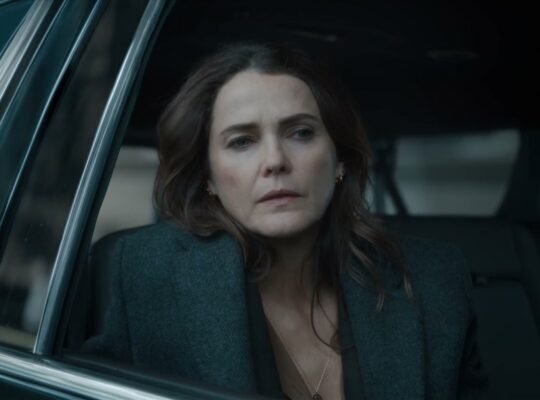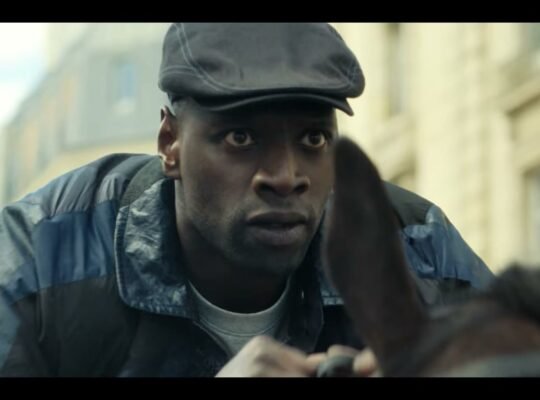
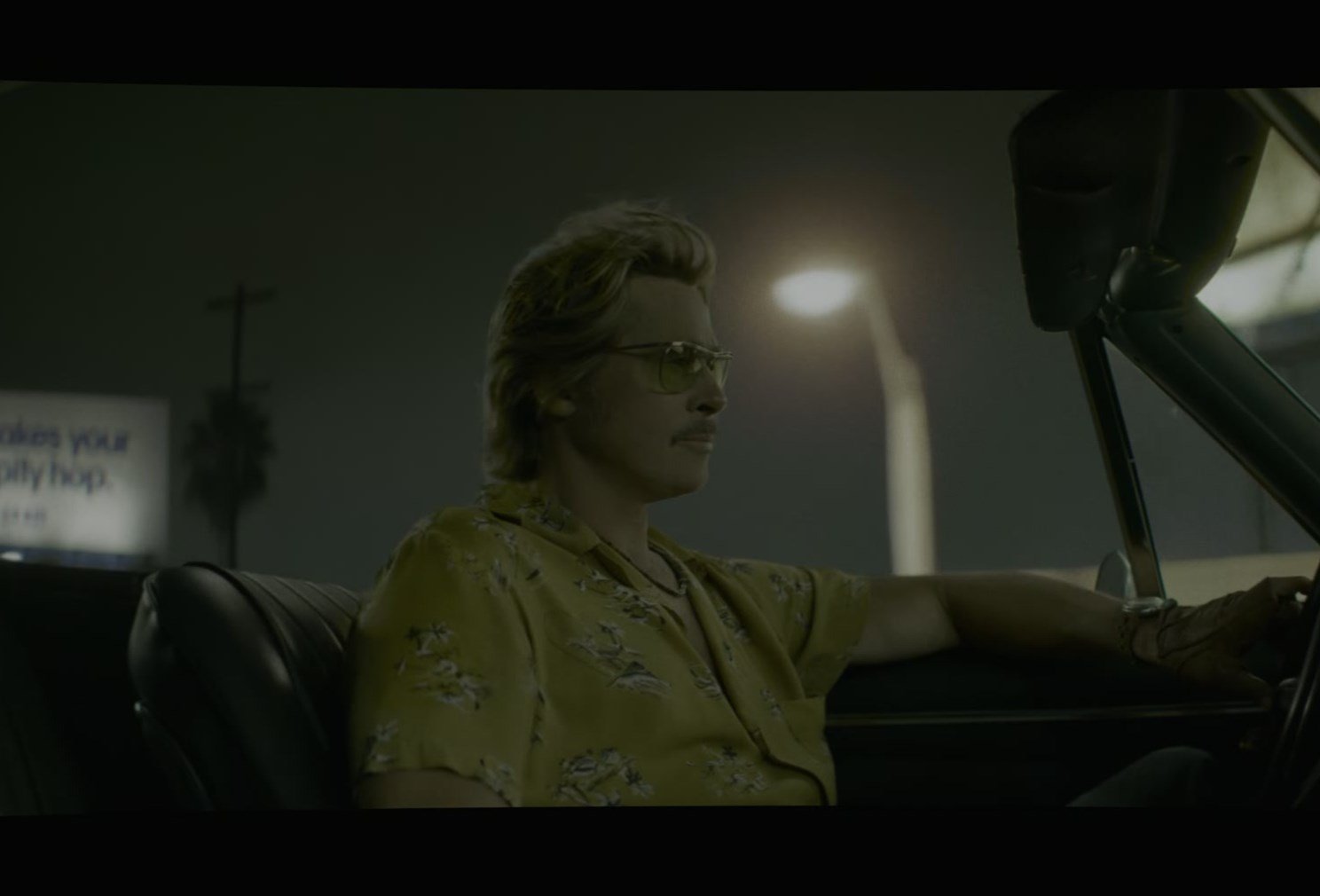
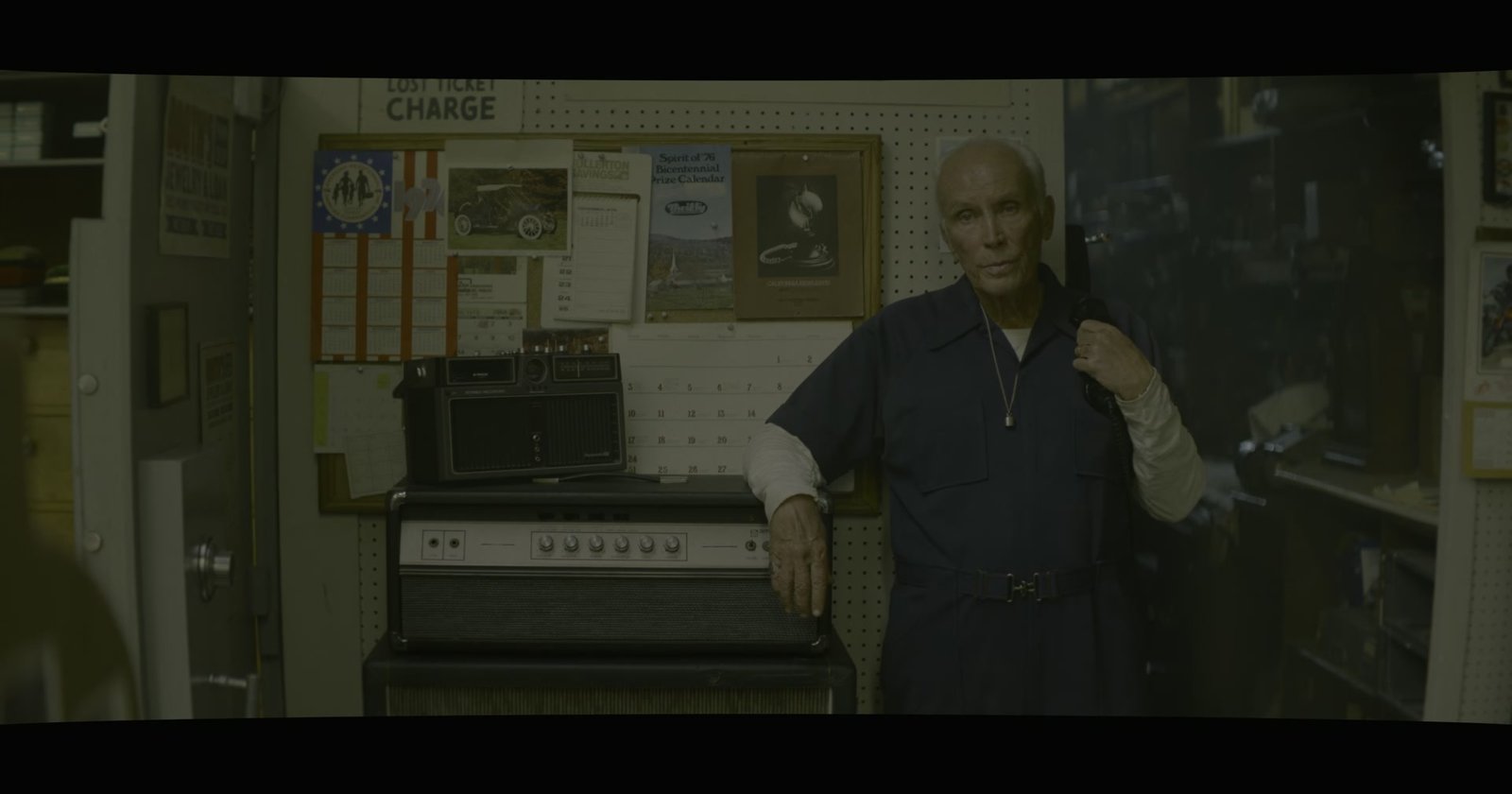
The first thing the trailer does is move the furniture. Cliff Booth is still Cliff Booth, still squinting into the Los Angeles sun with the sleeves rolled, but the year on screen is 1977 and the town around him has changed shape entirely, which is a neat way of saying that the New Hollywood everybody romanticises has already arrived and already started eating itself. Netflix released the first trailer for “The Further Mis-Adventures of Cliff Booth” this week, with Brad Pitt returning to the role that won him an Academy Award, and with David Fincher directing a screenplay written by Quentin Tarantino.
We have been keeping an accidental file on David Fincher’s dead projects, and this is the one that lived. Three days ago we published a piece about the “World War Z” sequel finally happening at Paramount, a film Fincher spent years attached to and walked away from in 2019 when the budget outgrew what the studio would pay. Our archive also holds his cancelled “Squid Game” spin-off. Warning beyond this point there are spoilers for the “Cliff Booth” trailer, including the year it is set, what Cliff does for a living now, and which “Once Upon a Time in Hollywood” character is not coming back.
We have been keeping an accidental file on David Fincher’s dead projects, and this is the one that lived.”
The premise is a small, clever move rather than a big one. “Once Upon a Time in Hollywood” was set in 1969, and this picks Cliff up eight years later, which lands him in a Hollywood that has stopped being the one he knew how to survive in. He is not stunt-doubling any more either. He is a studio fixer, which is the job description that tells you what the film is, because a fixer is somebody a studio calls when a problem cannot go through the front door.
That is the most interesting thing on offer here, and it is worth sitting with. Tarantino wrote Cliff as a man whose competence is quietly terrifying, somebody who could do serious harm and mostly chooses not to, and the 1969 film kept that coiled until its last twenty minutes. Making him a professional problem-solver eight years on is not a new idea so much as the logical one, and it hands Fincher a character already built for the procedural coldness he does better than anybody.
It is worth remembering what the first film actually was, because the sequel’s shape only makes sense against it. “Once Upon a Time in Hollywood” was a hangout picture for most of its length, a film far more interested in the texture of a working day in 1969, in driving and drinking and waiting on set, than in anything resembling a plot, and it spent two and a half hours earning a finale that rewrote the Manson murders into something else entirely. Cliff was the engine of that ending, and he was also, for most of the running time, a man doing errands. A sequel built on him is a sequel built on that contradiction, and the trailer, to its credit, knows it.

This is the fourth film Fincher and Pitt have made together, and the first in nearly two decades. They did “Se7en” in 1995, “Fight Club” in 1999 and “The Curious Case of Benjamin Button” in 2008, which is a run that covers a serial-killer procedural, a satire that got mistaken for a manifesto, and a prestige weepie. There is no obvious house style across those three beyond a shared interest in men who are coming apart, and that is likely the point of the partnership rather than an accident of it.
Leonardo DiCaprio is not in it, and the trailer is relaxed enough about that to make a joke of it. Rick Dalton does not return, which removes the double act the first film was built on and leaves Cliff carrying the thing by himself. Timothy Olyphant is back as James Stacy, the only other returning face announced, and everybody else is new: Scott Caan, Elizabeth Debicki, Yahya Abdul-Mateen II, Carla Gugino, Holt McCallany and JB Tadena.
Losing Dalton might matter more than the trailer wants to admit. The 1969 film worked because Cliff was the calm half of a two-hander, the man with nothing to prove standing next to a movie star who had everything to prove, and a great deal of what made Pitt’s performance land was the contrast rather than the character in isolation. A sequel that gives him the whole frame has to find him a new opposite number, and none of the announced cast has been positioned as that yet.
The release plan is the part the industry will be reading. It opens in IMAX on 25 November and arrives on Netflix on 23 December, which makes it the streamer’s first IMAX release. Netflix has spent a decade being accused of treating cinemas as a contractual obligation, and putting a Fincher film on the largest screens available for a month before it streams is a different posture from the token one-week qualifying runs. Whether that is a change of heart, a concession to Fincher, or simply a bet that this particular film, with this star, plays better big, the company has not said.
It also puts two Brad Pitt vehicles in the same conversation inside one week, which is a strange thing to be able to write. One is a zombie sequel Fincher could not get made at Paramount and somebody else now will. The other is a Tarantino script Fincher is actually shooting, on a streamer, with an IMAX run attached. The lesson is probably about who is funding what rather than about either director, and it is a fairly blunt one.
Tarantino writing without directing is the wrinkle nobody has fully worked out yet. He has talked for years about stopping at ten features, and handing a script built around his own character to another filmmaker is either a way of keeping the count honest or a way of staying in the room, and the trailer does not settle which. What it does show is dialogue that sounds like him being shot by somebody whose camera does not move the way his does. The two men share an era, a fondness for procedure, and almost nothing else in the way of rhythm, which is either the interesting part or the whole problem. Tarantino cuts to a needle drop, and Fincher, more often than not, just holds the shot.
What the footage actually promises is tone rather than plot. There is period Los Angeles rendered with the flat, unglamorous precision Fincher brings to everything, a lot of driving, and Pitt playing a man who is comfortable in rooms other people would leave. Nobody has said what the case is, who the antagonist is, or how much violence the thing is carrying, and a first trailer withholding all three is normal rather than suspicious.
One last thing, and it is ours. Read our Fincher file end to end and it is mostly obituaries: a “Squid Game” spin-off that died in development, and a zombie sequel that outgrew its budget and got handed to a different director seven years later. This is the one that made it to a trailer, and it arrives three days after we wrote up the one that did not. That is a better argument for the state of film financing than anything either film will say out loud.
What Do You Think? Does Cliff Booth work as a lead without Rick Dalton to bounce off, or was the double act the whole trick? Is Tarantino handing his own character to another director a graceful exit or a loophole? And does Netflix putting a Fincher film in IMAX for a month change anything, or is it a marketing line?
See you on the next binge!