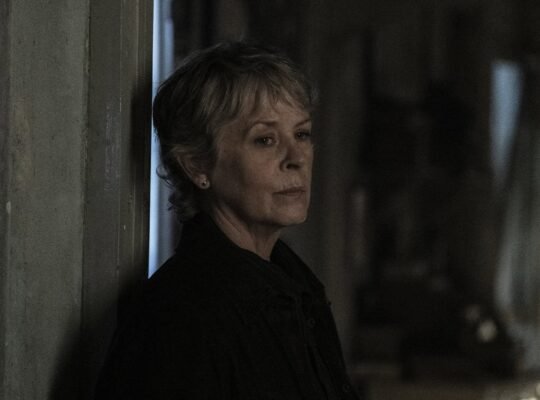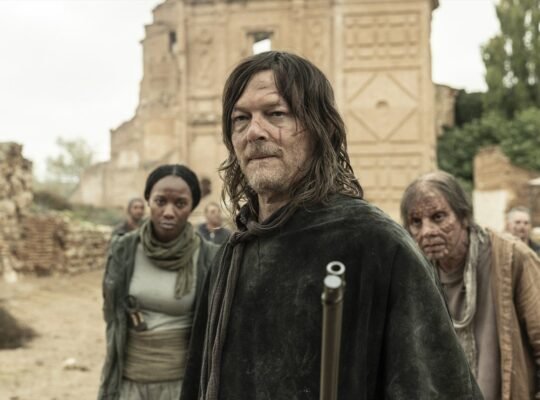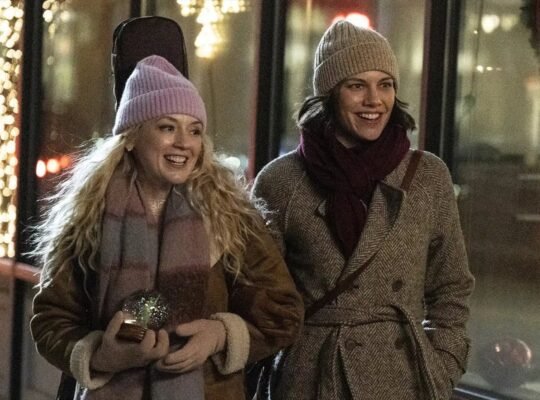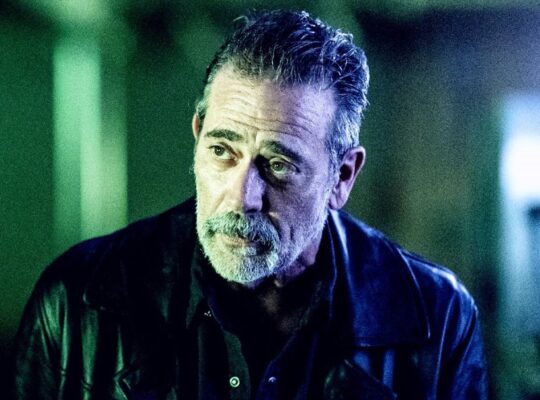
Every few months this fandom talks itself into believing the Walking Dead universe is ending, and every few months AMC quietly proves the rumor half-wrong. So let us do the responsible thing and actually map it: what is confirmed, what is rumored, and what is pure wishful thinking as this world reshapes itself heading deeper into 2026. The picture that emerges is messier and more alive than the obituaries suggest, even if it is undeniably thinner than the franchise’s crowded peak.
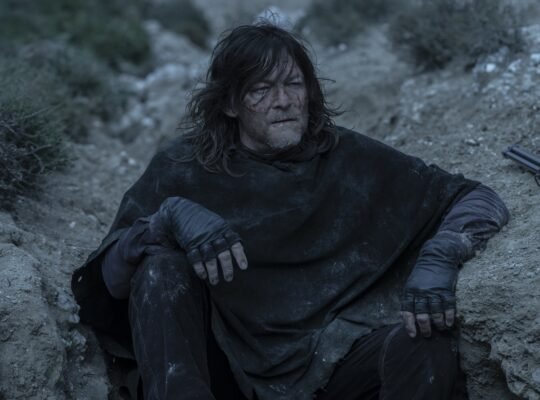
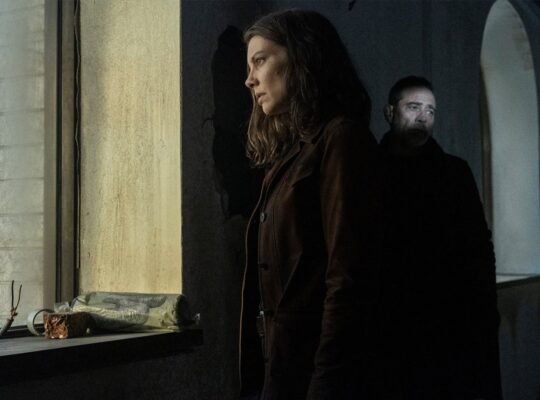
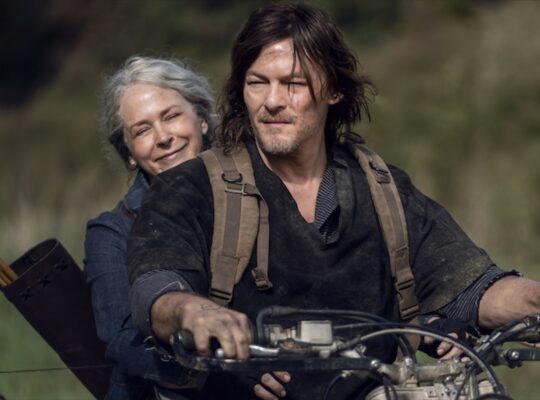
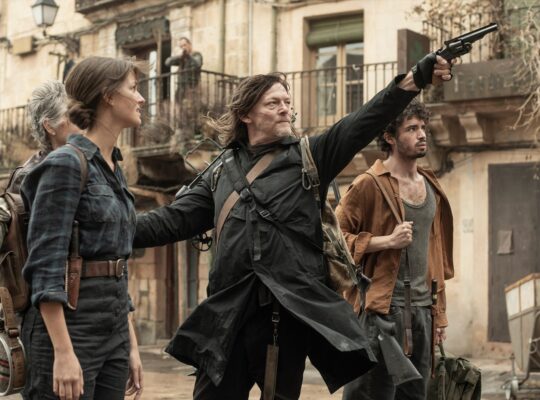
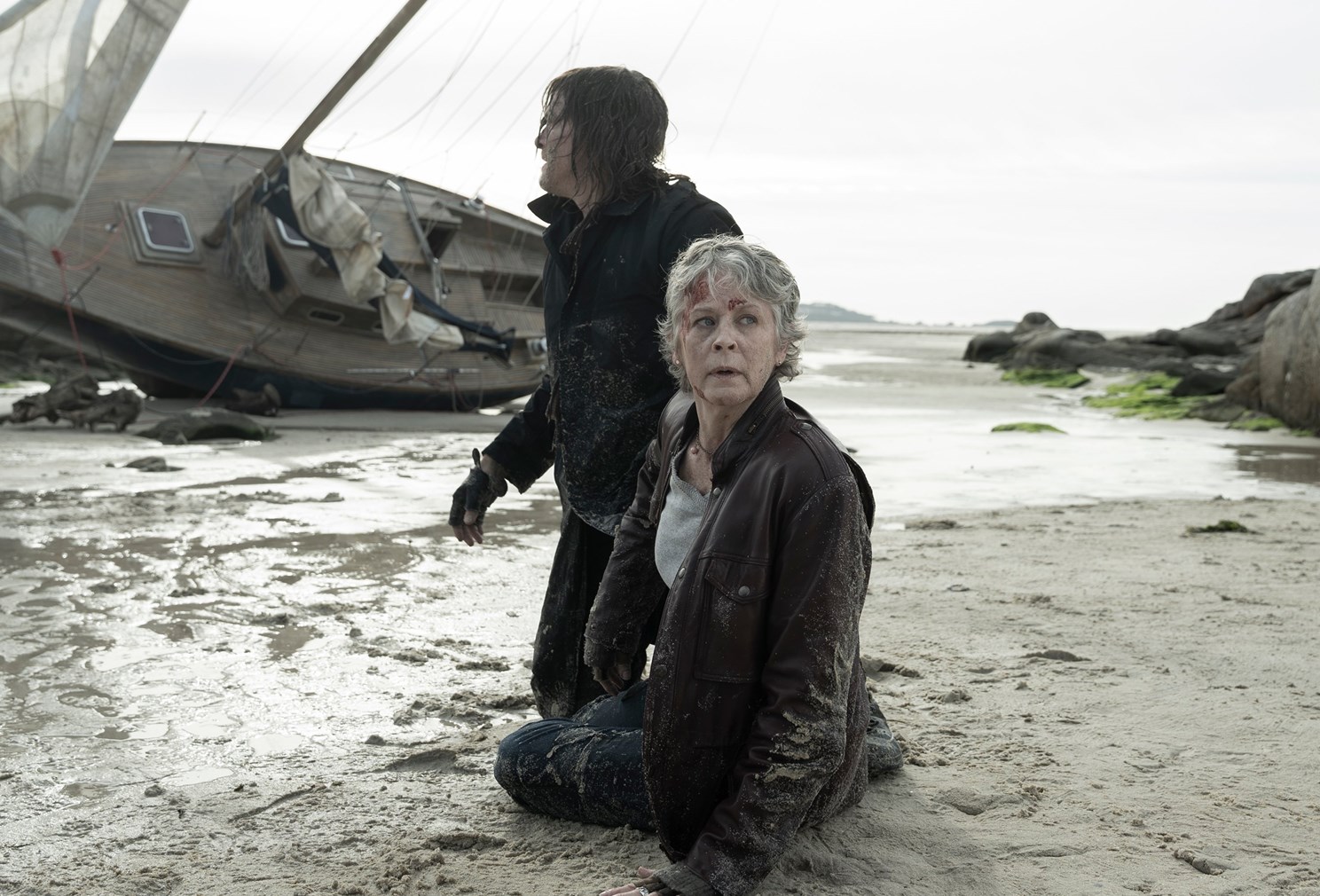
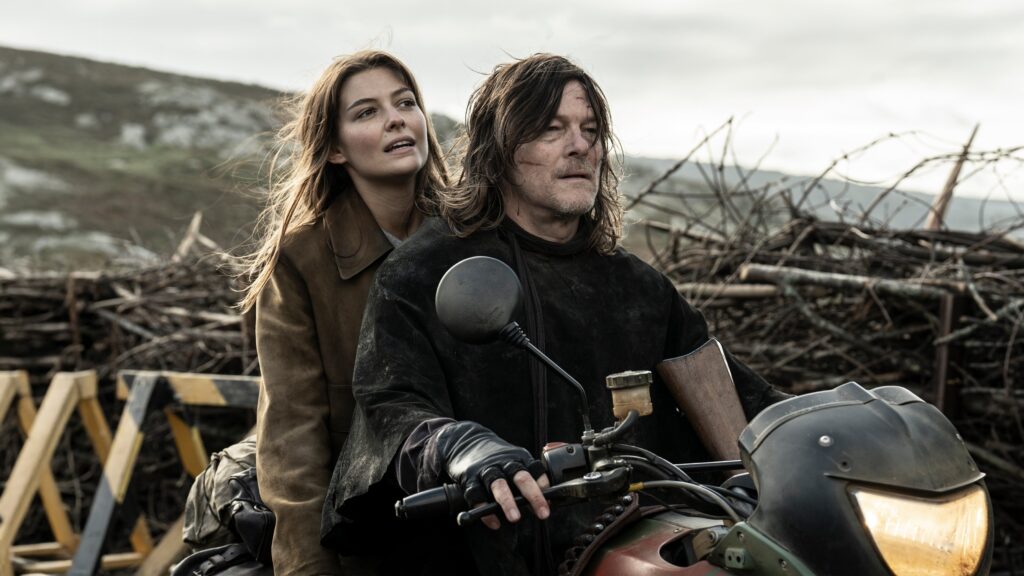
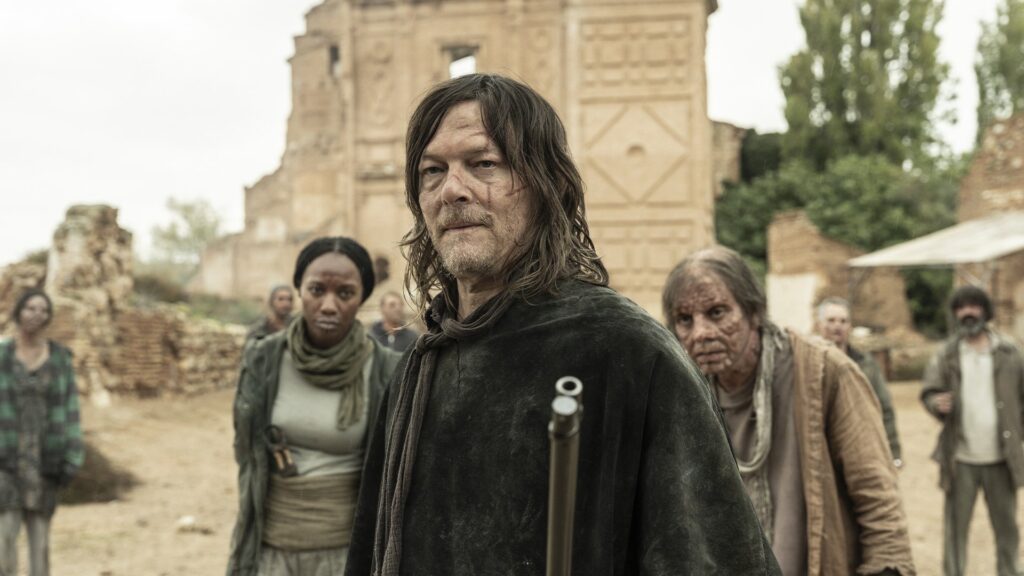
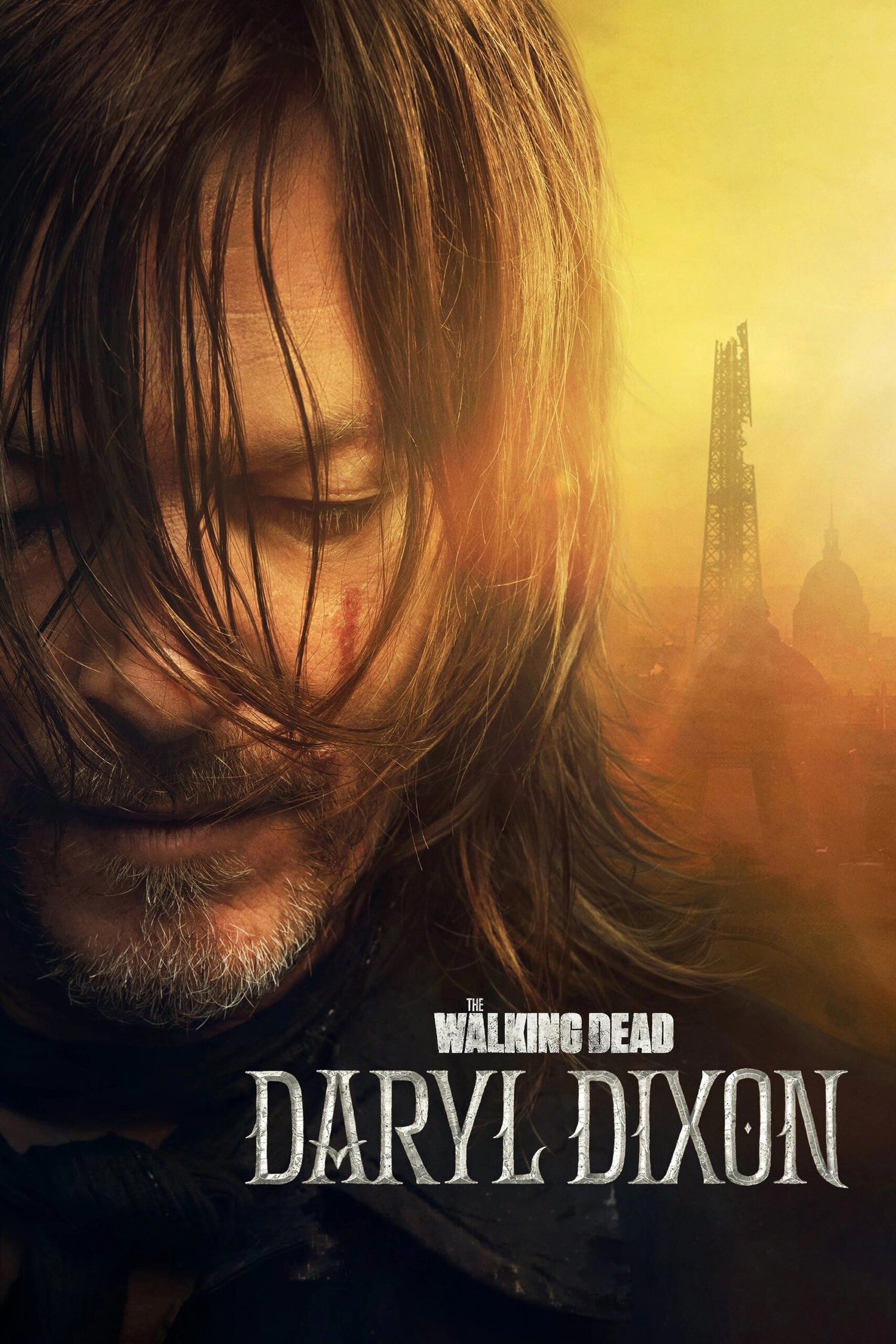
Start with what is locked. “The Walking Dead: Dead City” returns July 26 for an eight-episode third season, with Maggie Rhee (Lauren Cohan) and Negan Smith (Jeffrey Dean Morgan) building in Manhattan. “The Walking Dead: Daryl Dixon” is targeting a fall premiere for a fourth season that has been confirmed as its final chapter, with Norman Reedus closing out the road that took his character across France and beyond. Those two shows are the spine of the near future. Everything else is a question mark of varying size. Warning beyond this point there are spoilers for The Walking Dead universe and the status and direction of upcoming spinoffs and returning characters.
In this franchise, a deliberately ajar door usually gets walked through eventually.”
The biggest question mark is also the most tantalizing: the continuing saga of Rick Grimes (Andrew Lincoln) and Michonne (Danai Gurira). “The Ones Who Live” reunited the franchise’s central couple and pointedly did not close their story, leaving the CRM threads and the wider civilization-scale conflict wide open. There has been no formal order for a direct continuation, but the appetite is enormous and the door was left deliberately ajar. In this franchise, a deliberately ajar door usually gets walked through eventually. The only question is when, and whether it comes as a series or a film. Then there is the CRM of it all, the shadowy military organization that has been the universe’s slow-burn endgame antagonist for years. The Civic Republic and its helicopter conspiracy were seeded across multiple shows as the connective tissue meant to eventually unify the franchise’s disparate corners. Whether AMC still intends to pay that off in a big crossover event, or whether shrinking budgets have quietly shelved the grand plan, is the single most important unanswered question about where this world goes next. The seeds are planted. Nobody has confirmed a harvest.
The honest, slightly deflating truth is that the era of endless simultaneous spinoffs appears to be over. At its peak this universe ran the flagship plus multiple concurrent series plus limited events, a volume of zombie television that no longer matches either the audience or the budget realities of 2026 cable. What is emerging instead looks like a leaner model: one or two shows at a time, event-positioned, with the flagship couple held in reserve as the nuclear option. That is a demotion from the franchise’s imperial phase, but it is not death. It is discipline, possibly imposed rather than chosen.
For the BR team, the shift is bittersweet in a way we keep going back and forth on. The sprawl gave us richness and gave us filler in equal measure, whole seasons of certain spinoffs that tested even our patience. A tighter universe means every remaining show has to justify itself, which should raise the floor even as it lowers the ceiling. We would trade three mediocre spinoffs for one great final Rick-and-Michonne chapter without hesitating. The worry is that budget math, not creative ambition, ends up making that choice for everyone.
There is a real production story behind the contraction, too. Walking Dead shows are expensive in ways viewers underestimate: practical walker effects, prosthetics, large stunt casts, and location work all add up, and the special-effects makeup alone represents a standing army of artists on every production. Scaling from many shows to a few is partly a creative decision and partly a spreadsheet one. Understanding that helps explain why the universe is consolidating rather than expanding, and why the grand crossover keeps living in development limbo rather than on a schedule.
So where does that leave the fan trying to plan a summer and beyond? Concretely: two confirmed shows to watch this year, one of them a final season, and a franchise-defining Rick-and-Michonne continuation that everyone expects and nobody has ordered. That is a universe in transition, not a universe in a coffin. The dead have been declared finished before, more than once, and they keep getting back up. It is, after all, the one thing they are famous for.
Our advice is to treat 2026 as a chapter break rather than an ending. Watch “Dead City” build its improbable Manhattan, watch Daryl close his road, and keep one eye on the trades for the Rick-and-Michonne news that the door was so obviously left open to deliver. When AMC is ready to walk through it, this fandom will be waiting, exactly as it always has, because this is the franchise that taught us the story is never quite over while anyone is still standing.
It is worth remembering how genuinely unprecedented this franchise’s run has been before we mourn its contraction. No scripted universe in television history sustained this many interconnected series across this many years while keeping a coherent, chartable continuity. Marvel does it in film with a fraction of the hours. The Walking Dead built a decade-plus of interlocking apocalypse television that actually tracks as one timeline, and that achievement does not evaporate because the output is slowing. The map is nearly complete, and a complete map is its own kind of gift to the people who binge it.
The streaming-rights dimension is quietly shaping all of this, too. Where these shows live, how they are bundled, and which platform holds the library all factor into what AMC can afford to make next, and those deals shift constantly beneath the surface of the creative announcements. A franchise this large is as much a rights-and-distribution machine as a storytelling one, and the contraction we are watching is partly the visible edge of invisible business math. Understanding that keeps the doom-posting in perspective: this is a universe being managed, not abandoned.
What Do You Think? Do you want AMC to finally commit to a full Rick and Michonne continuation, or has that story said everything it needs to say? Should the CRM crossover endgame still happen after all these years of setup, or has that window quietly closed? And is a leaner, one-or-two-shows-at-a-time Walking Dead universe a healthier version of the franchise or the beginning of a managed decline?
Catch up properly: every Walking Dead episode, movie and spin-off in chronological order on our Timeline Hub’s Walking Dead timeline.
See you on the next binge!