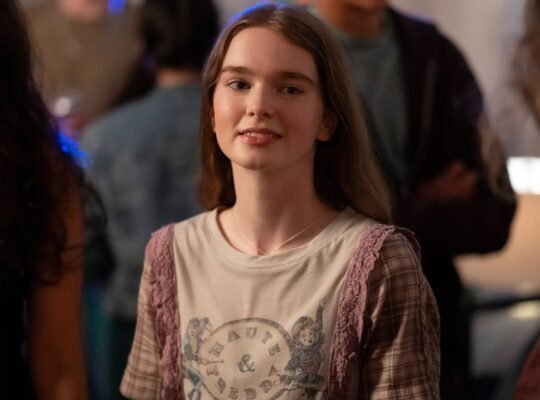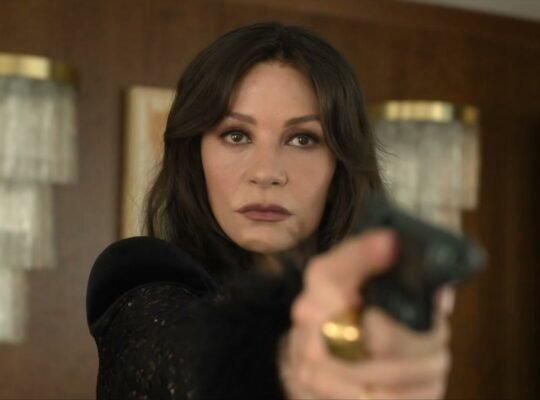
Lara Croft is one of gaming’s original icons, a globe-trotting archaeologist with dual pistols, a fearless streak, and thirty years of raiding tombs across dozens of games. Bringing her to the screen has always been a mixed bag, oscillating between blockbuster spectacle and forgettable misfires. Now she’s making the leap that’s currently reshaping the whole industry: from film to prestige television. Amazon has cast Sophie Turner as the new Lara Croft in a live-action series, and the creative force behind it makes this the most exciting version of the character in ages.
That force is Phoebe Waller-Bridge, and her involvement changes everything about how seriously this project should be taken. The creator of “Fleabag”, one of the most acclaimed television comedies of its era, and a sought-after script doctor who punched up a James Bond film, Waller-Bridge is one of the sharpest writers working today. She’s a self-professed gaming enthusiast, and she’s writing and executive producing the series, with Chad Hodge joining as co-showrunner to help steer the sprawling production. Having a talent of that caliber shepherding Lara Croft signals that Amazon isn’t cranking out a disposable game tie-in. This is a genuine bid for prestige. Warning: beyond this point there are spoilers for the direction of Amazon’s “Tomb Raider” series and its take on Lara Croft.
Lara Croft is one of gaming’s original icons, a globe-trotting archaeologist with dual pistols, a fearless streak, and thirty years of raiding tombs across dozens of games.”
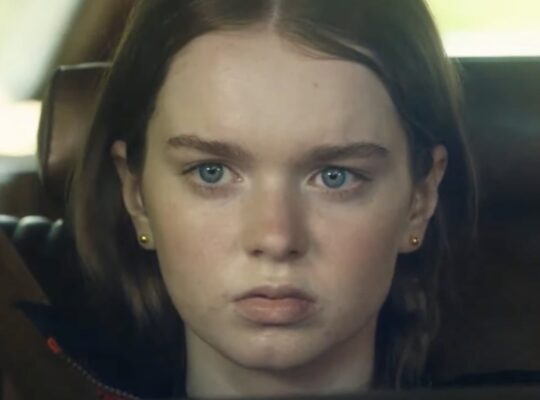
The casting of Sophie Turner is a canny choice with a lot going for it. Turner spent years as Sansa Stark on “Game of Thrones,” growing up on screen and, by the series’ end, playing a character who’d hardened from a naive girl into a shrewd, resilient survivor. That arc, vulnerability forged into strength, is useful DNA for Lara Croft, who at her best is far more than a pin-up with a pistol. Turner is looking to define her post-Thrones career with a role she can truly own, and an action-adventure icon like Lara is exactly the kind of star vehicle to do it. She has the presence and the dramatic range the part demands.
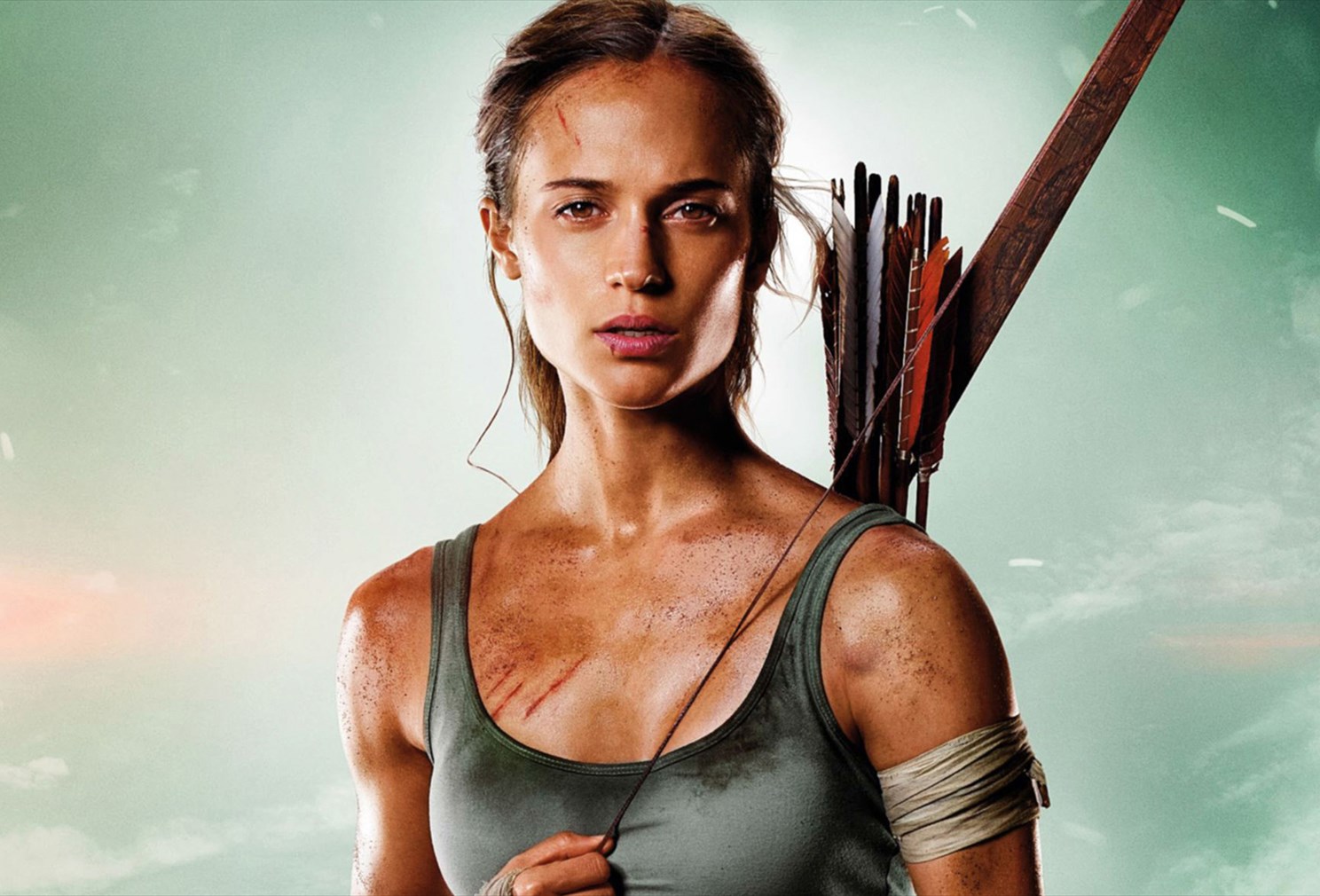
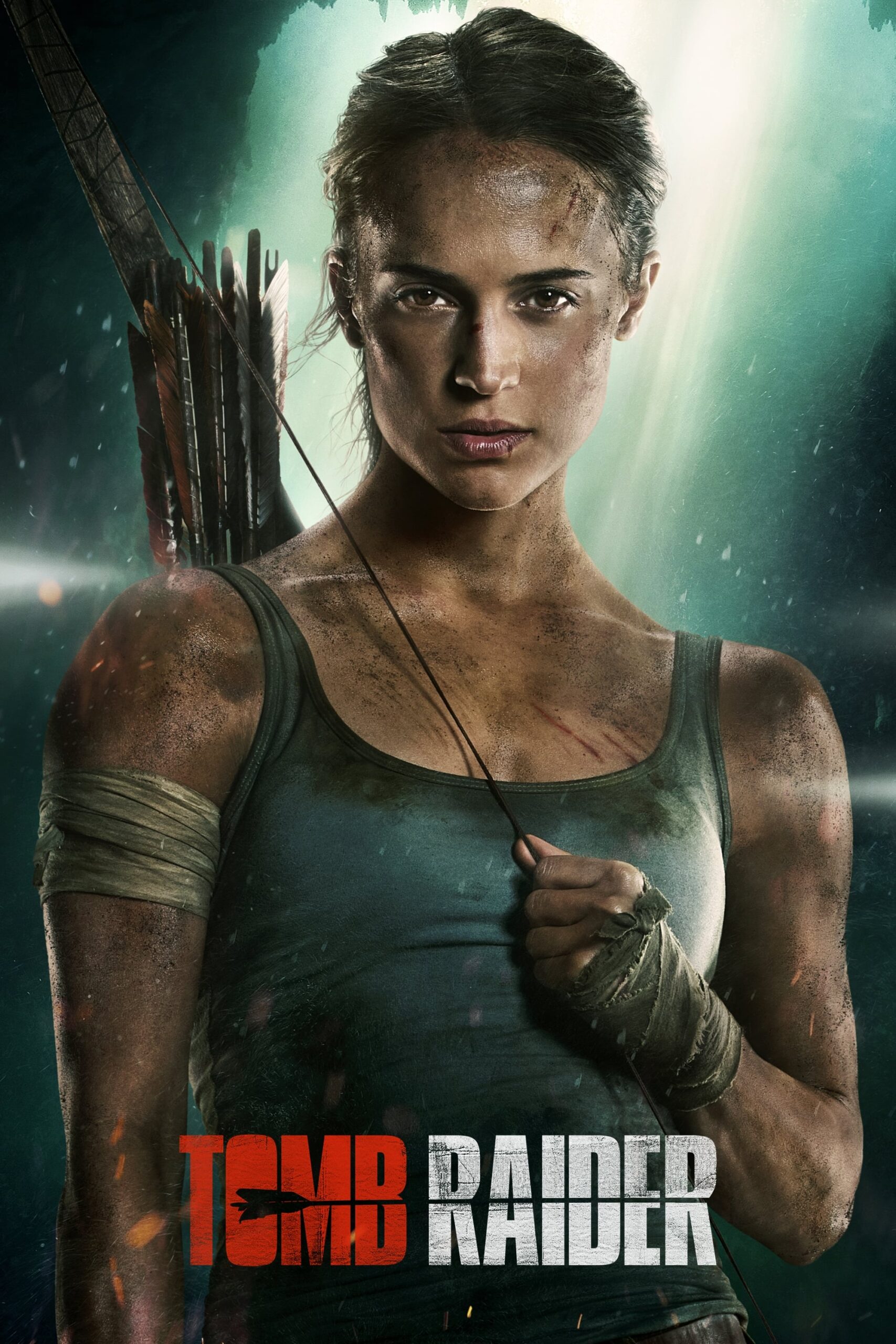
She’s stepping into a role with serious cinematic baggage, which is both a challenge and an opportunity. Angelina Jolie famously embodied Lara in the early-2000s films, all icy glamour and physical swagger, defining the character for a generation. Alicia Vikander took a grittier, more grounded swing in the 2018 reboot, closer to the tone of the modern “survivor” games. Turner is the third major screen Lara, and the television format hands her an advantage the films never had: time. A series can develop Lara as a full character across many hours, exploring her intelligence, her obsessions, and her humanity rather than cramming her into a two-hour set-piece delivery machine.
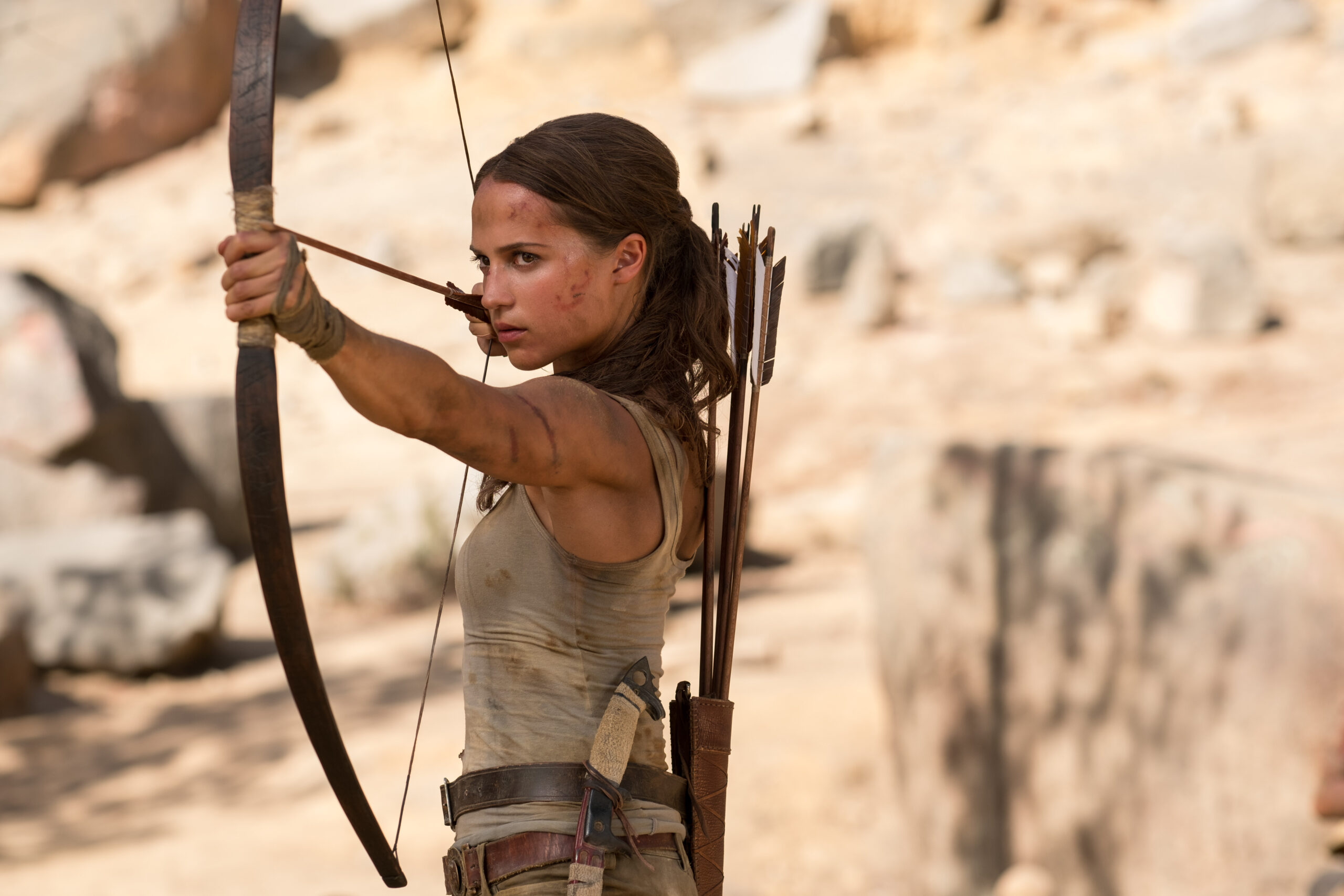
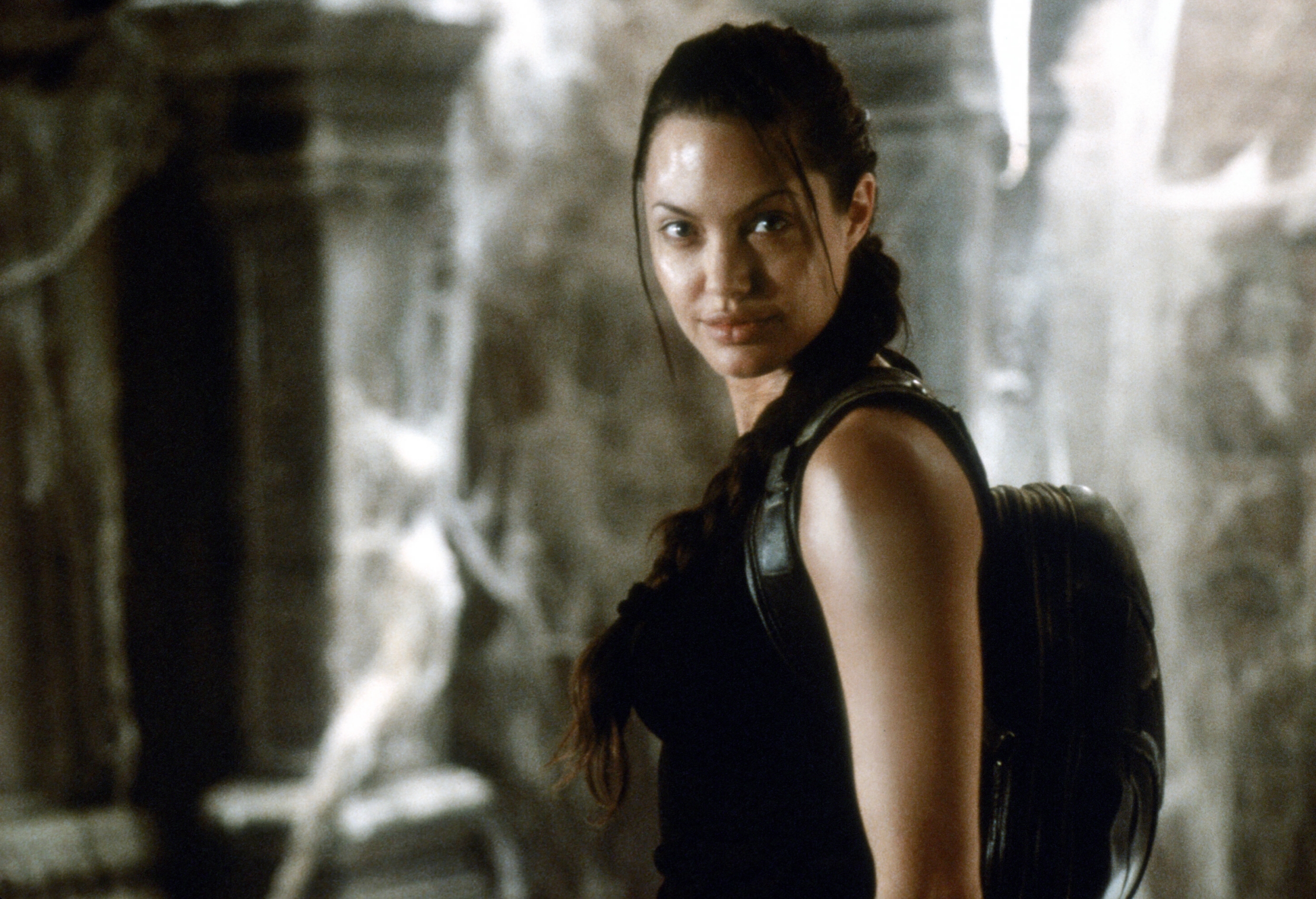
That’s the real promise of moving Tomb Raider to TV. The games, especially the acclaimed modern trilogy, told rich, emotional stories about who Lara is and what drives her to keep diving into deadly ruins: grief, legacy, an almost compulsive hunger for discovery. Those are exactly the kinds of threads a series can pull on. Rather than being defined by her acrobatics and her firepower, television Lara can be defined by her mind and her wounds, with the tomb-raiding as the thrilling backdrop to genuine character work. Waller-Bridge’s gift for spiky, complicated women makes her the ideal writer to find that depth.
The series also fits into a much larger strategy that’s playing out across the industry. Amazon has been aggressively building a slate of video game adaptations, betting big on established gaming brands as the next frontier of pre-sold IP. Tomb Raider is a crown jewel of that push, a franchise with global recognition, decades of storytelling to draw from, and a protagonist who’s an icon in her own right. It arrives at a moment when game adaptations have finally shed their old reputation for failure, with recent hits proving that treating the source material with respect pays off handsomely.
The pressure, of course, is real. Playing an icon this beloved invites relentless scrutiny, and fans of both the games and the films will bring strong opinions about what Lara should be. Turner has to satisfy players who’ve controlled Lara through countless adventures while also winning over a general audience. But the pieces are as strong as they’ve ever been: a brilliant writer who loves the material, a capable and motivated star, and a format that finally gives one of gaming’s greatest heroines room to become a fully realized person rather than an action figure. That’s a foundation worth getting excited about.
So Lara Croft dusts off her climbing axe for a new medium and a new decade. Sophie Turner is picking up the mantle under the guidance of one of television’s finest voices, with the freedom of long-form storytelling to explore a character the movies only ever glanced at. Whether it becomes the definitive screen version of Tomb Raider or just the latest attempt to crack an elusive icon, the ambition here is undeniable. The tombs are waiting, the torches are lit, and a new adventurer is stepping into the dark. Let’s see what she finds.
What Do You Think? Does Sophie Turner have what it takes to make Lara Croft her own after Angelina Jolie and Alicia Vikander defined the role on film? Is Phoebe Waller-Bridge the perfect writer to finally give Lara the depth the movies never managed, and does television suit the character better than film? And as Amazon builds out its video game adaptation slate, is “Tomb Raider” the franchise most likely to become a breakout hit?
See you on the next binge!