
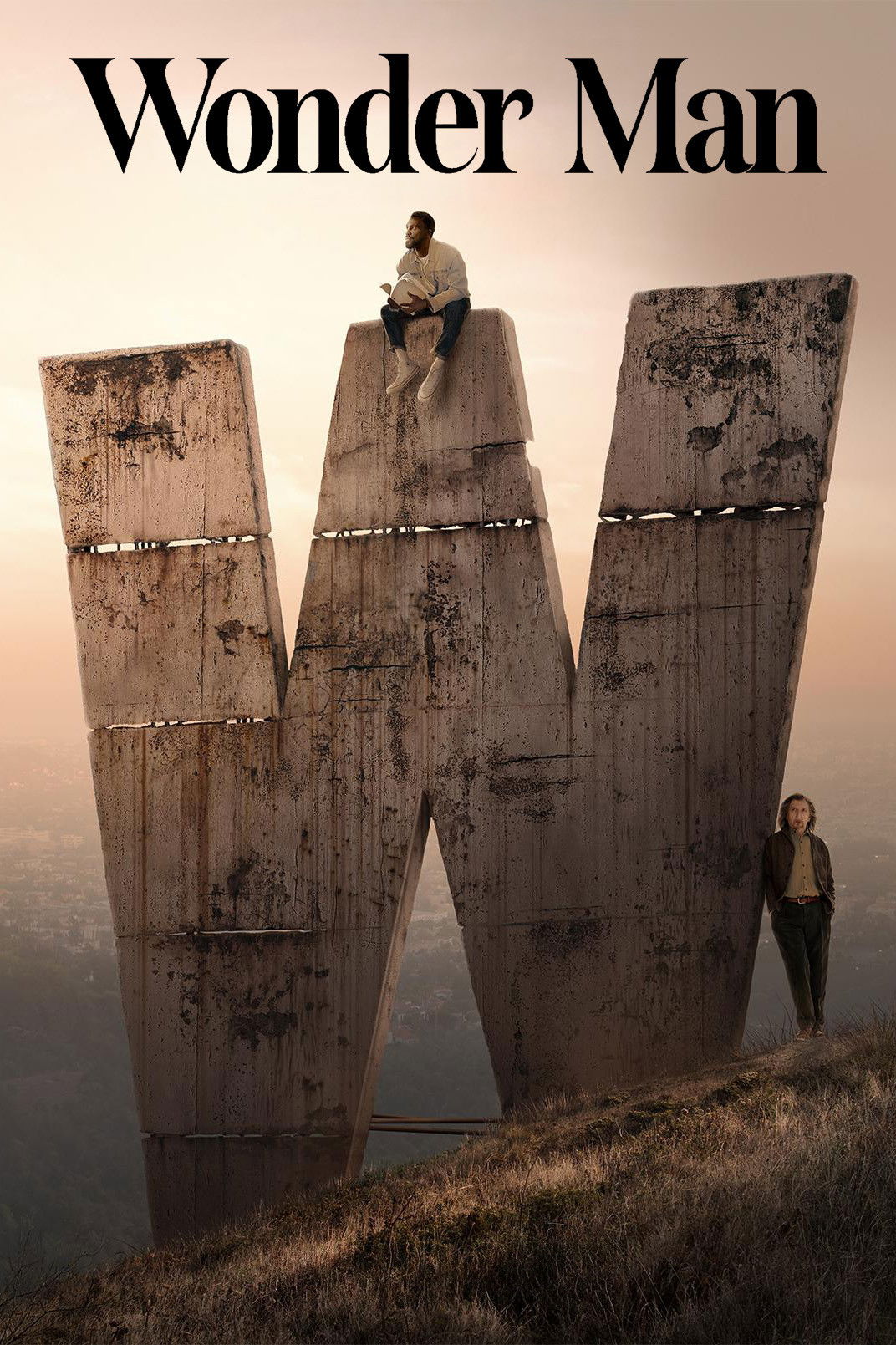
Marvel just released a superhero show that is barely interested in superheroes, and it turns out that is exactly what the doctor ordered. “Wonder Man” dropped all eight of its episodes on Disney+ this week, and rather than another cosmic threat or multiversal catastrophe, it delivers a sly, low-key satire of Hollywood itself, told from inside the very machine that Marvel helped build. It is one of the studio’s strangest and most refreshing television swings in years, a character piece with a wicked sense of humor about the entertainment industry, and it lands far better than a show this offbeat has any right to.
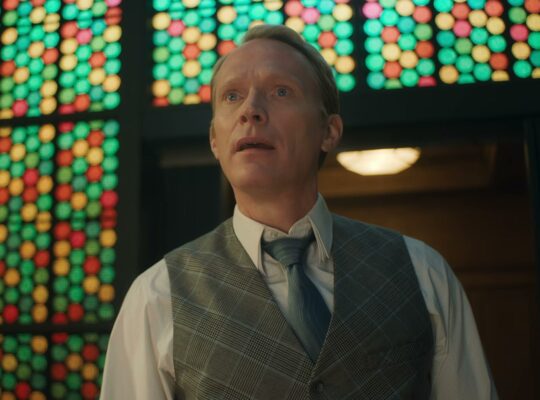
The series follows Simon Williams, played with real charm by Yahya Abdul-Mateen II, a struggling actor and stuntman chasing a career breakthrough in a Hollywood remake of an in-universe superhero film called “Wonder Man.” The catch, and it is a delicious one, is that Simon secretly possesses genuine ionic energy powers, which he has to hide because of something called the Doorman Clause, an industry rule that bans actually superpowered people from working in entertainment. He is joined by none other than Ben Kingsley, reprising the gloriously washed-up actor Trevor Slattery more than a decade after his scene-stealing turn in the MCU, and a supporting cast that includes Josh Gad and Joe Pantoliano. Created by Destin Daniel Cretton and showrunner Andrew Guest, it arrives under the grounded Marvel Spotlight banner. Warning: beyond this point there are spoilers for “Wonder Man” and its place in the MCU.
A superhero universe satirizing Hollywood’s obsession with superhero movies is the kind of meta joke that could collapse under its own cleverness. Instead it mostly sings.”
The genius of this show is how comfortably it sidesteps everything we have come to expect from the brand. There are no stakes measured in universes here, no ticking cosmic clock, no obligatory setup for the next crossover event. Instead there is a genuinely funny, sometimes poignant story about ambition, identity, and the absurd business of making movies, and it is a palate cleanser the MCU desperately needed. In an era where superhero fatigue is a real and measurable thing, releasing a show that pokes fun at the very machine causing that fatigue is a bold, self-aware move, and the fact that it works is a small miracle.
Abdul-Mateen is the anchor, giving Simon a hangdog likability that makes you root for him even as he keeps making questionable choices, but the not-so-secret weapon is Kingsley. Trevor Slattery was always too good a creation to leave on the shelf, and handing him a full arc alongside Simon lets Kingsley dig into the pathos and absurdity of a faded ham desperate for one more moment in the spotlight. The chemistry between the two is the beating heart of the show, an odd-couple pairing of a man hiding his greatness and a man forever performing a greatness he never had. It is a rich, funny dynamic that most superhero shows would never dream of attempting.

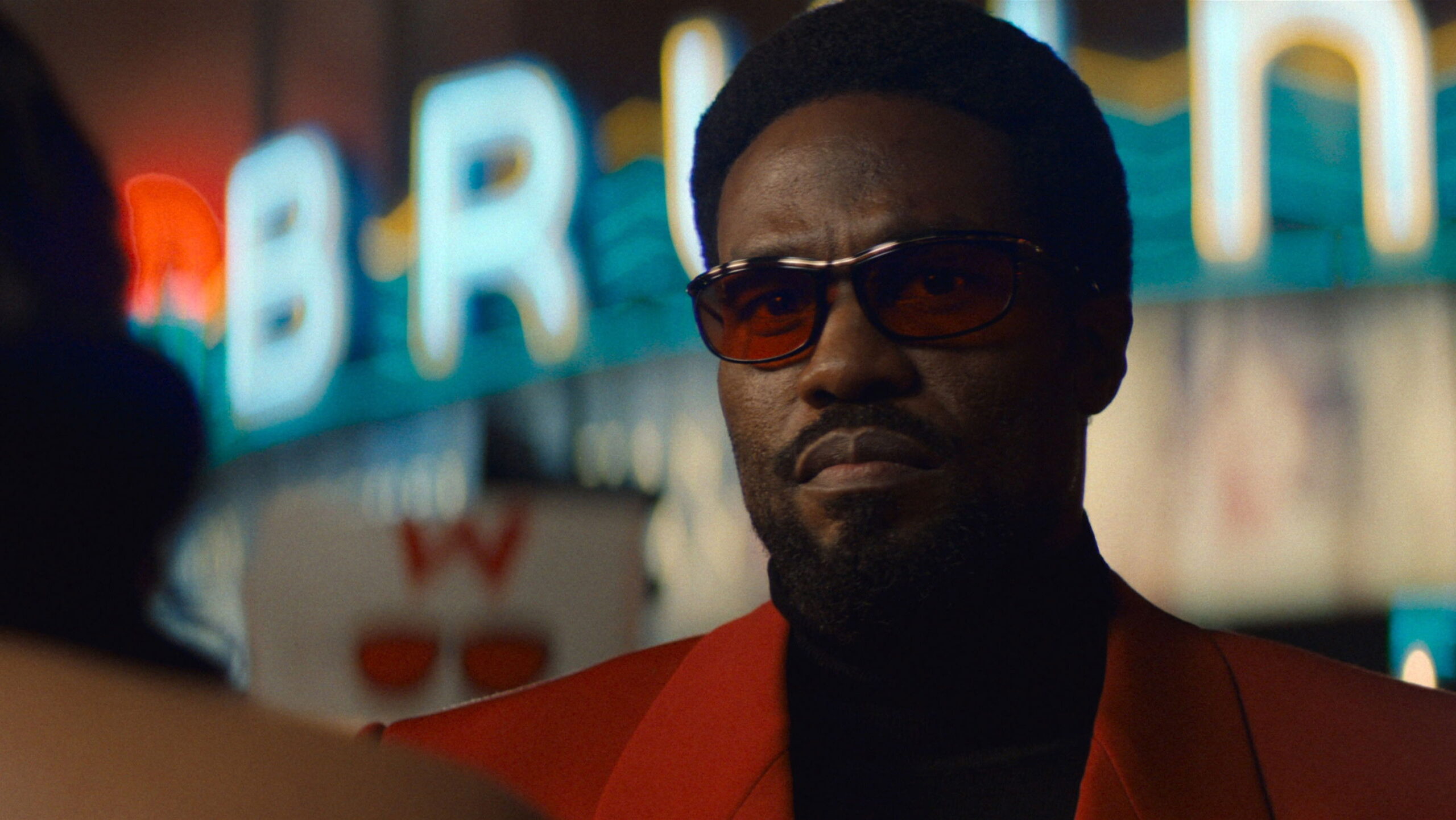
The meta premise is where “Wonder Man” earns its stripes. A superhero universe making a show that satirizes Hollywood’s obsession with superhero movies is the kind of joke that could easily collapse under its own cleverness, becoming too pleased with itself to function. Instead it mostly sings, using the in-universe film industry to comment on real anxieties about fame, authenticity, and the way the entertainment machine chews people up. The Doorman Clause is a brilliant little bit of world-building, a satirical dagger aimed straight at the industry’s habit of gatekeeping and hypocrisy, and it gives the whole thing a thematic sharpness beneath the comedy.
Critics have embraced it, and the strong reviews reflect exactly what makes this work, a show confident enough to be small. The Marvel Spotlight banner promised grounded, standalone stories that do not require a doctorate in continuity to enjoy, and “Wonder Man” delivers on that promise better than almost anything else under the label.
You can watch this without having seen a single other Marvel project and have a wonderful time, which is a genuinely radical proposition for this franchise in its current phase. It suggests that the path forward for Marvel television might not be bigger and louder, but smaller, weirder, and more human. If this is the model, sign us up for more.
What do you think? Is a low-key Hollywood satire exactly the kind of palate cleanser the MCU needs right now, or too far a departure from what people want from a Marvel show? Did giving Trevor Slattery a full arc alongside Simon Williams justify bringing Ben Kingsley back after all these years? And does the success of the grounded Marvel Spotlight banner suggest the future of Marvel television should be smaller and stranger rather than bigger and louder?
Catch up properly: every MCU movie and show in chronological order on our Timeline Hub’s MCU+ timeline.
See you on the next binge!