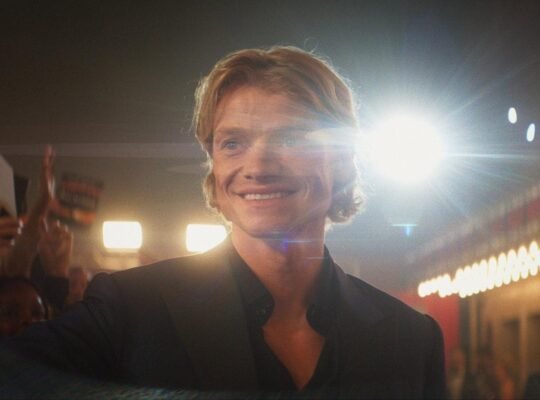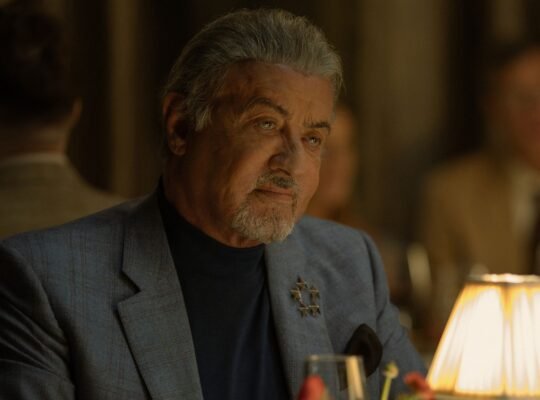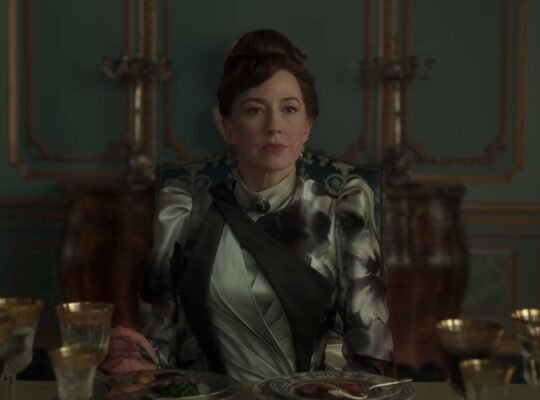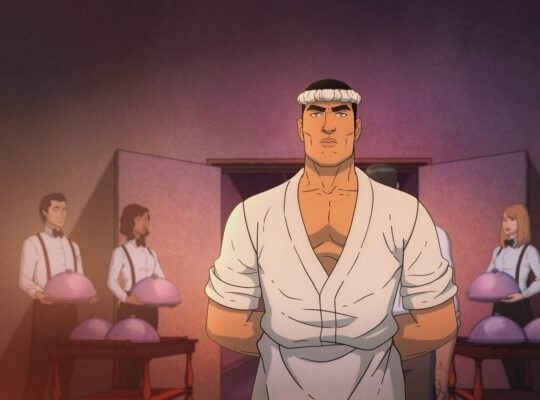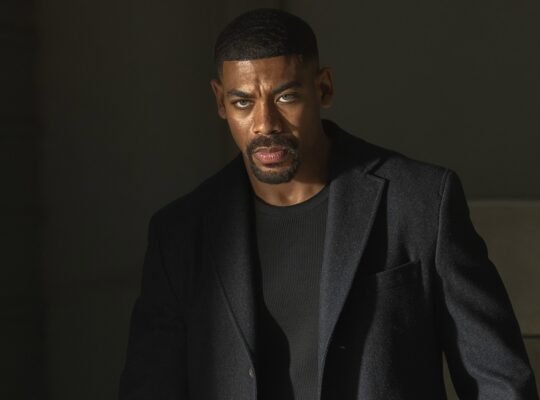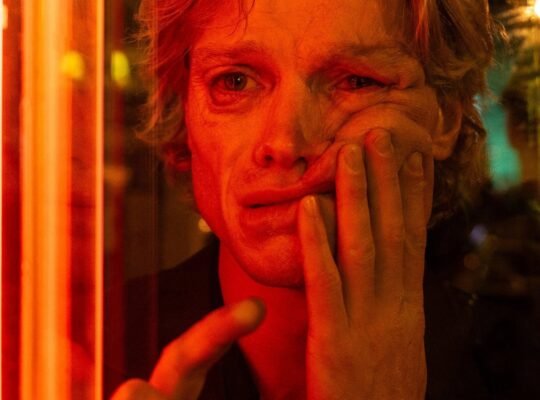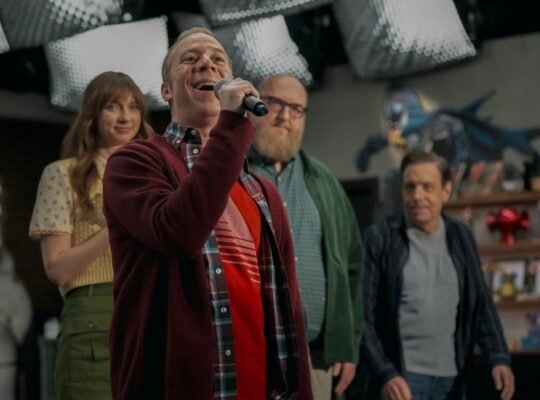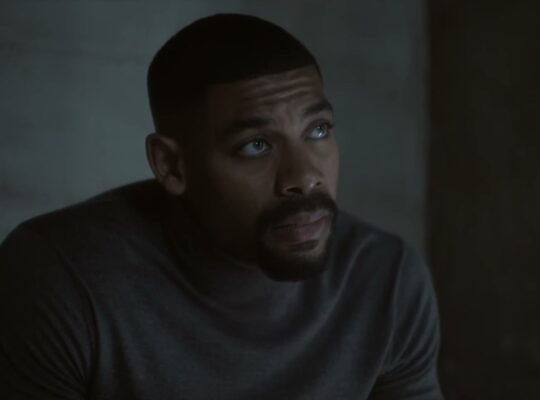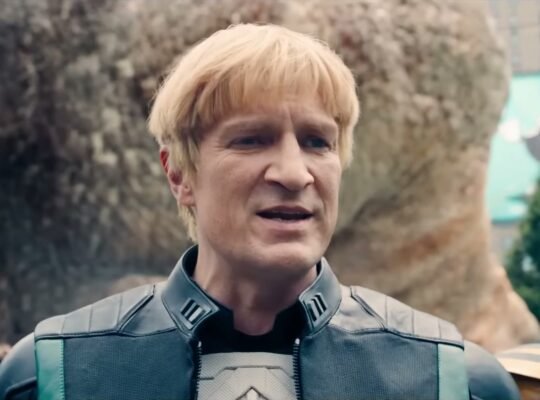
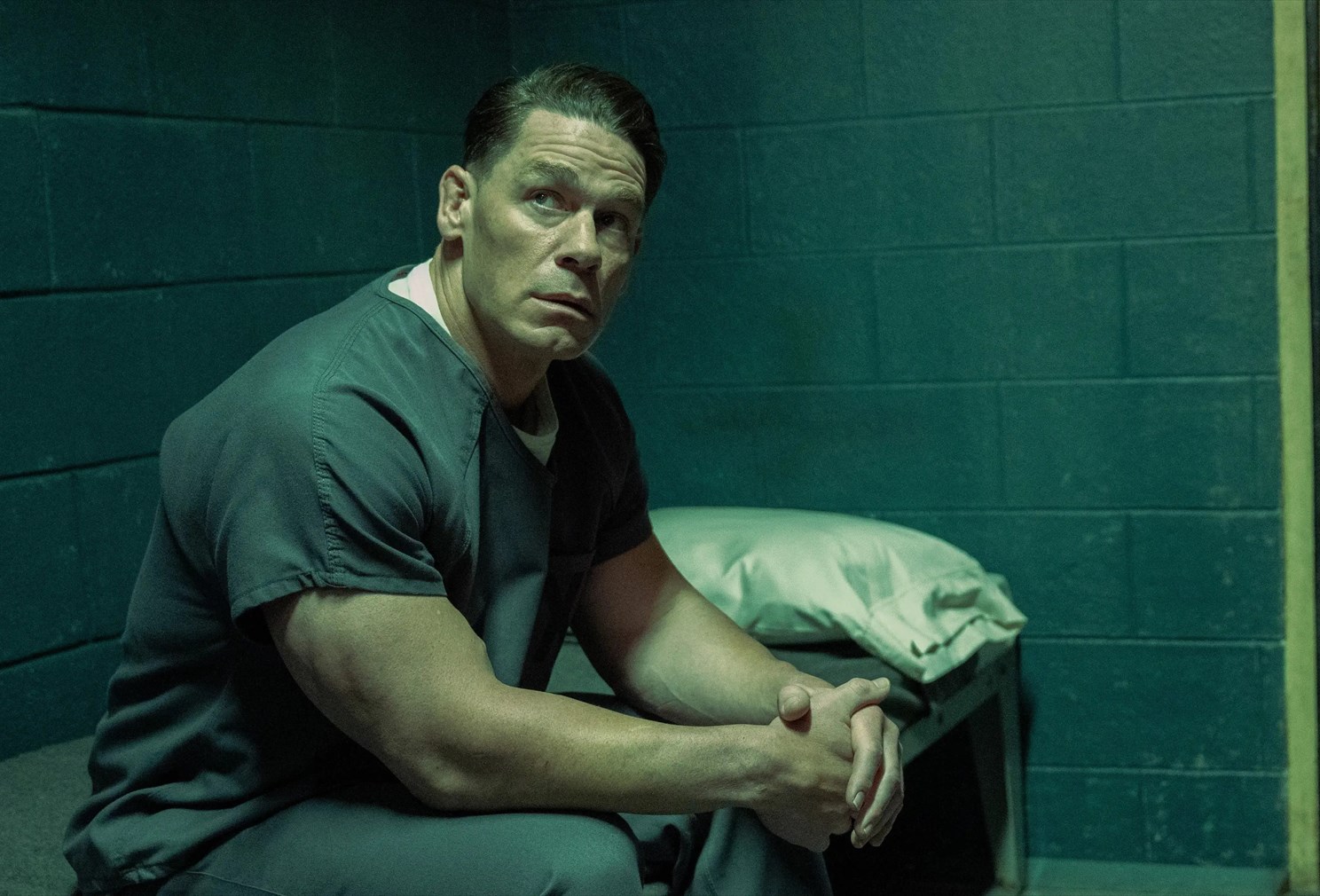
Most superhero finales hand you a victory lap. The hero stands over the rubble, bloodied but breathing, the music swells, and everyone goes home feeling like the good guys came out ahead. “Peacemaker” Season 2 does the opposite. James Gunn spent eight episodes patiently convincing Chris Smith (John Cena) that he isn’t the walking curse he’s always believed himself to be, and then, with maybe four minutes left on the clock, shoved him through a portal into a prison dimension and let the door slam. It might be the meanest thing Gunn has ever done to a character he clearly adores.
Some context for anyone who skipped the ride. This was the first live-action series to live fully inside Gunn’s rebooted DC Universe, picking up after “Superman” reset the board this summer. Eight episodes, August 21 through October 9 on HBO Max, closing on an installment called “Full Nelson.” And where Season 1 was a story about a broke, bigoted merc learning to be slightly less awful, Season 2 went cosmic and intimate at the same time: a multiverse story that never once forgot it was really about a lonely man who thinks he ruins everything he touches. Before we get into how it all lands, the usual caution. Warning: beyond this point there are spoilers for Peacemaker and the Salvation prison-dimension cliffhanger that closes Season 2.
James Gunn spent eight episodes patiently convincing Chris Smith (John Cena) that he isn’t the walking curse he’s always believed himself to be, and then, with maybe four minutes left on the clock, shoved him through a portal into a prison dimension and let the door slam. It might be the meanest thing Gunn has ever done to a character he clearly adores.”
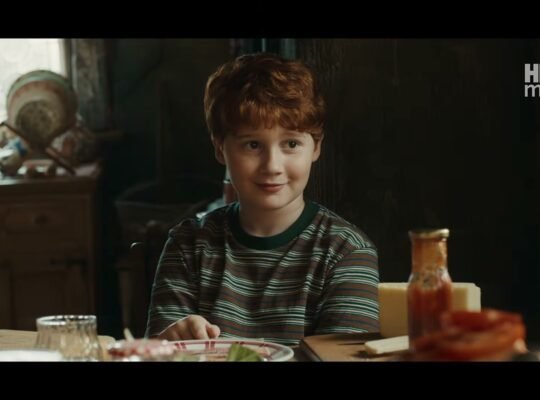
Here’s the engine that drove the whole season. Rummaging through his dead father’s belongings, Chris finds a glowing doorway, the Quantum Unfolding Chamber, tucked away in the family home, and on the other side of it is a life he was never allowed to have. His father Auggie (Robert Patrick) is warm instead of monstrous. His brother Keith (David Denman), whose death has haunted Chris since childhood, is alive and gentle. Even Emilia Harcourt (Jennifer Holland), who spent Season 1 keeping him at arm’s length, looks at him like he matters. For a man who has been told his entire life that he poisons every room he walks into, it’s paradise with a welcome mat.
Of course it’s a trap. The tell creeps in slowly: Harcourt notices there are no people of color anywhere in this shiny alternate suburbia, and then Chris clocks an American flag with a swastika where the stars should be. This isn’t a wish granted. It’s Earth-X, the corner of the multiverse where the Nazis won World War II, and the reason Auggie seems so at peace there is the grimmest joke the show has ever told: nothing about the man actually changed. The world simply rearranged itself until his supremacist worldview became the default setting. Gunn dresses up Chris’s fantasy as a fascist nightmare, and the point cuts clean: the “perfect” version of Chris’s life can only exist in a reality built on the worst thing humanity ever did.
What makes it work is that the season never loses the thread of Chris himself. Strip away the dimensional doors and this is a story about a guy trying to decide whether he’s allowed to be happy. He’s killed people who mattered: including his own brother as a boy, and Rick Flag Jr. (Joel Kinnaman) back in “The Suicide Squad”, and he’s carried that math around like a life sentence. The genuine breakthrough of the finale isn’t a punch or a power-up. It’s Chris, back in his own flawed reality, finally starting to believe he isn’t the problem, and Harcourt admitting that the drunken kiss on the boat before the season started actually meant something to her. For about ten minutes, “Peacemaker” lets its hero have a good day.
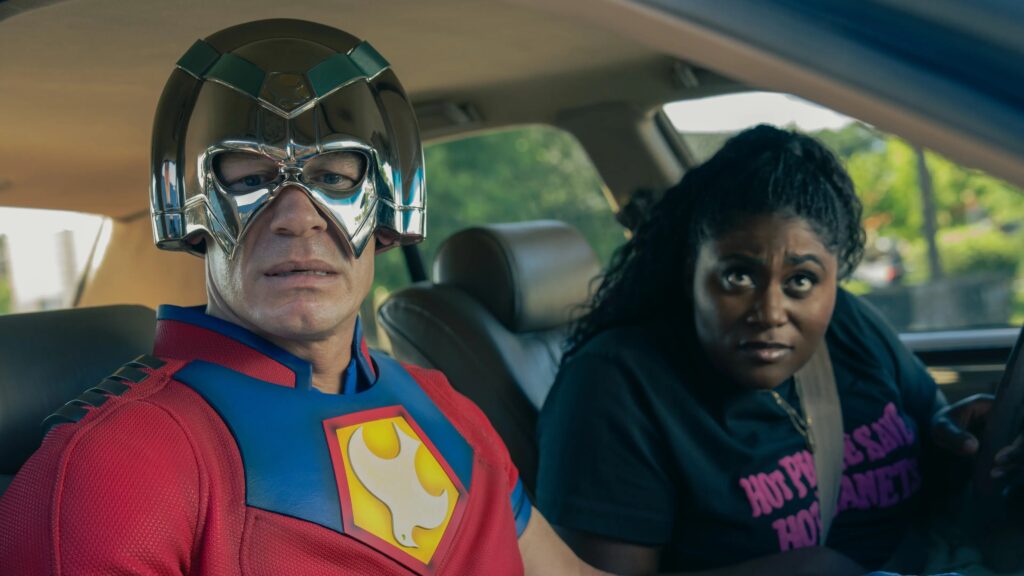
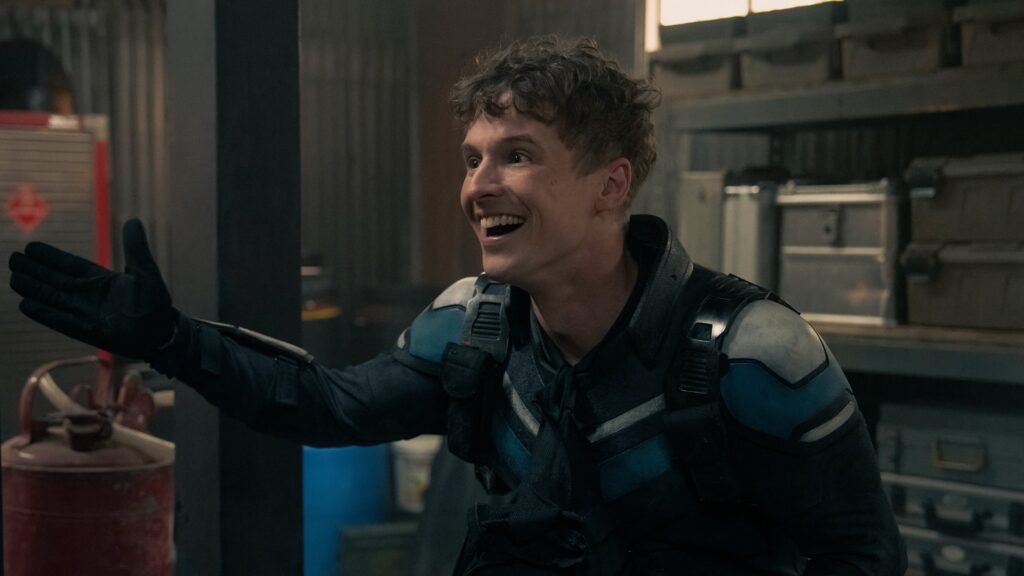
Which is exactly when the knife goes in. Rick Flag Sr. (Frank Grillo) has spent the season circling, and his motive is old-fashioned revenge: Chris killed his son, and a father like Flag doesn’t settle that with a handshake. Grillo plays him as a man who has convinced himself that grief and duty are the same thing, which makes him scarier than any cackling supervillain. He wants Chris gone, and he has the machinery of a government black-ops agency to make it happen. Before that trap springs, though, the finale hands the ensemble its own quiet triumph. Fed up with being Amanda Waller’s (Viola Davis) attack dogs, the 11th Street Kids decide to walk. They raid the cash Adrian Chase (Freddie Stroma) has stashed away, rent an office, and stand up their own outfit: Checkmate. Leota Adebayo (Danielle Brooks), Harcourt, John Economos (Steve Agee), Vigilante, Judomaster (Nhut Le), and newcomers Sasha Bordeaux (Sol Rodríguez) and Langston Fleury (Tim Meadows) are suddenly a team that answers to no one. If you know your DC comics, the word “Checkmate” is a flare going up: a whole corner of the DCU being quietly bolted into place while you weren’t looking.
And then Gunn takes it all away. A.R.G.U.S. agents grab Chris in the final stretch, and it turns out Flag Sr. has forged the paperwork to make him the very first prisoner of a place called Salvation. Using the Quantum Unfolding Chamber, Flag located a habitable world buried inside the multiverse and quietly repurposed it as an off-books cage for metahumans: a prison nobody escapes because nobody even knows where it is. Chris isn’t being sent there to serve a sentence. He’s the test subject, the canary Flag is using to see whether the atmosphere can keep a superpowered body breathing. The last thing we hear as the door seals is snarling, something moving out there in the dark, which means Salvation is nowhere near as empty as Flag believes.
It’s a gut-punch, and I mean that as the highest compliment I can pay a finale. The cruelty is the entire point. Gunn structures the hour so that Chris earns his peace, the self-acceptance, the girl, the found family, and then rips every piece of it out of his hands the instant he dares to reach for it. You could argue it’s too mean, that a beloved character deserves room to breathe before the credits. I’d argue the opposite. This is the most honest ending the show could give a man whose whole identity is “I don’t get to have nice things.” The tragedy isn’t that Chris fails. It’s that he finally succeeds, and the world punishes him for it anyway.
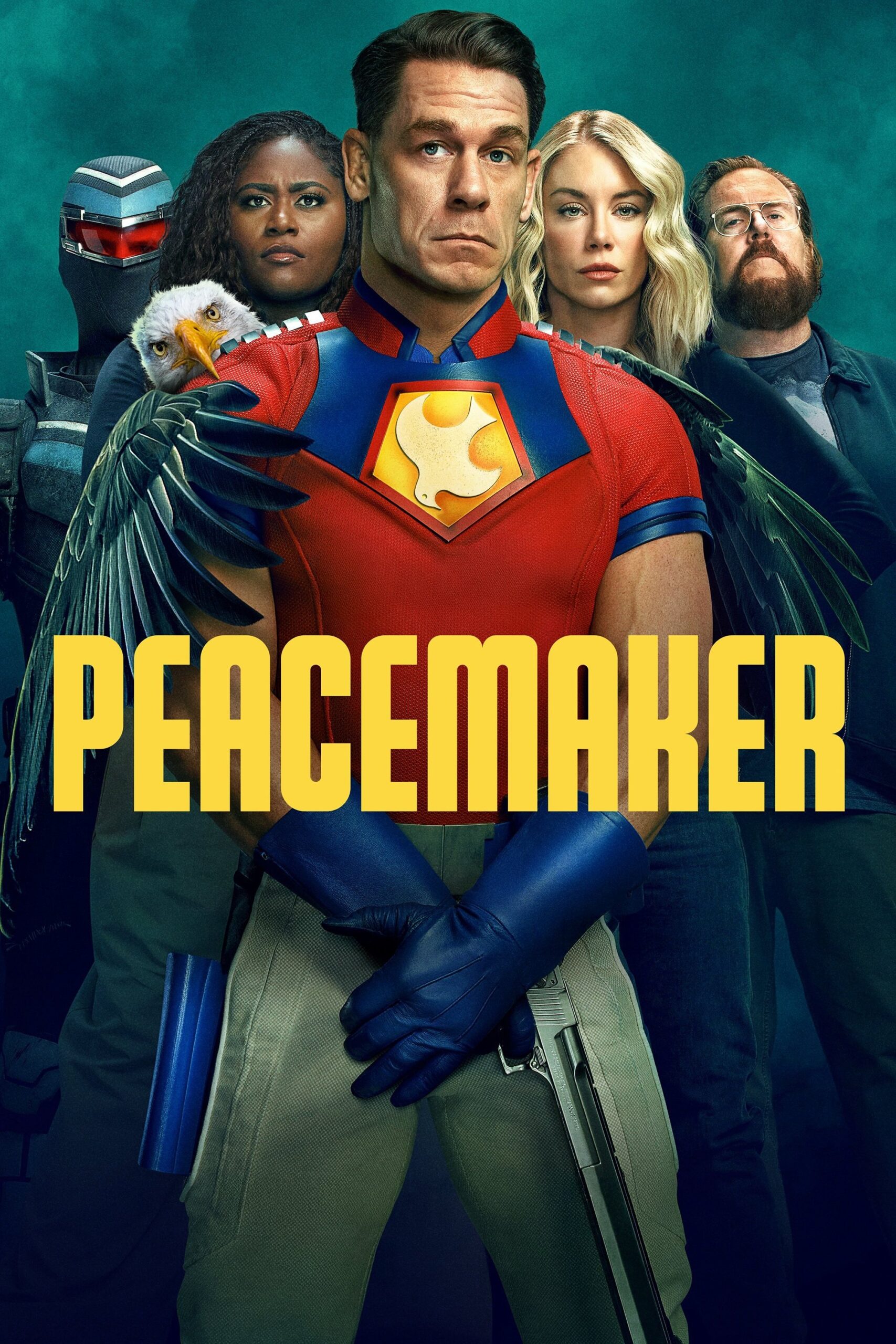
The finale also does the franchise homework a modern tentpole is expected to do, without ever curdling into a two-hour commercial. Salvation is lifted straight from a nasty comics arc about villains dumped on a prison planet, and stranding Chris there plants a seed that could grow in a dozen directions. Checkmate hands this pocket of the DCU its own spy-thriller engine going forward. Gunn has already said out loud that Chris’s story threads directly into what’s coming next, with “Man of Tomorrow” and “Supergirl” waiting on the horizon. The difference between this and the old shove-in-a-cameo school of universe-building is that all of it grows out of character. Nothing here happens because a whiteboard in a boardroom demanded it.
Cena, for what it’s worth, has quietly turned into one of the most watchable leads in this whole genre. He plays a man built like a tank and then cracks him open to show the frightened kid rattling around inside, sometimes in the same shot, and the finale leans hard on his ability to sell heartbreak between the dick jokes. Holland finally gets the emotional beat she’s been owed for two seasons. Grillo strolls in and instantly makes Flag Sr. feel like a threat this universe will be reckoning with for years. For a show that started life as a spin-off nobody asked for, “Peacemaker” keeps quietly proving it might be the most emotionally serious thing on Gunn’s entire slate. Season 2 doesn’t end so much as it stops, mid-breath, with its hero locked in the dark and his friends about to come looking for him. That’s not a finale. That’s a dare.
What Do You Think? What is actually making those snarling sounds inside Salvation: leftover metahuman prisoners left to rot, something far worse that Flag never accounted for, or the setup for a big-bad the DCU hasn’t tipped its hand on yet? Now that Checkmate exists outside Waller’s chain of command, does that make the 11th Street Kids the good guys, or just a nicer-looking version of the same black-ops problem they claim to be running from? Was Rick Flag Sr. right to treat Chris as a killer who got away with it, or has Gunn built the perfect tragic villain out of a grieving father who genuinely can’t tell the difference between justice and revenge?
Catch up properly: every DC movie and show in chronological order on our Timeline Hub’s DC timeline.
See you on the next binge!