Today marks the highest holiday on the cultural calendar. April twentieth is finally here. The BR team is officially begging you to stop streaming the exact same exhausted studio comedies that the corporate algorithms force-feed you every single year. The commercial monetization of cannabis culture has completely sanitized the genre, effectively turning a rebellious subculture into a sterile retail aesthetic. Modern features treat the plant as a harmless background prop designed to sell lifestyle merchandise. To properly celebrate the holiday, we must honor the foundational texts. We dug into the cinematic vault to spotlight the movies where marijuana is the undisputed central character driving the plot forward. These ten features represent the absolute pinnacle of the genre, blending absurdity, philosophy, and brilliant technical filmmaking into unforgettable cinematic trips. It is time to abandon the predictable studio playbook and respect the origins of the genre.
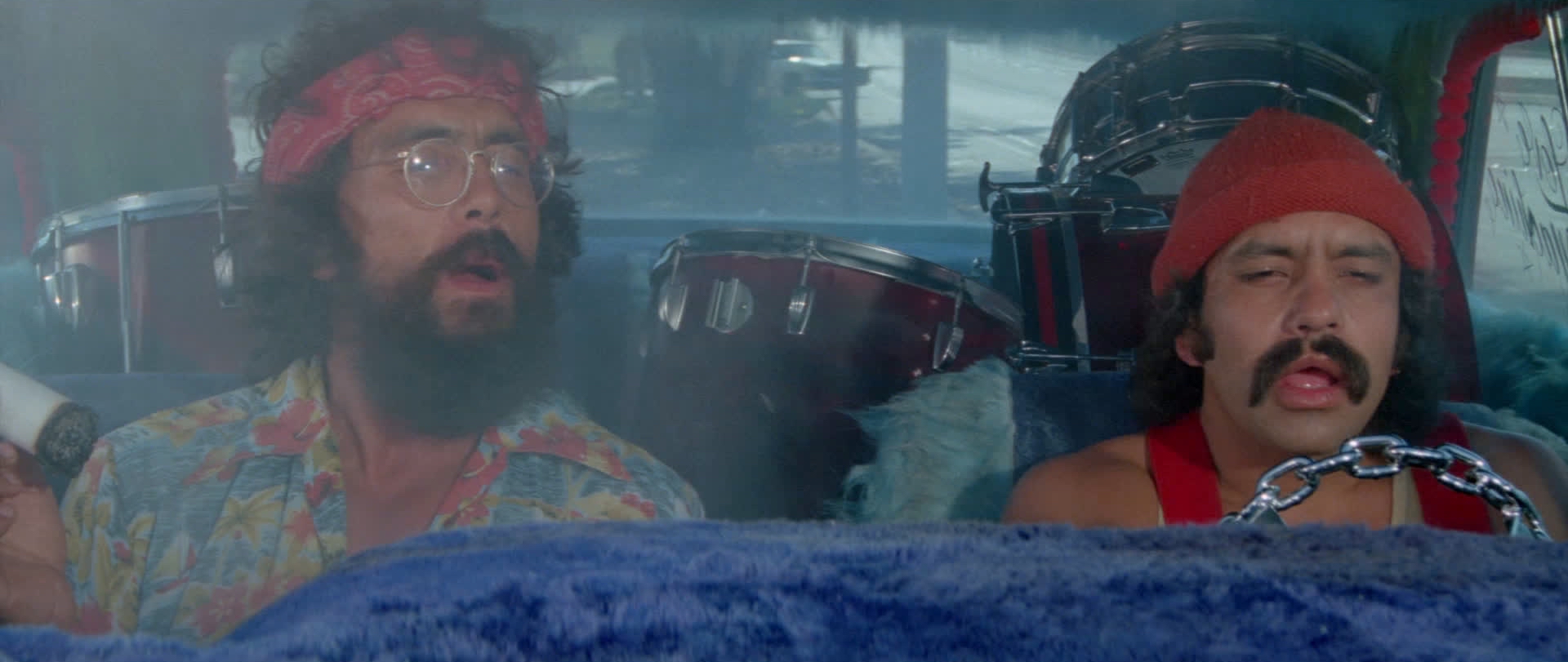
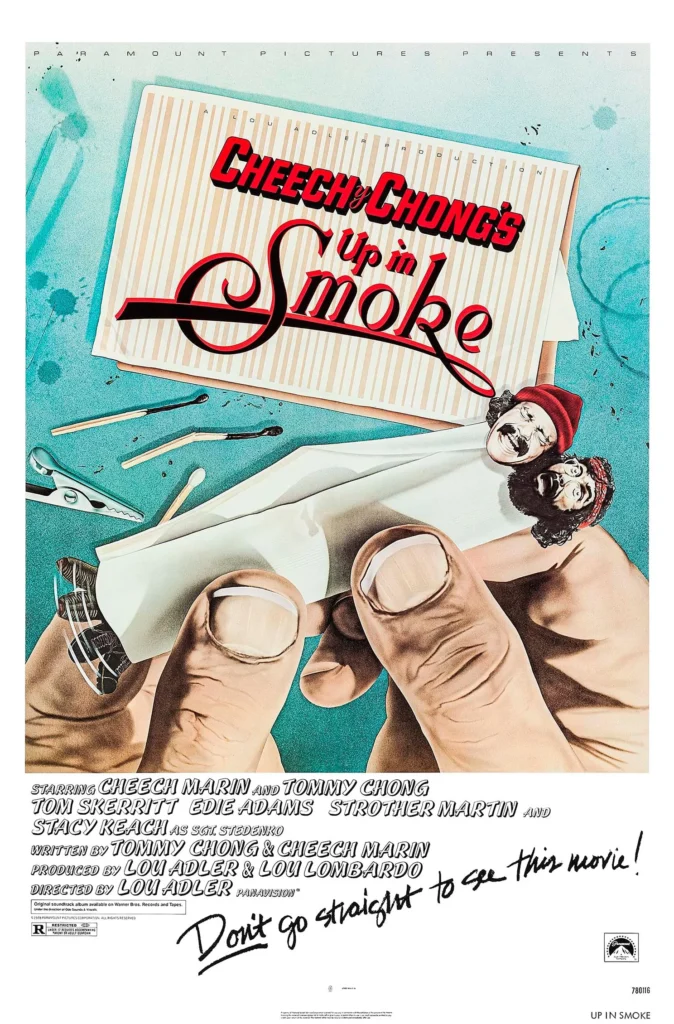
Leading the pack is the undisputed godfather of the culture. “Up in Smoke” established the entire template for decades to come. The plot follows Pedro de Pacas (Cheech Marin) and Anthony Stoner (Tommy Chong) as they inadvertently smuggle a massive van constructed entirely of hardened marijuana resin across the Mexican border. This feature functions as a chaotic road trip movie that perfectly captures the counterculture friction of the late seventies. The production relied heavily on guerrilla filmmaking tactics. Director Lou Adler utilized natural lighting setups and lightweight camera rigs to capture the frantic energy of Los Angeles traffic. The sound mix is noticeably rough, prioritizing overlapping dialogue and spontaneous improvisation over clean studio audio. The camera department simply mounted heavy equipment directly onto the hood of a classic lowrider to capture authentic reactions. It gave the picture a documentary edge that larger studios could never successfully replicate in a controlled environment.
We are diving deep into the cinematic vault to highlight the definitive masterpieces where marijuana is the undisputed central character driving the plot forward.”
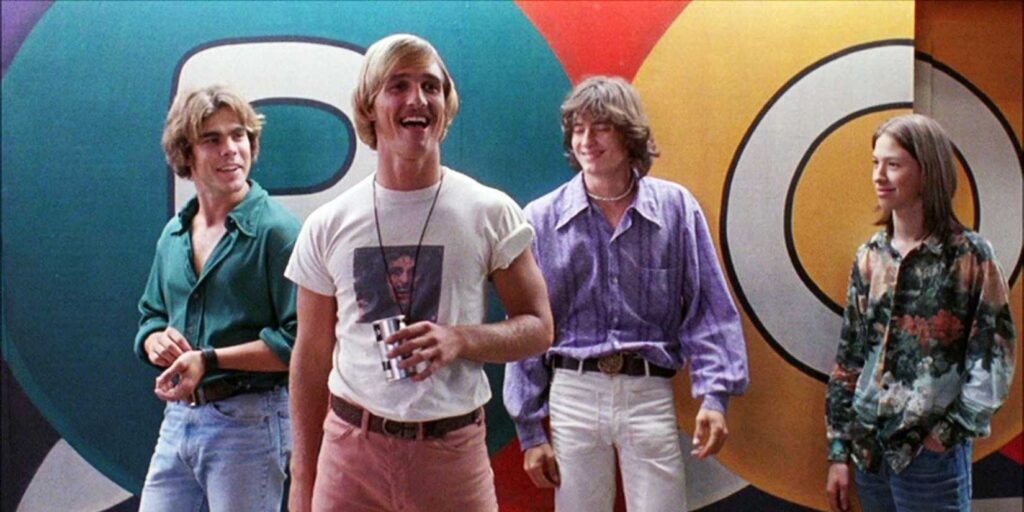
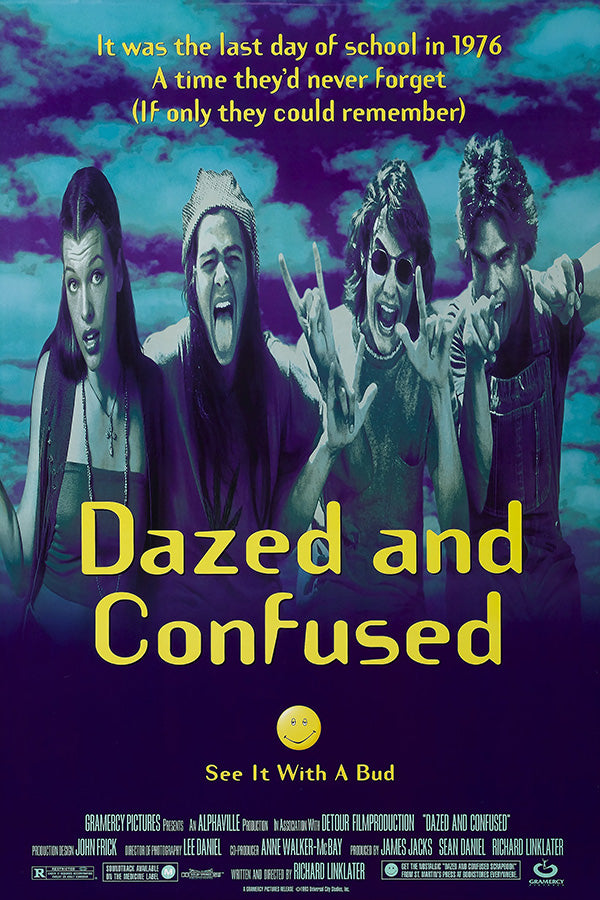
Shifting away from overt slapstick, Richard Linklater delivered an undisputed masterpiece with “Dazed and Confused”. Set on the last day of high school in 1976, the narrative weaves through multiple overlapping social circles. The pursuit of a decent buzz is the unifying glue holding these disparate groups together. We follow characters like Randall Pink Floyd (Jason London) and the iconic David Wooderson (Matthew McConaughey) as they cruise the Texas suburbs. Linklater is an absolute master of ensemble blocking. The camera operators utilized fluid tracking shots to navigate massive party scenes without losing focus on intimate character moments. The production design team painstakingly sourced authentic period vehicles and vintage clothing to ensure the nostalgia felt grounded rather than cartoonish. The editing completely ignores traditional narrative structure, opting instead for a relaxed, meandering pace that perfectly mimics a lazy summer afternoon.
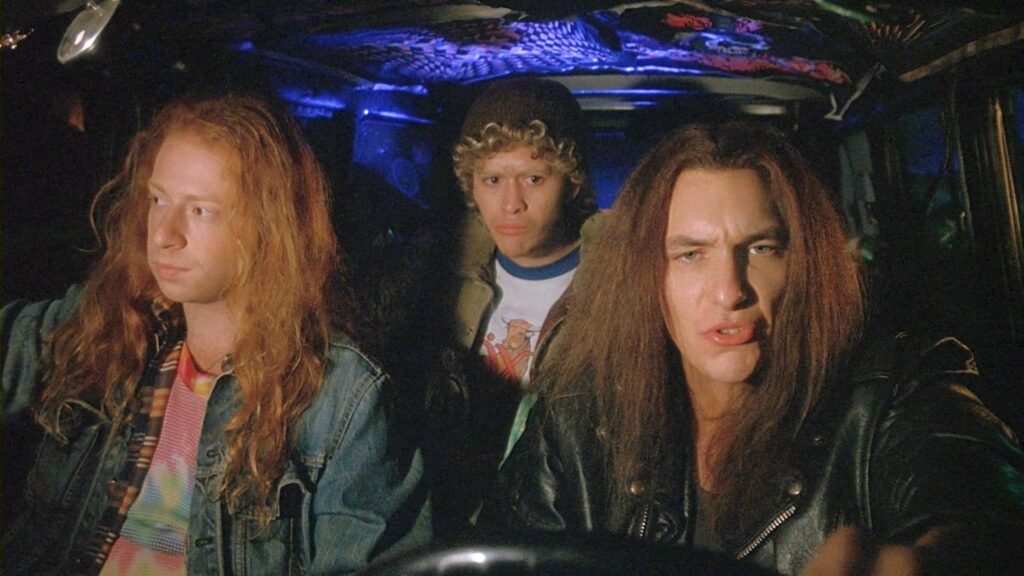
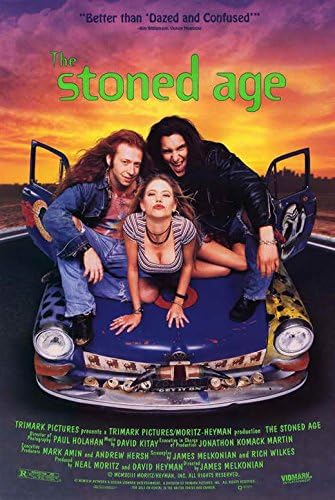
For a grimier take on that specific era, we must acknowledge the brilliance of “The Stoned Age”. Released in the mid-nineties but drenched in period-accurate grime, this feature tracks two aimless teenagers. Joe (Michael Kopelow) and Hubbs (Bradford Tatum) spend the entire runtime cruising through the South Bay. Their singular motivation is securing a buzz and avoiding the local authorities while driving their battered Blue Torpedo. Unlike mainstream teen comedies that juggle wholesome coming-of-age arcs, this script commits fully to the monotonous reality of chasing a high. Capturing that low-rent aesthetic required a deliberate visual strategy. The cinematography heavily features cheap film stock and harsh practical lighting to replicate the authentic grit of a bygone decade. The production design avoids polished retro aesthetics, opting instead for authentic basement sets packed with cheap wood paneling. It is an unglamorous depiction of basement culture that feels authentic.
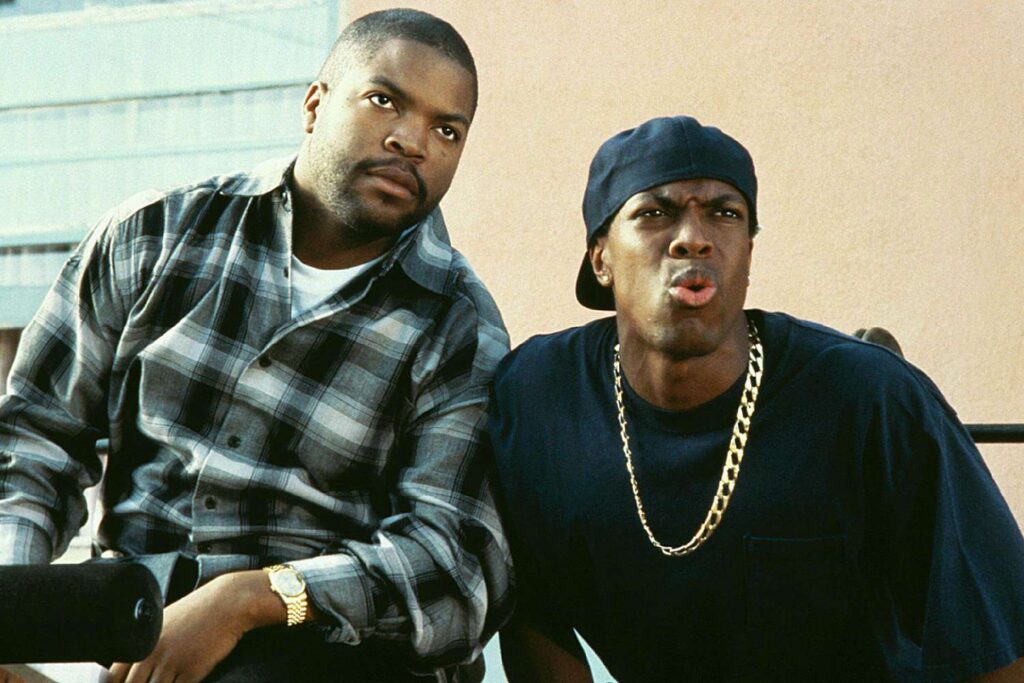
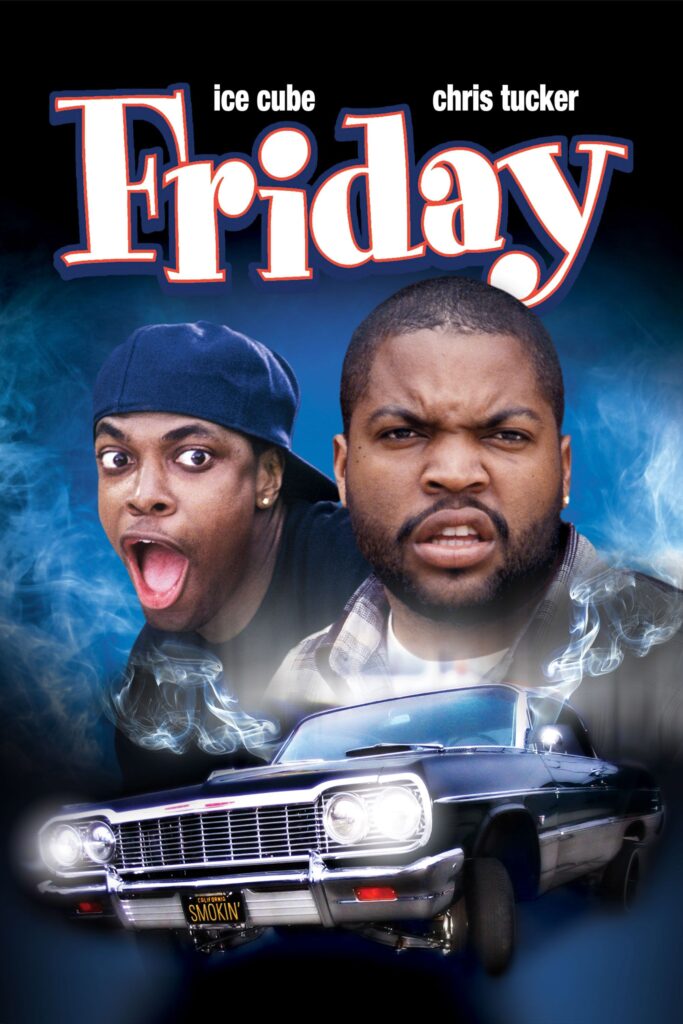
Transitioning into the nineties, director F. Gary Gray completely redefined the neighborhood comedy with “Friday”. The plot is famously contained to a single afternoon. Craig Jones (Ice Cube) and his best friend Smokey (Chris Tucker) must generate two hundred dollars by nightfall after smoking a local dealer’s stash. Gray executed a brilliant technical feat by confining the majority of the action to a single residential block in South Central Los Angeles. Coming from the music video industry, Gray framed static shots like dynamic hip-hop visuals. The camera department maximized the use of natural California sunlight, creating a welcoming visual palette that directly contrasted with the bleak urban dramas popular at the time. They utilized deep background focus to constantly track neighborhood activity happening behind the main characters on the porch. The editing pace is relentless, utilizing quick cuts and punchy reaction shots to boost the incredible physical comedy.
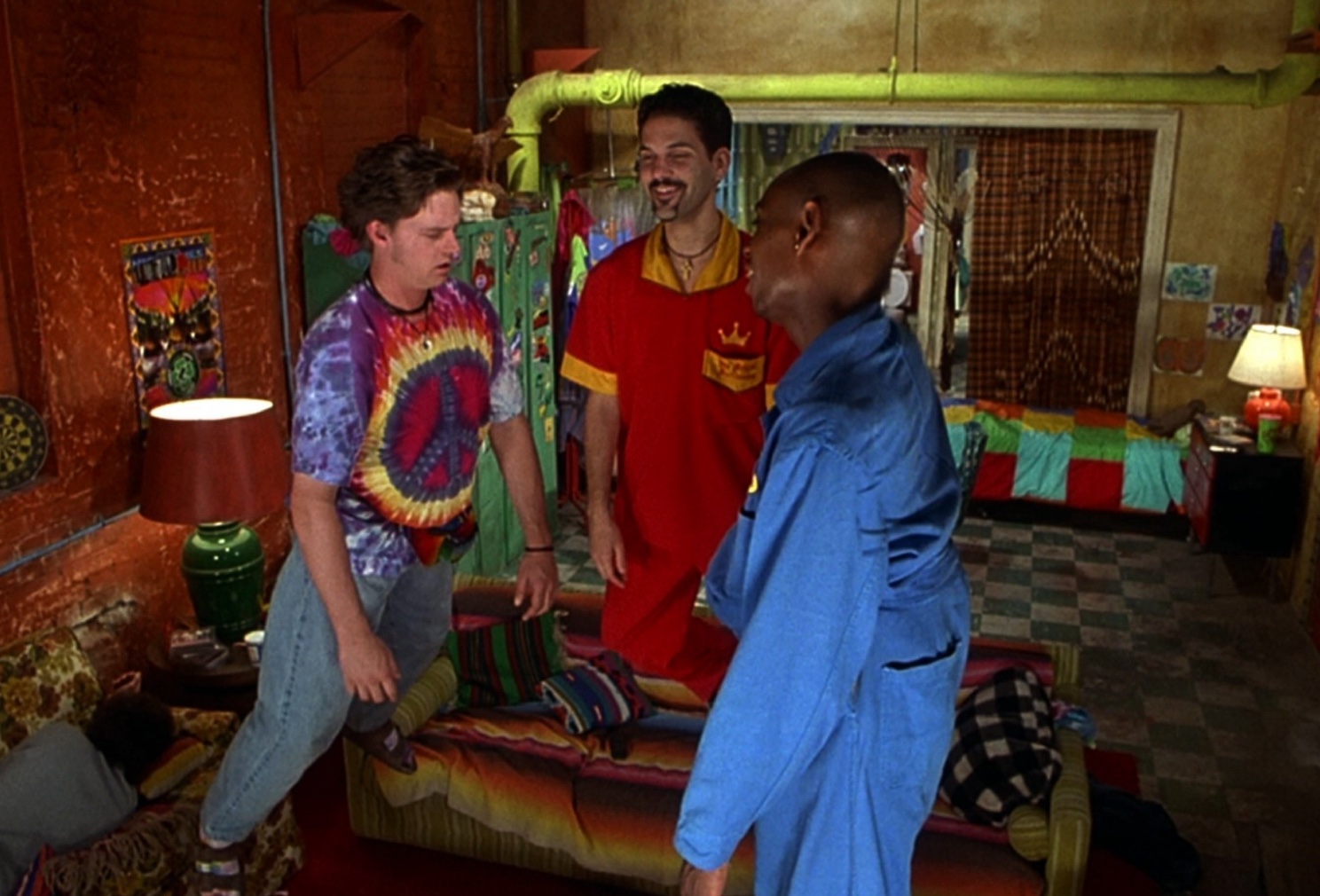
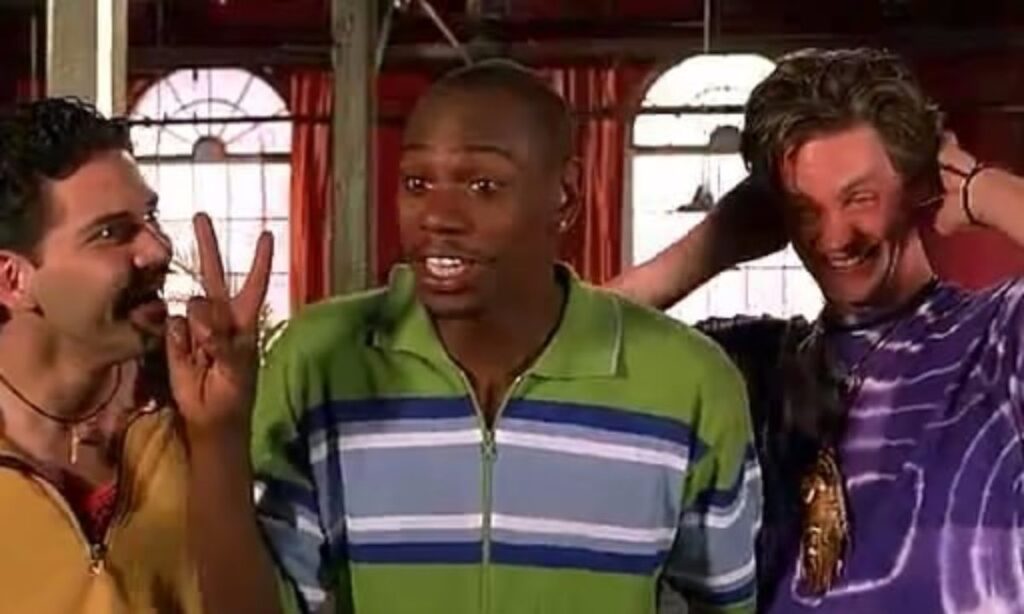
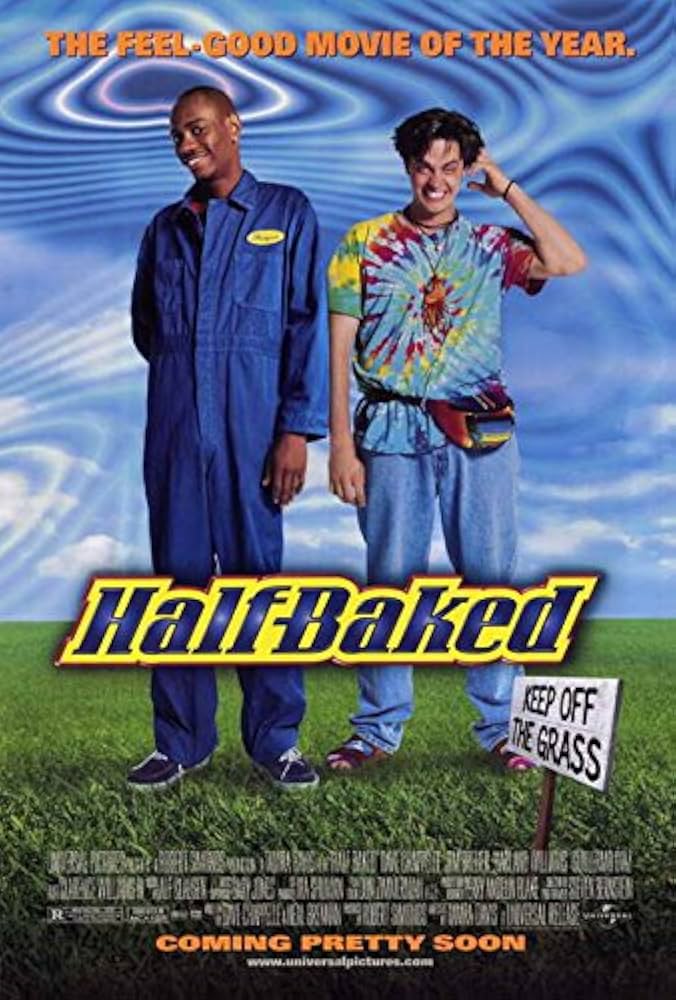
When a kindly kindergarten teacher gets arrested for accidentally feeding a police horse junk food, his friends must become amateur drug kingpins to afford his bail. “Half Baked” stars Thurgood Jenkins (Dave Chappelle) and Brian (Jim Breuer) in an absurd heist narrative. The studio completely embraced cartoon physics for this specific production. The special effects team utilized practical wirework to literally launch characters across the room after taking a massive hit. The camera operators leaned into distorted wide-angle lenses to emphasize the physical comedy and exaggerated facial expressions of the cast. Director Tamra Davis utilized massive crane shots for the surreal flying sequences over the New York City skyline. It is a goofy, unapologetic love letter to the leaf that balances absurd slapstick with genuine heart, utilizing extensive practical makeup to differentiate the various weed personalities depicted throughout the script.
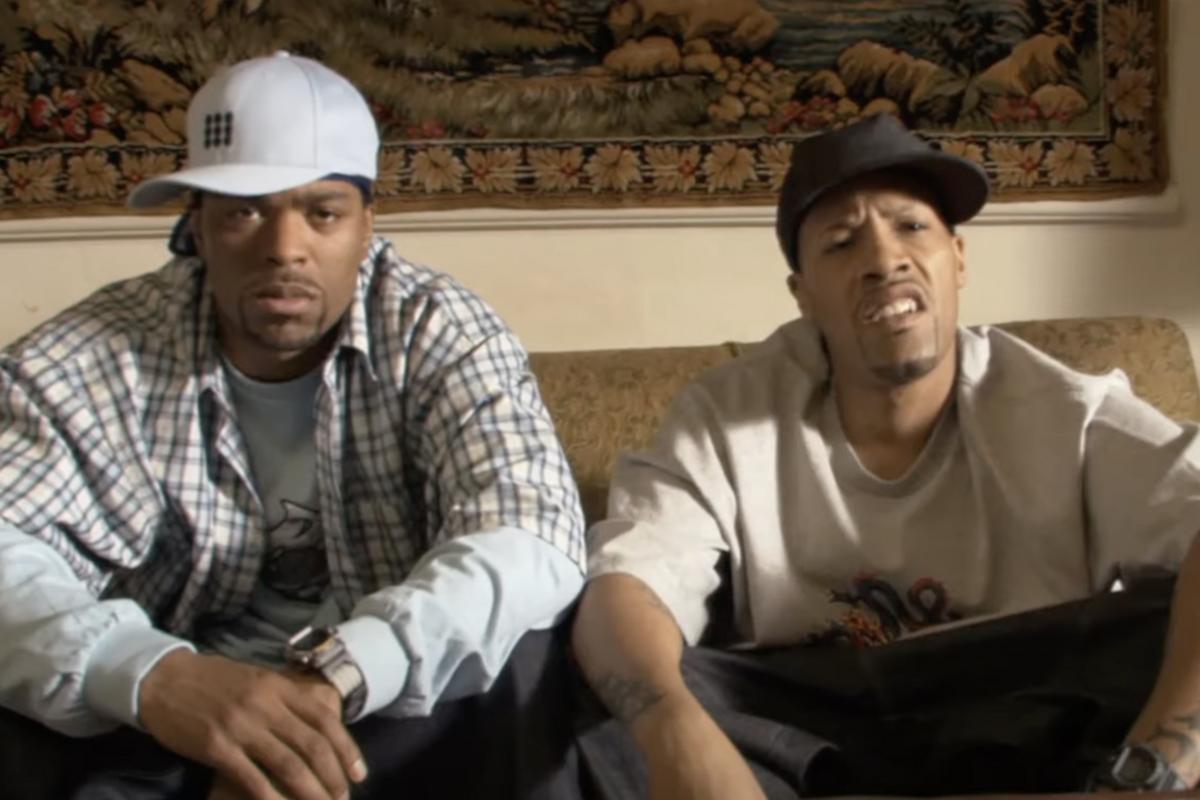
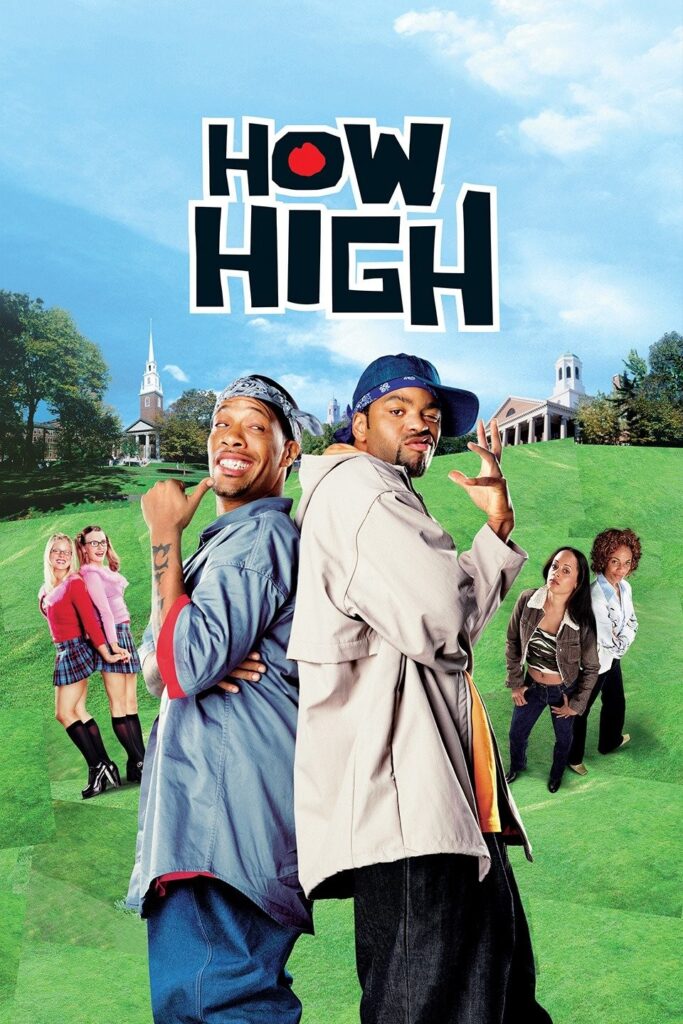
Blending supernatural elements with college comedy tropes, “How High” remains a bizarre cultural artifact. Silas P. Silas (Method Man) and Jamal King (Redman) discover that smoking a magical weed strain fertilized with the ashes of their deceased friend summons his ghost. The ghost subsequently helps them cheat on their college entrance exams. Once admitted to Harvard University, the duo immediately clashes with the elitist establishment. The visual effects pipeline for this film had to integrate early computer generation to render the translucent ghost of Ivory (Chuck Davis). Lighting a practical set to match the artificial glow of a digital apparition required precise exposure control from the camera crew. The ensuing culture clash produces a chaotic, rebellious cinematic trip that holds up surprisingly well, relying heavily on contrasting the sterile academic lighting with the neon-soaked environments of the protagonists.
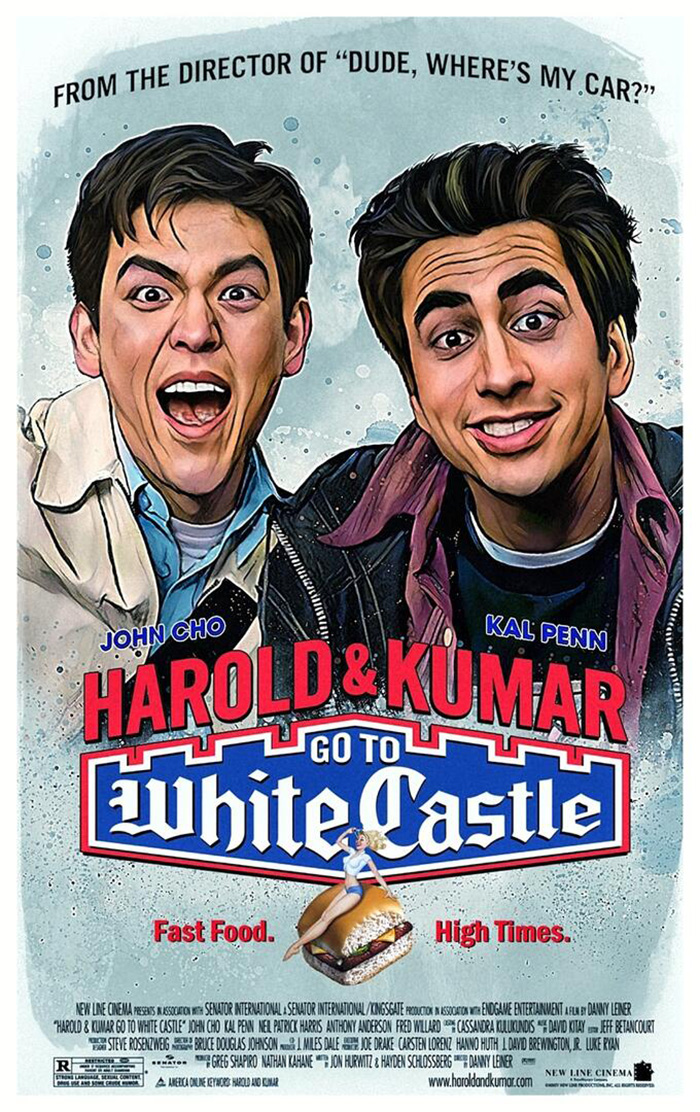
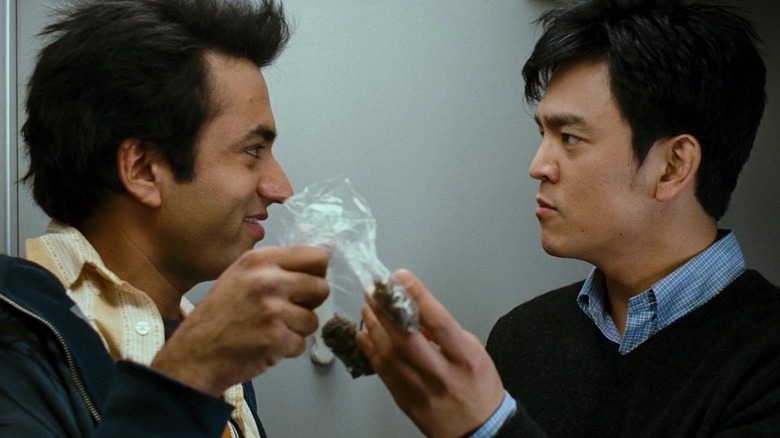
The universal quest for late-night fast food reached mythological proportions with “Harold & Kumar Go to White Castle”. Office drone Harold Lee (John Cho) and slacker Kumar Patel (Kal Penn) embark on an epic quest to satisfy their raging munchies. The script cleverly treats a simple fast-food run like a harrowing fantasy epic. To sell the mounting absurdity of their interstate road trip, the cinematography team constantly escalated the visual language. They transitioned from flat office lighting into moody night exteriors as the duo ventured deeper into the wilderness. The production faced massive logistical hurdles, including complex animal coordination for a sequence involving an escaped cheetah. The practical makeup department also achieved legendary status by designing terrifying prosthetics for the backwoods mechanic named Freakshow (Christopher Meloni).
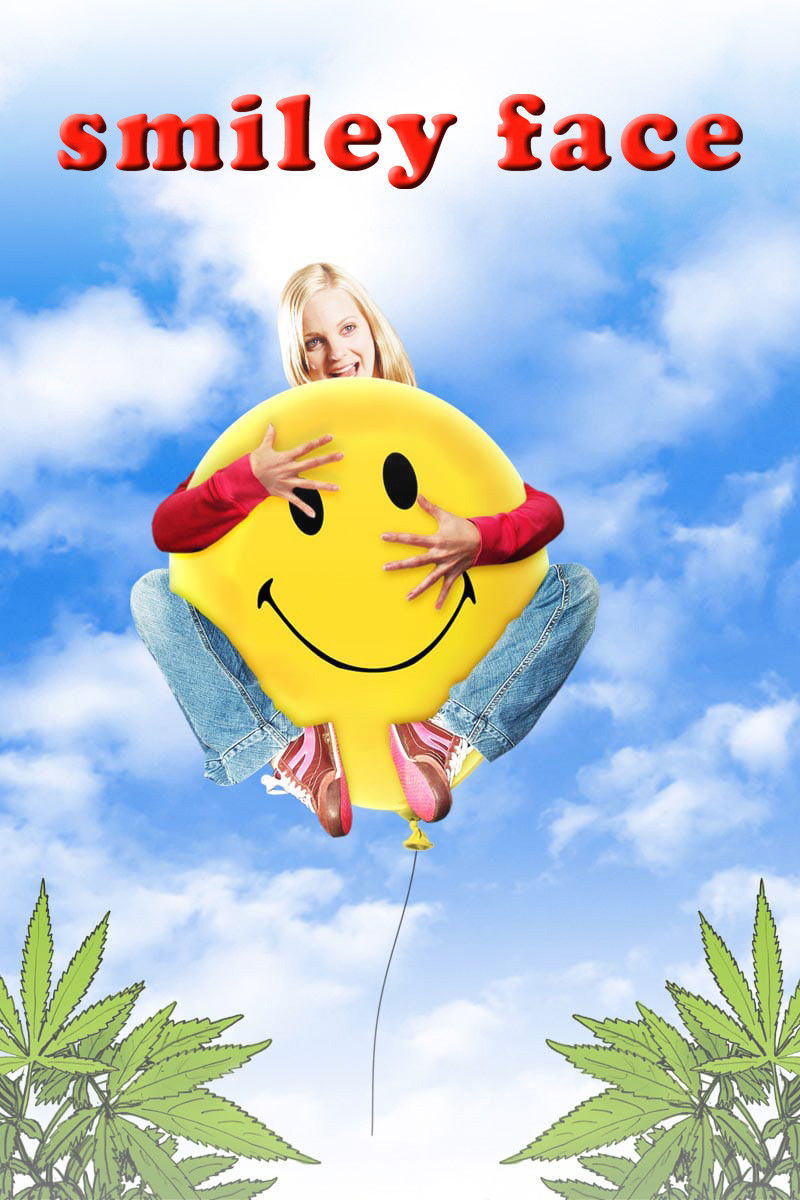
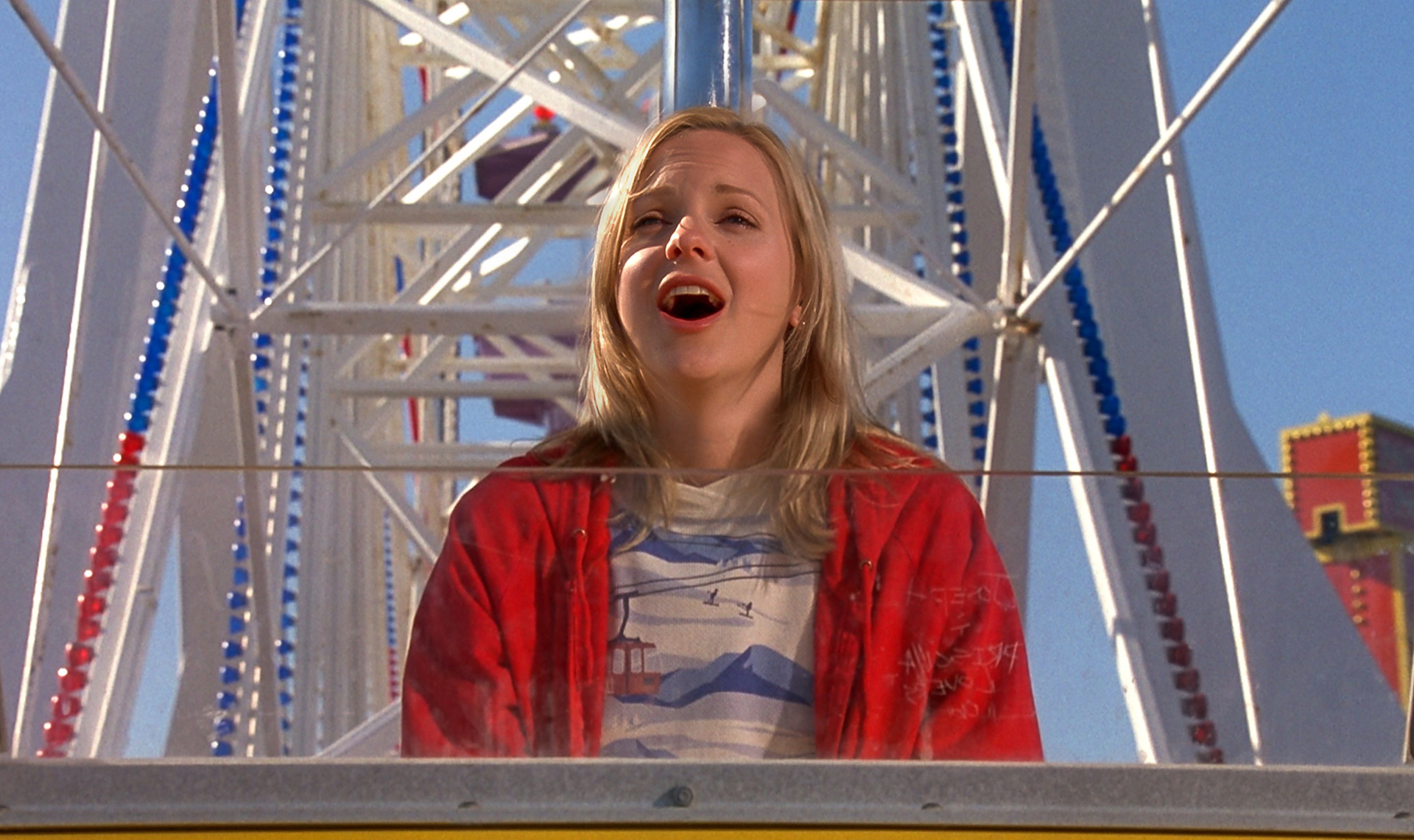
Pivoting toward pure psychological chaos, director Gregg Araki delivered a frantic masterpiece with “Smiley Face”. The plot follows a struggling actress named Jane (Anna Faris) who accidentally consumes an entire plate of potent cupcakes. Realizing she has to replace the stolen stash, Jane embarks on an unhinged odyssey across Los Angeles. Araki frames the entire narrative around the mounting paranoia of a massive edible overdose. The visual execution is a brilliant masterclass in subjective filmmaking. The camera operators actively simulate her compromised mental state using aggressive push-ins, tilted angles, and jarring jump cuts. As her high intensifies, the color grading shifts into exaggerated palettes. Faris anchors the entire visual circus with a committed comedic performance. The production utilized massive crane rigs to capture her terrifying ride on a Ferris wheel, perfectly encapsulating the sheer terror of being incapacitated in public.
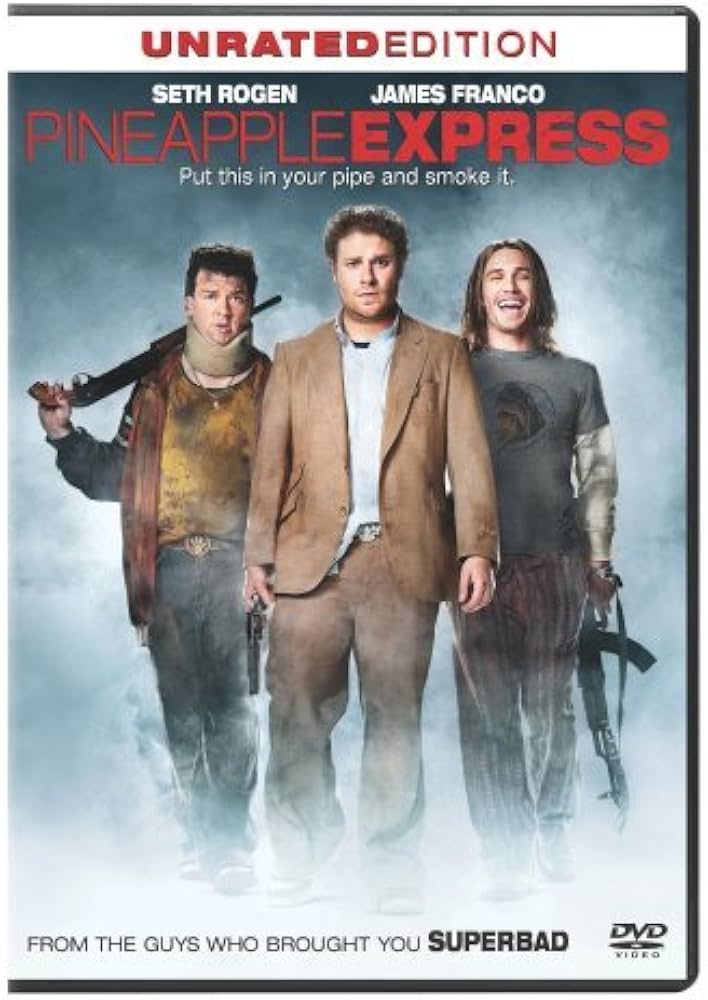
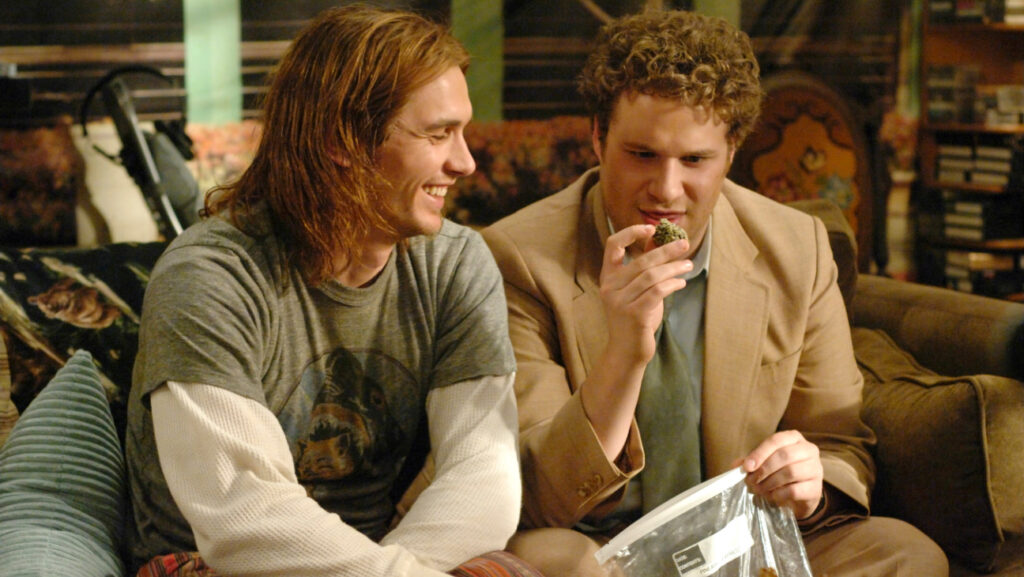
Injecting high-octane violence into the genre, “Pineapple Express” completely shattered structural expectations. Dale Denton (Seth Rogen) and his dealer Saul Silver (James Franco) are forced to go on the run after witnessing a corrupt cop commit murder. The brilliance of this feature lies in its technical execution. The director shot this project exactly like a legitimate action thriller. The special effects crew utilized explosive blood squibs, massive vehicle collisions, and complex firearm choreography. Combining intense action with standard comedy lighting creates a jarring tonal friction that lifts the material beyond a simple buddy comedy. The sound mixers deliberately pushed the volume of the gunfire to deafening levels, reminding the audience that the lethal stakes are entirely real. The climactic bunker shootout remains a triumph of practical stunt coordination and rapid-fire editing.
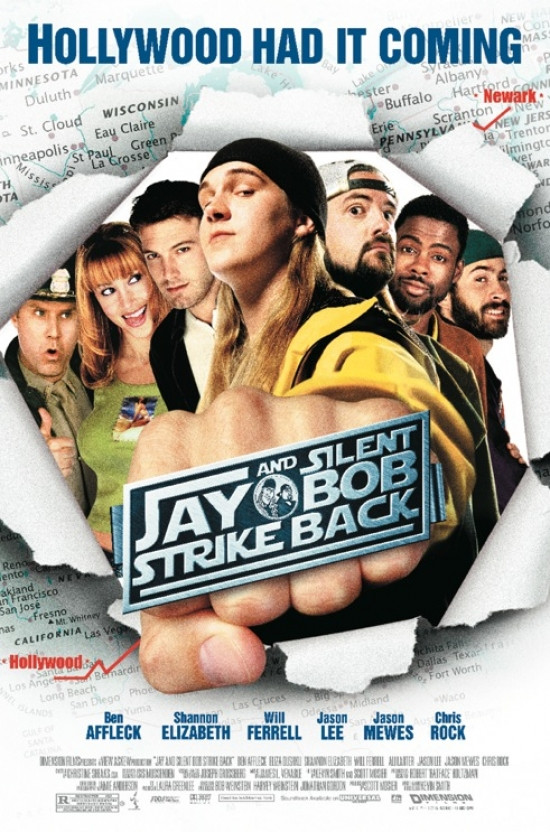
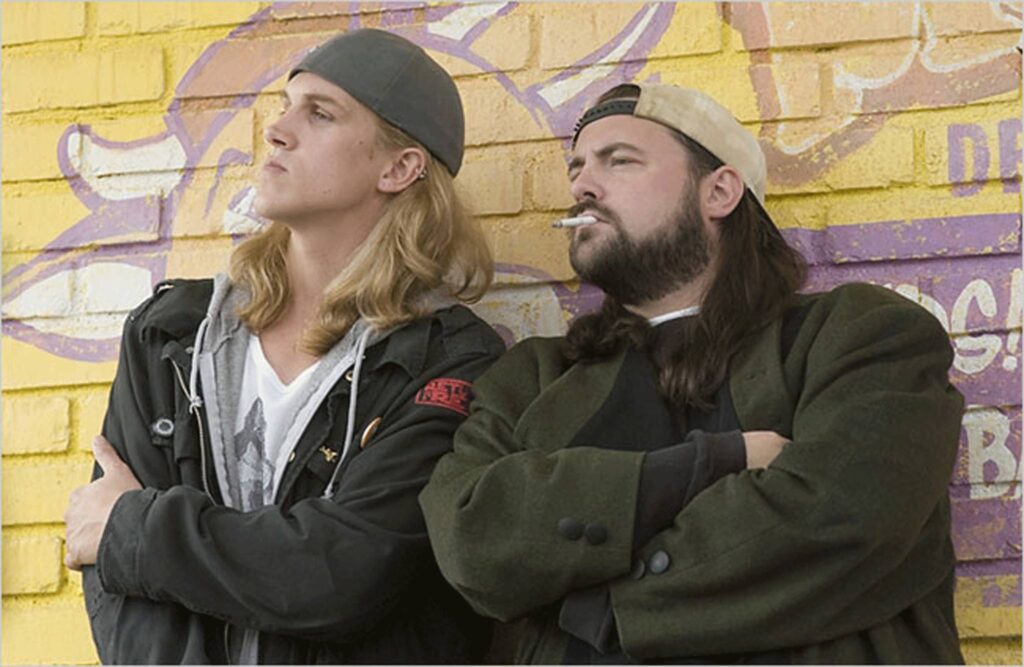
Closing out our ultimate list is a brilliant industry satire from the View Askewniverse. “Jay and Silent Bob Strikes Back” takes the iconic loitering duo on a massive road trip. Jay (Jason Mewes) and Silent Bob (Kevin Smith) discover that Miramax is adapting their comic book counterparts into a major motion picture without offering them a single royalty check. The narrative shifts from a standard neighborhood comedy into a relentless industry parody. The script brilliantly dissects the studio system, toxic internet culture, and the absurdity of franchise filmmaking. The production scale was a massive technical leap for Smith as a director. Moving away from the confined environments of his earlier independent features, the camera department had to manage sprawling studio backlots and complex chase sequences. Working with live animals required meticulous set coordination, particularly during sequences featuring an actual orangutan performing physical gags alongside the lead actors. The lighting team leaned into a polished cinematic look to directly contrast with the grimy aesthetic of his previous features. The sound design incorporates aggressive musical cues and heavy audio stings to mock the blockbuster style they are actively satirizing. The climax involves a sprawling prop battle on a soundstage that remains a triumph of practical stunt coordination disguised as a comedy bit.
Building a proper holiday marathon requires curating a specific cinematic vibe. These ten titles offer a radical departure from the sanitized corporate sludge currently dominating the market. They bring brilliant technical filmmaking, subversive writing, and unforgettable comedic performances. Dust off your vintage hardware, turn down the lights, and let these visionary directors take you on a vastly superior trip.
What do you think? Do you believe the mainstream commercialization of cannabis has permanently ruined the rebellious edge of classic stoner cinema? How would the frantic plot of ‘Smiley Face’ change if Jane had access to modern rideshare applications and food delivery services? Do you think the meta-Hollywood satire of “Jay and Silent Bob Strikes Back” holds up in the current era of endless studio reboots? Let us know your thoughts in the comments.
See you on the next binge!