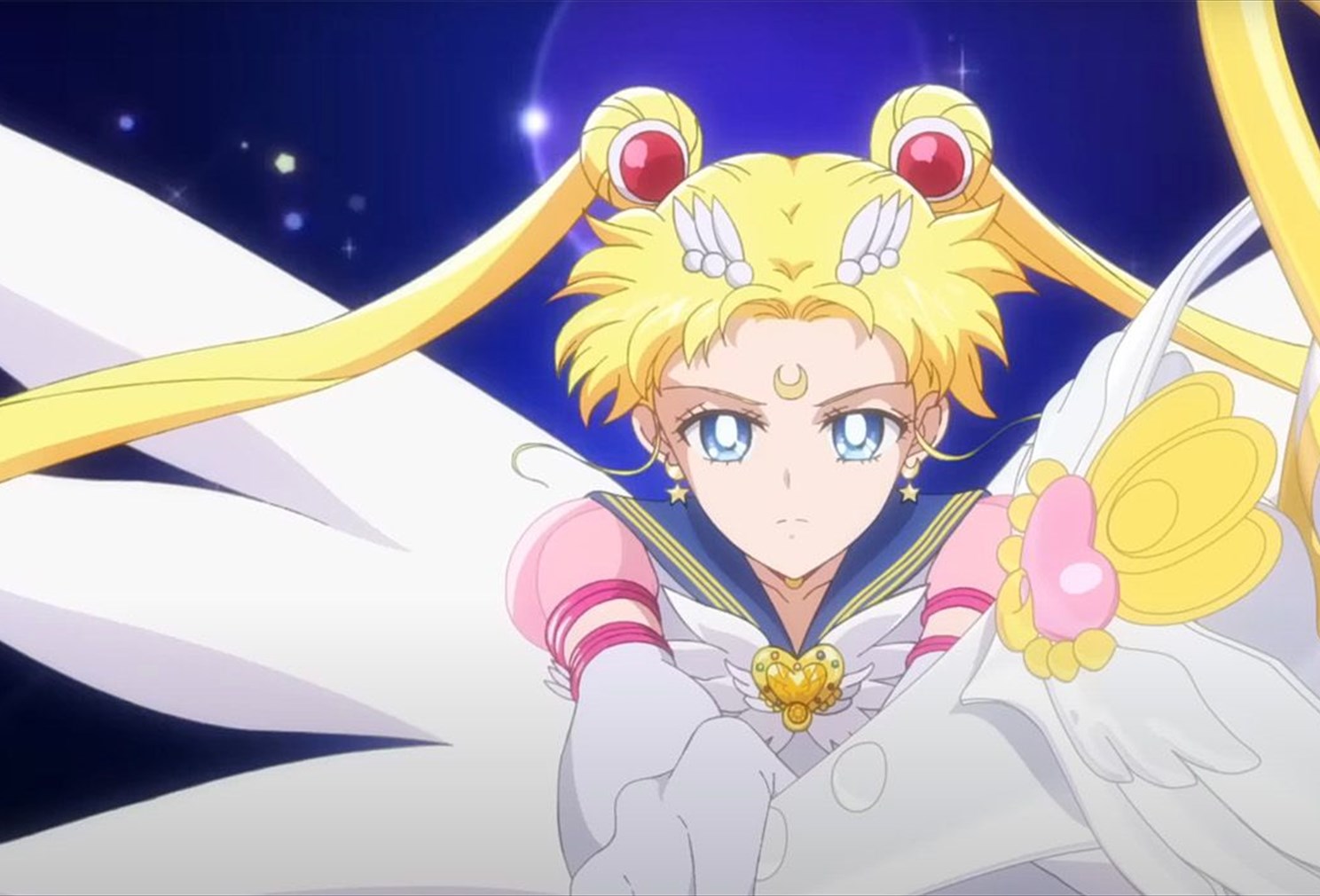
Sailor Moon never really goes away. It just waits for the right moment to light up the sky again, and in 2025, it is glowing brighter than it has in years. Across the year, the franchise has quietly staged a full-scale revival: the “Sailor Moon Crystal” anime returned to Netflix, the live stage show “The Super Live” toured internationally to London and North America, creator Naoko Takeuchi unveiled gorgeous new artwork, and a fresh manga box set rolled out for collectors. No single blockbuster announcement, just a steady, unmistakable signal: more than thirty years on, the Guardian of Love and Justice is as present as ever.
Let us appreciate the staying power on display here, because it is genuinely rare. “Sailor Moon” debuted in the early 1990s and became a cultural landmark, the series that introduced a generation to the magical-girl genre and, for many Western fans, to anime itself. Usagi Tsukino (Kotono Mitsuishi), the clumsy, kind-hearted teenager who transforms into a cosmic protector, became one of the most recognizable characters in all of Japanese animation. Franchises this old usually fade into pure nostalgia. This one keeps generating new life. Warning: beyond this point there are spoilers for the story of Sailor Moon and the Sailor Guardians.
Sailor Moon never really goes away. It just waits for the right moment to light up the sky again, and in 2025, it is glowing brighter than it has in years.”
The return of “Sailor Moon Crystal” to Netflix is a smart anchor for the revival. Putting the series back on one of the world’s biggest streaming platforms hands it directly to a new generation of viewers while giving longtime fans an easy way back in. Streaming availability has become the lifeblood of legacy anime, the difference between a series that lives on and one that quietly disappears from the conversation, and getting “Crystal” back in front of a global audience keeps the Guardians firmly in the present tense.
The international touring of “The Super Live” is the part that really underlines the franchise’s global reach. A stage production carrying the Sailor Guardians to London and across North America is not the behavior of a dormant property. It is a franchise confident enough to fill theaters overseas with a live show, betting that the affection for these characters transcends language and borders. That bet is clearly paying off, and it speaks to how deeply “Sailor Moon” is woven into pop culture far beyond Japan.
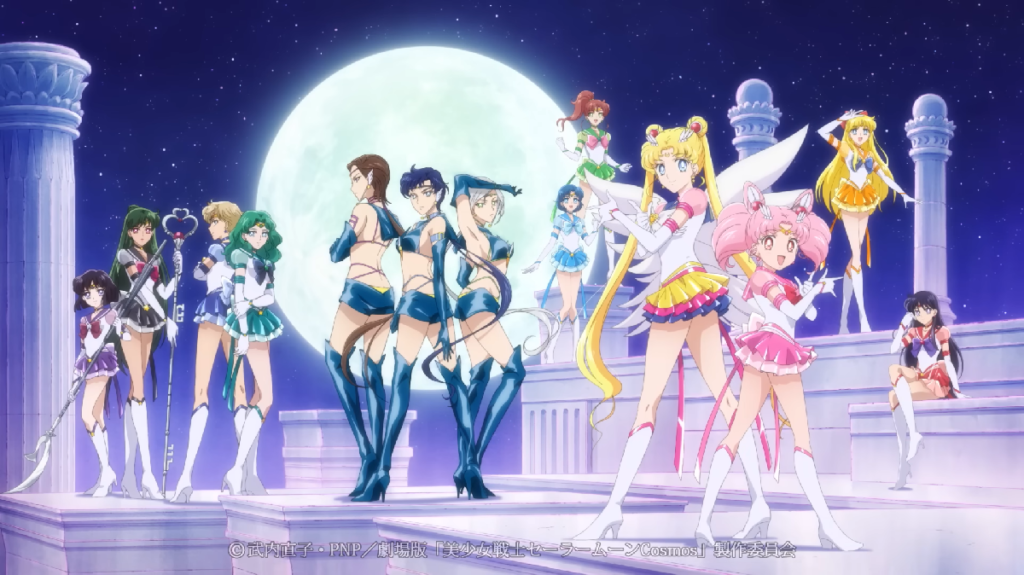
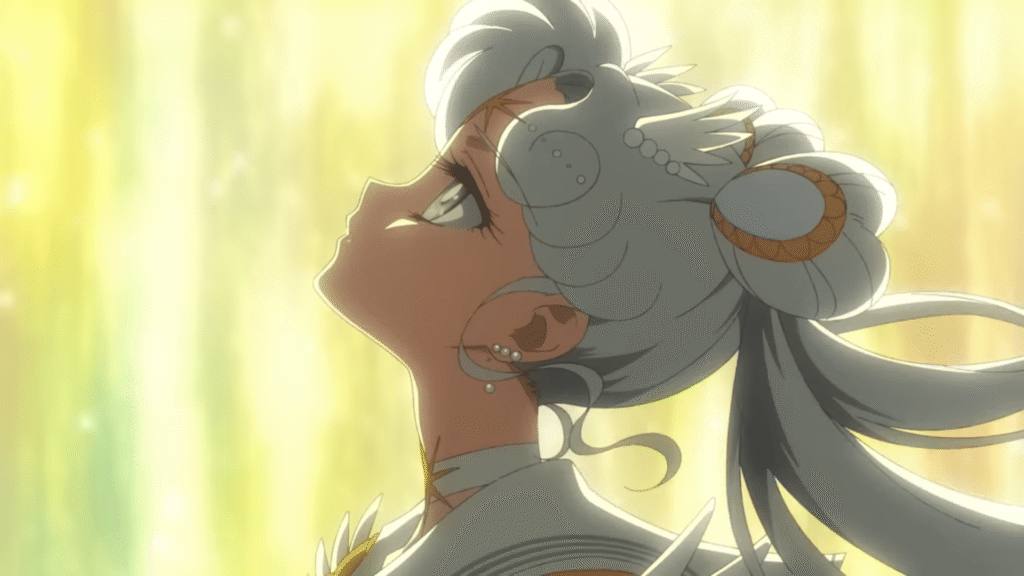
Then there is Naoko Takeuchi herself, still actively contributing new art that celebrates the world she created decades ago, from tender illustrations of Usagi and her beloved Mamoru to playful reimaginings of the Guardians. A creator remaining hands-on with fresh work for a series this old is a gift, and it keeps the franchise feeling personal rather than purely corporate. Paired with new manga collections for a fanbase that spans generations, it all adds up to a property being lovingly maintained rather than merely licensed out.
“Sailor Moon” represents a lot for it’s fans. It did not just entertain; it broke ground, centering female friendship, identity, and heroism in a way that shaped everything the magical-girl genre became. Its influence ripples through decades of anime that followed, and its themes of love, courage, and standing up for what matters have proven timeless enough to speak to each new wave of fans that discovers it. That is why it keeps coming back. The core is evergreen.
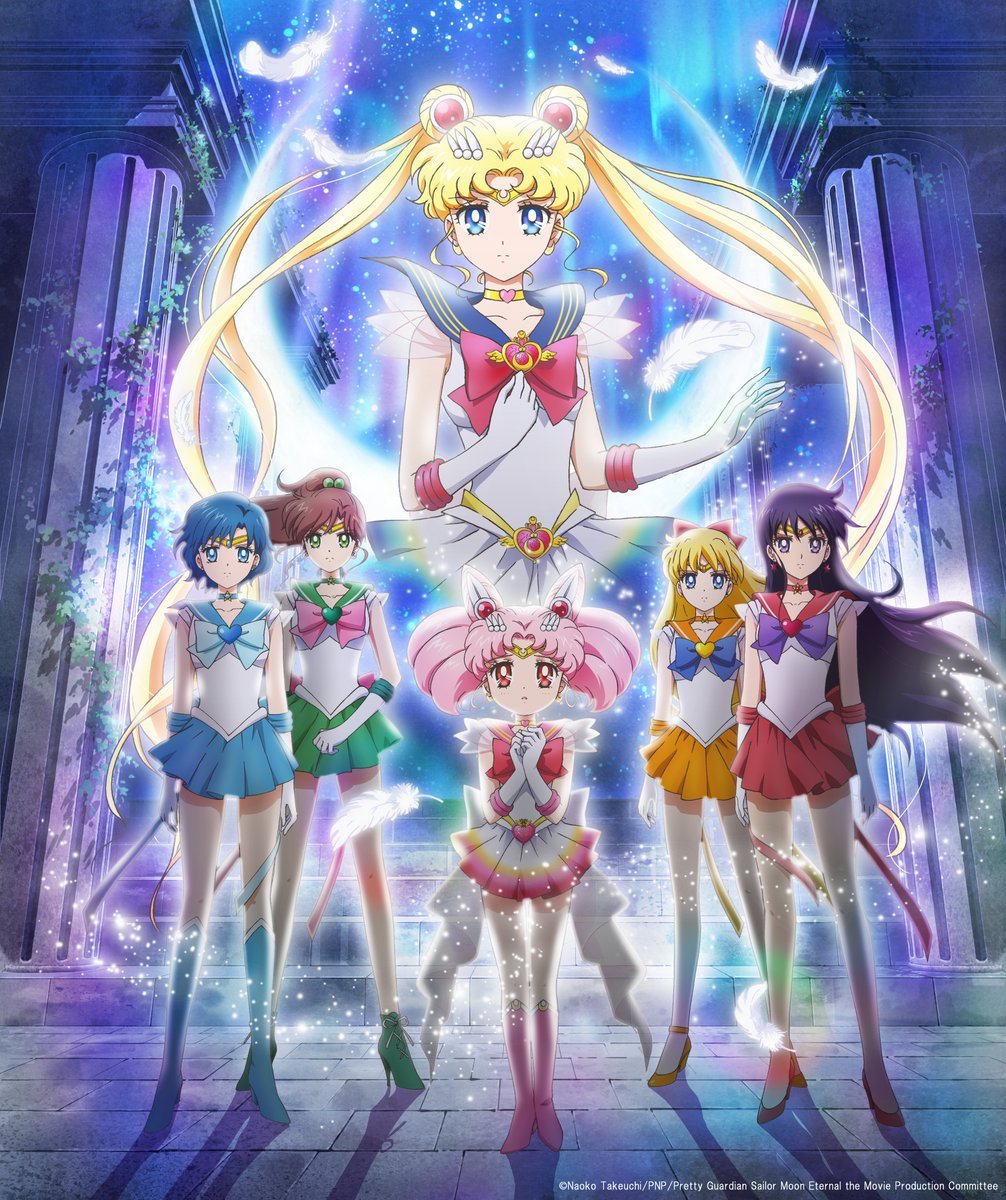
For those of us tracking “Sailor Moon” as one enduring, ever-renewing saga, the original anime, “Crystal,” the films, the stage shows, and the manga that started it all, 2025 is a reminder that this franchise operates on its own gravitational schedule. It does not chase trends. It simply resurfaces, again and again, finding new fans and delighting old ones. The moon, as the series always promised, does not set for long. In the name of the moon, it is back. And honestly, it never really left.
What Do You Think? Why do you think “Sailor Moon” keeps finding new life across generations while so many of its contemporaries faded away? Does returning “Crystal” to Netflix and touring a live show internationally point to a bigger new project on the horizon, or is steady stewardship enough? And what is it about Usagi and the Guardians that makes this franchise feel timeless more than thirty years on?
See you on the next binge!