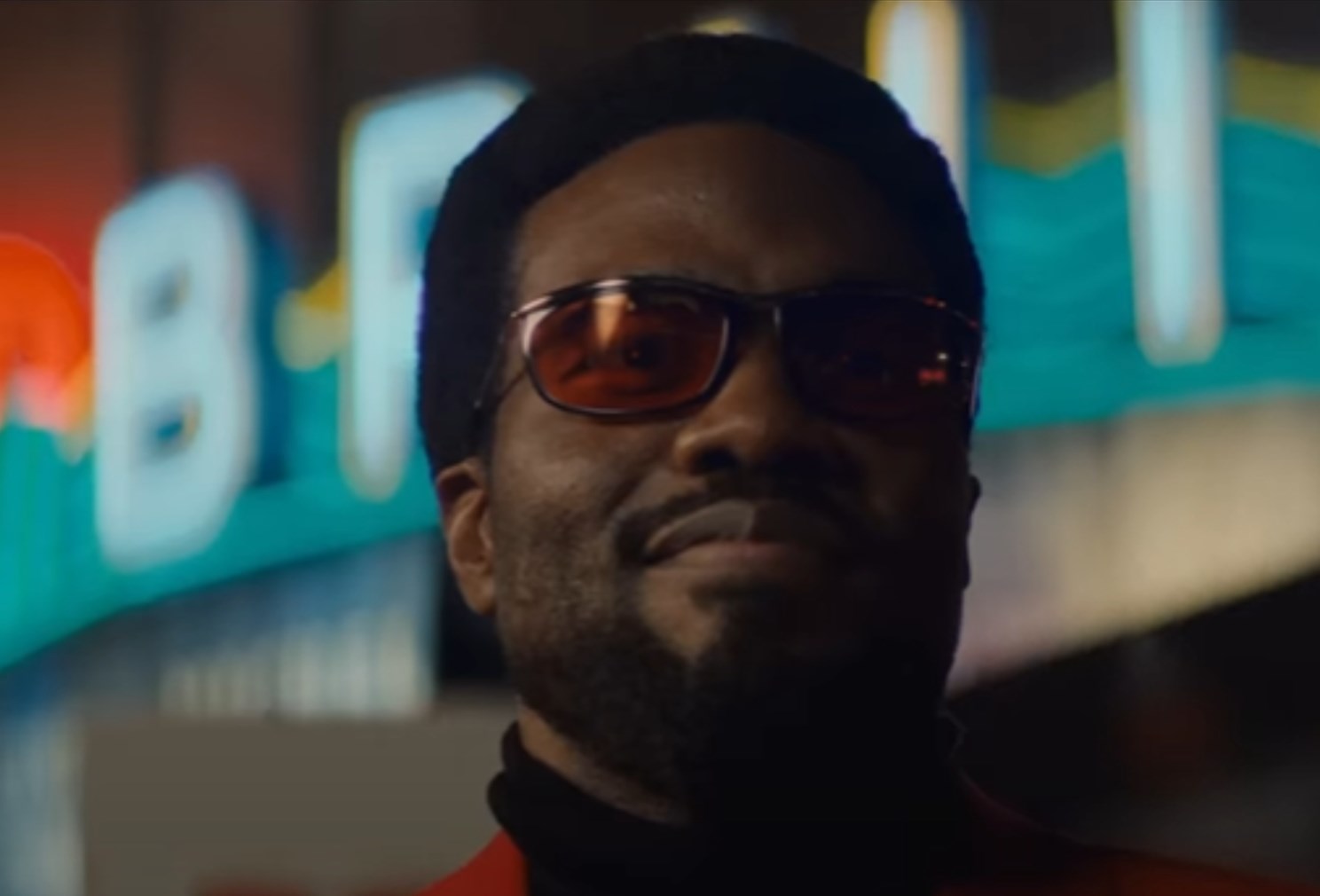
Marvel renewed “Wonder Man” in March. Marvel cancelled “Wonder Man” on July 30. Somewhere in those five months, a show that had just handed Marvel Studios its first major Emmy nomination in half a decade went from a sure thing to a line item, and nobody at Disney has offered a word of explanation. The writers’ room for Season 2 was never even opened. The writers who had been attached have been released to go find other work.
That sequence is the story. Not the cancellation on its own, which is depressingly routine at this point, but the renewal that came first. Renewing a show is a promise, made in public, that people build their next year around. Pulling it back before a single writer sits down in a room is something else, and it tells you more about the state of this business than any executive quote could.
Somewhere in those five months, a show that had just handed Marvel Studios its first major Emmy nomination in half a decade went from a sure thing to a line item.”
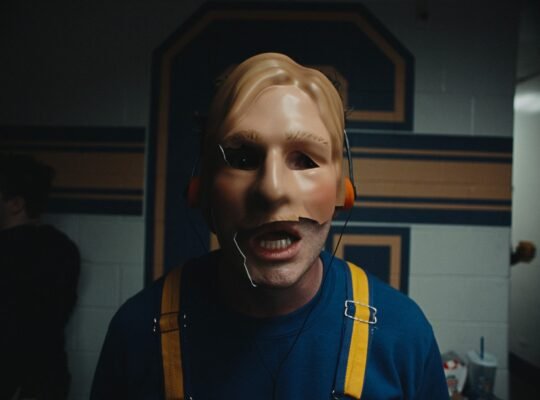
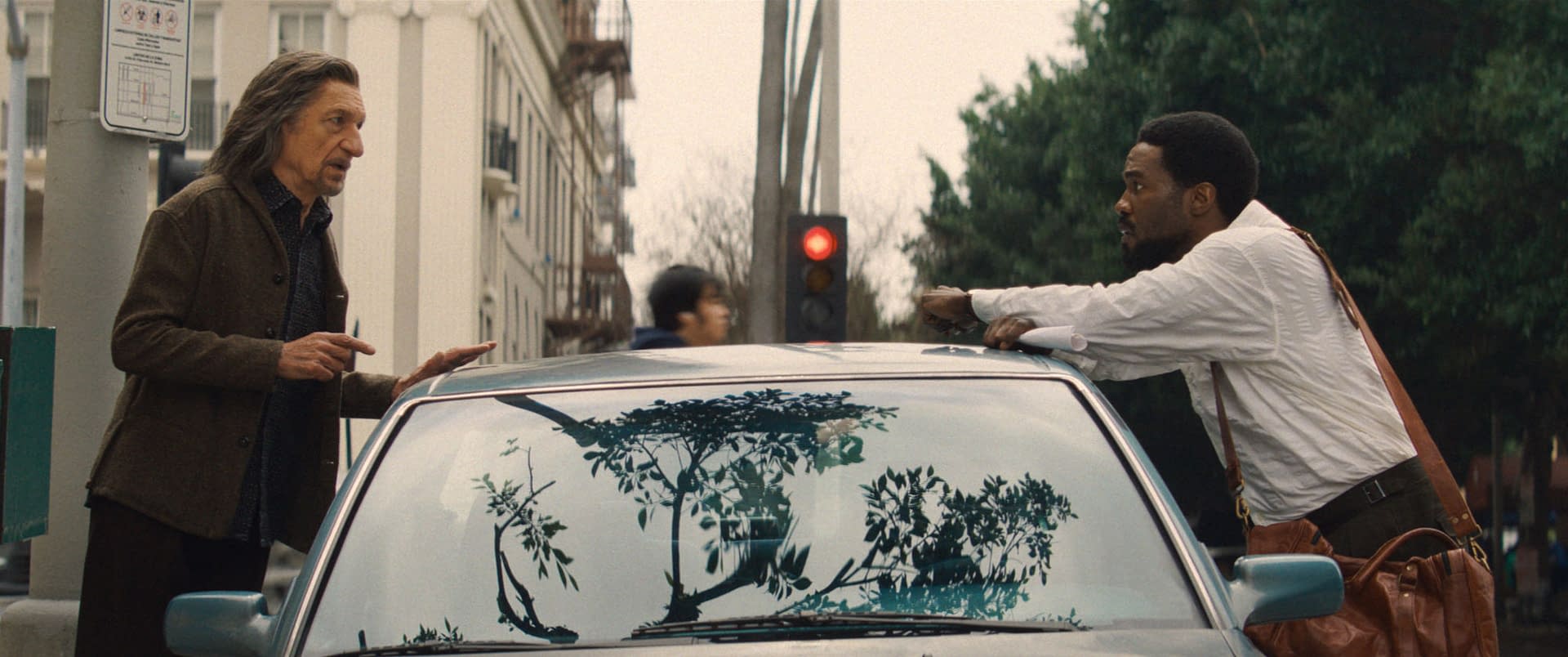
Here is the bitter joke at the centre of it. “Wonder Man” was a satire of exactly this industry. Simon Williams (Yahya Abdul-Mateen II) is a struggling Hollywood actor chasing a part in a superhero remake, who happens to acquire real powers along the way. It was a comedy about the machinery of franchise filmmaking, made by that machinery, and then eaten by it. Destin Daniel Cretton and Andrew Guest created it, Cretton directed the first two episodes, and Ben Kingsley returned as Trevor Slattery, the fake Mandarin from “Iron Man 3” who has quietly become the MCU’s most reliable comic asset. Arian Moayed played Agent Cleary, with Olivia Thirlby, X Mayo, Demetrius Grosse and Zlatko Buric filling out the ensemble.
For anyone asking whether this was some obscure deep cut nobody would miss: no. Simon Williams first appeared in “Avengers” #9 in 1964. In the comics he is a Hollywood stuntman and actor turned ionic-energy being, which is why the show’s premise was faithful rather than cute. His brain patterns were the template used to build the Vision’s mind. His brother is the Grim Reaper. He is connective tissue for a large chunk of the Avengers mythology, and Marvel just spent a season establishing him with an actor at the top of his game before switching the lights off.
The reception was not the problem. “Wonder Man” sits at 91% with critics and 87% with audiences on Rotten Tomatoes. Abdul-Mateen II picked up an Emmy nomination for Outstanding Lead Actor in a Comedy Series, which is the first major Emmy recognition Marvel Studios has received in five years. Read that again, because it is the part that should be keeping somebody at Disney awake. The company spent half a decade trying to make television that awards voters would take seriously, finally managed it, and killed the show inside a month of the nomination landing.
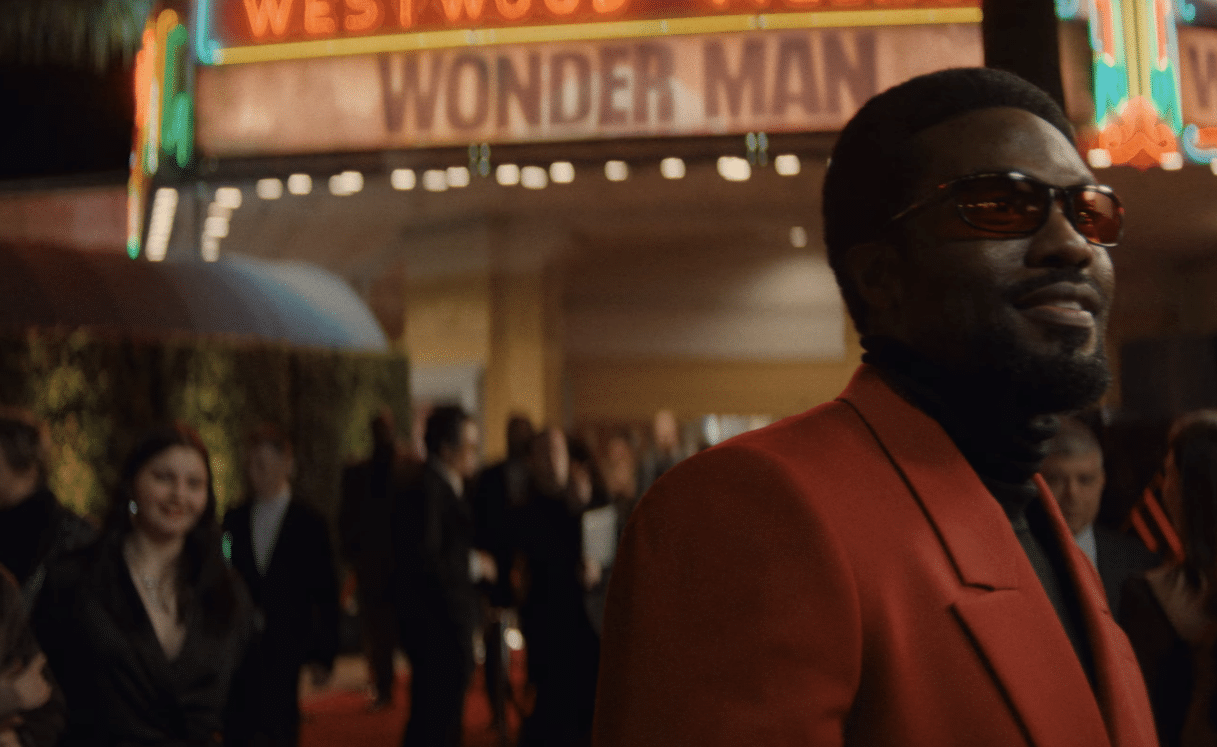
So what did go wrong? Almost certainly the numbers, though Disney has never published any. All eight episodes dropped at once on January 27 and pulled 618 million minutes in the opening week. That sounds enormous until you look at where it went: “Wonder Man” appeared on Nielsen’s streaming originals top 10 exactly once, at number eight, for the week of its release, and fell off the chart immediately afterward. One week. A binge drop with no weekly conversation to sustain it, in a release strategy that guarantees a spike and then silence.
Guest confirmed the news himself, and kept it gracious. “Marvel has cancelled Wonder Man,” he wrote. “So proud of the show we made. So grateful to have worked with Destin, Yahya and Sir Ben Kingsley.” Marvel’s own position is that the characters could still turn up in other projects down the line, which is the standard formulation for we spent the money, we may as well keep the toys.
Zoom out and the pattern is brutal. Of all the Marvel series Disney+ has produced, only “Loki” and “Daredevil: Born Again” have been granted second seasons. Everything else has been a one-and-done, whether it was well reviewed or not, whether it ended on a cliffhanger or not. “Wonder Man” itself sat completed for over a year before anyone was allowed to watch it, as did “Ironheart,” which finally limped out and wrapped up in early July. When a studio shelves a finished show for twelve months, it has already told you what it thinks of it. The ratings just supplied the paperwork.
Kevin Feige has been open about the correction. Marvel is scaling back to roughly three films and two television shows a year, with tighter budgets, after an expansion he has admitted stretched his team past what it could actually supervise. That is the right diagnosis of a real problem. Disney wanted a superhero pipeline to feed Disney+ subscriber growth, and Marvel built one, and the quality control that made the first ten years work could not survive the volume.
What Feige will not accept is the phrase everybody else uses. Pointing at “Superman” and its $407 million global haul, he asked, “It’s clearly not superhero fatigue, right?” And on the narrow point, he has a case. People will still turn out in enormous numbers for a superhero film they actually want to see. The genre is not poisoned.
But here is where the BR team parts company with him. The fatigue is real. It is just not fatigue with capes, it is fatigue with obligation. For years the deal Marvel offered was that everything mattered and everything connected, which quietly converted watching into homework. Miss a Disney+ series and you would be lost three films later. That was thrilling when there were three of them a year. It became a chore at nine, and audiences did the only rational thing: they stopped keeping up, then stopped starting. Once a viewer has broken the habit of tuning in automatically, a new Marvel show has to earn its audience like any other show on television. “Wonder Man” was good enough to do that. It never got the chance, because it was dropped in a single lump into a service where nothing was asking anyone to care about it.
That is the part that should worry Marvel far more than one cancelled comedy. The cost side is solvable. Budgets come down, output comes down, and a leaner slate is genuinely better for the work. The trust side is not so easily fixed. A renewal that evaporates before a writers’ room opens teaches everyone watching, and everyone working, that a Marvel commitment is provisional. Talent notices. Yahya Abdul-Mateen II gave this company its best awards moment in five years and got a cancellation for it. The next actor of that calibre weighing a Marvel series against a prestige drama somewhere else now has a very recent data point to think about.
And audiences notice too, in a slower and more corrosive way. Every one-season Marvel show trains viewers not to invest, which depresses the viewership of the next one, which justifies the next cancellation. That loop does not need superhero fatigue to explain it. It manufactures its own.
The genuine tragedy is that “Wonder Man” was the show that pointed a way out. It was small, funny, specific, built around a performance rather than a universe, and it required no homework at all. It was Marvel proving it could still make something that stood on its own two feet. Then Marvel cancelled it and, going by the pattern, will keep pouring the savings into the enormous connected tentpoles that created this problem in the first place.
What Do You Think? Was cancelling a 91%-rated, Emmy-nominated show five months after renewing it a cost decision, or an admission that Disney+ no longer knows what its Marvel shows are for? Does dropping all eight episodes at once kill any chance of the weekly conversation that kept “Loki” and “Daredevil: Born Again” alive? And after “Wonder Man” and “Ironheart” both sat finished on a shelf for a year, would you still start a new Marvel series knowing how it usually ends?
Catch up properly: every MCU movie and show in chronological order on our Timeline Hub’s MCU+ timeline.
See you on the next binge!