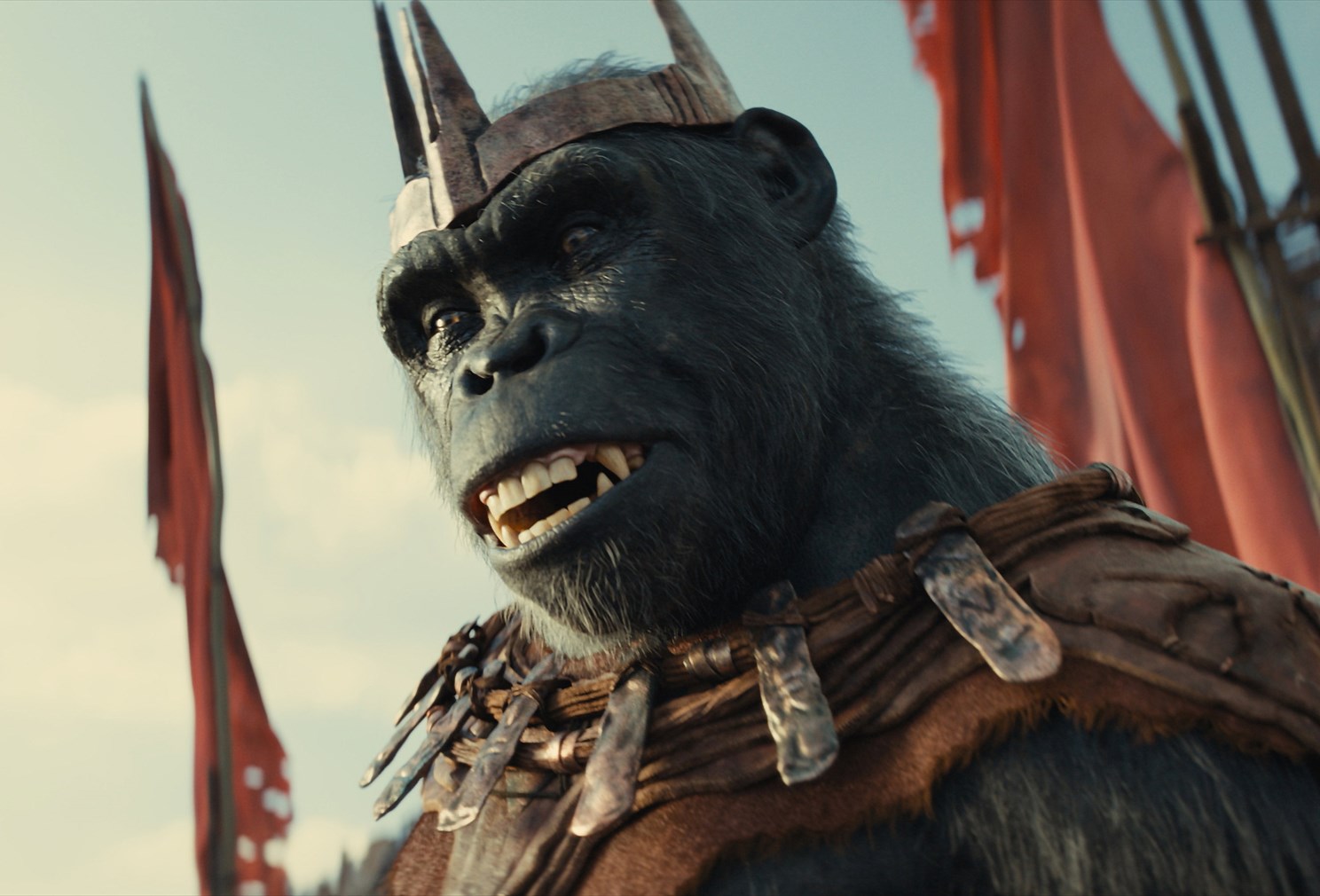
Few franchises have pulled off a comeback as quietly impressive as “Planet of the Apes.” What began in 1968 with Charlton Heston pounding the sand in front of a half-buried Statue of Liberty was, by the 2010s, one of the most consistently excellent blockbuster series going, powered by groundbreaking motion-capture and genuine emotional heft. “Kingdom of the Planet of the Apes” continued that legacy last year, launching a new chapter set generations after Caesar. Now the sequel is officially moving forward: with a significant change behind the camera.
The headline is the director swap. Wes Ball, who steered “Kingdom” and originally intended to guide a whole new trilogy, is stepping aside from the follow-up, with Matt Shakman taking over the director’s chair. It’s the kind of change that can rattle fans, but the context softens the blow considerably. Ball’s departure isn’t about creative acrimony; it’s about scheduling. He’s become one of the busiest filmmakers in the business, juggling high-profile adaptations, and simply couldn’t fit the Apes sequel into his crowded calendar. Sometimes a handoff is just logistics, not a red flag. Warning: beyond this point there are spoilers for the direction of the “Kingdom of the Planet of the Apes” sequel and the fate of its characters.
What began in 1968 with Charlton Heston pounding the sand in front of a half-buried Statue of Liberty was, by the 2010s, one of the most consistently excellent blockbuster series going, powered by groundbreaking motion-capture and genuine emotional heft.”
And the person catching the baton is no lightweight. Matt Shakman built serious goodwill with his work on “WandaVision,” one of the most inventive things Marvel has produced, and has moved into major tentpole filmmaking since. He brings a strong sense of character and tone to spectacle, which is precisely what this franchise demands. The modern Apes films have never been about mindless action: they live or die on whether you believe in the inner lives of digital primates. Handing the reins to a director who understands character work rather than just set pieces is a reassuring choice.
Crucially, continuity is being preserved where it matters most. Rick Jaffa and Amanda Silver, the writing team who essentially architected this entire modern era of the franchise, dating back to “Rise of the Planet of the Apes”, are returning as writers and producers. That’s the real load-bearing element. A director can change, but keeping the people who understand the saga’s DNA, its themes of coexistence and conquest, its careful moral complexity, ensures the sequel stays tethered to what made this run special. The voice of the franchise lives in that script, and that voice is intact.
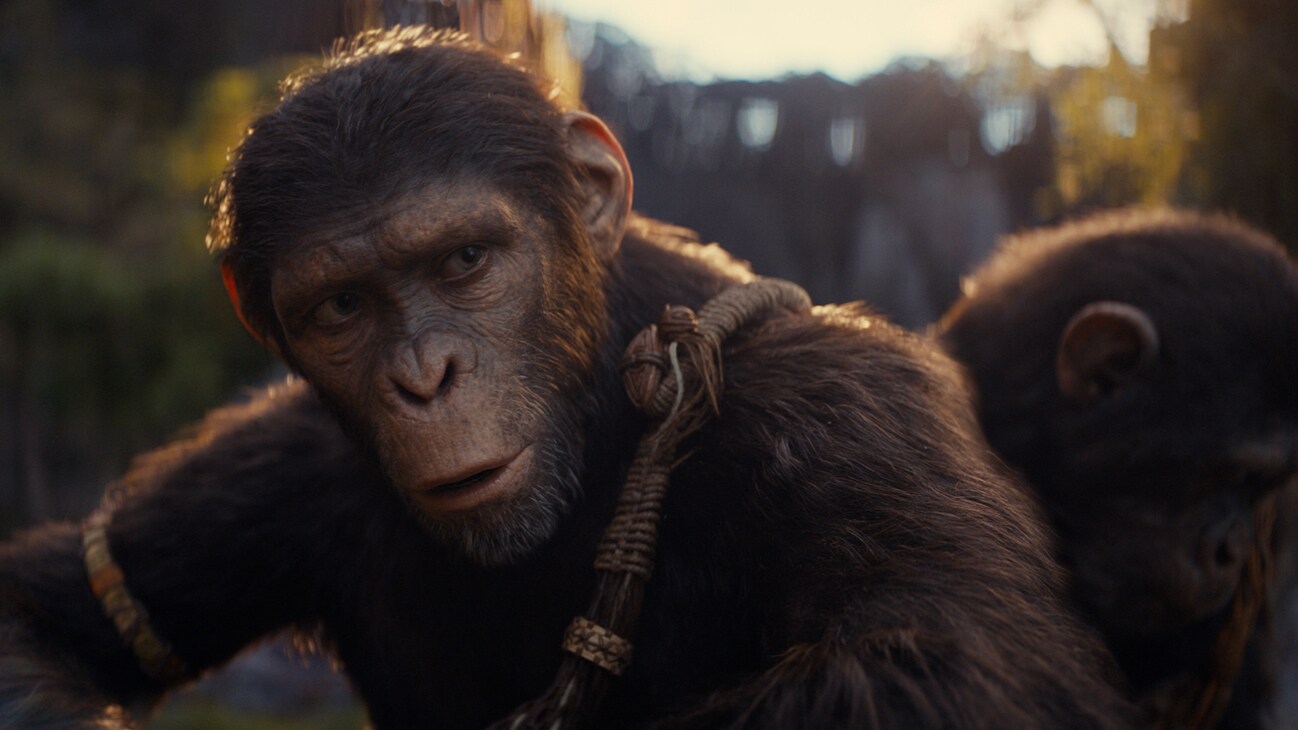
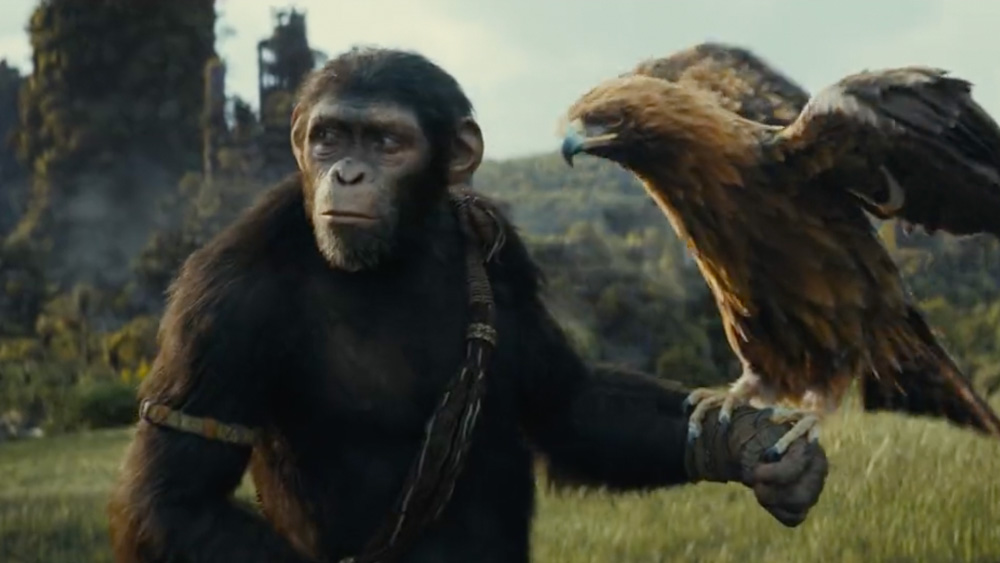
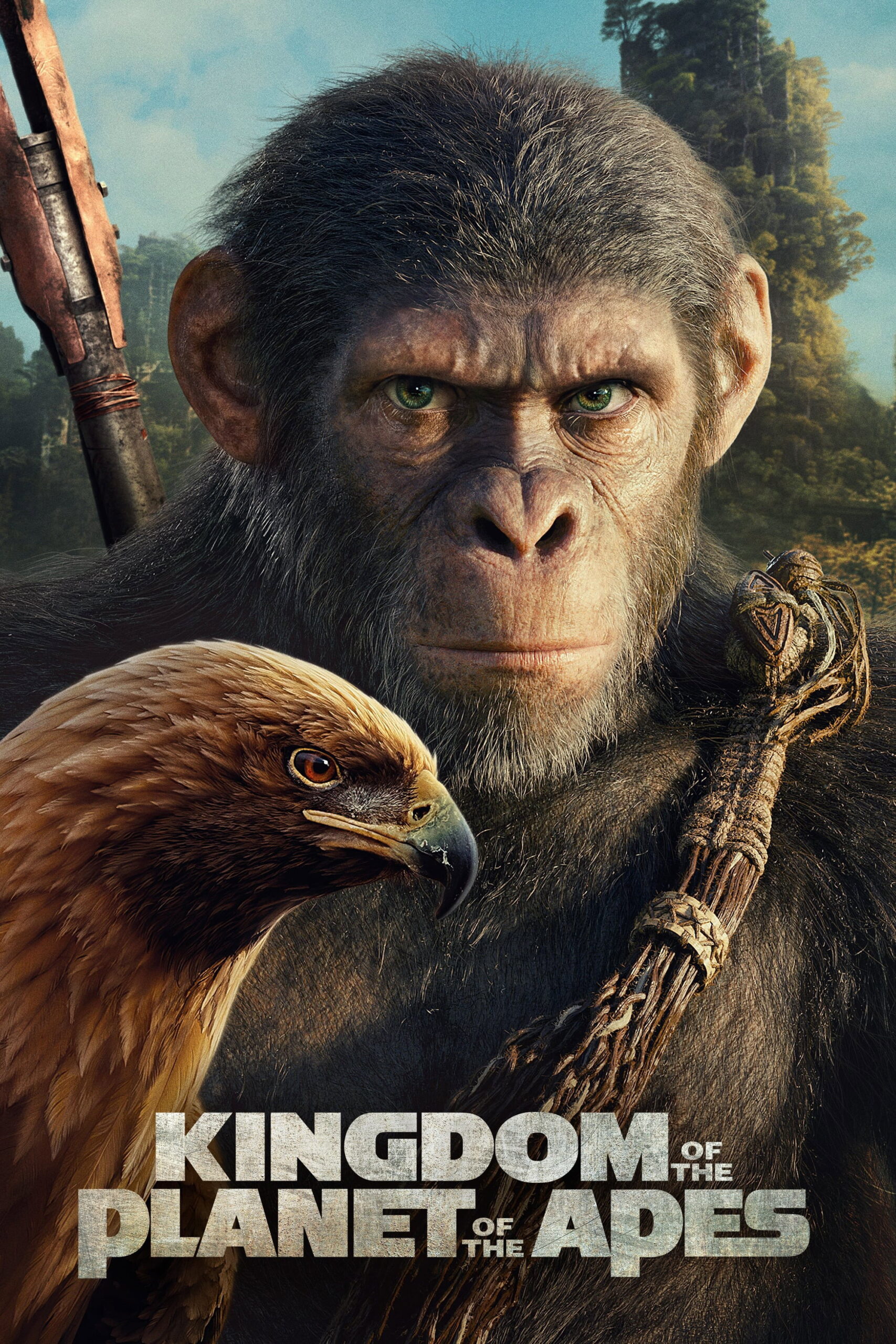
The story picks up the thread of Noa, the young chimpanzee played through motion-capture by Owen Teague, whose coming-of-age anchored “Kingdom.” That film introduced a world many generations removed from Caesar’s, where the great ape leader has calcified into myth and legend, his teachings twisted by those who came after. Noa’s journey: discovering the truth about his world and the fragile, fraught relationship between apes and the dwindling humans, embodied by Freya Allan’s character: set up rich territory to explore. Where the sequel takes that uneasy dynamic is the central question, and there’s enormous potential in it.
There’s a popular theory in film circles that Ball himself has invoked: in a trilogy, the second film is almost always the best. Think “The Empire Strikes Back,” think “The Dark Knight,” think “Dawn of the Planet of the Apes” itself, widely considered the peak of the previous trilogy. The middle chapter gets to deepen everything the first established, raise the stakes, and push characters into darker, more complicated places without the burden of a tidy resolution. If the Noa saga follows that pattern, this sequel could be where the new era truly comes into its own, assuming the transition behind the camera goes smoothly.
That’s the one genuine risk worth naming. Director changes mid-trilogy don’t always work; a new filmmaker can subtly shift the tone, break the visual continuity, or lose the thread of what made the first film click. The previous modern trilogy benefited enormously from Matt Reeves directing both “Dawn” and “War” back to back, building a consistent, escalating vision. Splitting directorial duties introduces variables. But with Jaffa and Silver providing the connective tissue and a talent like Shakman at the helm, the safeguards are in place. The franchise has earned enough trust to warrant optimism.
So the apes march on, a little further into their strange, sad, magnificent future. The sequel is real, it’s got a capable new director, its architects are still writing it, and Noa’s story is far from over. The release is still a couple of years out, giving the team room to get it right rather than rush it. For a franchise that has spent over half a century meditating on power, evolution, and what it means to be human, another thoughtful chapter is exactly what we want. Caesar’s world keeps turning, and we’ll be watching where it goes.
What Do You Think? Does swapping Wes Ball for Matt Shakman worry you, or does keeping writers Rick Jaffa and Amanda Silver make the director change a non-issue? If the “second film is always the best” theory holds, how dark should this sequel be willing to go with the ape-and-human conflict? And after more than fifty years, what keeps “Planet of the Apes” feeling relevant when so many other classic franchises have run out of things to say?
See you on the next binge!