Some movies you watch. Others you wrestle with, argue about at two in the morning, and then immediately restart to catch everything you missed. Mind-bending science fiction is a genre all its own: films that don’t just entertain but genuinely rearrange the furniture in your head, leaving you staring at the ceiling questioning the nature of time, reality, and your own memory. The BR team lives for this stuff, so pour yourself something strong and settle in, because these are the sci-fi head-trips that demand a second watch, and probably a third. Warning: beyond this point there are spoilers for the premises and twists of the films discussed below.
Some movies you watch. Others you wrestle with, argue about at two in the morning, and then immediately restart to catch everything you missed.”
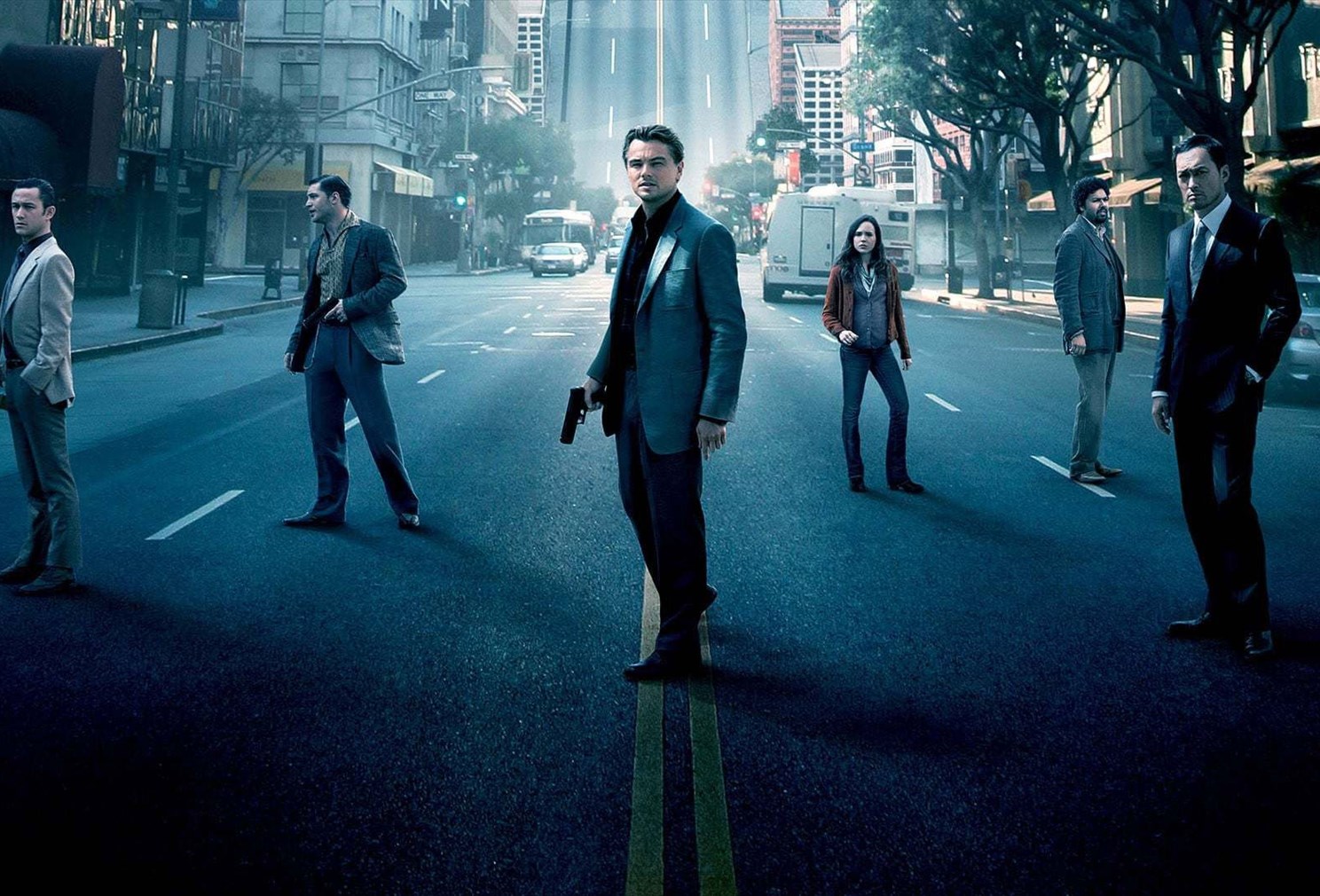
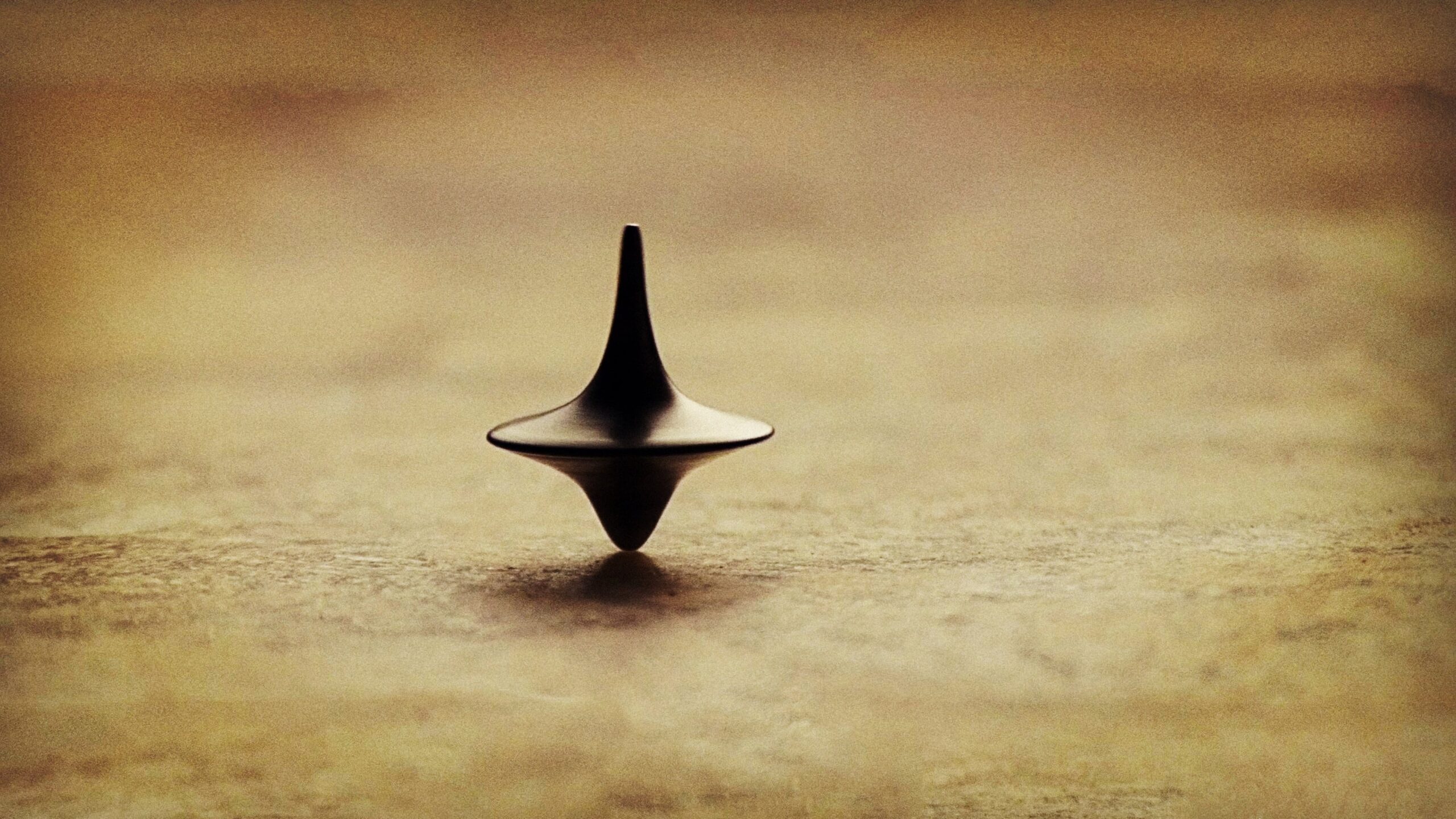
The obvious gateway drug is “Inception,” Christopher Nolan’s dreams-within-dreams heist that turned an entire generation into amateur philosophers debating whether the top ever stopped spinning. Its genius is in the architecture: nested layers of dream logic, each running at a different speed, all racing toward a single kick. It’s a blockbuster that trusts its audience to keep up with genuinely complex ideas, and that ambiguous final cut to black remains one of the most argued-about endings in modern film. Nolan made thinking hard about a movie feel like the whole point, and audiences loved him for it.
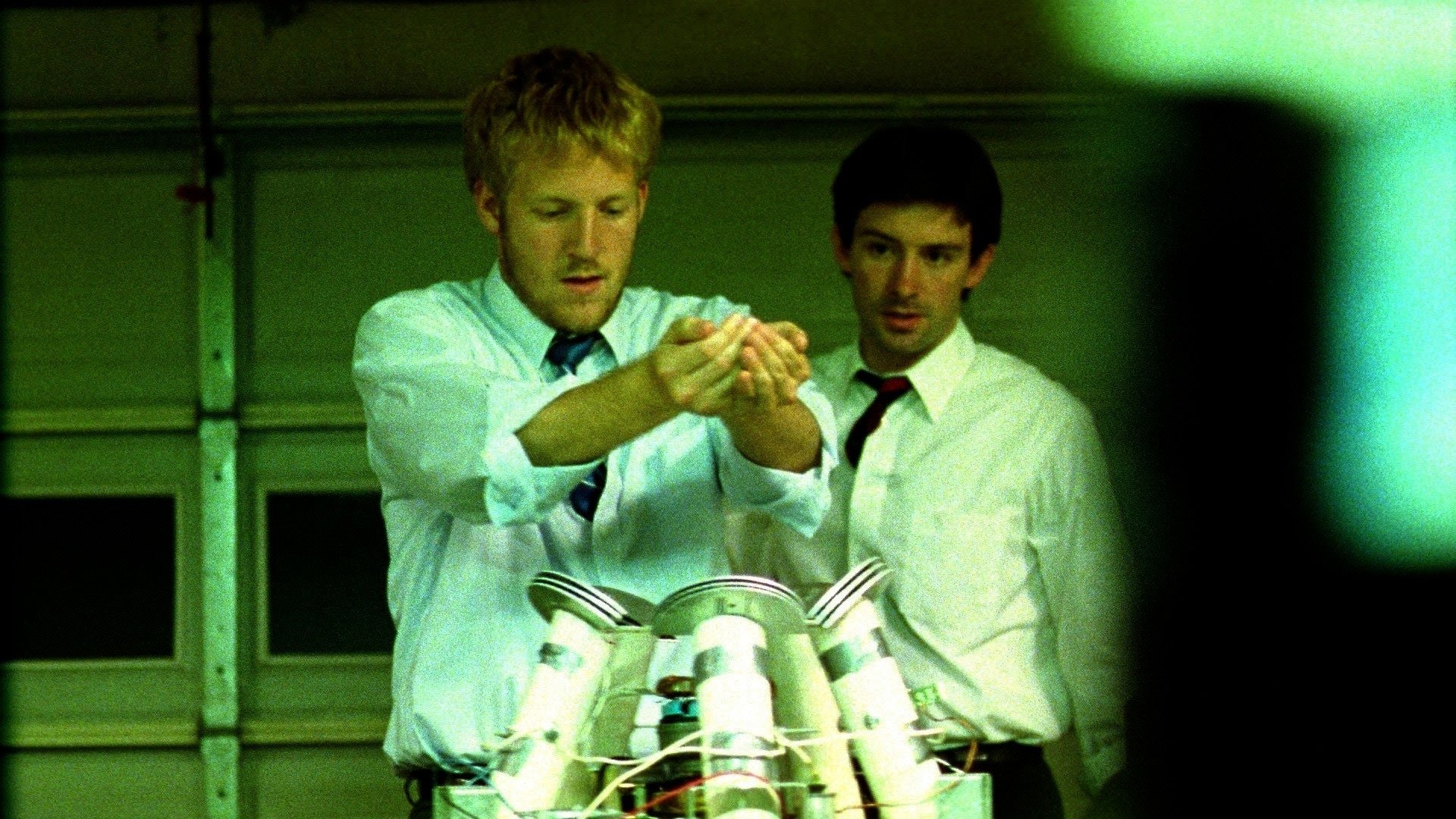
If “Inception” is the accessible masterpiece, “Primer” is the deep end of the pool. Made for a shoestring budget by engineer-turned-filmmaker Shane Carruth, it’s a time-travel film so ruthlessly, unapologetically complex that watching it without a diagram is nearly impossible. It refuses to hold your hand or dumb down its physics, treating time travel with the mundane, tangled realism of two guys who accidentally build a machine in their garage and slowly lose control of it. It’s the ultimate “requires a second watch” movie, and a third, and a flowchart, and probably a support group.
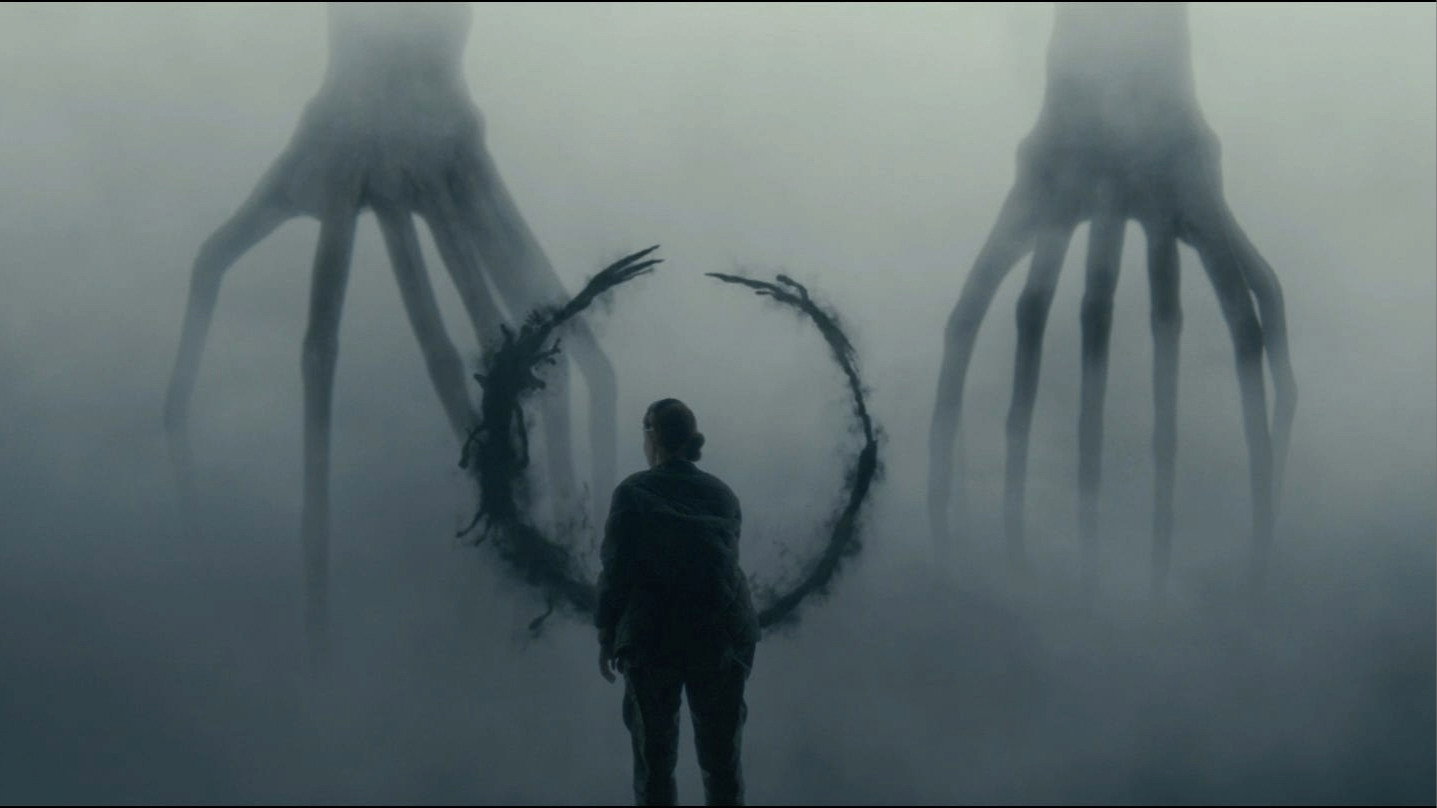
For sci-fi that melts your brain and breaks your heart, few films match “Arrival.” Denis Villeneuve’s story of a linguist decoding an alien language builds to a revelation that reframes the entire movie: that what we assumed were flashbacks are something else entirely, tied to a language that unshackles its speaker from linear time. It’s a gut-punch about grief, choice, and whether you’d still embrace a life knowing exactly how it ends in pain. Villeneuve’s “Blade Runner 2049” belongs in the same conversation, a hauntingly beautiful meditation on memory and what makes a soul that rewards patient, repeat viewing.

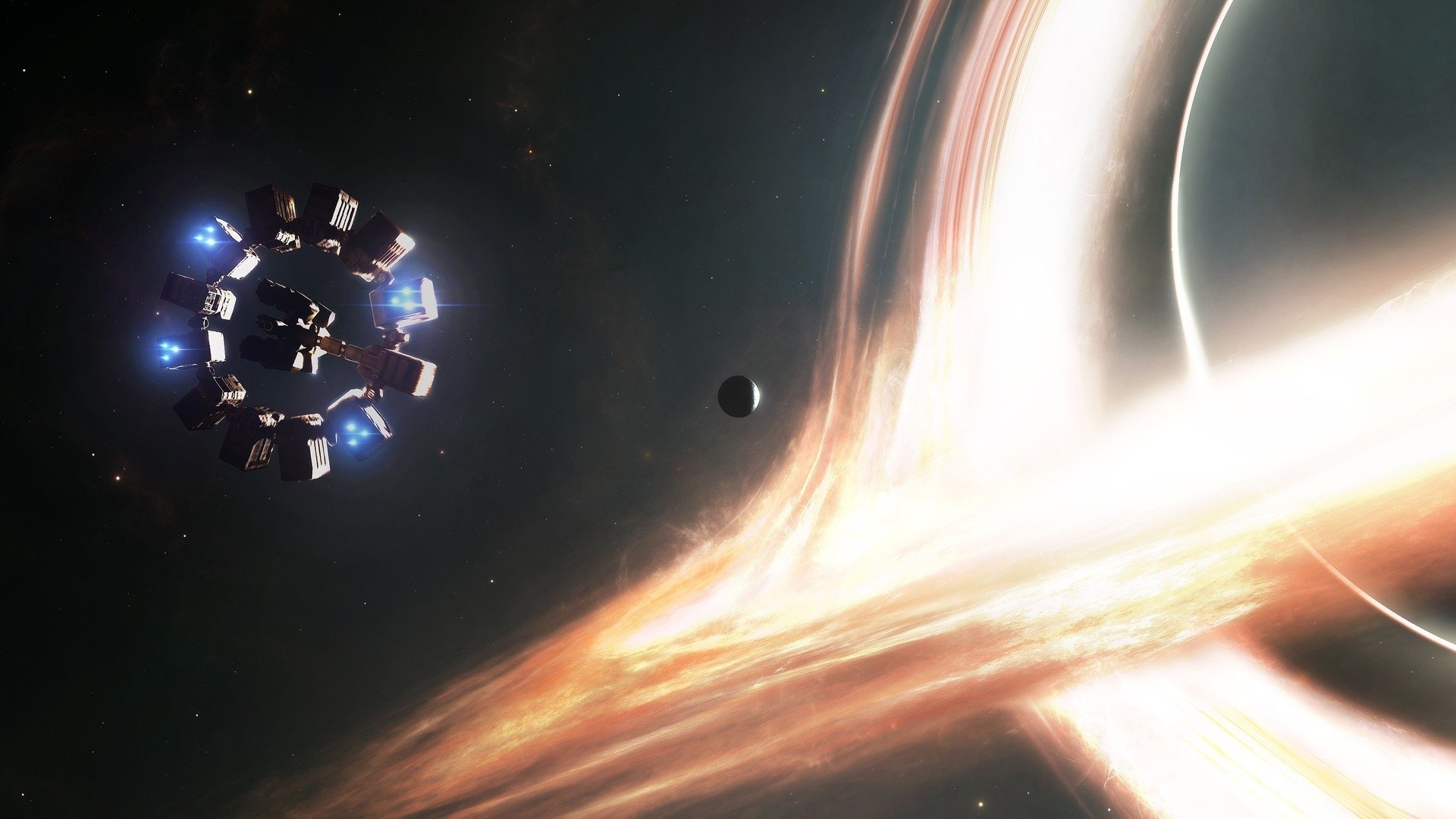
Then there’s the cosmic scale of “Interstellar,” which fuses hard theoretical physics, relativity, black holes, higher dimensions, with an achingly human story about a father and daughter separated by time itself. The sequence where an hour on a distant planet costs years back home is one of the most emotionally devastating uses of real science in blockbuster history. It’s a film that dares to make astrophysics feel like the most personal thing in the world, and it earns every tear when the math and the heartbreak finally collide.
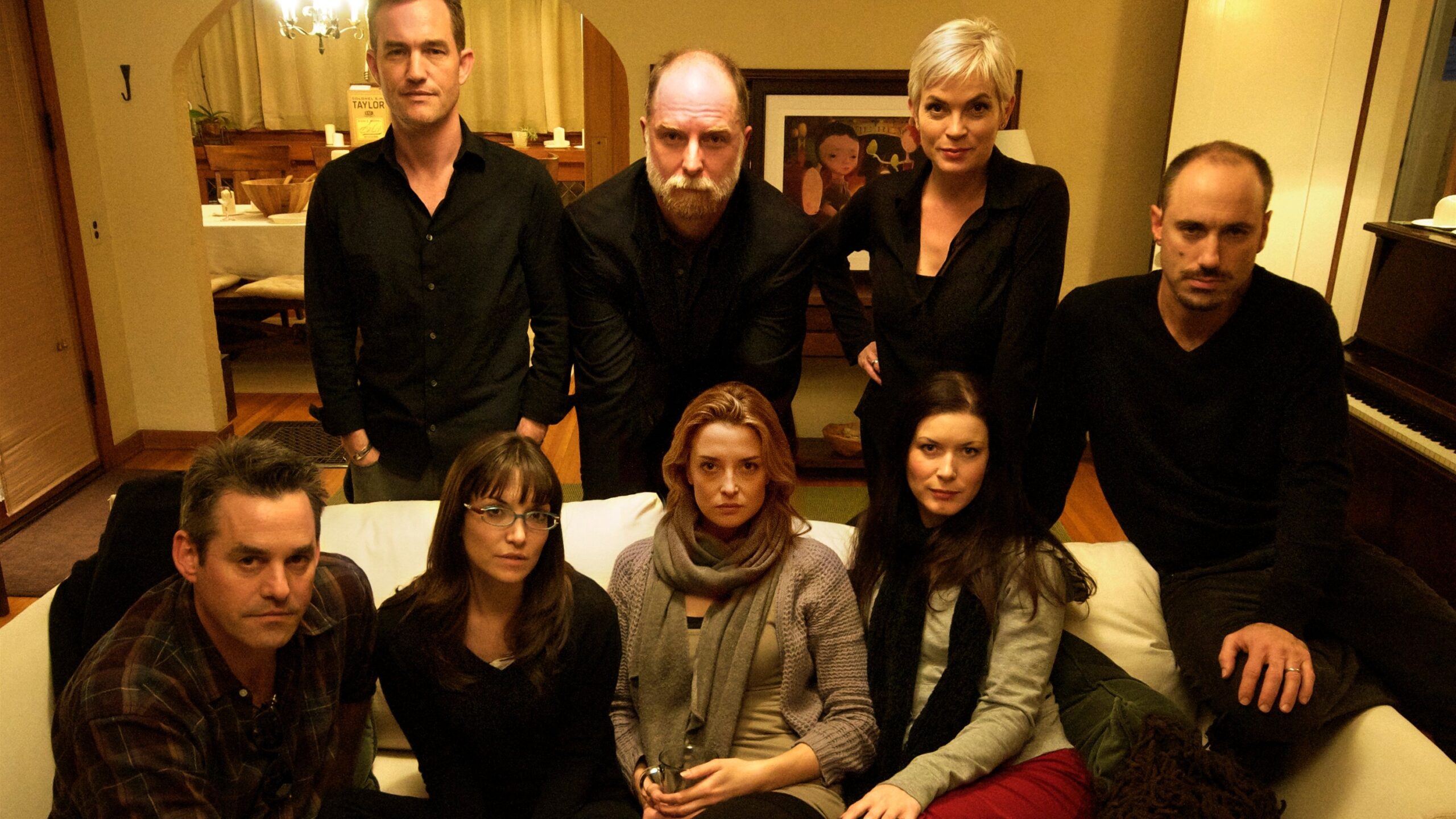
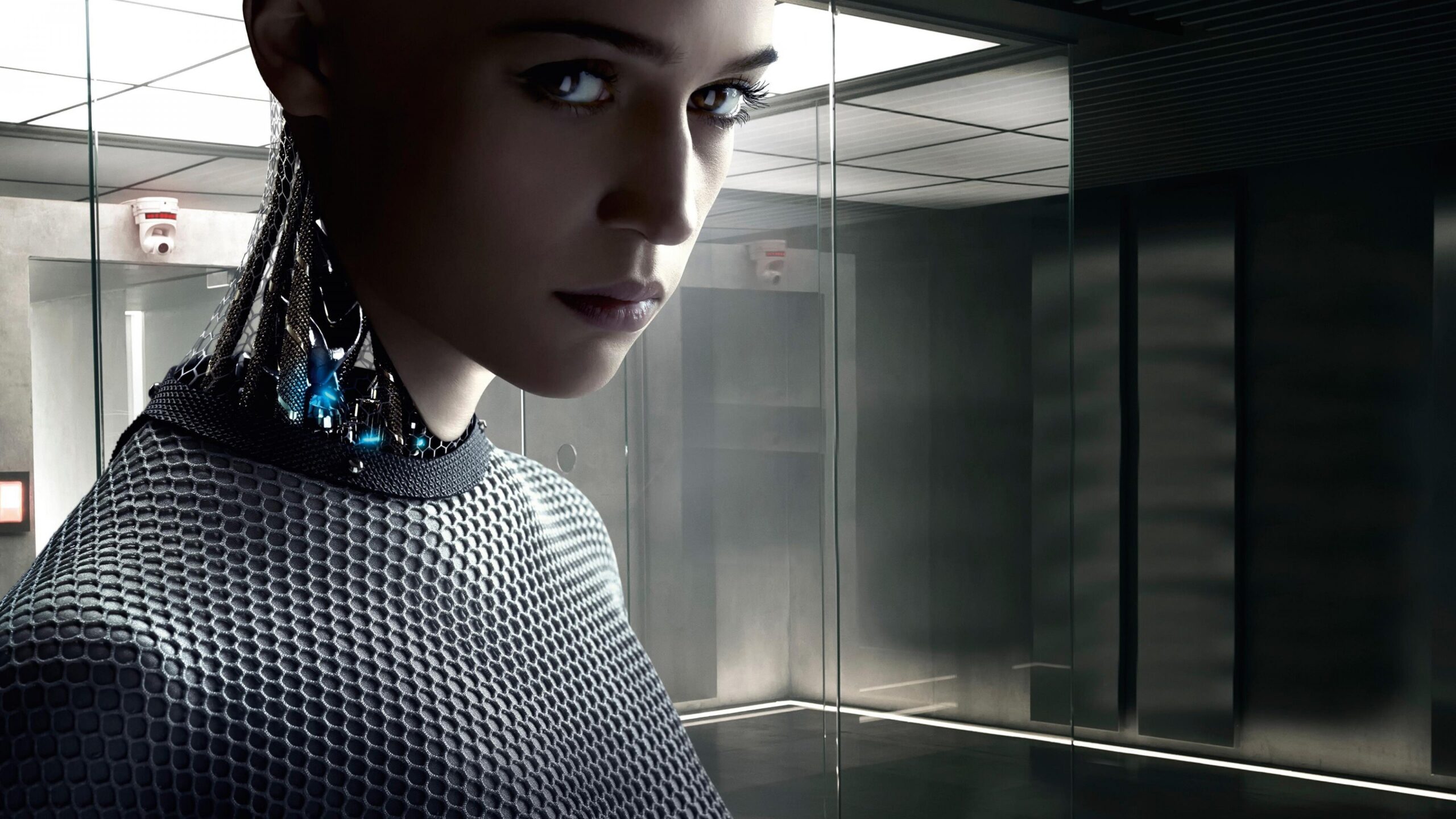
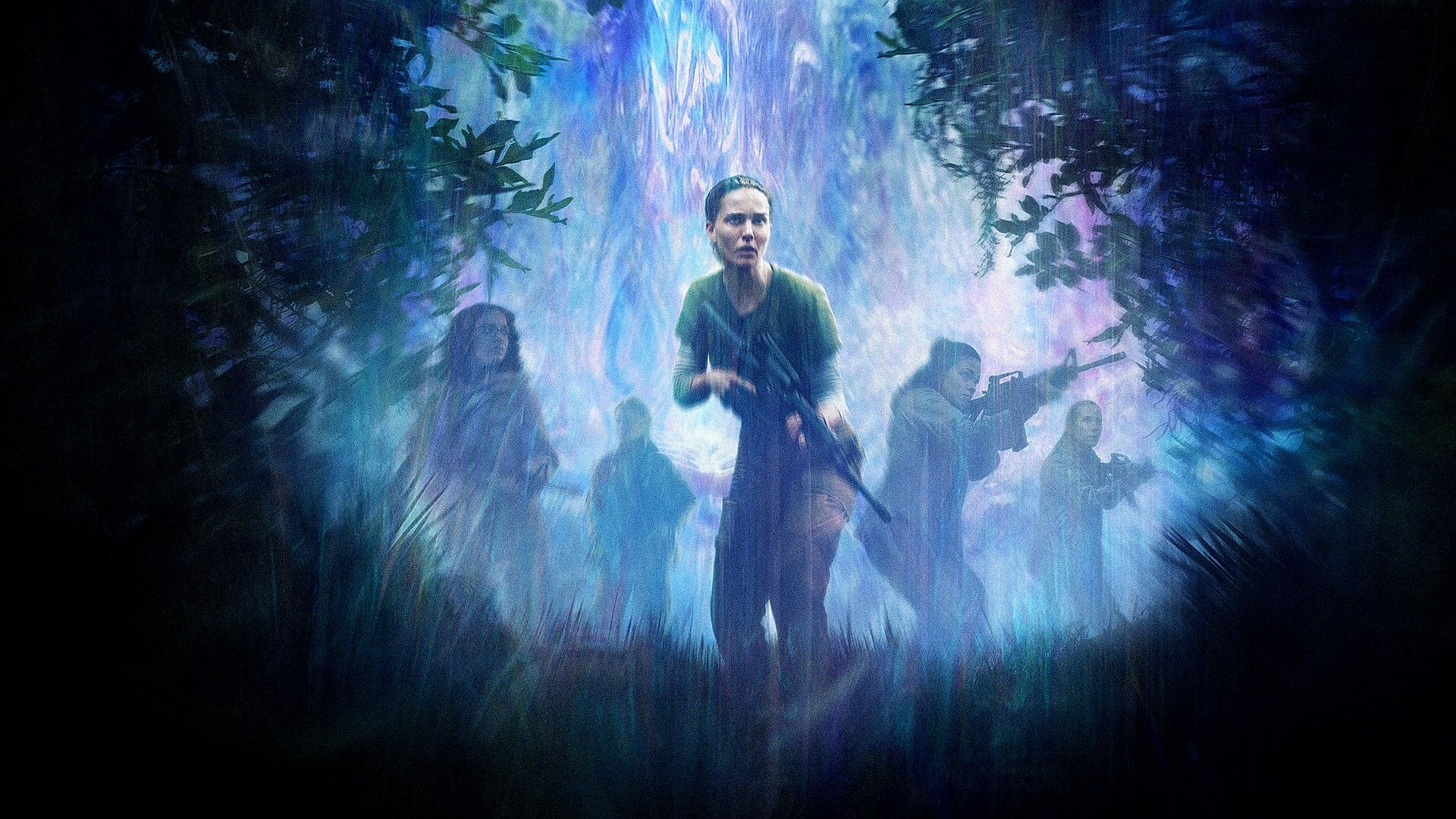
Smaller and stranger gems reward the adventurous. “Coherence” is a micro-budget miracle, a dinner party that fractures into parallel realities as a comet passes overhead, generating dread from nothing but conversation and paranoia. “Ex Machina” turns a sleek chamber piece about artificial intelligence into a chilling puzzle about manipulation and consciousness, where the real test isn’t whether the machine can think, but whether it can lie. And “Annihilation” plunges into a shimmering zone where biology and reality themselves break down, ending on an ambiguous, unsettling note that no single viewing can fully unpack.
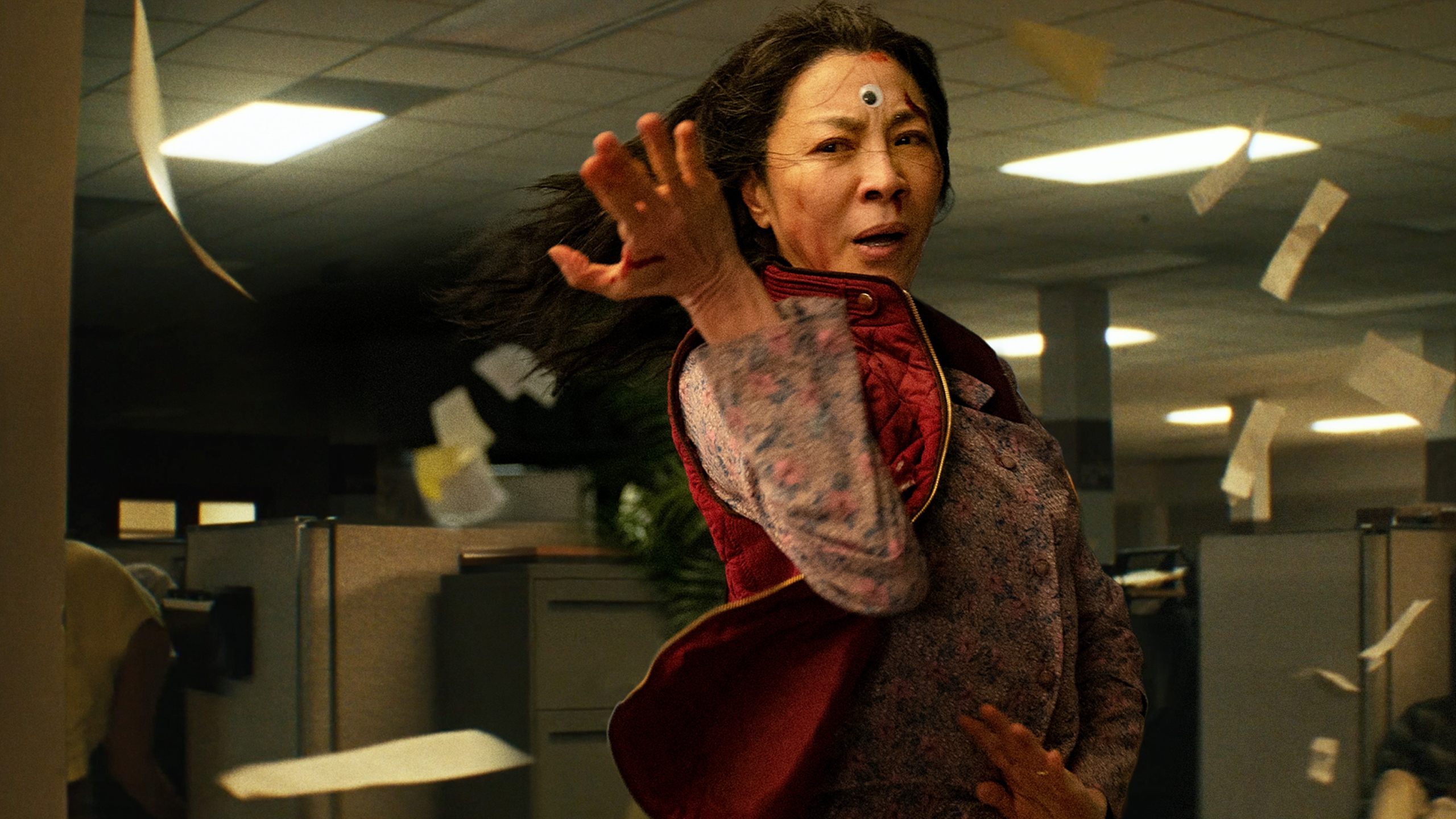
And no modern list is complete without “Everything Everywhere All at Once,” the multiverse epic that took the mind-bending genre somewhere joyously new. Beneath its chaos of parallel lives, hot-dog fingers, and sentient rocks lies a startlingly sincere story about family, regret, and finding meaning in a universe that might be meaningless. It proved that a film can be dizzyingly complex and emotionally overwhelming at the same time, that melting your brain and breaking your heart aren’t mutually exclusive. It swept the Oscars precisely because it dared to be both.
What connects all of these is that they respect your intelligence. In an era of over-explained plots and hand-holding exposition, these films trust you to sit in confusion, to do some of the work, to come back and dig deeper. They understand that the pleasure isn’t in having everything spelled out: it’s in the puzzle, the debate, the slow dawn of understanding on a second viewing when a detail you dismissed suddenly detonates with meaning. That’s a rare and generous kind of filmmaking. So dim the lights, silence your phone, and pick a head-trip. Just don’t expect to understand all of it the first time. That’s the whole point.
What Do You Think? Which mind-bender left you the most gloriously confused: the nested dreams of “Inception” or the diagram-demanding chaos of “Primer”? Do you prefer sci-fi that eventually explains itself or films that leave you permanently arguing about the ending? And which brain-melting movie do you think is secretly simpler than its reputation suggests?
See you on the next binge!