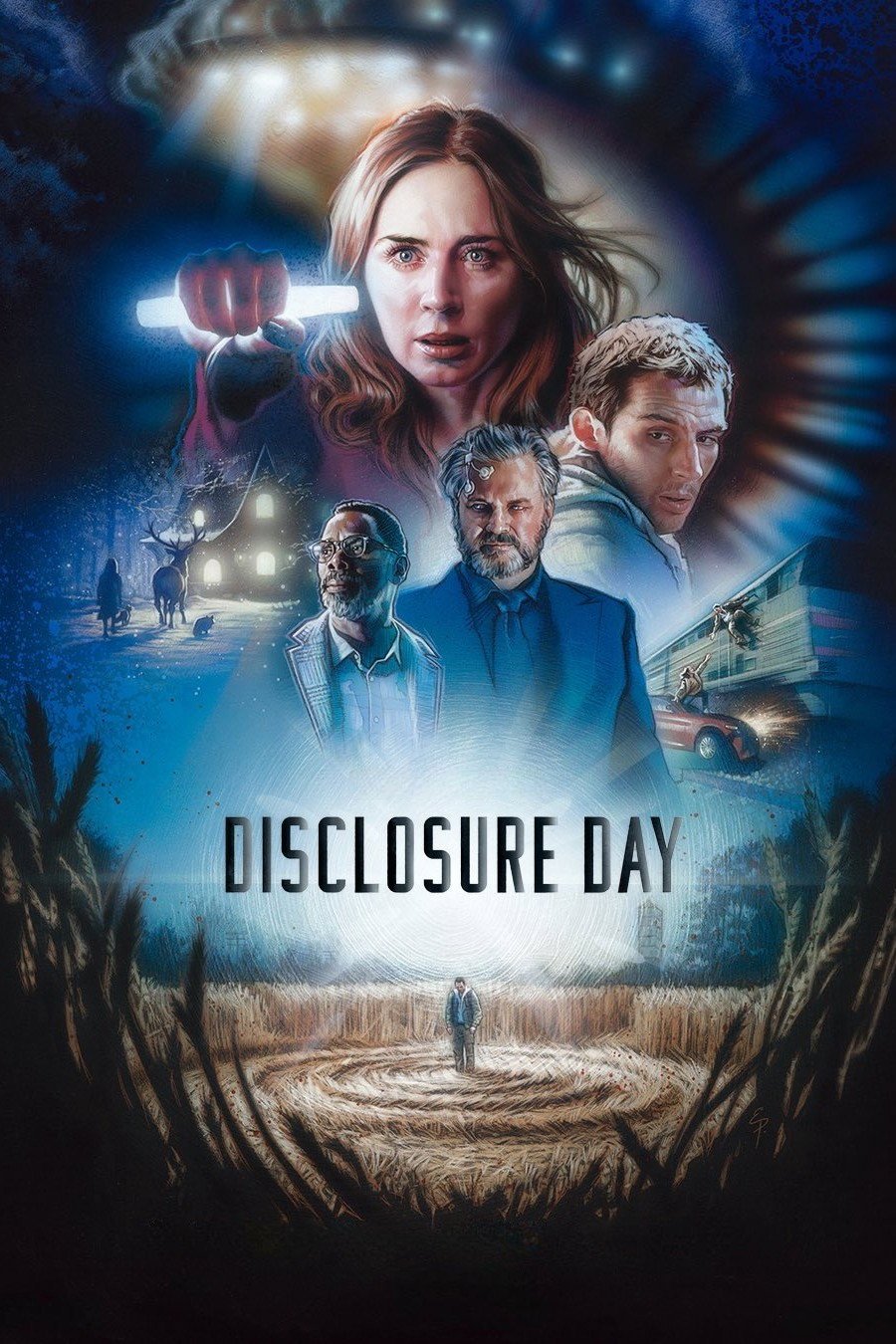
Nobody has shaped how we imagine visitors from the stars quite like Steven Spielberg. He gave us the wondrous mothership of “Close Encounters of the Third Kind,” the aching friendship of “E.T.,” the tripods of “War of the Worlds.” So when the master of the modern alien movie decides, decades later, to point his camera back at the sky, it’s an event. “Disclosure Day” arrived in theaters on June 12, and it finds Spielberg returning to the genre he practically invented: at the exact cultural moment when the question of whether we’re alone has never felt more urgent.
The timing is what makes this so pointed. We are living through a genuine wave of real-world UFO fever: governments releasing footage of unidentified aerial phenomena, congressional hearings, whistleblowers testifying about recovered craft, the term “UAP” entering everyday conversation. Spielberg, who has been fascinated by this subject his entire career, has dropped a film squarely into that anxious, curious cultural mood. “Disclosure Day” isn’t a nostalgic throwback to his 1970s wonder; it’s a thriller wrestling with the here-and-now paranoia of a world on the verge of learning the truth. Warning: beyond this point there are spoilers for “Disclosure Day” and the government conspiracy at its center.
Nobody has shaped how we imagine visitors from the stars quite like Steven Spielberg.”
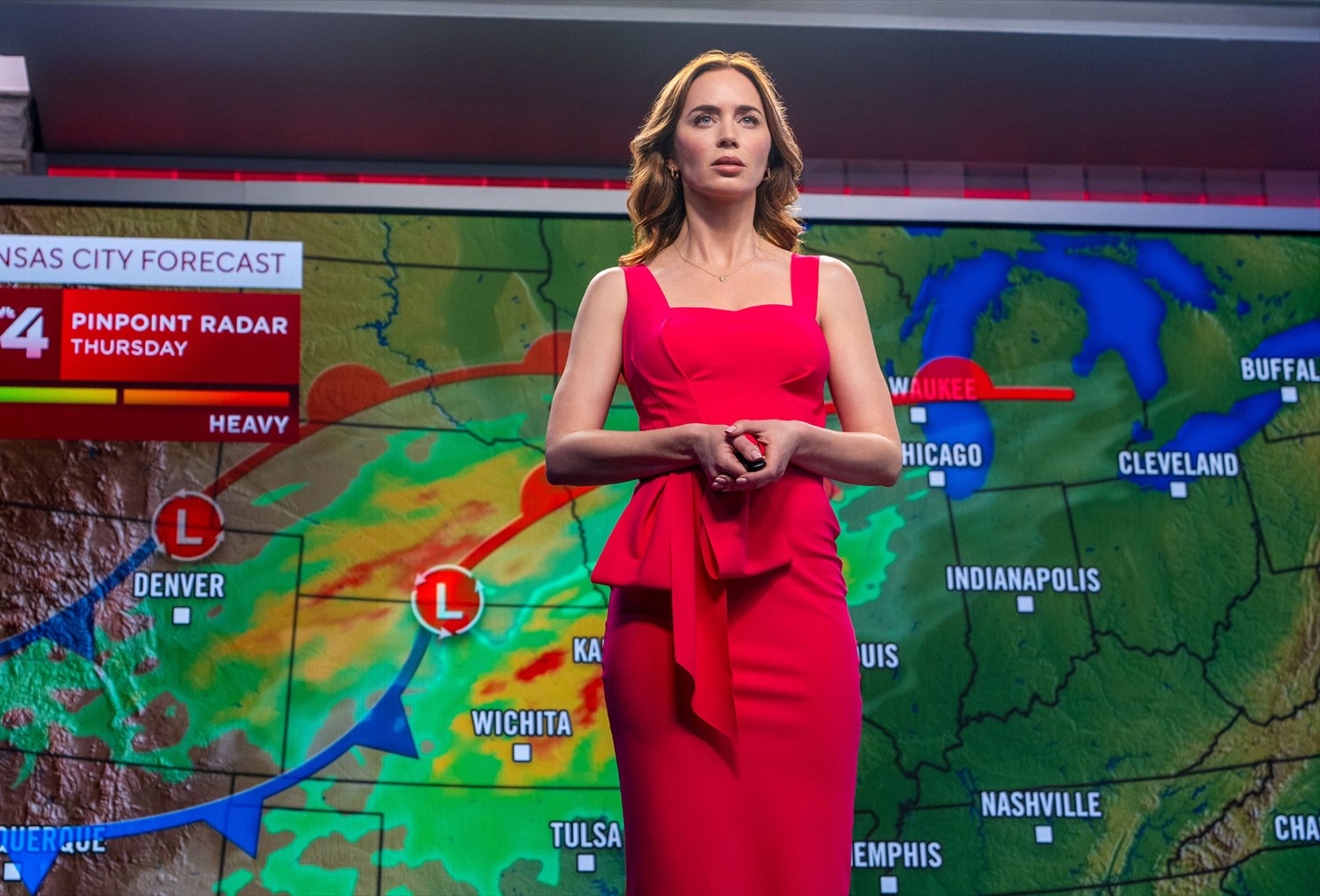
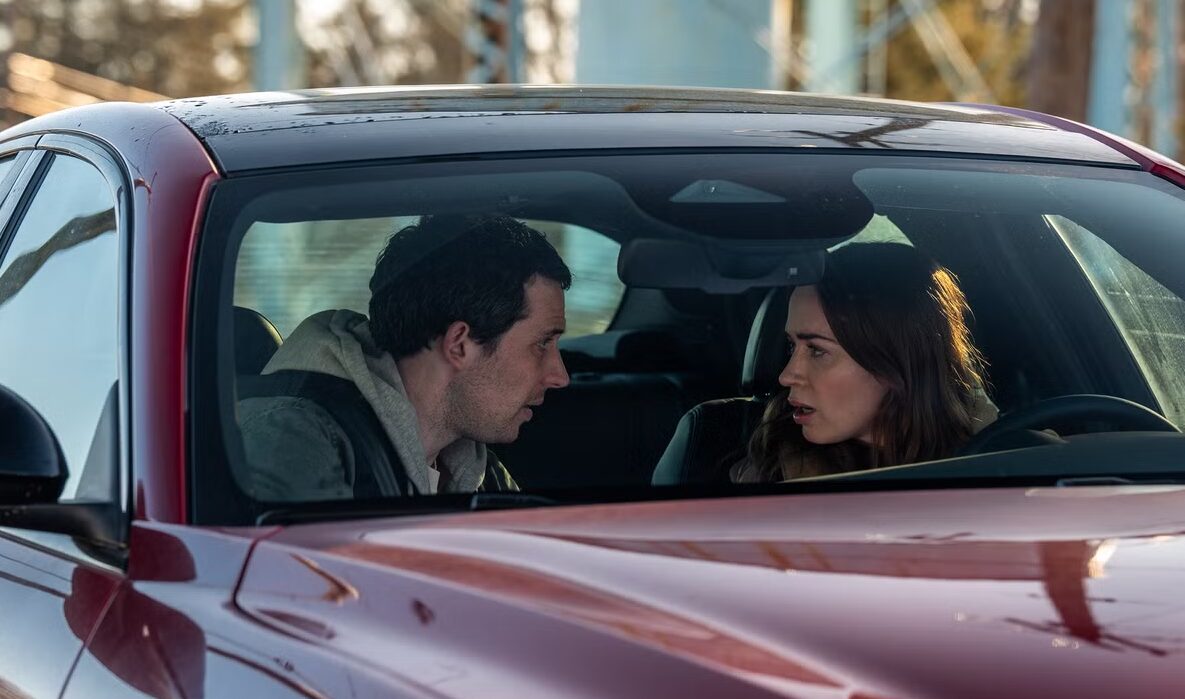
Leading the film is Emily Blunt as Margaret Fairchild, a meteorologist at a Kansas City television station who dreams of being a real journalist covering the big stories. Instead, the big story finds her: she discovers she has a profound, personal connection to world-changing secrets about extraterrestrial life, secrets only she can reveal, if she can survive the powerful people determined to keep her quiet. It’s a classic Spielberg everyperson setup: an ordinary individual thrust into extraordinary events, in over their head, carrying a truth bigger than themselves. Blunt is perfectly cast as the relatable, resourceful heart of a vast conspiracy.
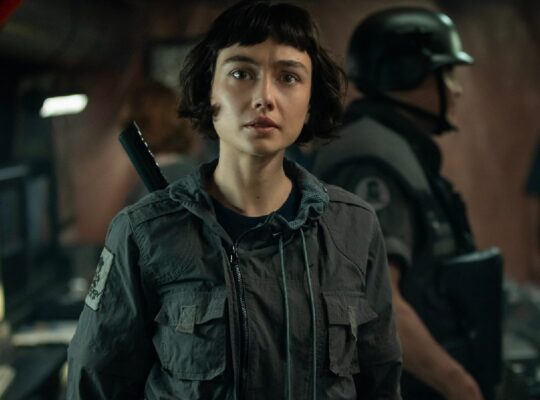
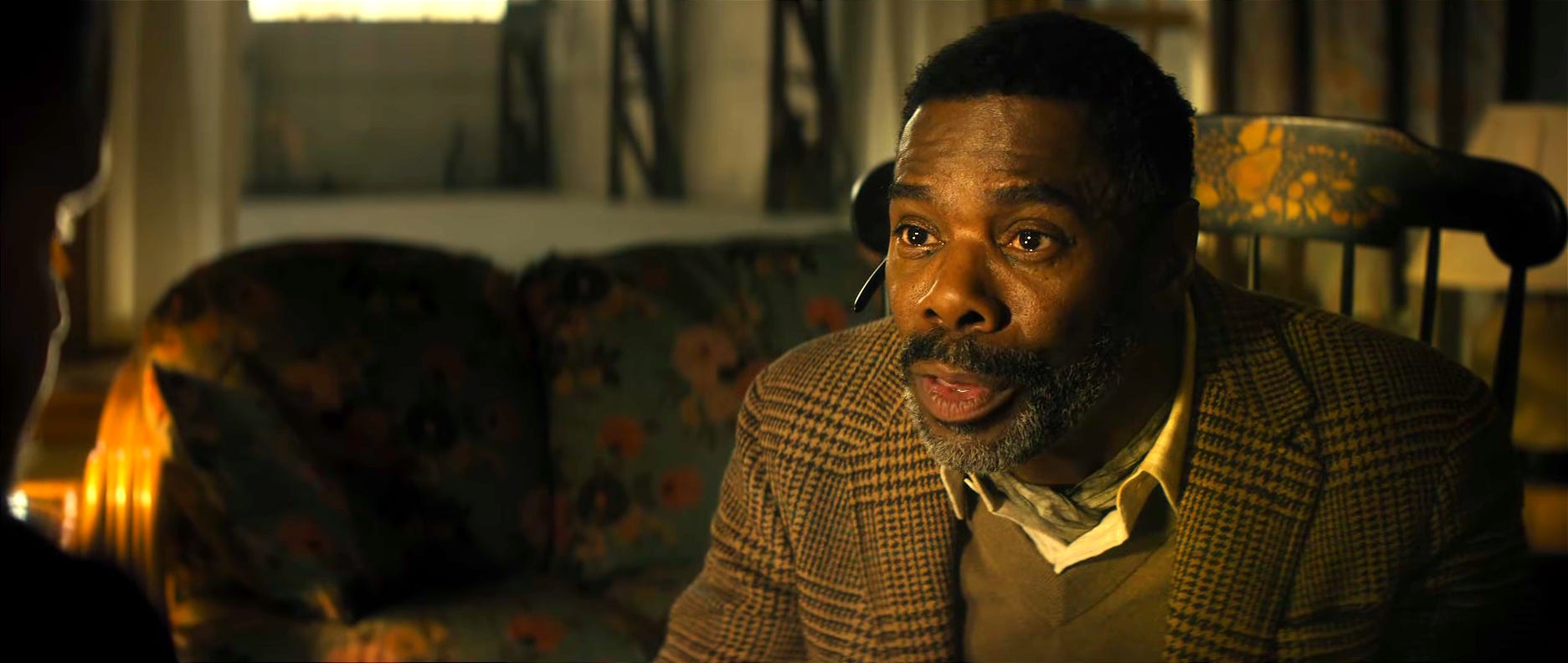
Surrounding her is a genuinely heavyweight ensemble. Josh O’Connor plays a whistleblower investigating a far-reaching government cover-up, the kind of insider whose conscience finally outweighs his fear. Colin Firth turns up as Noah Scanlon, the head of a shadowy outfit called WARDEX, a man sitting on the biggest secrets about extraterrestrial contact and absolutely determined not to share them with the rest of humanity. Colman Domingo and Eve Hewson round out a cast that lends the paranoid thriller real dramatic weight. This is a movie about ordinary people crashing into the machinery of official secrecy, and the actors sell every layer of it.
There’s a reunion behind the camera worth celebrating, too. The screenplay comes from David Koepp, working from Spielberg’s own story, and Koepp is no stranger to the director. He wrote “Jurassic Park” and Spielberg’s “War of the Worlds,” among a long list of blockbuster credits. That partnership has produced some of the most propulsive popcorn cinema of the last thirty years, filmmakers who understand how to marry spectacle to genuine human tension. Reuniting for a story about alien disclosure feels like exactly the right pair for the material: one that can deliver awe and dread in equal measure.
What’s most exciting, in an era drowning in sequels and shared universes, is that this is an original. No pre-existing IP, no franchise obligations, no post-credits setup for the next installment: just an ambitious, standalone science-fiction thriller from one of the greatest directors who ever lived, made because he had something to say. That alone makes it one of the summer’s most vital releases. When Spielberg commits to an original genre picture, the whole industry pays attention, because those are increasingly rare and increasingly precious. It’s a reminder of what big-budget filmmaking can be when it’s driven by vision rather than brand management.
The early reception has been warm, with critics praising the film’s blend of grounded paranoia and the trademark Spielbergian sense of wonder, the feeling that beneath all the conspiracy and danger sits genuine awe at the possibility of contact. That balance, terror and transcendence, the government cover-up and the cosmic mystery it’s hiding, is territory Spielberg has always navigated better than anyone. Where “Close Encounters” ended on pure wonder and “War of the Worlds” on pure fear, “Disclosure Day” seems to want both at once, filtered through the specific unease of our disclosure-obsessed moment.
So the man who taught us to look up at the sky with hope and terror is back doing exactly that, at a time when the real world can’t stop asking the same questions his films always have. “Disclosure Day” is Spielberg meeting the UFO age head-on, with a stacked cast, a trusted collaborator, and an original story unbeholden to any franchise. Whether it becomes another classic in his towering alien filmography or a fascinating footnote, it’s the kind of ambitious, grown-up spectacle the summer needs. The truth, as they say, is out there, and Spielberg is once again the one reaching for it.
What Do You Think? Is Steven Spielberg the perfect filmmaker to tackle the current real-world UFO disclosure moment, given how he shaped our whole idea of alien contact? Does an original, standalone sci-fi thriller from a master feel more exciting than another franchise entry, or have audiences drifted too far toward familiar IP? And where does “Disclosure Day” rank against his classics: can anything recapture the wonder of “Close Encounters” or the terror of “War of the Worlds”?
See you on the next binge!