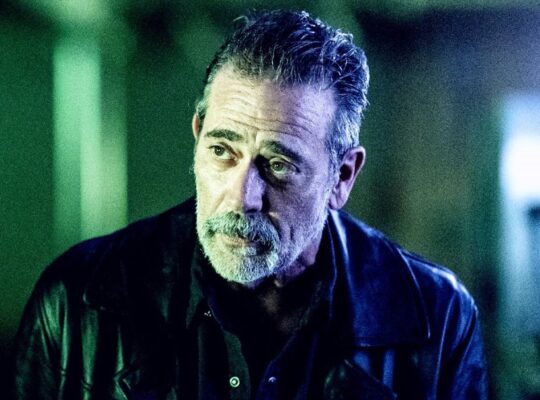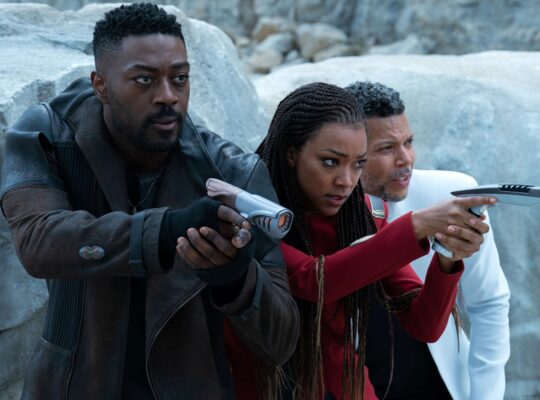
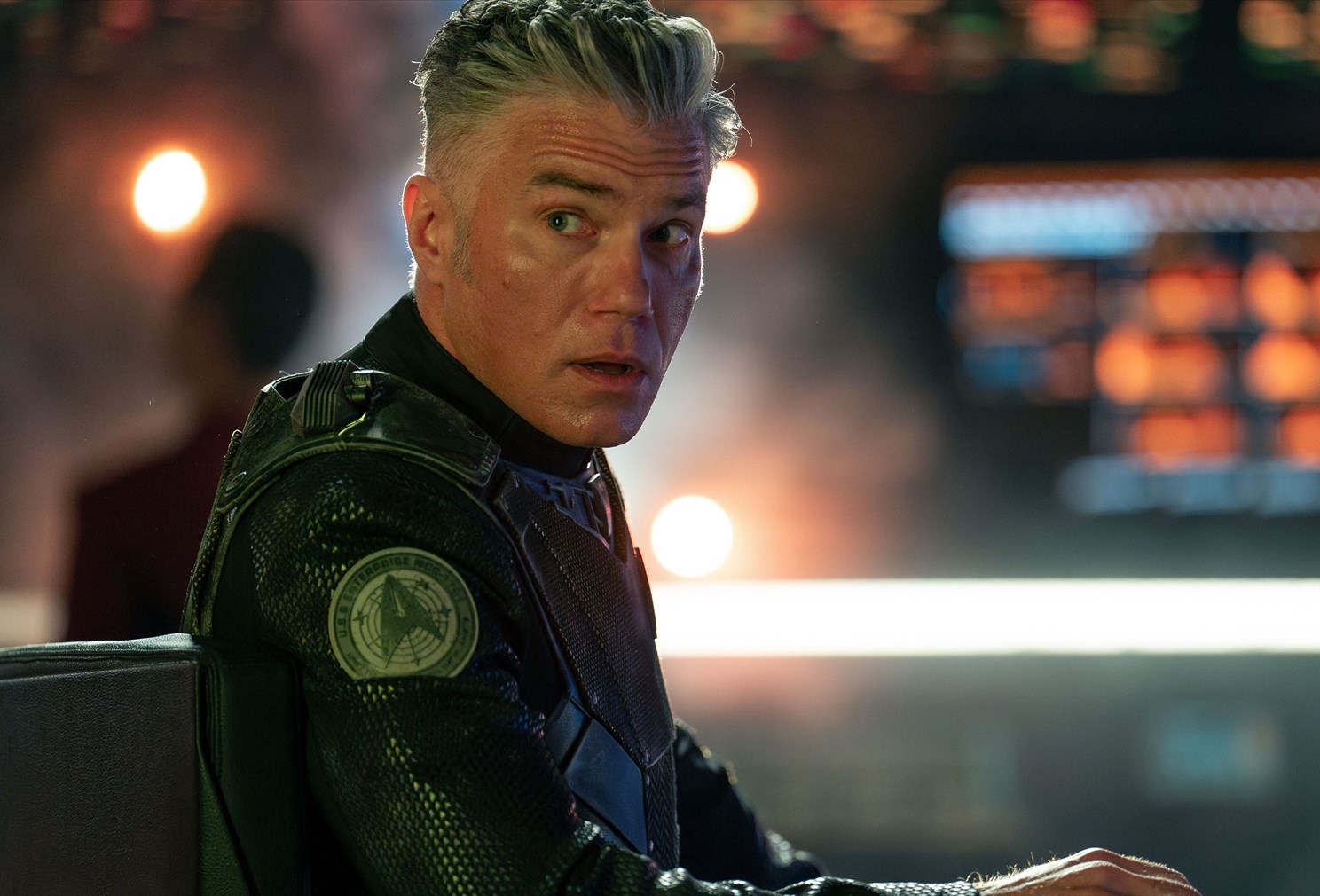
“Star Trek: Strange New Worlds” has spent three seasons proving that the franchise’s best mode is also its oldest: episodic adventure, big ideas, a crew you’d follow anywhere. Its third-season finale, “New Life and New Civilizations,” aired September 11, and it went for broke: a swing into full-blown cosmic horror, a heart-wrenching love story, and the quiet planting of a friendship that “Star Trek” fans have known was coming for sixty years. It’s a lot for one hour, and it doesn’t all land, but the ambition is pure “Strange New Worlds.”
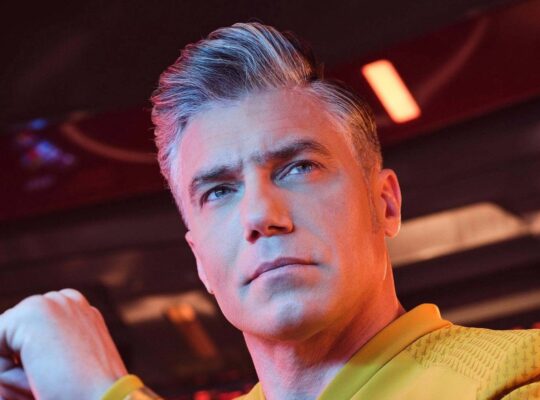
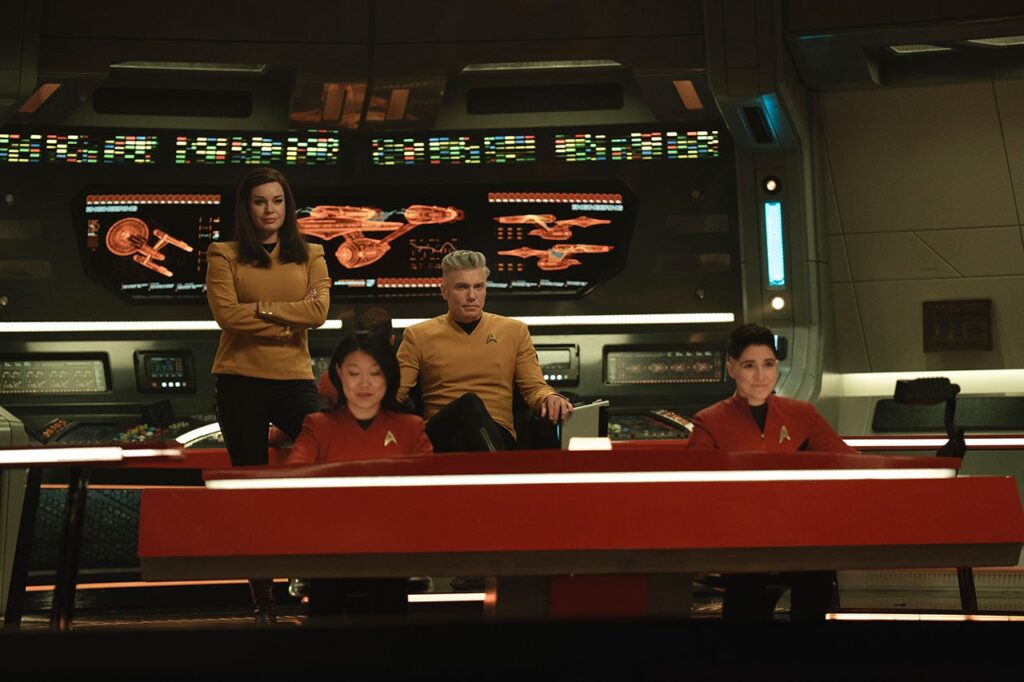
For anyone who hasn’t boarded this Enterprise, “Strange New Worlds” is the prequel series following Captain Christopher Pike (Anson Mount) and his crew in the years before the original “Star Trek,” a show built on the classic formula of a new planet and a new problem every week. It’s been widely embraced as a return to what made Trek great, optimism, exploration, moral dilemmas, after a stretch of darker, more serialized franchise entries. The finale is the season’s biggest, strangest gamble. Warning: beyond this point there are spoilers for Strange New Worlds Season 3 and its finale, “New Life and New Civilizations.”
It’s a lot for one hour, and it doesn’t all land, but the ambition is pure “Strange New Worlds.”
The episode leans hard into H. P. Lovecraft. Its central threat is an eldritch species called the Vezda, and the finale drapes the usually sunny series in genuine cosmic horror: provocative, unsettling questions about fate, destiny, and forces beyond comprehension. It’s a bold tonal choice for a show best known for its warmth, and when it works, it’s genuinely eerie. The finale also picks up a near-death thread for Pike’s partner Marie Batel (Melanie Scrofano), who returns to active duty after her brush with the Gorn, tying off the season’s most personal arc.
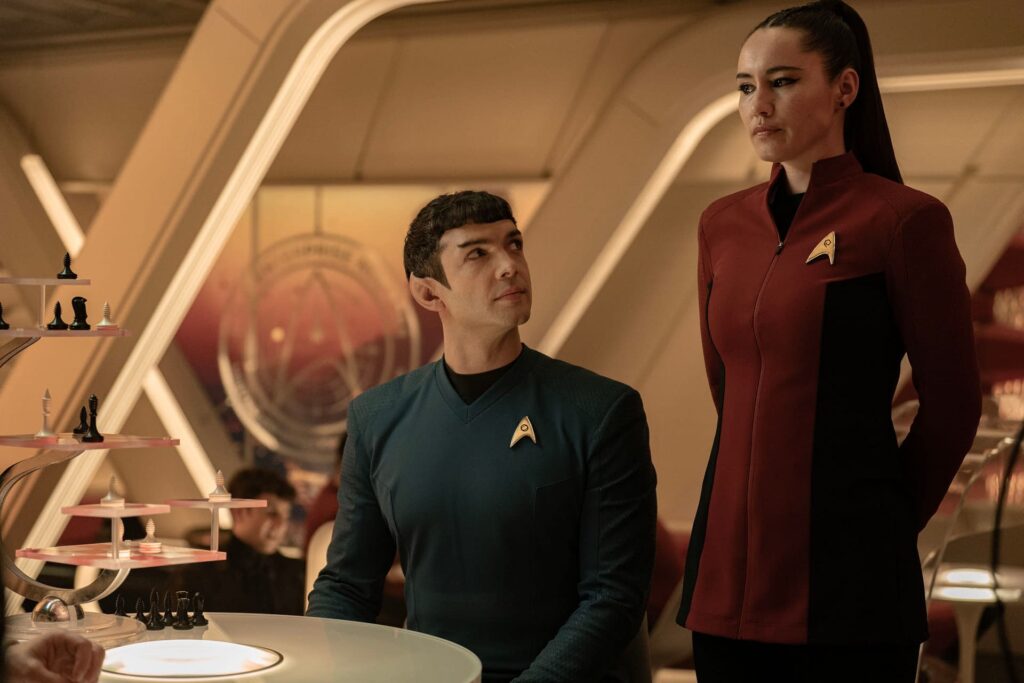
The emotional payoff, though, is the beginning of a legend. The finale devotes real care to the budding bond between a young James Kirk (Paul Wesley) and Spock (Ethan Peck), the two men whose friendship will one day become the beating heart of “Star Trek” itself. Watching that iconic relationship take its first tentative steps is the kind of prequel storytelling that actually justifies a prequel: not just nostalgia, but the pleasure of seeing something we love being born. For longtime fans, it’s a quietly moving thing to witness.
Not everything holds together, and it’s worth being honest about that. Critics and fans noted that the finale tried to juggle more ideas than a single episode could carry, the cosmic horror, the love story, the Kirk-and-Spock material, a resurrection thread, and the resolution leaned closer to magic than the science-minded problem-solving Trek is built on. Several observers felt it should have been a two-parter, given room to breathe rather than crammed into one overstuffed hour. When a finale has this much on its plate, some of it inevitably gets undercooked.
And yet, that overreach is almost endearing coming from this show. “Strange New Worlds” has always been willing to try anything, a musical episode, a courtroom drama, a full-on comedy crossover, and its swing-for-the-fences spirit is a big part of why fans adore it. A finale that bites off more than it can chew is far more in keeping with the show’s soul than a safe, tidy one would be. It fails, when it fails, in the direction of ambition, which is the right direction to fail.
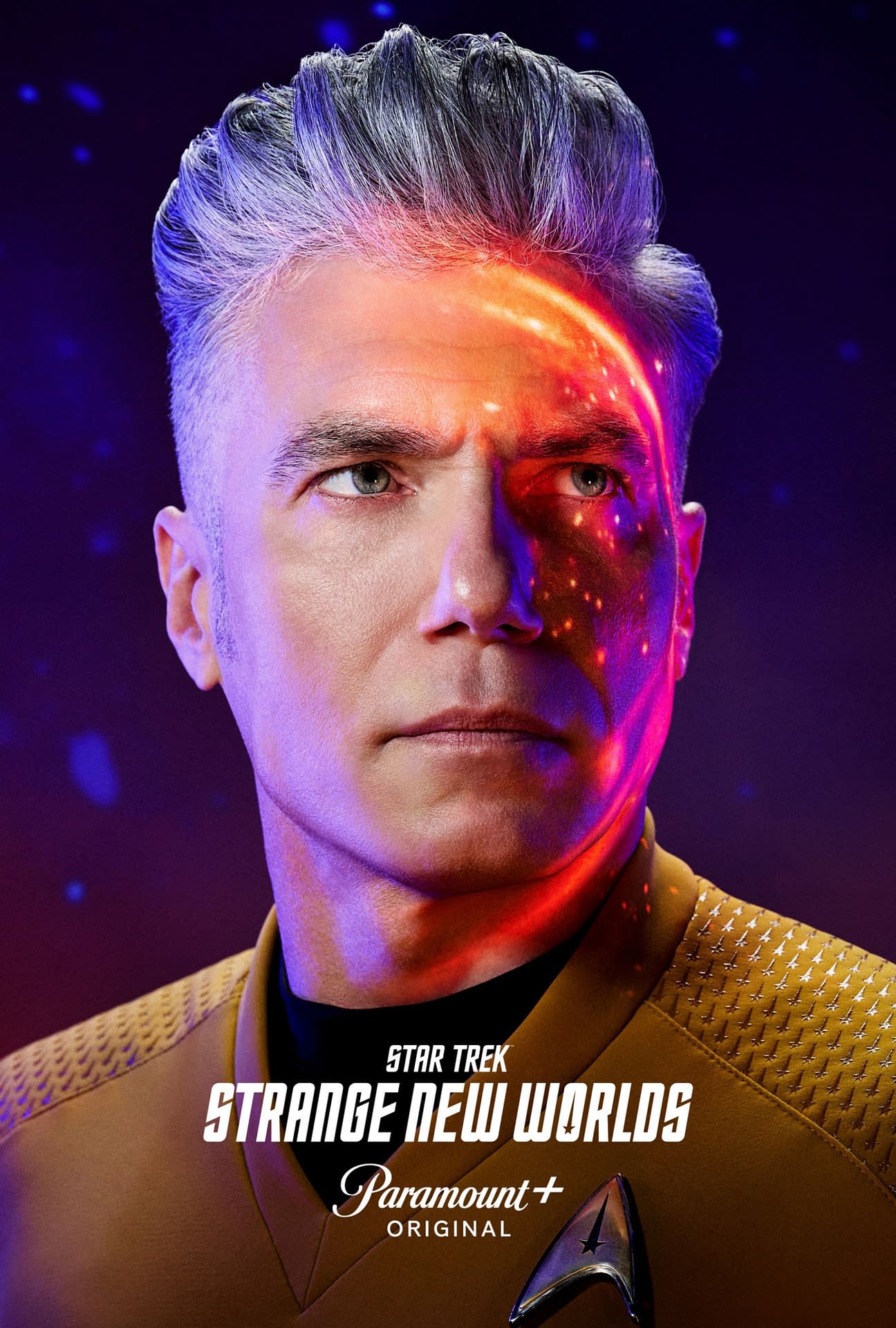
The good news is that this Enterprise has plenty of voyages left. “Strange New Worlds” isn’t going anywhere, more seasons are already locked in, including a planned final chapter still to come, so this finale is a waypoint rather than a destination. That security lets the show take these kinds of risks, knowing it has time to course-correct. Not every “Star Trek” series gets that runway, which makes the ones this show has all the more valuable.
For a franchise that’s had a bumpy stretch on television, “Strange New Worlds” remains its steadiest, most joyful vessel, and even an imperfect finale can’t dim that. It aimed for the stars, grabbed a few of them, and reminded us why this crew is worth following. Kirk and Spock are just getting started, and so, thankfully, is the show telling their story.
What Do You Think? Did the finale’s leap into Lovecraftian cosmic horror work for you, or does that darkness clash with everything that makes “Strange New Worlds” feel like classic Trek? Is showing the birth of the Kirk and Spock friendship the smartest thing a prequel can do, or does knowing where it all ends drain the suspense? Should the finale have been a two-parter, and what would you have cut to give the rest room to breathe?
See you on the next binge!