Three separate times, the new trailer for “Never After Dark” stops the film dead to show you a quote in gold script. The first is Mashable calling it sensationally spooky and devilishly entertaining. The second is Screen Anarchy going with ravishingly horrific. The third one is two words and a name, “AMAZING AND HAUNTING,” Stephen King, and it sits there over a shot of bare trees for a good three seconds, which in a trailer that only runs two minutes and change is a lot of real estate to hand to a man who had nothing whatsoever to do with making the movie.
Magnolia Pictures put the trailer out on Wednesday ahead of a September 25 limited theatrical release, and on paper this is a film that should not need the help. “Never After Dark” is sitting at 100% on Rotten Tomatoes across 23 reviews. It won the Midnighter Audience Award at SXSW and the Grand Jury Prize for a feature at the Overlook Film Festival. It has already played theatrically in Japan, back in June. Scott Derrickson, who made “Sinister” and “The Black Phone” and knows the neighbourhood, called it intelligent, unpredictable and bone-chilling, and one of the best of the year. That is a stronger set of credentials than most horror films arrive with, and Magnolia still put King’s blurb in the middle of the trailer in gold. Warning beyond this point there are spoilers for “Never After Dark,” specifically what the film’s own marketing says is actually hunting its lead.
That is a lot of real estate to hand to a man who had nothing whatsoever to do with making the movie.”
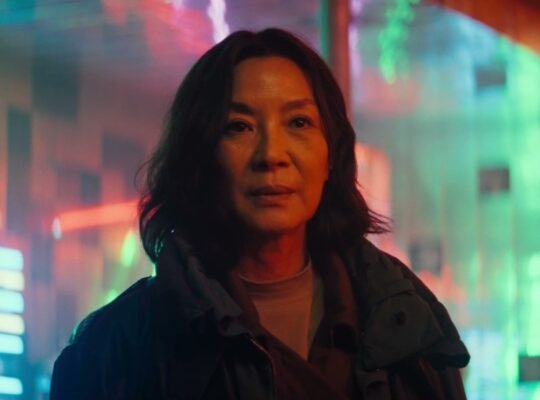
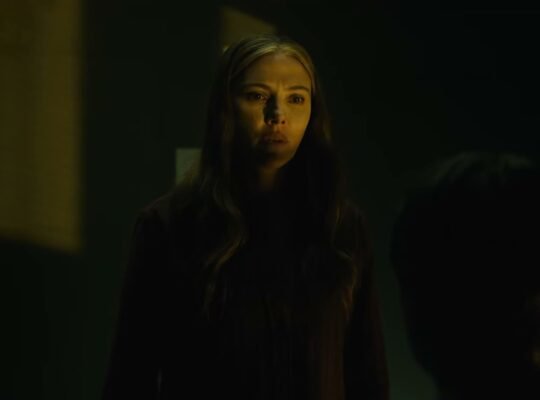
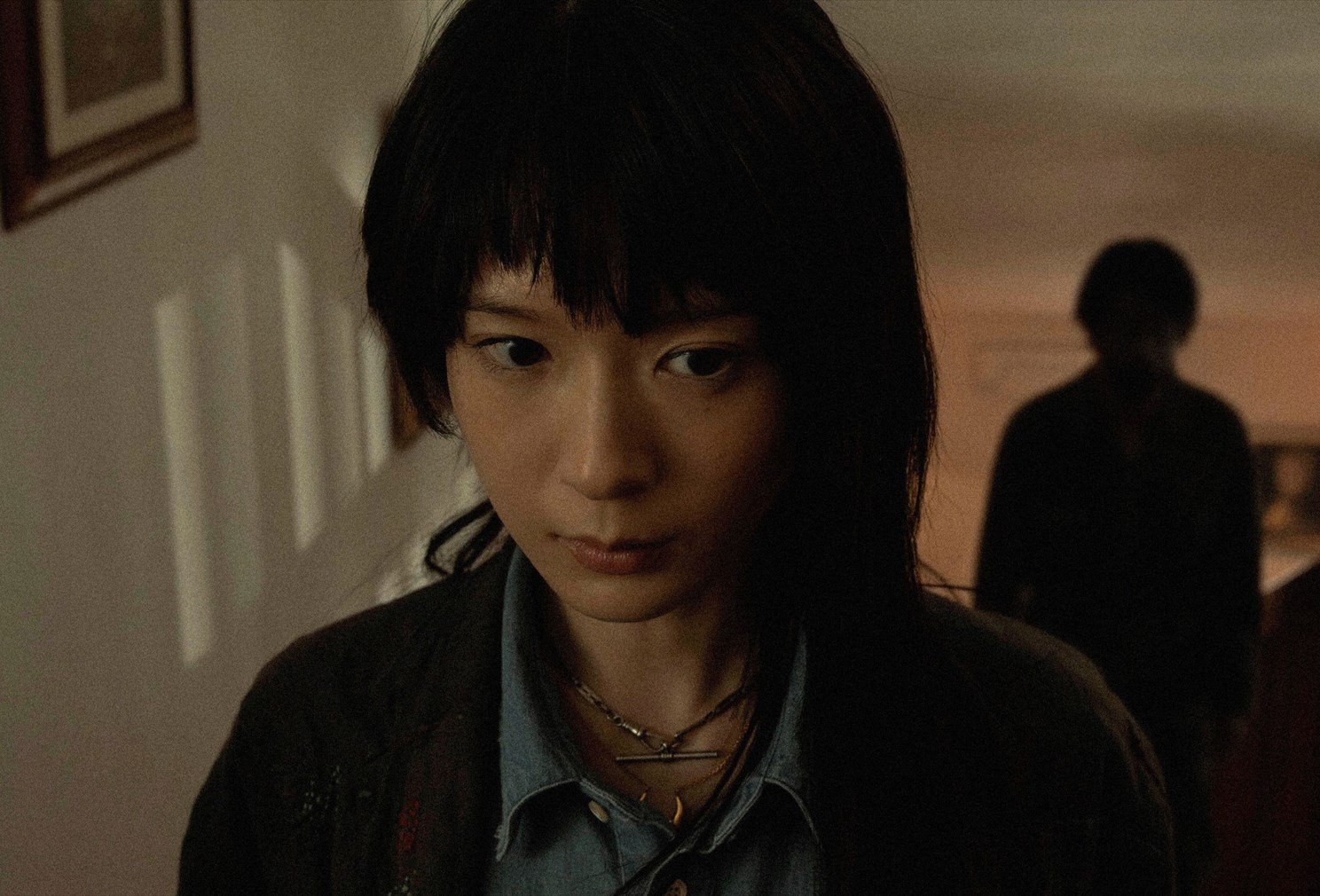
The trailer itself is patient in a way American horror marketing usually isn’t. It opens on candle flames in the dark and an eye in extreme close-up, then a dim room with an old rotary telephone sitting on a shelf. A maroon station wagon idles on a forest road with something smeared across the windshield. Airi (Moeka Hoshi) drives it deep into bare winter woods and out to a low modernist country house with cars already parked in the drive. She stands among the trees with both hands raised and the burned-in subtitle reads, “There’s a veil between our worlds.” A moment later, over a small ritual object held between her fingers: “to guide lost spirits into the next world.” That is her job, stated plainly, and the film gives it about forty seconds before it starts going wrong.
What follows is a run of images that trade almost entirely on stillness. A round mirror catching lamplight. A red-carpeted hallway. A figure standing motionless in a doorway at the end of a long room. Someone asks, “What does he look like?” A door, we are told, “always opens on its own.” Airi, on that rotary phone in a warm-lit room, says she will make contact tomorrow in daylight, which is the most quietly frightening line in the whole thing, because it means she has decided tonight is a bad idea and is going to have to survive it anyway. Then, framed inside that round mirror with a candle burning beside her: “This spirit is… different.”
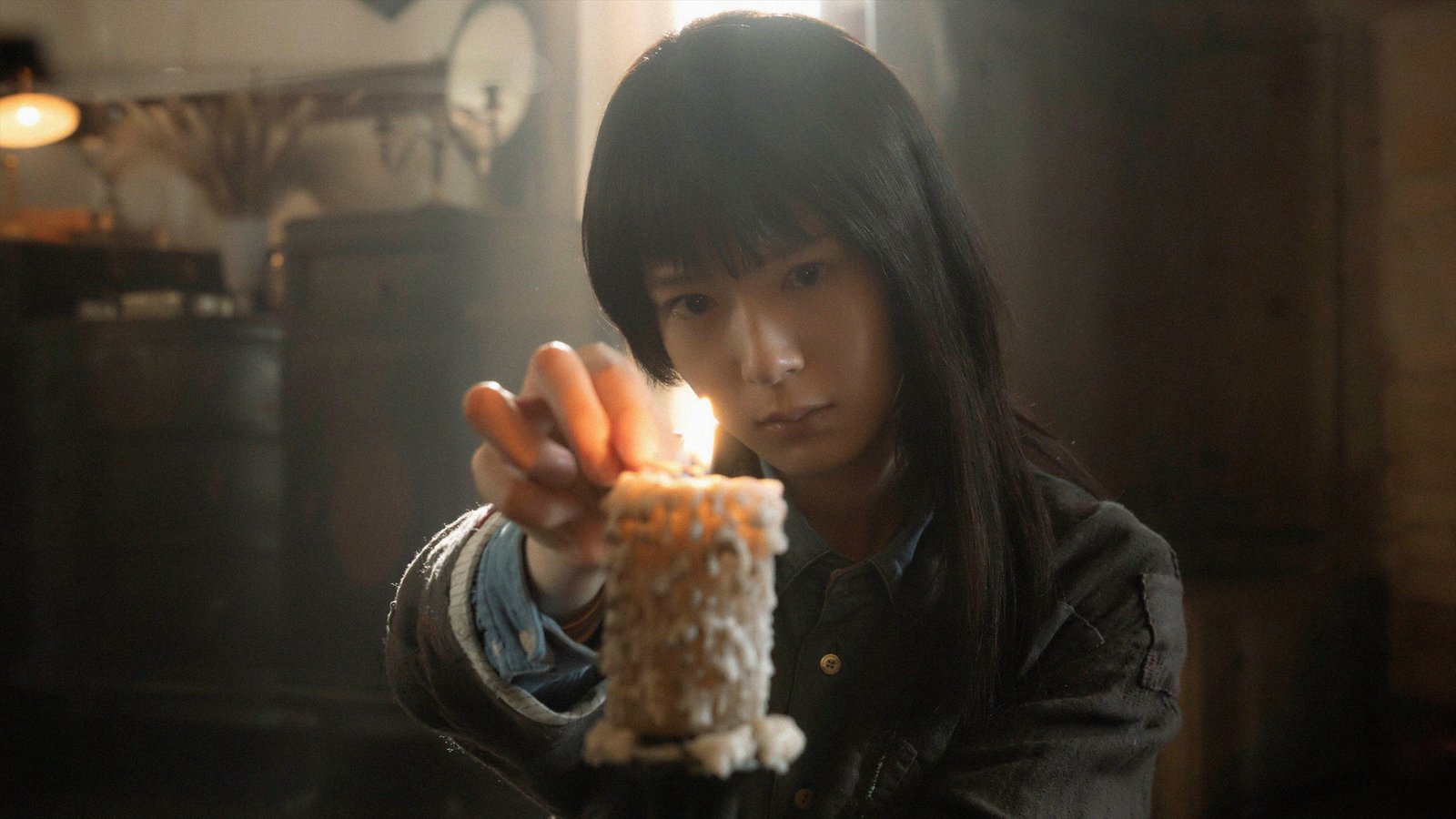
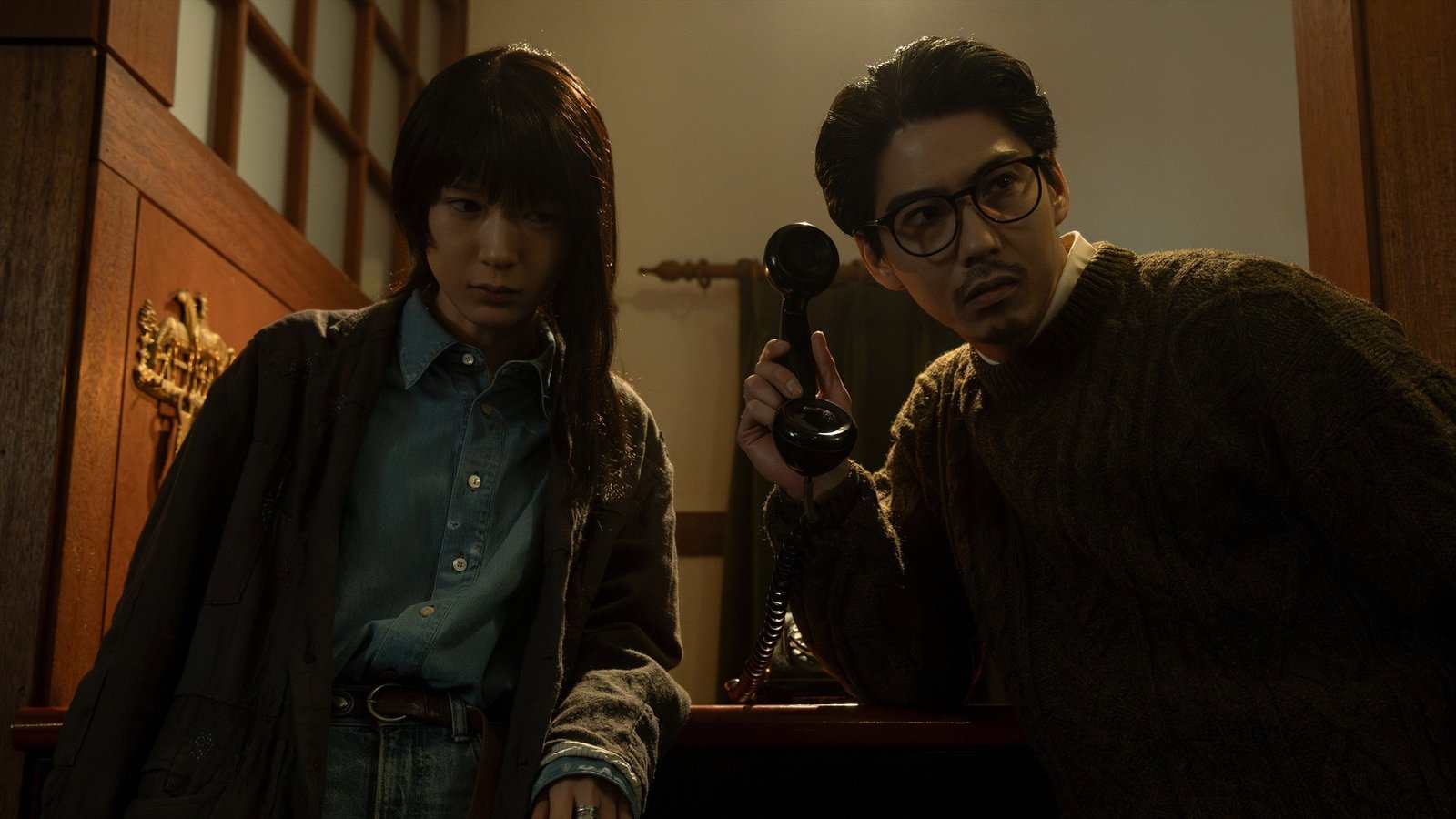
Only in the last third does it start showing you monsters, and even then it barely does. There is a blue-lit thing with a face that does not resolve. A man in glasses recoiling in the dark. A figure in a hood screaming. A brass clock. And then two shots of Hoshi’s face, held long, with the subtitle underneath: “Nobody accepts they’re dead.” Whatever else this film is doing, it is a ghost story about denial, and it has found a lead who can carry a close-up without doing anything at all.
Here is the part that makes the King card feel like a hedge rather than a flex. Magnolia’s own synopsis gives away the turn: Airi digs into the history of the house, finds something worse than the entity she was called in to remove, and ends up hunted by a threat that may not be supernatural at all. Rotten Tomatoes puts it more bluntly: a living threat more dangerous than any ghost. The cast list backs it up. Kento Kaku plays a character called Gunji, Kurumi Inagaki plays Miku, and Mutsuo Yoshioka is credited as “The Man.” When a horror film gives one actor a definite article and no name, that is not a ghost. So the movie being sold here as a possession picture appears to be a possession picture for about half its running time and something considerably nastier after that.
The other thing worth knowing is who made it, because that is genuinely unusual and the trailer never mentions it. “Never After Dark” was written and directed by Dave Boyle, an American filmmaker who has spent most of his career working in Japanese. He made “Man from Reno” back in 2014, a bilingual noir that quietly became a festival favourite, and more recently he was part of the team behind “House of Ninjas,” the Japanese-language series that turned into a global Netflix hit in 2024. This is reportedly the first film he has shot entirely in Japan, and he made it with Kento Kaku producing as well as acting in it. XYZ Films handled the sales last year and Magnolia picked up North America this spring.
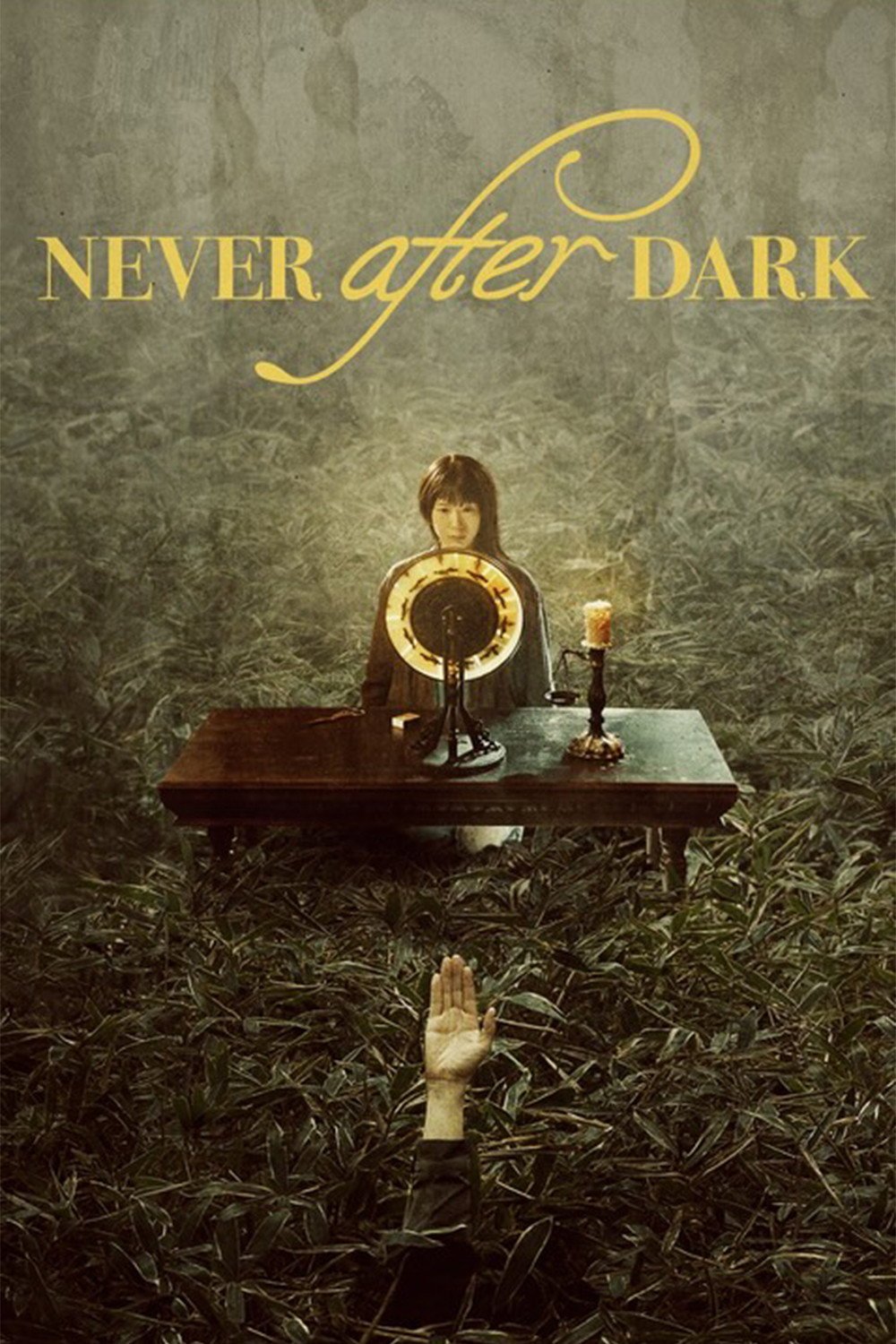
That background explains the shape of the thing better than any blurb does. This is not a Western director doing a J-horror pastiche from the outside: the long lens, the empty corridor, the ghost you are made to look for in the back of frame rather than shown. Rotten Tomatoes’ critics’ consensus calls it a chilling ghost story that deftly reimagines Japanese horror conventions, and reimagines is doing a fair bit of work in that sentence. The genre has been recycling its own furniture since “Ringu” and “Ju-On,” and the fastest way to make any of it land again is to change what the audience is supposed to be afraid of. Which, if the synopsis is honest, is exactly the move here.
So why lead with King? Our honest read is that it is a subtitle problem, not a quality problem. A 104-minute Japanese-language horror film going out on a limited American theatrical release in late September is fighting for attention against studio horror with ten times the marketing spend, and the single most efficient way to tell a domestic horror crowd that a foreign film is worth the trip is to put a name they trust on the screen in gold. King has been doing this for other people’s movies for decades and he is usually right. It still says something a bit sad about the market that a film with a perfect score, two festival prizes and a Derrickson rave needs an American author’s two-word endorsement to get in the door.
What Do You Think? Does a Stephen King blurb still move you toward a horror film you have never heard of, or has that particular signature been handed out often enough to stop meaning much? Is the pivot from exorcism story to a human threat the smartest thing “Never After Dark” does, or does telling us about it in the official synopsis defuse the turn before anyone buys a ticket? And is an American writing and directing in Japanese the reason this one feels fresh, or is that exactly the sort of thing that gets a film graded generously on a festival circuit?
See you on the next binge!