Cameras are finally rolling on the end of the most acclaimed science-fiction saga in a generation. Principal photography on “Dune: Part Three” officially began this week, on July 7, 2025, sending Denis Villeneuve back to Arrakis to adapt “Dune Messiah” and close out a trilogy that has, against considerable odds, become both a critical darling and a box office juggernaut. If you have been waiting to see where Paul Atreides’s story actually goes, the wait now has a clock on it. And the story it is telling is not the triumphant one casual fans might be expecting.
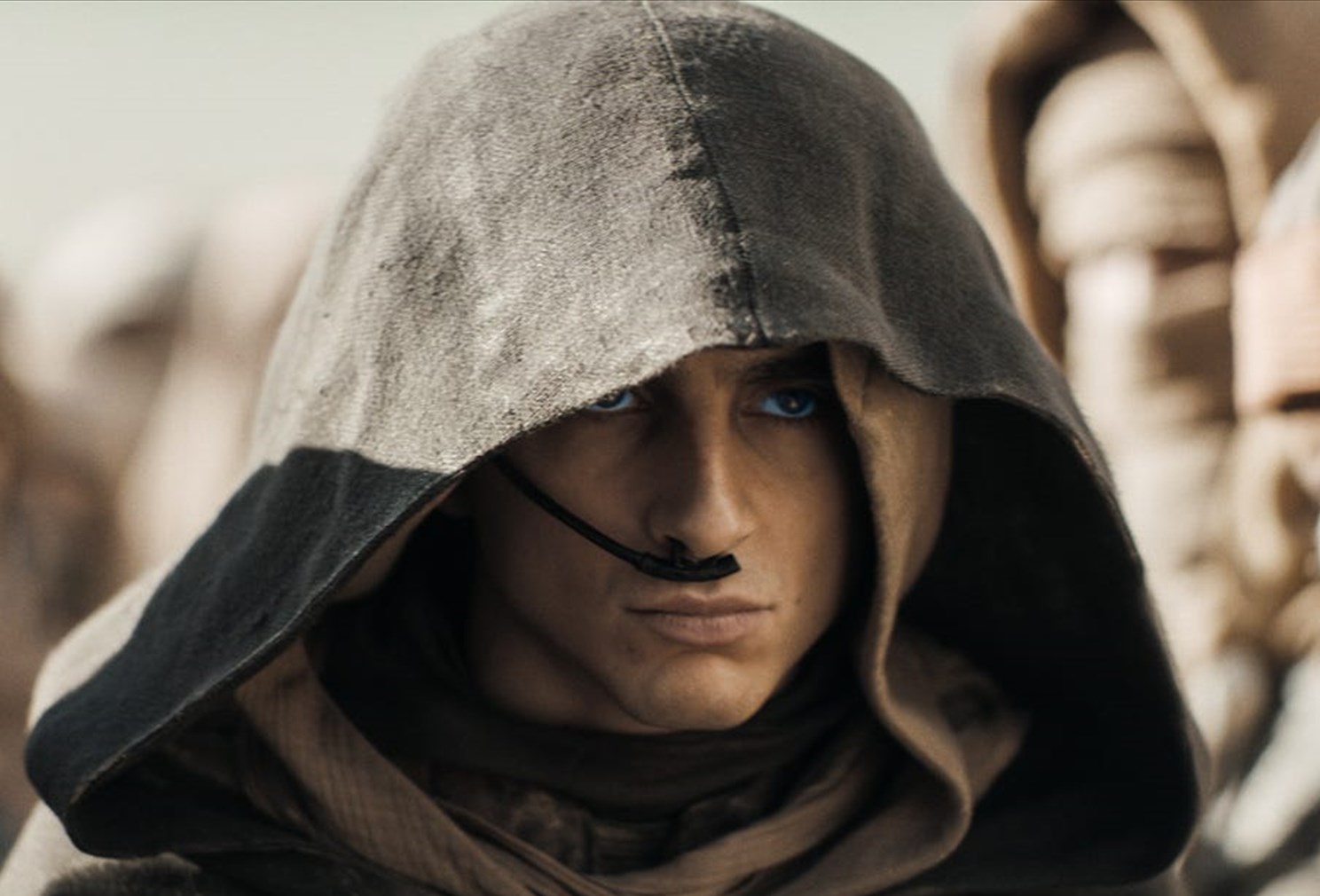
Let us be clear about what “Messiah” is, because this is where “Dune” gets genuinely daring. “Part Two” ended with Paul Atreides (Timothée Chalamet) ascending to power, unleashing a holy war, and stepping fully into the role of prophet and emperor. A lesser franchise would treat that as a heroic climax. Frank Herbert did the opposite. “Dune Messiah,” his 1969 sequel, is a deliberate deconstruction of everything the first book seemed to celebrate, a sober, unsettling examination of what happens when a charismatic leader becomes a god to millions, and how much blood gets spilled in his name. It is Herbert turning to his own audience and saying, you misunderstood me, this was never supposed to be a hero’s tale. Warning: beyond this point there are spoilers for “Dune: Messiah” and the fate of Paul Atreides.
It is Herbert turning to his own audience and saying, you misunderstood me, this was never supposed to be a hero’s tale.”
Villeneuve adapting that specific book, as the finale, is the boldest possible move. He is co-writing the screenplay, he is shooting the entire film in IMAX, and he is doing it knowing that “Messiah” is a harder, chillier, more internal story than the two sweeping epics that came before. This is not a victory lap. It is a reckoning, and choosing to end the trilogy on a note of caution rather than triumph is exactly the kind of artistic conviction that made these films matter in the first place.
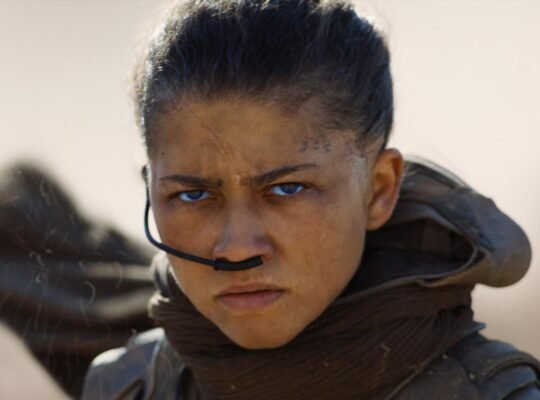
The story picks up years after Paul’s rise, with his empire built on the corpses of a galaxy-spanning jihad and his own prescient visions closing in around him like a trap. Chani (Zendaya), whose disillusionment “Part Two” wisely amplified, is central to the tragedy to come. The returning ensemble is stacked, Lady Jessica (Rebecca Ferguson) and Stilgar (Javier Bardem) among them, and the trilogy is bringing in heavy hitters like Florence Pugh’s Princess Irulan and, in newly announced casting, Robert Pattinson and Anya Taylor-Joy to populate the darker, more paranoid world of Paul’s reign. This is a cast assembled to sell an emperor’s slow-motion downfall, not a chosen one’s coronation.
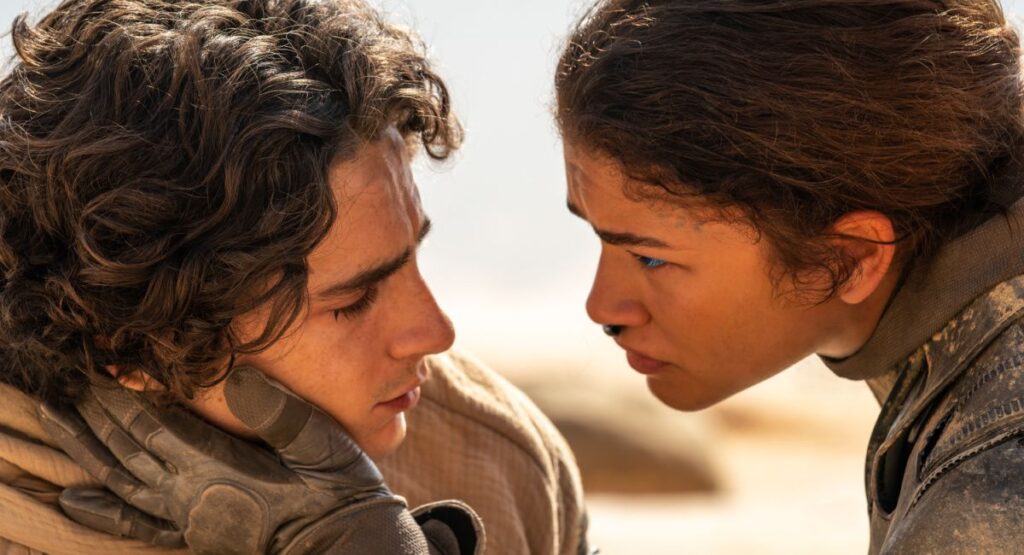

The ambition here is genuinely thrilling, and a little audacious. Hollywood does not usually spend this kind of money to tell audiences that their hero was a warning all along. “Messiah” is a story about the danger of blind faith in powerful men, about how easily liberation curdles into tyranny, and about a man trapped by the very myth he created. That Villeneuve gets to end his blockbuster trilogy on that theme, in IMAX, on this budget, is a small miracle of studio filmmaking. If he pulls it off, it will stand as one of the most thoughtful conclusions any modern franchise has attempted.
It is worth noting the wider “Dune” universe is thriving around this production too. The prequel series “Dune: Prophecy” has already expanded the world on television and is preparing its next season, which means Arrakis and its politics are becoming a genuine ongoing franchise rather than a pair of standalone films. That is a lot of sand to manage, and so far the people managing it have shown remarkable discipline about protecting the tone that made the movies work.
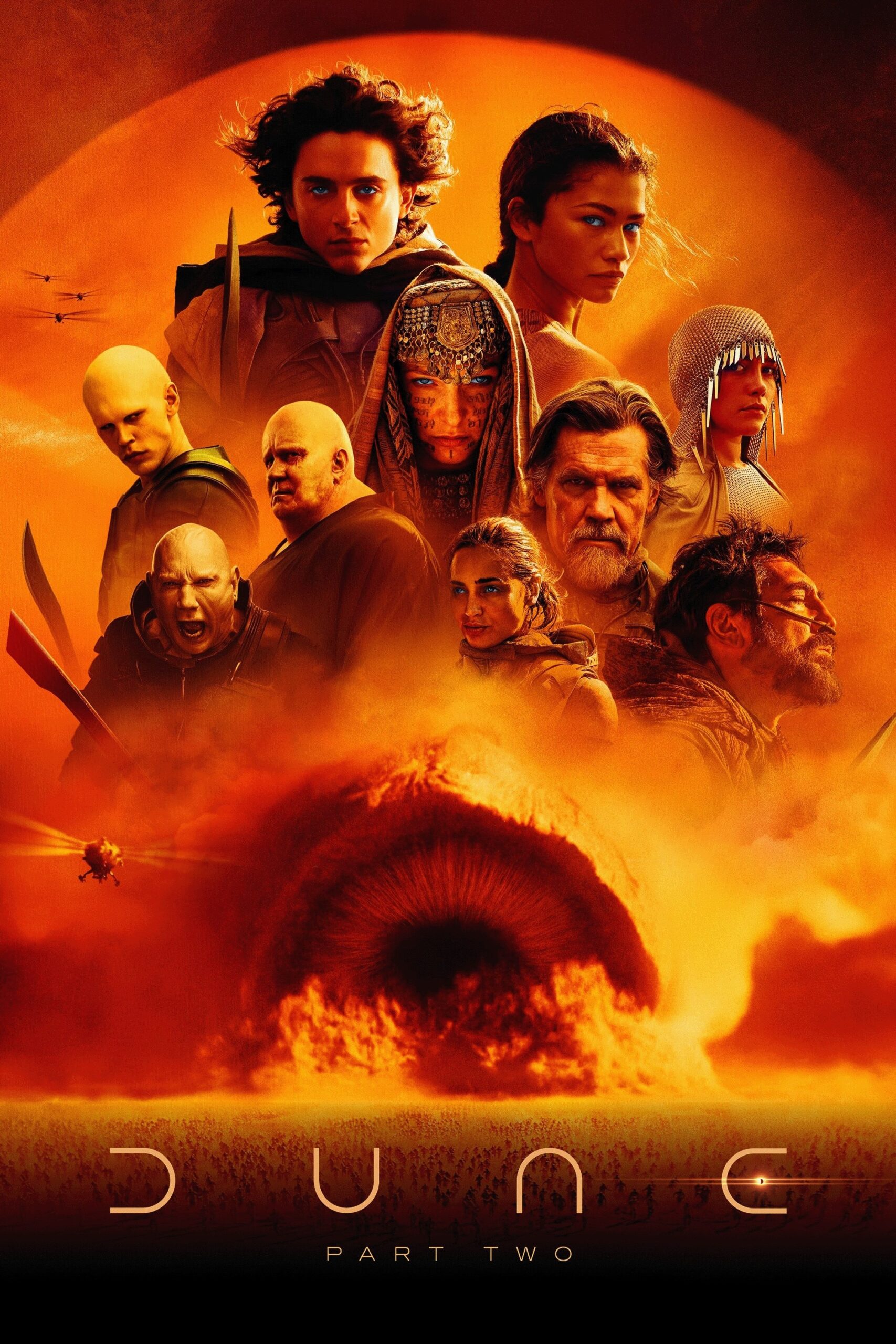
The film is aiming for theaters in late 2026, which means a long wait stretches ahead while Villeneuve and his team build Paul’s crumbling empire frame by painstaking frame. For those of us tracking “Dune” as one unfolding chronicle, the two films, the prequel series, and now this concluding chapter, “Part Three” is the keystone, the moment the whole saga either sticks its difficult landing or fumbles the most important idea in Herbert’s work. Everything about this production suggests Villeneuve understands exactly what he is adapting. Now he just has to make audiences accept that the messiah was the tragedy all along. The spice, as ever, must flow.
What Do You Think? Is adapting the deliberately anti-heroic “Dune Messiah” the boldest possible way to end this trilogy, or a risk that could alienate fans expecting a triumphant finale? Can Denis Villeneuve make a sober cautionary tale about false messiahs land as a blockbuster the way his first two films did? And after this chapter closes Paul’s story, should the “Dune” universe keep expanding on screen, or is there such a thing as too much time on Arrakis?
Catch up properly: every Dune film and series in chronological order on our Timeline Hub’s Dune timeline.
See you on the next binge!